


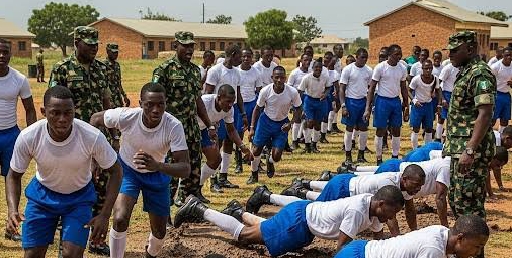
Darkness in the training barracks is heavy, the kind that presses against every thought before dawn has even begun. Outside, the world hums with ordinary life—motorcycles rattling down uneven streets, early vendors shouting into the morning haze, and the occasional scream of a stray dog—but inside, the compound is a vacuum, alive only with the whispers of recruits waiting for the first blow of the whistle. No one speaks too loudly; anticipation is a quiet storm that gathers behind every pair of eyes.
The first 72 hours in the Nigerian Army are a baptism by fire. Here, every minute is measured not by clocks, but by the rhythm of commands, the pressure of drills, and the echo of your own heartbeat. It is a test not just of physical endurance but of the mind’s fragile architecture—the will to obey, the capacity to absorb shock, and the instinct to survive a sequence that is deliberately relentless. Each movement, each instruction, each misstep carries weight, and recruits quickly learn that failure is not an option but a possibility that could follow them like a shadow.
Yet, in this early crucible, a strange human phenomenon emerges. Fear, exhaustion, confusion—these are raw ingredients—but so too is camaraderie, the instinctive clutching of another human being in shared suffering. A simple glance across the yard can communicate more than words: solidarity, reassurance, or silent terror. For the outsider, it is chaos; for those inside, it is a rhythm, a cruel yet strangely coherent pulse that governs the first three days.
And in the midst of it all, there is silence between commands—a dangerous, deceptive lull where recruits’ minds wander, conjuring doubts and regrets. The Nigerian Army does not merely train bodies; it tests identities. Each recruit must navigate the invisible line between self-preservation and surrender, between the instinct to retreat and the imposed discipline that demands movement, always forward, always in line, always ready.
Arrival and Processing: The First Encounter
From the moment the bus grinds to a halt at the entrance of the training camp, the recruits are no longer individuals—they are numbers, subjects of observation, objects of transformation. The gates themselves seem to loom larger than life, metal bars reflecting the early sun like silent sentinels. Smiles vanish, casual words die on lips; only the uniformed officers move with purpose, their eyes scanning, calculating, marking.


Processing begins immediately. Identification checks, health screenings, and equipment issuance are not merely administrative tasks—they are psychological sieges. Recruits are instructed with rapid-fire commands: “Name!” “Date of Birth!” “Height!” Every hesitation is a crack in composure, every correction a subtle reminder that the world outside has ended, replaced by a regimented microcosm. Uniforms are issued with military precision, boots polished not to shine, but to imprint discipline onto the feet that will march through mud, sweat, and sometimes blood.
The first hours test patience as much as readiness. Long lines snake through barren compounds while officers move like predators, eyes scanning for weakness. Sleep deprivation begins almost immediately, not through cruelty but by design. The body’s internal clock is ignored; meals come and go like fleeting promises, and the first meal of simple porridge or beans is more survival fuel than comfort. In these moments, the recruits’ minds start to fracture between the past and the present—the warmth of home, the fear of the unknown, and the immediate, uncompromising expectation to obey.
By the time uniforms are fitted and the final ID cards issued, the recruits are no longer strangers to the drill instructors—they are prey. The psychological weight of observation, judgment, and expectation has already begun to shape behavior. The first encounter with the camp is deceptively simple: paperwork, lines, uniforms—but beneath it lies the first subtle erosion of the civilian self, a quiet announcement that the next 72 hours will demand every ounce of physical and mental fortitude.
First Drills: Baptism of Movement
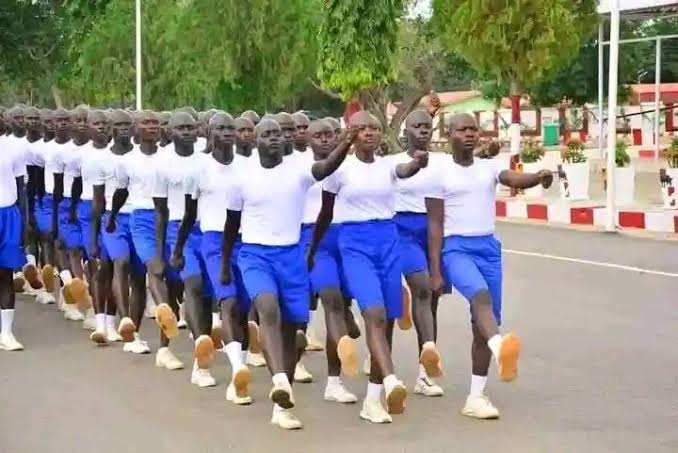
The sun has barely crested when the first drills begin. Recruits line up in straight formations, boots snapping against the hard compound floor. The air is thick with tension, the kind that makes hearts pound in the chest long before the first command is shouted. Drills are deceptively simple: march, stand, turn, halt—but simplicity is a veneer. Every misstep is magnified, every hesitation punished with sharp corrective shouts.
Cadence is drilled into the bones before it enters the mind. Commands are repeated not to teach but to condition. “Left! Left! Left-Right-Left!” echoes off the barracks, bouncing like a drumbeat inside the recruits’ skulls. Physical fatigue is immediate; muscles that haven’t been exercised this way before begin to scream. Sweat collects, obscuring vision, dampening the grip of resolve. Yet even as bodies strain, the mind is engaged in a parallel struggle: obey perfectly or face the repercussions of failure, even in these early, seemingly small movements.
Drills are also a form of psychological mapping. Instructors observe not only coordination but temperament—who freezes, who snaps, who tries to mask fear with false bravado. Every recruit is cataloged in these first movements; patterns are noticed, weaknesses identified, and resilience tested. It is a slow, methodical stripping down of civilian habits, replaced with the rhythm of the barracks and the constant presence of authority.
By the end of the first cycle, recruits’ bodies are sore, lungs burning, and minds dizzy with information. Yet, beneath the surface, a transformation is quietly beginning. The first drills are more than physical—they are the crucible where obedience, endurance, and conformity to the collective will are introduced. For many, this is where the first fracture occurs between expectation and reality, between imagined heroism and the relentless grind of initiation.

Obstacle Courses and Physical Conditioning: The Body’s Trial
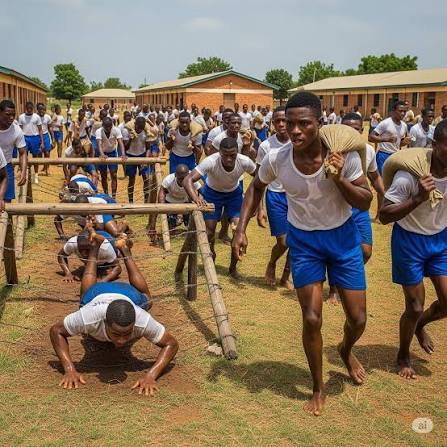
By the second morning, the recruits’ bodies are already protesting, muscles tight and lungs heavy, but the obstacle course awaits—a labyrinth designed not merely to test strength, but to fracture doubt and forge resilience. Steel frames, rope climbs, mud pits, and towering walls loom like silent adversaries, each one demanding precision, courage, and the ability to ignore pain. For many, it is the first tangible confrontation with the physical reality of army life.
Instructions are minimal: complete the course, move swiftly, and maintain form. Cadence is replaced by instinct, and instinct is replaced by sheer willpower. Some stumble, slipping in the mud or misjudging the swing of a rope; others push ahead, ignoring fatigue until the body rebels with cramping limbs. Instructors do not coddle. They stand like shadows at every junction, whistles ready, voices piercing the air. The silence between commands is almost louder than the shouts, amplifying anxiety and self-doubt.
The obstacle course is also a crucible for teamwork. Recruits must lift, pull, and sometimes physically support one another to clear certain barriers. For those unprepared, the humiliation of falling behind or needing help is as punishing as the physical strain itself. Yet, in this pressure cooker, bonds begin to form. Hands clasp in mud, encouraging words are whispered, and the realization dawns that individual survival is often inseparable from collective effort.
As the course ends, bodies exhausted and clothes soaked, the recruits understand that physical conditioning is inseparable from psychological endurance. Each ache and blister is a reminder that the army does not reward hesitation. Fatigue is not weakness—it is the beginning of transformation. And by late afternoon, when drills resume in the yard, the human body is not just tested, but remade, preparing for the next stage of relentless initiation.
Mess Hall Realities: Nutrition Battles
Meals in the early days are less about taste and more about survival. The mess hall is a cacophony of lined trays, hurried voices, and the metallic clatter of cutlery against stainless steel. Recruits stand at rigid attention, trays empty in hand, waiting for the signal to approach the serving line. The food itself is simple—porridge, rice, beans, and occasionally protein—but portions are measured to ensure energy without comfort. Even eating becomes a form of discipline.
The first bites reveal an unexpected challenge: efficiency under scrutiny. Officers watch as trays are loaded, consumed, and cleared. Hesitation, overreaching, or any perceived slowness attracts immediate correction. Recruits learn to eat quickly, chew efficiently, and maintain composure, even as hunger gnaws between meals. The human body, starved for energy after hours of drills and obstacle courses, struggles to reconcile fatigue with the necessity of nourishment.
Beyond the food, the mess hall is a psychological gauntlet. Lines are long, the atmosphere tense. Conversations are almost forbidden; glances are brief. Every recruit is acutely aware that the army measures more than how they move or run—they observe how they adapt to controlled environments, how they obey even in mundane tasks, and how they manage internal stress under external pressure. In these moments, eating becomes a lesson in resilience and self-control.
The mess hall also subtly introduces social hierarchies. Recruits quickly notice patterns: who receives guidance, who is corrected, and who is quietly ignored. Friendships, alliances, and rivalries begin to emerge, forming the social scaffolding that will support—or destabilize—their first 72 hours. By the time trays are cleared, recruits are physically fueled, mentally wary, and acutely aware that every environment in the camp—no matter how ordinary—is an extension of the test itself.
First Night of Sleep Deprivation: The Mind’s Ordeal
Nightfall brings no reprieve. Lights may dim, but the first night in the barracks is less about rest and more about endurance. The human mind, pushed beyond its daytime limits, begins to rebel. Thoughts spiral between fear, doubt, and memory; the body protests against unnatural schedules, muscles ache, and adrenaline, once abundant, now wanes. Officers move quietly among the bunks, enforcing rules, checking posture, and monitoring readiness. Sleep is intermittent, broken, and a distant memory.
Recruits’ senses sharpen under fatigue. Every creak of a floorboard, every cough or whisper becomes magnified, feeding anxiety. Some lie awake counting seconds, others focus on the rhythm of their own breathing, and a few succumb to micro-sleeps that last seconds but feel like eternity. The first night teaches an unspoken lesson: in the army, vulnerability is exposed and exploited. Sleep is not a right—it is a challenge to be negotiated with patience, cunning, and resilience.
Psychological strain peaks in these hours. Darkness becomes a mirror, reflecting fears and insecurities that daylight conceals. Recruits replay commands, imagine mistakes, or anticipate future punishments. For some, tears are quietly shed, not from weakness, but from sheer mental exhaustion. Instructors anticipate this, understanding that the mind can crack long before the body. The first night is designed to reveal who can endure, who can adapt, and who will falter under prolonged stress.
By dawn, those who survive the first night awake changed. Eyes are bloodshot, movements sluggish, yet there is a subtle shift—a grudging acknowledgment that survival requires more than strength. It demands focus, internal discipline, and the capacity to suppress instinctual resistance. The first night’s sleep deprivation is not just punishment—it is an initiation into a state of controlled resilience, a prelude to the physical and psychological demands that the next 48 hours will deliver.
Team Exercises and Psychological Stress: The Mind in Motion
By the second day, the emphasis shifts from individual endurance to collective performance. Team exercises dominate the schedule, and recruits quickly discover that their survival is now intertwined with the competence—or incompetence—of others. From coordinated marches to synchronized obstacle navigation, every misstep resonates beyond the individual, drawing correction, rebuke, or even public embarrassment.

Exercises are deliberately complex. Instructions are given once, and hesitation is punished. Officers move among recruits like hawks, eyes sharp for hesitation or error. The human mind is pushed to its limits: decision-making under fatigue, communication in chaos, and instinctive cooperation become the currency of success. In this crucible, nerves fray, tempers flare, and leadership dynamics emerge organically among recruits, revealing both natural talent and fatal flaws.
Psychological stress is amplified by constant observation. Every recruit knows that their actions are cataloged, analyzed, and compared. Errors in coordination, hesitation in response, or lack of initiative become data points in the instructors’ assessment. The mental pressure is relentless; recruits cannot hide, cannot pause, and cannot retreat into familiar patterns. Their civilian identities are stripped, replaced by the army’s strict logic: move, obey, endure.
By evening, recruits are physically fatigued and emotionally raw. The exercises have created a landscape of tension, where trust and fear coexist uneasily. Bonds begin to solidify under shared hardship, but so do rivalries. The army has turned the human mind into both a tool and a battlefield, preparing recruits for scenarios where mental acuity under exhaustion is the difference between survival and failure.
Weapon Familiarization and Drill Discipline: The Weight of Responsibility
The third day brings a new type of intensity: weapons training. Recruits are reportedly introduced to basic information on firearms not as tools but as instruments of survival, authority, and responsibility. The weight of a rifle in fatigued hands is sobering. Every part is inspected, cleaned, and assembled under scrutiny, with mistakes immediately corrected. Precision is demanded, not for pride, but for survival—one misstep could endanger self or comrades.
Drills accompany weapon handling: stance, aim, recoil management, and tactical movement. Recruits are reminded constantly that discipline is inseparable from competence. The human mind struggles to integrate fatigue, stress, and new technical skills. Instructors impose mental strain deliberately, testing focus, adaptability, and the capacity to internalize high-pressure instructions. Small errors accumulate into tangible consequences, instilling a sense of responsibility beyond physical performance.
Psychological pressure is compounded by repetition. Hours of precise movement, repeated corrections, and exacting standards create a monotony that wears at concentration. The body craves rest; the mind craves certainty—but the army offers neither. Recruits quickly learn that mastery comes not from comfort or instinct, but from persistence, observation, and the ability to suppress doubt under relentless scrutiny.
By the day’s end, the recruits’ identities are further transformed. Civilian hesitation is replaced with regimented action; uncertainty is replaced with structured response. Every command, every posture, and every movement is infused with the weight of potential consequence. The army has begun to mold instinct, focus, and responsibility in equal measure—an invisible armor against both the physical and psychological trials of the days ahead.

Cumulative Fatigue and Emotional Cracks: The Human Threshold
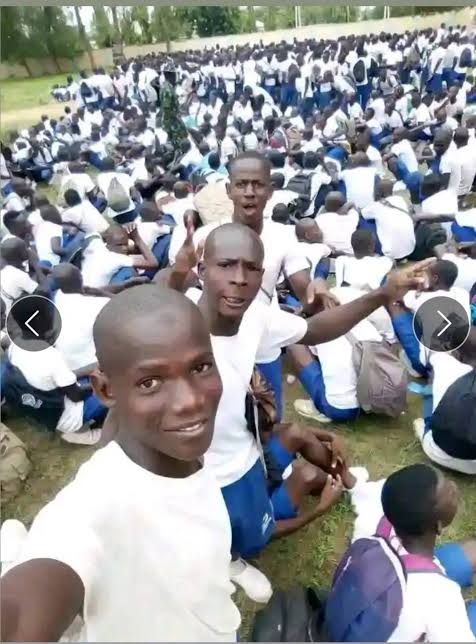
By the twilight of the third day, fatigue is no longer a physical sensation alone—it has become an omnipresent companion. Sleep debt, sore muscles, and constant exertion are compounded by psychological strain, leaving recruits vulnerable to emotional breakdowns. Tears, anger, irritability, and silent despair surface, often hidden under disciplined posture and forced attention. The army watches, cataloging, and assessing.
Instructions become simultaneously clearer and harsher as fatigue sharpens awareness while dulling patience. Small errors are amplified; coordination falters, voices raise, and tension permeates the compound. Recruits confront the reality that endurance is not merely bodily, but deeply mental. Those who cannot reconcile the relentless pace with their internal limits face humiliation or exhaustion, while those who adapt begin to sense an emerging resilience.
Support networks—brief words of encouragement, subtle glances, or shared laughter—become crucial. Human connections act as psychological buffers, offering temporary relief from the relentless pressure. The army intentionally fosters this duality: stress and solidarity coexist, teaching recruits that survival requires both individual fortitude and collective reliance.
By nightfall, the recruits’ transformation is unmistakable. They are physically exhausted, emotionally frayed, yet increasingly disciplined, obedient, and resilient. The first 72 hours have stripped away the civilian self, exposing raw human vulnerability while simultaneously building a foundation of endurance, teamwork, and mental toughness. The crucible is far from over, but the initial metamorphosis—the most intense and human—has been accomplished.
The Human Element: Bonds Forged in Fire
By the end of the first 72 hours, something profound begins to emerge beyond bruised muscles and exhausted minds: human connection. Recruits who entered as strangers now share an unspoken understanding, a bond forged through collective suffering. Small gestures—a helping hand over a wall, whispered encouragement during a drill, or shared laughter after an exhausting obstacle—become symbols of survival and solidarity.
The army, in its meticulous design, cultivates this interdependence. Every exercise, every obstacle, and every moment of sleep deprivation forces recruits to rely on one another. Strength is no longer merely physical; it is emotional, derived from trust, shared struggle, and the ability to anticipate another’s needs. The first 72 hours become a microcosm of human resilience, revealing how adversity can both fracture and unite.
Observation shows that these bonds are uneven. Some recruits cling to camaraderie, finding strength in shared determination, while others retreat into isolation, weighed down by fatigue and fear. Officers monitor these dynamics, understanding that emotional endurance is as critical as physical stamina. The army’s early training is not just about drills—it is an intricate study of human behavior under pressure, testing the limits of cooperation, leadership, and instinctual survival.
By the third morning, the recruits themselves recognize this shift. Amid the soreness, dirt, and relentless commands, a sense of collective achievement begins to surface. The realization that they have endured together—through fear, exhaustion, and uncertainty—marks the first step in their transformation from civilians to soldiers. The first 72 hours, though brutal, plant the seeds of resilience, courage, and identity reshaping that will define the weeks and months ahead.
Psychological Mastery: Mind Over Body
Physical endurance is only one side of the coin; the other is psychological mastery. The first three days of army training function as a mental crucible, stripping recruits of comfort, autonomy, and certainty. The mind, faced with relentless stimuli—commands, drills, environmental stress, and observation—must adapt or falter. It is here that recruits learn the most difficult lesson: survival is less about strength than about mental control.

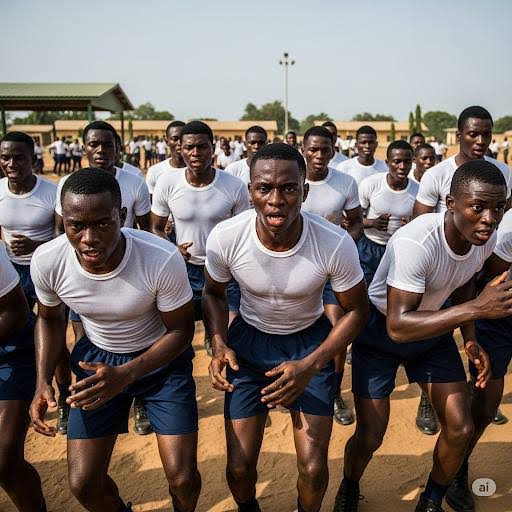
Each recruit’s response varies. Some develop hyper-focus, blocking out pain and fatigue to execute commands with precision. Others struggle with intrusive thoughts, internalized fear, and self-doubt. Instructors exploit these differences, pushing boundaries to observe how recruits manage stress, make decisions under pressure, and maintain composure when both body and mind are depleted. The army’s psychological design is deliberate: it creates discomfort to provoke adaptation, forging soldiers capable of facing far greater challenges than those presented in the compound.
The interplay of physical and mental strain produces a profound transformation. Sleep-deprived recruits, muscles burning from obstacle courses, begin to internalize discipline as instinct. Obedience becomes reflexive; coordination emerges without conscious thought. The human brain, tested beyond ordinary limits, rewires itself to accommodate relentless demands. In this early stage, the army not only molds bodies but rewires minds, preparing them for the chaos and unpredictability of operational life.
By the end of the third day, psychological mastery manifests subtly but unmistakably. Recruits who seemed tentative or overwhelmed on arrival now move with purpose, awareness, and the beginnings of confidence. The first 72 hours, designed to dismantle and reconstruct, succeed in their ultimate goal: the civilian psyche is tempered, and a nascent soldier identity takes root.
Reflection and Resilience: Lessons Carved in Sweat
As the sun rises on the third day, recruits pause—if only for a fleeting moment—to register the magnitude of what they have endured. Every ache, every blister, every night spent wrestling with exhaustion is a lesson in resilience. They have confronted fear, uncertainty, and the limits of the human body. In this reflection lies a subtle pride, though unspoken, that hints at the transformation underway.
The army’s methods are merciless, yet instructive. The first 72 hours teach that survival is contingent on adaptability, discipline, and persistence. They reveal how fear can be harnessed as motivation, how fatigue can sharpen focus, and how collective struggle fosters unity. These lessons extend beyond the barracks, offering recruits insight into the human capacity to endure extremes and emerge fundamentally changed.
Mentally and physically, recruits now navigate a new equilibrium. They have learned to interpret commands without hesitation, synchronize movements with strangers, and trust instincts forged under pressure. The transformation is neither instantaneous nor complete, but it is undeniable: the first 72 hours mark the threshold between civilian and soldier, weakness and resilience, chaos and controlled precision.
In essence, these hours function as both trial and teacher. They reveal vulnerabilities, test boundaries, and demand adaptation. Recruits emerge not merely exhausted but enlightened, having encountered the human extremes of fear, cooperation, and endurance. The lessons carved in sweat and fatigue become permanent fixtures of identity, establishing the foundation upon which the next stages of training—and eventual service—will build.
Closing Thoughts: Beyond the First 72 Hours
The first 72 hours in the Nigerian Army are more than a series of drills, obstacle courses, and sleepless nights—they are a meticulously crafted crucible designed to strip away comfort, fear, and hesitation while forging resilience, discipline, and identity. For every recruit, the experience is deeply human: painful, disorienting, terrifying, yet transformative.
By the third dawn, the compound is a different world. The recruits, though physically weary and psychologically tested, move with a quiet confidence born from shared adversity. Their bodies bear the marks of exertion; their minds, the subtle imprint of discipline.
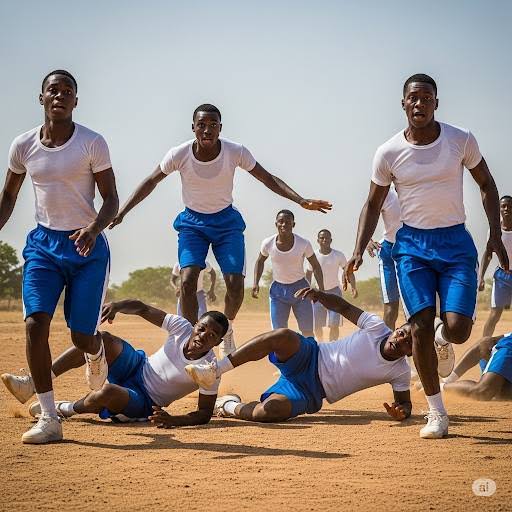
The first 72 hours have done their work: they have shattered and reconstructed, revealing what lies beneath civilian veneers and exposing the human capacity for adaptation.
Endless drills are no longer meaningless punishment—they are lessons in endurance, teamwork, and psychological mastery. Each shout, every corrected misstep, and each sleepless hour has a purpose: to prepare human beings for the extraordinary demands of soldiering.
As recruits step into the next phase of training, the lessons linger. Every movement carries the imprint of the first days; every command echoes in memory; every shared hardship binds them to comrades and the institution they now serve.
The Nigerian Army has not merely tested bodies—it has revealed the human spirit under extreme pressure, a spirit capable of endurance, adaptation, and profound transformation. And it is within this crucible, in these first 72 hours, that soldiers are quietly, inexorably born.