


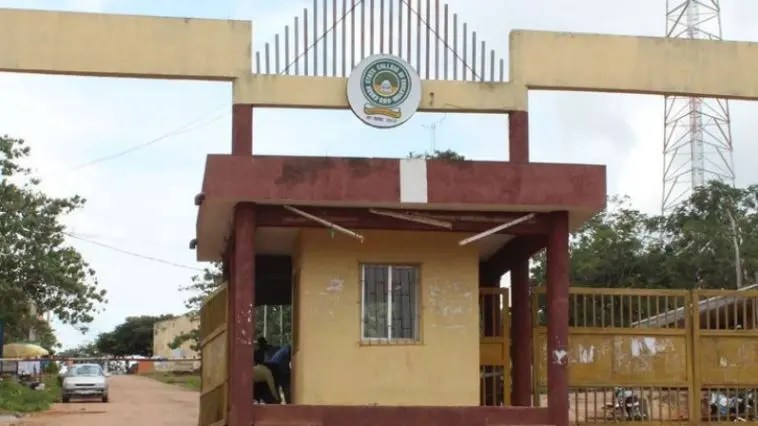
So you have dreams of becoming a teacher and shaping young minds? That’s great. The first step is to find a reputable college of education to earn your teaching credentials. In Nigeria, there are federal, state, and private colleges of education across the country accredited by the National Commission for Colleges of Education (NCCE) to train quality teachers.
As an aspiring teacher, you want to make sure you gain admission into an accredited institution. This article provides a comprehensive list of all the accredited colleges of education in Nigeria, federal, state and private. With over 180 colleges on the list, you have plenty of good options to choose from.
Roles of Colleges of Education in Nigeria
Colleges of Education in Nigeria play a crucial role in shaping the future of education in the country. These institutions are dedicated to providing quality training and certifications for teachers, ensuring that they are well-equipped to meet the evolving needs of the Nigerian education system. Let’s take a closer look at seven important roles that these colleges fulfill:
- Teacher Training: The primary role of colleges of education is to train aspiring teachers. They offer specialized programs and courses that provide in-depth knowledge of educational theories, teaching methodologies, and subject-specific instruction. Through rigorous training, future teachers develop the necessary skills and expertise to effectively educate students.
- Curriculum Development: Colleges of education actively contribute to the development and improvement of the national curriculum. They conduct research, analyze educational trends, and collaborate with educational authorities to design curriculum frameworks that align with the changing needs of students and society.
- Practicum and Teaching Practice: To bridge the gap between theory and practice, colleges of education facilitate teaching practice and practicum experiences for their students. These hands-on opportunities allow aspiring teachers to apply their knowledge in real classroom settings, gaining practical experience and refining their teaching techniques.
- Research and Innovation: Colleges of education serve as hubs for educational research and innovation. They encourage faculty and students to conduct research studies, explore innovative teaching methods, and contribute to the advancement of educational practices. Through research, colleges seek to address educational challenges and improve teaching and learning outcomes.
- Professional Development: Continuous professional development is vital for teachers to stay updated with the latest educational trends and pedagogical approaches. Colleges of education organize workshops, seminars, and conferences to provide ongoing professional development opportunities for teachers. These programs enhance their teaching skills, foster collaboration, and promote lifelong learning.
- Quality Assurance: Colleges of education are responsible for maintaining high-quality standards in teacher education. They work closely with regulatory bodies like the National Commission for Colleges of Education (NCCE) to ensure that programs meet accreditation requirements. By upholding standards, colleges contribute to the overall improvement of the education system.
- Community Engagement: Colleges of education are active participants in their communities. They collaborate with schools, local organizations, and educational stakeholders to address community needs and promote educational outreach programs. By engaging with the community, these institutions foster a sense of social responsibility among their students and faculty.
The major roles of Colleges of Education in Nigeria are to train and produce qualified teachers for primary and secondary schools in the country. They help to provide quality and standardized teacher education, ensuring Nigeria has a steady supply of competent teachers to impact knowledge to younger generations.
List of Approved Colleges of Education in Nigeria (Federal, State, & Private)
Colleges of Education in Nigeria are tertiary institutions that provide professional training and certifications for teachers at different levels of the Nigerian education system. There are over 160 Colleges of Education in Nigeria, including federal, state and private institutions.
List of Federal Colleges of Education
There are 27 federal Colleges of Education across Nigeria that are funded and managed directly by the Federal Government. They offer the Nigerian Certificate in Education (NCE) which qualifies you to teach in primary and secondary schools.
Here are all the Federal Colleges of Education in Nigeria:
- Adeyemi College Of Education, Ondo, Ondo State
- Alvan Ikoku Federal College Of Education, Owerri, Imo State
- Federal College Of Education (Special), Oyo, Oyo State
- Federal College Of Education (Tech), Bichi, Kano, Kano State
- Federal College Of Education (Tech.) (Female Only), Gusau, Zamfara State
- Federal College Of Education (Tech.), Akoka, Lagos State
- Federal College Of Education (Tech.), Asaba, Delta State
- Federal College Of Education (Tech.), Gombe, Gombe State
- Federal College Of Education (Tech.), Omoku, Rivers State
- Federal College Of Education (Tech.), Potiskum, Yobe State
- Federal College Of Education (Tech.), Umunze, Anambra State
- Federal College Of Education, Abeokuta, Ogun State
- Federal College Of Education, Eha-amufu, Enugu State
- Federal College Of Education, Ekiadolor, Ovia North, Edo State
- Federal College Of Education, Gidan Madi, Tangaza, Sokoto State
- Federal College Of Education, Isu, Onicha, Ebonyi State
- Federal College Of Education, Iwo, Osun State
- Federal College Of Education, Jama’are, Bauchi State
- Federal College Of Education, Kano, Kano State
- Federal College Of Education, Katsina, Katsina State
- Federal College Of Education, Kontagora, Niger State
- Federal College Of Education, Obudu, Cross River State
- Federal College Of Education, Odugbo, Apa, Benue State
- Federal College Of Education, Okene, Kogi State
- Federal College Of Education, Pankshin, Plateau State
- Federal College Of Education, Yola, Adamawa State
- Federal College Of Education, Zaria, Kaduna State
With various locations nationwide, Nigeria’s federal colleges of education aim to equip students with the knowledge and skills to become effective teachers. The colleges provide learning opportunities in diverse areas of study at the NCE, pre-NCE and degree levels.
List of State Colleges of Education
State Colleges of Education are funded and managed by State Governments in Nigeria. There are over 50 state Colleges of Education that also award the NCE. These state-run schools offer Nigerian Certificate in Education (NCE) and diploma programs.
Here are all the State Colleges of Education in Nigeria:
- Abia State College Of Education (Technical), Abia State
- Adamawa State College of Education, Hong Adamawa State
- Adamu Augie College Of Education, Argungu, Kebbi State
- Adamu Tafawa Balewa College Of Education, Kangere, Bauchi State
- Adeniran Ogunsanya College Of Education, Ijanikin, Lagos State
- Akwa-ibom State College Of Education, Afaha-nsit, Akwa Ibom State
- Aminu Kano College Of Education, Kano, Kano State
- Aminu Saleh College Of Education, Azare, Bauchi State
- Atiku Abubakar College Of Legal And Islamic Studies, Nguru, Yobe State
- Bilyamin Othman College Of Education, Dass, Bauchi State
- College Of Education, (Tech), Lafiagi, Kwara State
- College Of Education, Agbor, Delta State
- College Of Education, Akwanga, Nasarawa State
- College Of Education, Ankpa, Kogi State
- College Of Education, Billiri, Gombe State
- College Of Education, Darazo, Bauchi State
- College Of Education, Ekiadolor, Edo State
- College Of Education, Gidan-waya, Kafanchan, Kaduna State
- College Of Education, Gindiri, Plateau State
- College Of Education, Igueben, Edo State
- College Of Education, Ikere, Ekiti State
- College Of Education, Ilesha, Osun State
- College Of Education, Katsina-ala, Benue State
- College Of Education, Lanlate, Oyo State
- College Of Education, Maru, Zamfara State
- College Of Education, Minna, Niger State
- College Of Education, Oju, Benue State
- College Of Education, Oro, Kwara State
- College Of Education, Waka-biu, Borno State
- College Of Education, Warri, Delta State
- College Of Education, Zing, Taraba State
- Cross River State College Of Education, Akamkpa, Cross River State
- Delta State College Of Physical Education, Mosogar, Delta State
- Ebonyi State College Of Education, Ikwo, Ebonyi State
- Edo State College Of Education, Edo State
- Emmanuel Alayande College Of Education, Oyo, Oyo State
- Enugu State College Of Education (Tech.) Enugu Abakaliki Road. Enugu State
- Fct College Of Education, Zuba, Abuja, Fct
- Imo State College Of Education, Ihitte/uboma, Imo State
- Isa Kaita College Of Education, Dutsinma, Katsina State
- Isaac Jasper Boro College Of Education, Sagbama, Bayelsa State
- Jigawa State College Of Education And Legal Studies, Ringim, Jigawa State
- Jigawa State College Of Education, Gumel, Jigawa State
- Kano State College Of Education And Preliminary Studies, Kano, Kano State.
- Kashim-ibrahim College Of Education, Maiduguri, Borno State
- Kogi State College Of Education (Technical), Kabba, Kogi State
- Kwara State College Of Education, Ilorin, Kwara State
- Michael Otedola College Of Primary Education, Moforiji, Lagos State
- Mohammed Goni College Of Legal And Islamic Studies, Maiduguri, Borno State
- Moje College Of Education, Erin-ile, Kwara State
- Nwafor Orizu College Of Education, Nsugbe, Anambra State
- Osun State College Of Education, Ila-orangun, Osun State
- Saadatu Rimi College Of Education, Kumbotso, Kano State
- Shehu Shagari College Of Education, Sokoto, Sokoto State
- Tai Solarin College Of Education, Ijebu-ode, Ogun State
- Uli College Of Education, Uli, Anambra State
- Umar Suleiman College Of Education, Gashua, Yobe State
- Umar-ibn Ei-kanemi College Of Education Science And Tech, Bama, Borno State
List of Private Colleges of Education
Private colleges of education in Nigeria are owned and run by private individuals, organizations and religious bodies. There are over 90 private colleges of education in Nigeria. Unlike federal and state colleges of education, private colleges are not funded by the government.
- A.d. Rufai College Of Edu. For Legal And Islamic Studies, Misau, Bauchi State
- Abdullahi Maikano College Of Education, Wase, Plateau State
- Adamu Garkuwa College Of Education, Toro, Bauchi State
- Adeshina College Of Education, Share, Kwara State
- African Thinkers Community Of Inquiry College Of Education, Enugu State
- Agz College Of Education, Bajoga, Gombe State
- Al-ibadan College Of Education, Ibadan, Oyo State
- Al Hikma College Of Education, Ankpa, Kogi State
- Ameenudeen College Of Education, Kano, Kano State
- Ameer Shehu Idris College Of Advanced Studies, Zaria, Kaduna State
- Aminu Kano College Of Islamic And Legal Studies, Kano, Kano State
- Angel Crown College Of Education, Gidan-daya, Fct-abuja
- Annur Institute For Islamic Educ, Kwalajawa, Rangaza, Kano State
- Ansar-ud-deen College Of Education, Isolo, Lagos State
- Apa College Of Education, Aido Godo-okpoga, Benue State
- Arabic And Islamic College Of Education, Potiskum, Yobe State
- Assanusiyah College Of Education, Ipetumodu, Osun State
- Awori District College Of Education, Ogun State
- Bauchi Institute For Arabic And Islamic Studies, Bauchi State
- Bayo Tijani College Of Education, Egan-igando, Lagos State
- Best Legacy College Of Education, Ogbomoso, Oyo State
- Bethel College Of Education, Ijare, Ondo State
- Biga College Of Education, Arkilla, Federal-low Cost, Nasarawa, Sokoto State
- Calvin Foundation College Of Education, Naka, Benue State
- City College Of Education, Garki, Abuja, Fct
- College Of Education, Ero, Akure, Ondo State
- College Of Education, Foreign Links Campus Moro, Ife North, Osun State
- College Of Education, Irra Rd. Ilemona, Kwara State
- College Of Education, Kura, Kano State
- Cornerstone College Of Education, Lagos, Lagos State
- Corona College Of Education, Lekki, Lagos State
- Covenant College Of Education, Aba, Abia State
- Crest Field College Of Education, Erin Osun, Osun State
- Delar College Of Education, Ibadan, Oyo State
- Diamond College Of Education, Aba, Abia State
- Ebenezer College Of Education, Edda, Ebonyi State
- Ecwa College Of Education, Igbaja, Kwara State
- Ecwa College Of Education, Jos, Plateau State
- Elder Oyama Memorial College Of Education, Ofat, Obubra, Cross River State
- Elizabeth Memorial College Of Education, Odenigbo, Nsukka, Enugu State
- Emmanuel Ebije Ikwue College Of Education, Otukpo, Benue State
- Festmed College Of Education, Ajowa,ondo State
- Gboko College Of Education, Gboko, Benue State
- Global College Of Education, Jos, Plateau State
- Good Shepherd College Of Education, Danlemo Alakuko, Ogun State
- Grace College Of Education, Oshogbo, Osun State
- Hamzainab College Of Education, Osogbo, Osun State
- Harvard Wilson College Of Education, Aba, Abia State
- Hill College Of Education, Gwanji, Akwanga, Nasarawa State
- Hope And Anchor College Of Education, Suleja, Niger State
- Ilori College Of Education, Ede, Osun State
- Imam Hamzat College Of Education, Ilorin, Kwara State
- Imam Saidu College Of Education, Funtua, Katsina State
- Institute Of Ecumenical Education, Thinker Corner, Enugu, Enugu State
- Ipere College Of Education, Agyaragu, Nasarawa State
- Jibwis College Of Education, Gombe, Gombe State
- Jibwis College Of Education, Jamaare, Bauchi State
- Jibwis College Of Education, Keffi, Nasarawa State
- Jibwis College Of Education, Potiskum, Yobe State
- Kazaure College Of Education, Kazaure, Jigawa State
- Kinsey College Of Education, Ilorin, Kwara State
- Kogi East College Of Education, Kogi State
- Kwararafa College Of Education, Otukpo, Benue State
- Lessel College Of Education, Lessel, Ushongo Lga, Benue State
- Life Gate College Of Education, Afon, Asa, Kwara State
- Meadow Hall College Of Education, Alma Beach Estste, Lagos State
- Metro College Of Education Adogi, Nasarawa State
- Michael And Cecilia Foundation College Of Educ. Agbrha-otor,ughelli, Delta State
- Mufutau Lanihun College Of Education, Ibadan-lagos Exp Way,oremeji, Oyo State
- Muhyideen College Of Education, Ilorin, Kwara State
- Murtadha College Of Education, Olodo, Ibadan, Oyo State
- Nana Aishat Memorial College Of Education, Kwara State
- Nosakhare College Of Education, Benin City, Edo State
- Onit College Of Education Mbaukwu, Anambra State
- Oswald Waller College Of Education, Shendam, Plateau State
- Our Saviour Institute Of Science & Tech. College Of Education, Ogui, Enugu State
- Pan African College Of Education, Offa, Kwara State
- Peace College Of Education, Enokpoli, Kogi State
- Peace Land College Of Education, Enugu, Enugu State
- Peacock College Of Education, Jalingo, Taraba State
- Piaget College Of Education, Ibara, Abeokuta, Ogun State
- Royal City College Of Education, Iyesi, Otta, Ogun State
- Sarkin Yamma Community College Of Education, Tilden Fulani, Bauchi State
- Sinai College Of Education And Entrepreneurial Studies, Gboko, Benue State
- St. Augustine College Of Education (Project Time), Yaba, Lagos State
- Steady Flow College Of Education, Akarabong, Ikom, Cross River State
- Sunnah College Of Education, Bauchi, Bauchi State
- The African Church College Of Education, Lagos, Lagos State
- The College Of Education, Nsukka, Enugu State
- Topmost College Of Education, Ipaja, Lagos State
- Turath College Of Islamic Studies, Goron Dutse, Kano State
- Unity College Of Education, Aukpa-adoka, Benue State
- Upland College Of Education, Ipesi-ifira, Akoko, Ondo State
- Yewa Central College Of Education, Abeokuta, Ogun State
- Yusuf Bala Usman College Of Legal And General Studies, Daura, Katsina State
Upon graduation, you will be awarded an NCE certificate which qualifies you to teach in secondary schools. Some colleges also offer Bachelor of Education (B.Ed) degree programs in affiliation with partnering universities. Studying at a state college of education can be an affordable path to becoming a teacher in Nigeria.
Choosing the Right College of Education in Nigeria
Choosing the right college of education in Nigeria for you is an important decision. Here are some factors to consider:
Accreditation Status
Make sure any school you apply to has proper accreditation from the National Commission for Colleges of Education (NCCE). Accredited schools have met certain standards of quality, so your degree or certificate will be recognized.
Programs Offered
Look at the specific programs and courses offered at different schools to find ones that match your interests and career goals. Some colleges focus on science and technology, while others emphasize arts and humanities. Find the area of study that appeals to you.
Faculty and Resources
Consider the experience and qualifications of the faculty. Well-educated and experienced instructors can make a big difference in your learning experience. Also look at the resources and facilities available like libraries, laboratories, recreational facilities, and accommodation. Modern equipment and plenty of resources to support your studies are ideal.
Location and Environment
Think about where the college is located and what the surrounding environment is like. Look for a safe, convenient location that suits your lifestyle. Some schools have a rural, secluded setting while others are in a city or town. Choose what will be comfortable and conducive for you.
Tuition and Costs
Compare the tuition fees and total costs of different schools to find options that fit your budget. Look into available scholarships, grants, and loan programs to help make higher education more affordable. Consider costs of living like accommodation and transportation as well.
Choosing a college of education is a big step, but by considering the key factors that matter most to you, you can find a school that suits your needs and helps set you up for a successful career as an educator. Do your research, visit schools that interest you, and go with the option that feels like the best fit.
Frequently Asked Questions
Many potential students have questions about the colleges of education in Nigeria. Here are some of the frequently asked questions and their answers:
How many colleges of education are there in Nigeria?
There are currently over 180 accredited colleges of education in Nigeria made up of 27 Federal colleges, 58 State colleges and over 90 private colleges. These colleges are spread across the 36 states of the country.
What are the admission requirements for colleges of education in Nigeria?
The admission requirements for colleges of education in Nigeria include:
- Five credits in SSCE/WASSCE including English Language and Mathematics
- A minimum JAMB score (this varies per college and course of study)
- Post-UTME screening which may include an aptitude test, interview, medical checkup, etc.
- Some colleges may require additional requirements like a credit in the desired course of study. For instance, Science for those applying for NCE Physical Sciences.
How long is an NCE program in Nigeria?
The National Certificate in Education or NCE program in Nigeria typically lasts 3 years – made up of two semesters per year. At the end of the program, students go for a mandatory 4-6 months teaching practice. Upon completion, graduates are awarded the NCE certificate by the National Commission for Colleges of Education (NCCE).
How much does it cost to study in colleges of education in Nigeria?
The cost of an NCE program in colleges of education in Nigeria ranges between 80,000 to 500,000 Naira per year depending on the college. Federal colleges charge the lowest fees while private colleges charge the highest. The total cost for a 3-year NCE program will be within 400,000 to 1.5 million Naira. Additional costs like accommodation, textbooks, feeding, etc. may apply.
Conclusion
So there you have it, a comprehensive list of all the accredited colleges of education in Nigeria, whether federal, state or private. Now you have plenty of options to choose from to pursue your teaching career and become that influential educator you’ve always aspired to be.
Remember, teaching is a noble profession that shapes lives and builds nations. As an educator, you have the power to inspire young minds and positively impact future generations. So take your time, do your research, visit some of these schools if you can, and find the college that best fits your needs and learning style.