


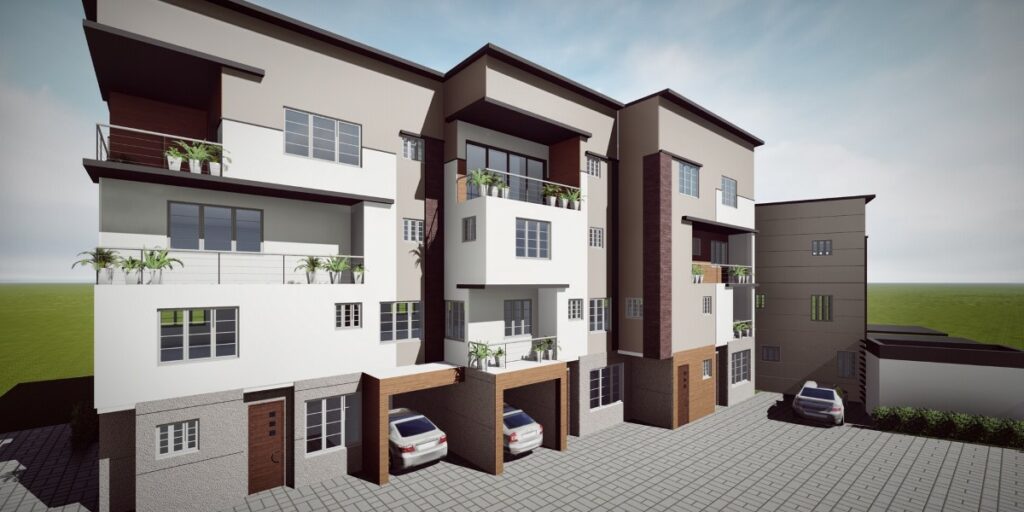
As you explore the diverse architectural landscape of Nigeria, you’ll encounter a wide array of housing styles that reflect the country’s rich cultural heritage and modern influences. From traditional mud huts to contemporary high-rise apartments, Nigerian homes showcase the nation’s evolving tastes and economic development.
Understanding these common housing types can provide valuable insights into Nigerian society and help you navigate the real estate market more effectively. In this article, we’ll guide you through the top 10 most prevalent types of houses in Nigeria, examining their unique features, cultural significance, and prevalence across different regions of the country.
10 Common Types of Houses in Nigeria


Nigeria, a country with a rich cultural heritage and diverse architectural traditions, offers a wide array of housing styles. From traditional mud huts to modern high-rise apartments, the types of houses in Nigeria reflect the nation’s history, climate, and evolving urban landscape.
In rural areas, you’ll find traditional houses built using locally sourced materials. These include mud huts with thatched roofs, which have been a staple of Nigerian architecture for centuries. These homes are well-suited to the tropical climate, providing natural insulation against heat.
As urbanization continues, Nigeria’s cities showcase a variety of modern housing options. Understanding the various types of houses in Nigeria provides insight into the country’s architectural diversity and socioeconomic landscape. From humble mud huts to opulent mansions, Nigerian housing reflects the nation’s rich cultural tapestry and ongoing development.
Terraced House
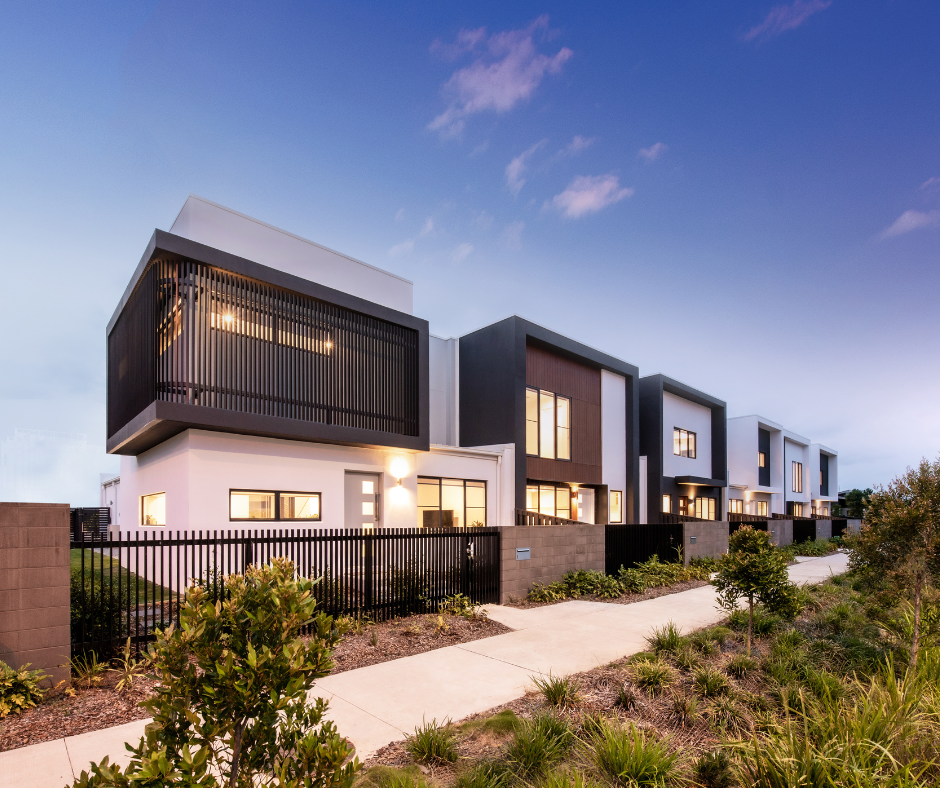

Terraced houses are one of the most common types of houses found in urban areas of Nigeria. These residential structures are characterized by their unique design and layout, offering a blend of efficiency and community living.
A terraced house also known as a row house is a multi-story dwelling that shares walls with adjacent properties on both sides. These houses are typically built in a continuous row, creating a uniform façade along the street. In Nigeria, terraced houses often feature two to three floors, providing ample living space for families.
Features and Characteristics
Terraced houses in Nigeria boast several distinctive features:
- Shared walls: The defining characteristic of terraced houses is their shared side walls with neighboring units, maximizing land use efficiency.
- Uniform appearance: These houses usually have a consistent architectural style, creating a cohesive streetscape.
- Vertical living: With multiple floors, terraced houses offer separate areas for living, sleeping, and other activities.
- Front and back access: Most terraced houses have both a front entrance facing the street and a back door leading to a small yard or garden.
- Cost-effective: The shared wall construction makes terraced houses more affordable compared to detached homes.
- Community-oriented: The close proximity of neighbors often fosters a sense of community among residents.
Terraced houses are an integral part of Nigeria’s urban housing landscape, providing a practical and space-efficient solution for growing cities. Their unique design and layout make them an attractive option for those seeking a balance between privacy and community living in densely populated areas.
Penthouse
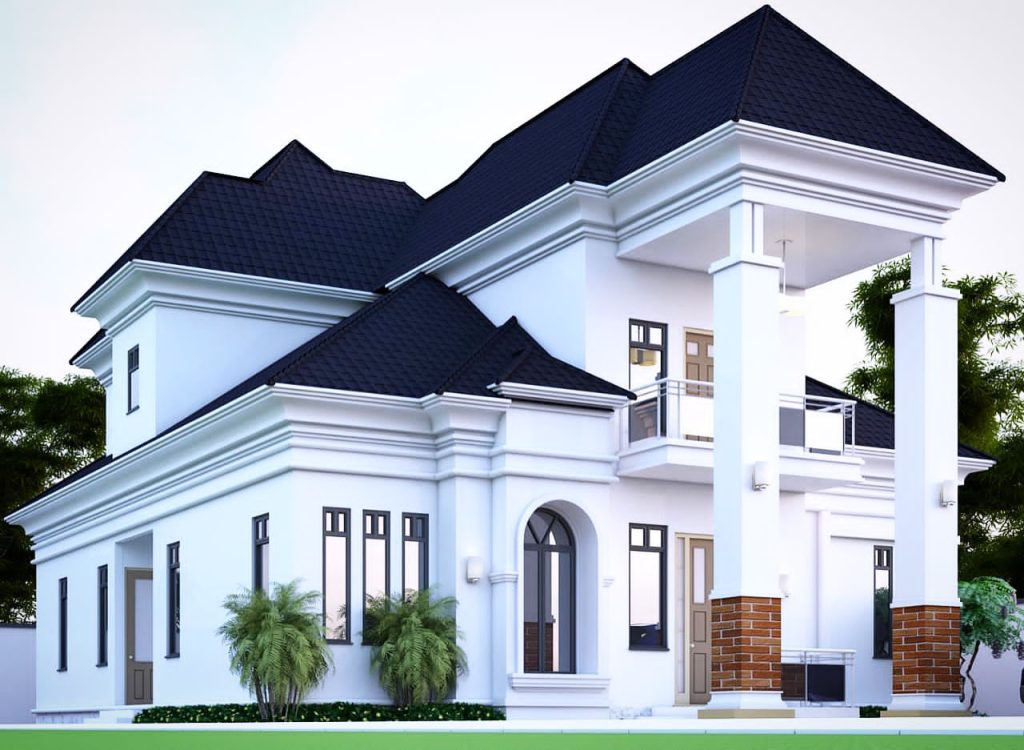

Penthouses represent the pinnacle of luxury living among the various types of houses available in Nigeria’s urban centers. These opulent residences are typically situated atop high-rise buildings, offering unparalleled views and exclusive amenities.
A penthouse is a luxurious apartment or condominium occupying the entire top floor, or sometimes the top two floors, of a building. These dwellings are characterized by their spacious layouts, premium finishes, and often, private outdoor spaces such as terraces or rooftop gardens.
Features and Characteristics
Penthouses boast several distinctive features that set them apart from standard apartments:
- Panoramic Views: Floor-to-ceiling windows and elevated positions provide breathtaking cityscapes or ocean vistas.
- Exclusive Access: Private elevators often lead directly to the penthouse, ensuring privacy and security.
- Expansive Living Spaces: Open floor plans with high ceilings create an airy, luxurious atmosphere.
- Outdoor Areas: Many penthouses include large balconies, terraces, or even private pools.
- Premium Amenities: State-of-the-art appliances, smart home technology, and high-end finishes are standard.
- Customization: Owners often have the flexibility to design their space to personal specifications.
These prestigious residences cater to discerning individuals seeking the ultimate in urban living, combining the convenience of apartment life with the exclusivity and space of a standalone home. As one of the most sought-after types of houses in Nigeria’s luxury real estate market, penthouses continue to represent the epitome of sophisticated city dwelling.
Bungalow
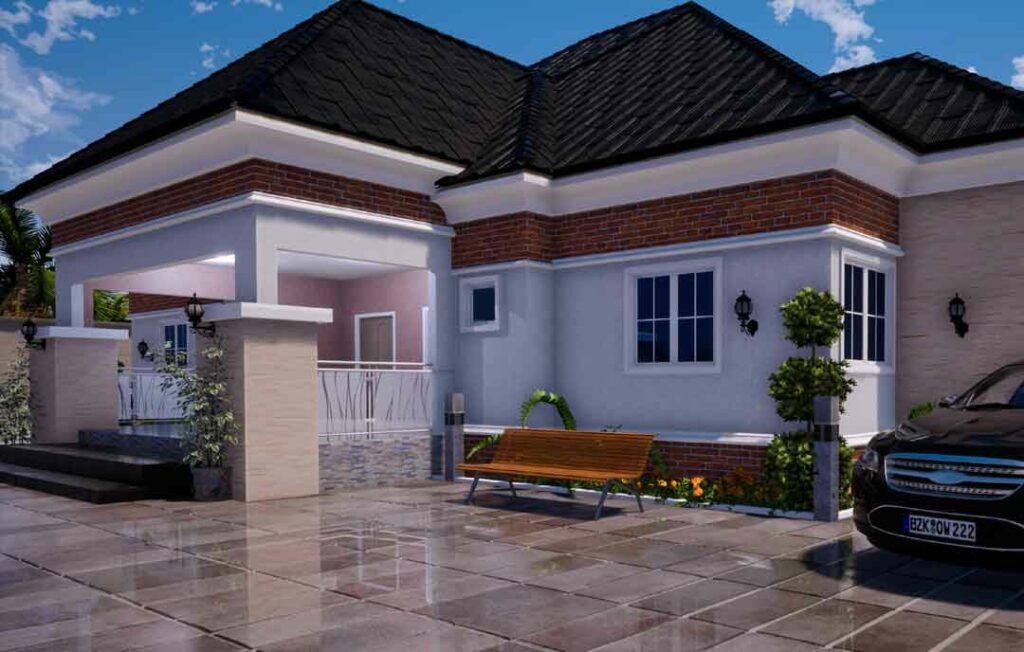

Bungalows are one of the most popular types of houses in Nigeria, offering a unique blend of comfort and simplicity. These single-story dwellings, typically characterized by their low-profile design and broad front porch, have become a staple in both urban and rural settings across the country.
A bungalow is a small, single-story house that originated in India but has since been adapted to suit various climates and cultures. In Nigeria, bungalows are known for their practical layout, which usually includes a living room, kitchen, bedrooms, and bathrooms all on one level. This design makes them particularly appealing to families with young children or elderly members, as it eliminates the need for stairs.
Features and Characteristics
- Low-pitched roof: Bungalows often feature a gently sloping roof, which helps with rainwater drainage and provides natural cooling.
- Wide front porch: A signature element of bungalows, the spacious porch serves as an extension of the living space and promotes outdoor relaxation.
- Open floor plan: Many modern bungalows incorporate an open concept design, allowing for better airflow and a sense of spaciousness.
- Large windows: To maximize natural light and ventilation, bungalows typically have numerous windows throughout the structure.
- Efficient use of space: Despite their compact size, bungalows are designed to maximize every square foot, often featuring built-in storage solutions and multifunctional areas.
Bungalows remain a popular choice among the various types of houses in Nigeria due to their affordability, ease of maintenance, and adaptability to different climates and lifestyles.
Duplex
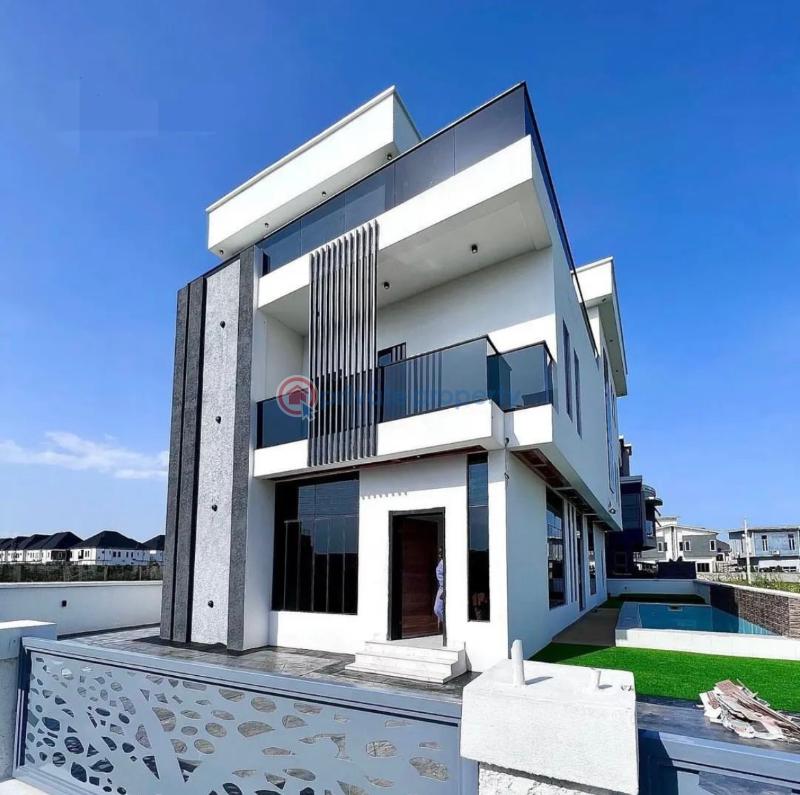

A duplex is one of the popular types of houses found in Nigeria’s urban areas. This two-story residential building typically consists of two separate living units, each with its own entrance. Duplexes offer a unique blend of privacy and community, making them an attractive option for families, investors, and renters alike.
Key Features of a Duplex
Duplexes are characterized by their distinctive layout and design. Here are some notable features:
- Two separate living units: Each unit is fully self-contained with its own kitchen, living areas, bedrooms, and bathrooms.
- Multiple floors: Typically two stories, with one unit on each floor.
- Separate entrances: Each unit has its own private entrance, ensuring privacy for occupants.
- Shared walls: The units are connected by a common wall, which helps in reducing construction costs.
- Shared outdoor spaces: Often includes a shared yard, parking area, or garden.
Duplexes offer several advantages that make them appealing to various demographics:
- Cost-effective housing: Sharing land and some structural elements reduces overall construction and maintenance costs.
- Rental income potential: Owners can live in one unit and rent out the other, offsetting mortgage payments.
- Multi-generational living: Ideal for extended families who want to live close while maintaining separate spaces.
- Energy efficiency: Shared walls can help reduce heating and cooling costs.
As one of the common types of houses in Nigeria, duplexes provide a versatile housing solution that combines privacy, affordability, and potential investment opportunities.
Semi-detached House
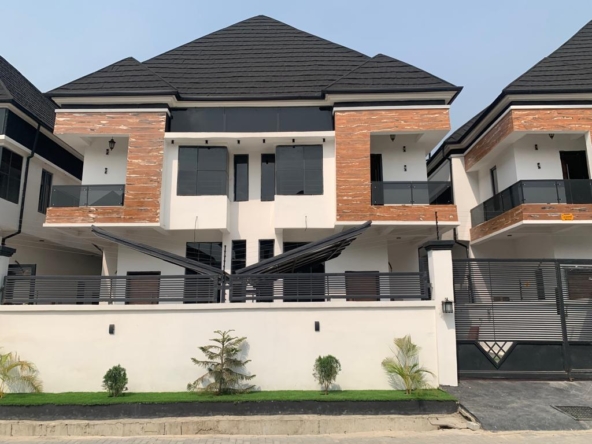

Semi-detached houses are one of the most common types of houses you’ll encounter in Nigeria’s urban and suburban areas. These dwellings are designed to maximize land use while providing homeowners with a sense of privacy and independence.
A semi-detached house is a single-family residential unit that shares one common wall with a neighboring unit. This architectural style creates two separate homes that are joined together on one side, forming a symmetrical structure when viewed from the street. Semi-detached houses are often mirror images of each other, with identical layouts reflected across the shared wall.
Features and Characteristics
- Shared Wall: The most distinctive feature of a semi-detached house is the common wall it shares with its neighboring unit. This wall is typically built to be sound-resistant and fire-resistant.
- Separate Entrances: Each unit has its own private entrance, usually facing the street.
- Individual Utilities: Despite sharing a wall, semi-detached houses have separate utility connections for electricity, water, and gas.
- Outdoor Space: Most semi-detached houses come with small front and back yards, providing homeowners with private outdoor areas.
- Cost-Effective: Semi-detached houses are often more affordable than detached homes, making them popular among first-time homebuyers and small families.
- Energy Efficiency: The shared wall can help reduce heating and cooling costs compared to standalone houses.
Semi-detached houses offer a balance between privacy and community living, making them a popular choice among the various types of houses available in Nigeria’s real estate market.
Traditional Houses
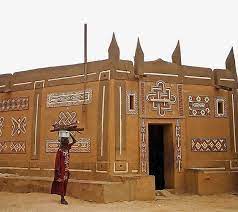

Traditional houses in Nigeria represent a rich architectural heritage that reflects the country’s diverse cultures and climates. These types of houses have been built and inhabited for generations, adapting to local environments and social structures.
Traditional houses in Nigeria are dwellings constructed using indigenous materials and techniques, typically designed to suit the specific needs of local communities. These structures often incorporate natural elements and are built to withstand the region’s climate conditions.
Features and Characteristics
- Materials: Mud, thatch, wood, and stone are commonly used.
- Design: Circular or rectangular layouts with courtyards are prevalent.
- Roofing: Thatched or mud roofs provide insulation and protection.
- Ventilation: Strategic openings allow for natural air circulation.
- Decoration: Intricate carvings and colorful patterns adorn walls and doors.
Examples of Traditional Houses
- Compound Houses: Found in Yoruba areas, these consist of multiple rooms arranged around a central courtyard. It is usually built with mud.
- Hausa Compounds: Characterized by thick mud walls and flat roofs, often with decorative elements.
- Traditional Igbo House: A central meeting house within a larger compound, serving as a gathering place for families. It is usually built with mud.
These traditional types of houses showcase the ingenuity of Nigerian architecture, blending form and function to create sustainable living spaces that have stood the test of time.
Apartments or Flats
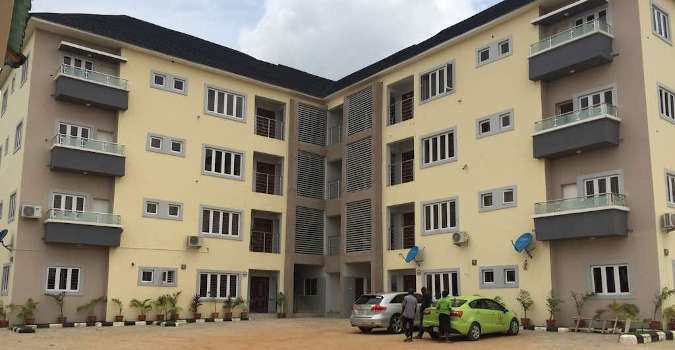
Apartments or flats are among the most common types of houses in Nigeria’s urban areas. These residential units are typically part of larger multi-story buildings, offering a compact and convenient living space for individuals, couples, or small families.
An apartment, also known as a flat, is a self-contained housing unit that occupies only part of a building. These units are usually stacked vertically in a single structure, with each apartment having its own entrance, living areas, kitchen, and bathroom facilities. In Nigeria, apartments can range from studio units to multi-bedroom configurations, catering to various lifestyle needs and preferences.
Key Features and Characteristics
- Space Efficiency: Apartments maximize living space in densely populated urban areas, making them ideal for city dwellers.
- Shared Amenities: Many apartment complexes offer shared facilities like parking, security, and recreational areas.
- Affordability: Compared to standalone houses, apartments often provide a more cost-effective housing option.
- Low Maintenance: Tenants typically have fewer maintenance responsibilities, as building upkeep is usually managed by landlords or property management companies.
- Community Living: Apartments foster a sense of community, with neighbors living in close proximity.
Apartments represent a significant portion of the types of houses available in Nigeria’s real estate market, offering a blend of convenience, affordability, and urban living.
Mansion
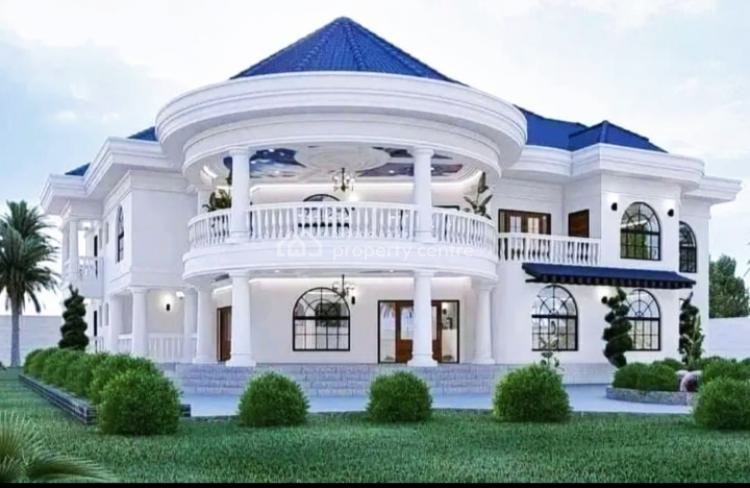

A mansion is one of the most luxurious types of houses you’ll find in Nigeria. These opulent residences are typically large, multi-story structures designed to showcase wealth and status. Mansions are characterized by their expansive floor plans, often exceeding 5,000 square feet, and their impressive architectural features.
Key Features and Characteristics
When exploring the various types of houses in Nigeria, mansions stand out for their grandeur. Here are some defining features:
- Expansive living spaces: Mansions boast numerous bedrooms, bathrooms, and living areas.
- High-end finishes: Expect premium materials like marble, hardwood, and custom cabinetry.
- Luxury amenities: Many mansions include swimming pools, home theaters, and wine cellars.
- Landscaped grounds: Extensive gardens, fountains, and manicured lawns often surround these properties.
Architectural Styles
Nigerian mansions often blend traditional and contemporary design elements. You might find:
- Colonial-inspired facades with imposing columns and symmetrical layouts
- Modern interpretations featuring sleek lines and large glass windows
- Fusion styles that incorporate local architectural motifs with international influences
These magnificent homes represent the pinnacle of residential architecture in Nigeria, offering unparalleled space, comfort, and prestige to their fortunate owners.
Maisonette
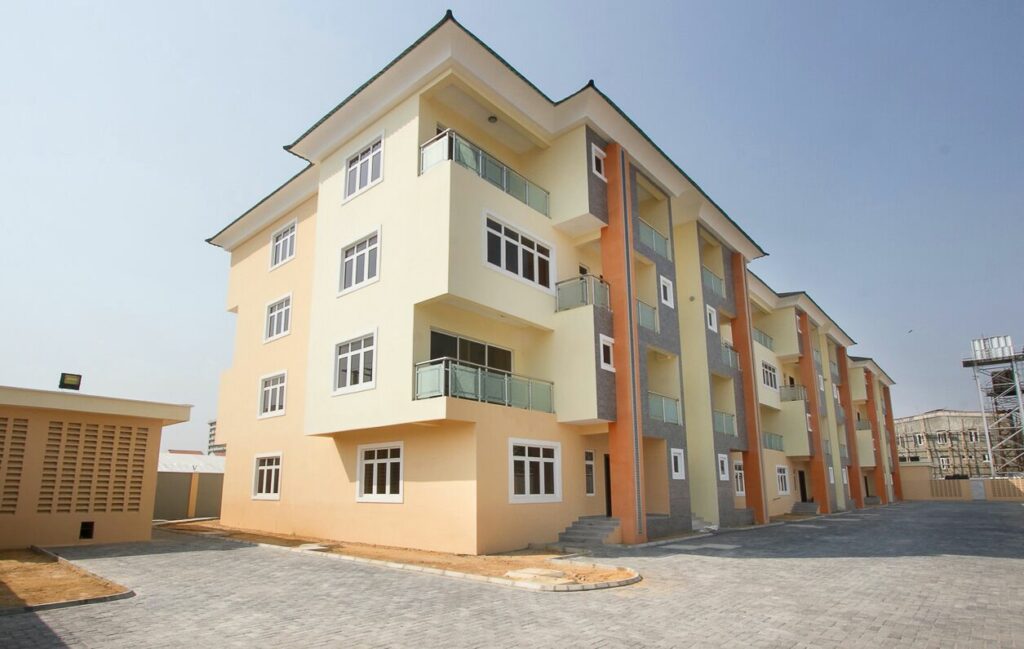

A maisonette is a unique type of house that combines elements of apartments and traditional homes, offering a distinctive living experience. This dwelling type is gaining popularity in Nigeria as urban areas expand and housing needs evolve.
A maisonette, derived from the French word for “little house,” is typically a two-story apartment within a larger building. It often features its own private entrance from the street, setting it apart from conventional apartments. This design provides a sense of independence and privacy, making it an attractive option for those seeking a balance between apartment living and standalone houses.
Key Features and Characteristics
Maisonettes boast several distinctive features that make them stand out among types of houses:
- Dual-level living: The two-story layout offers spatial separation between living areas and bedrooms.
- Private entrance: A street-level door provides direct access, enhancing privacy and convenience.
- Vertical layout: Stairs connect the two floors, maximizing space efficiency in urban settings.
- Outdoor space: Many maisonettes include small gardens, balconies, or terraces.
- Shared building amenities: Residents often have access to communal facilities like parking or laundry rooms.
These characteristics make maisonettes an appealing choice for young professionals, small families, or anyone desiring a home with apartment conveniences and house-like features. As urban development continues in Nigeria, maisonettes represent an innovative solution to modern housing needs, blending the best aspects of various dwelling types.
Townhouse

Townhouses are a popular type of housing in Nigeria, offering a unique blend of urban living and private space. These multi-story homes are typically attached to neighboring units, sharing one or more walls. Townhouses are an essential part of the diverse types of houses found in Nigerian cities and suburbs.
A townhouse is a multi-level residential building that is usually narrower and taller than a traditional single-family home. These structures are often built in rows, with each unit sharing side walls with adjacent properties. Townhouses typically feature a small front yard or patio area and may have a private backyard or garden space.
Key Features and Characteristics
- Vertical Living: Townhouses are designed with multiple floors, usually two to four stories high, maximizing living space on a smaller land footprint.
- Shared Walls: Units are connected to neighboring homes on one or both sides, creating a row-like appearance.
- Private Entrances: Each townhouse has its own separate entrance, providing a sense of individuality and privacy.
- Outdoor Spaces: Many townhouses include small front yards, balconies, or rear patios, offering residents a touch of nature in urban settings.
- Community Amenities: Townhouse developments often feature shared facilities such as parking areas, playgrounds, or green spaces.
- Lower Maintenance: Compared to single-family homes, townhouses typically require less upkeep, making them attractive to busy professionals and small families.
- Energy Efficiency: Shared walls can contribute to better insulation and reduced energy costs.
- Urban Locations: Townhouses are frequently found in city centers or developing suburban areas, providing easy access to amenities and transportation.
Townhouses can be a smart investment choice, especially for first-time homebuyers or those seeking a more affordable option in urban areas. They offer a balance between the benefits of homeownership and lower maintenance costs compared to single-family homes.
Frequently Asked Questions
These are some frequently asked questions and answers about the types of houses in Nigeria.
What is the most common type of house in Nigeria?
The most common type of house in Nigeria is the traditional compound house, also known as the “agbo ile” in Yoruba or “ezi” in Igbo. These houses are typically built around a central courtyard and consist of multiple rooms arranged in a rectangular or square layout.
What are the advantages of living in a flat or apartment in Nigeria?
Flats and apartments offer several advantages, including lower maintenance costs, access to shared amenities like swimming pools or gyms, and increased security. They are also a popular choice for urban dwellers due to their proximity to workplaces and city centers.
What are the typical construction materials used in Nigerian houses?
The most commonly used construction materials in Nigerian houses include mud bricks, concrete blocks, sandcrete, and corrugated iron sheets for roofing. However, more modern houses may also incorporate materials like glass, steel, and aluminum.
Are there any cultural or traditional influences on Nigerian housing design?
Absolutely. Nigerian housing design is heavily influenced by cultural and traditional factors. For example, the traditional compound houses are designed to accommodate extended families and promote communal living, reflecting the importance of family and community in Nigerian culture. Additionally, the use of locally sourced materials like mud and thatch reflects the country’s rich architectural heritage.
Conclusion
As you’ve seen, Nigeria offers a diverse array of housing options to suit various lifestyles and budgets. From traditional compounds to modern apartments, each type of dwelling reflects the country’s rich cultural heritage and evolving architectural landscape.
Understanding these common house types provides valuable insight into the nation’s living spaces. As Nigeria continues to develop, expect to see further innovations in housing design that blend traditional elements with contemporary needs. By familiarizing yourself with these prevalent housing styles, you’ll gain a deeper appreciation for Nigeria’s architectural diversity and the factors shaping its residential landscape.