


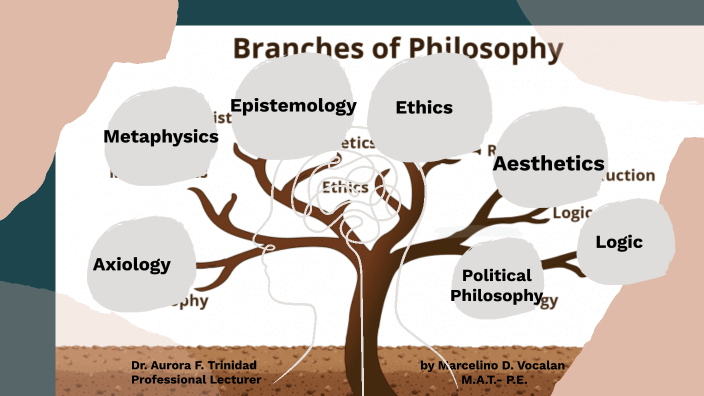
Have you ever pondered life’s big questions? If so, you’ve already dipped your toes into the vast ocean of philosophy. As you explore this discipline, you’ll discover it’s divided into several major branches, each tackling different aspects of human existence and knowledge. From questioning the nature of reality to examining moral principles, these branches offer unique lenses through which to view the world.
Understanding these core areas of philosophical inquiry can deepen your critical thinking skills and provide valuable insights into both academic discourse and everyday life. Let’s embark on a journey through the major branches of philosophy and uncover the fundamental questions that have intrigued thinkers for millennia.
What is Philosophy?
Philosophy, one of the most fundamental branches of human inquiry, is the systematic study of general and fundamental questions about existence, knowledge, values, reason, and the nature of reality. When exploring the branches of philosophy, it’s essential to first understand its core definition and purpose.
The word “philosophy” comes from the Greek words “philo” (love) and “sophia” (wisdom), literally meaning “love of wisdom.” This ancient discipline has been practiced for millennia, with roots tracing back to early civilizations in Greece, India, and China.
Scope and Purpose
Philosophy seeks to understand and explain the fundamental nature of our world and our place in it. It encourages critical thinking, logical reasoning, and the questioning of assumptions. The branches of philosophy cover a wide range of topics, from ethics and aesthetics to metaphysics and epistemology, each exploring different aspects of human experience and understanding.
By studying philosophy, we gain tools to analyze complex ideas, challenge conventional wisdom, and develop a deeper appreciation for the mysteries of existence.
Branches of Philosophy
Philosophy, the love of wisdom, is a vast field of inquiry that encompasses various fundamental questions about existence, knowledge, values, reason, and the nature of reality. The branches of philosophy provide a framework for organizing these diverse areas of study, allowing thinkers to delve deep into specific philosophical domains.
The major branches of philosophy include:
Metaphysics
Metaphysics, one of the fundamental branches of philosophy, delves into the nature of reality and existence itself. This branch explores profound questions about the fundamental structure of being and the world that transcends physical reality.
At its core, metaphysics grapples with understanding what truly exists. Philosophers in this field ponder whether reality is purely physical or if there are non-physical aspects to our universe. They explore concepts like the existence of God, the nature of consciousness, and the fundamental properties of space and time.
Another crucial area of metaphysics examines the relationship between cause and effect. This includes debates on determinism versus free will, questioning whether our actions are predetermined or if we have genuine choice. Such inquiries have far-reaching implications for our understanding of morality and personal responsibility.
By engaging with metaphysics, we confront the most basic assumptions about our world, challenging our perceptions and pushing the boundaries of human understanding. This branch of philosophy continues to influence fields ranging from physics to theology, shaping our comprehension of the universe and our place within it.
Epistemology
Epistemology explores the nature and limits of human knowledge. This fundamental discipline investigates how we acquire information and what constitutes justified belief versus mere opinion.
At its core, epistemology asks: How do we know what we know? Philosophers in this field grapple with questions of truth, belief, and justification. They examine the reliability of our senses, the role of reason, and the influence of experience in shaping our understanding of the world.
Key Concepts
Epistemologists often focus on several crucial areas:
- The definition and criteria of knowledge
- The sources and methods of acquiring knowledge
- The limits of human understanding
- The nature of truth and certainty
By delving into these topics, epistemology provides a framework for evaluating claims across all branches of philosophy and beyond. It underpins scientific inquiry, shapes educational practices, and influences how we approach complex problems in everyday life.
Ethics
Ethics explores the nature of morality and the principles that guide human behavior. This field delves into questions of right and wrong, good and evil, and the foundations of moral decision-making.
Moral Theories
Philosophers have developed various ethical frameworks to help us navigate complex moral dilemmas. Consequentialism, for instance, judges the morality of an action based on its outcomes. Deontology, on the other hand, focuses on the inherent rightness or wrongness of actions themselves, regardless of their consequences.
Applied Ethics
While theoretical ethics provides a foundation, applied ethics tackles real-world issues. This subfield addresses pressing moral questions in areas such as:
- Bioethics (e.g., genetic engineering, end-of-life care)
- Environmental ethics (e.g., climate change, animal rights)
- Business ethics (e.g., corporate social responsibility, fair trade)
By examining these practical dilemmas, ethicists help shape policies and guide decision-making in various sectors of society.
Logic
Logic is the systematic study of reasoning and argumentation. It provides the tools to evaluate the validity and soundness of arguments, helping us distinguish between correct and incorrect reasoning.
Formal and Informal Logic
Formal logic deals with the structure of arguments, using symbols and formulas to represent logical relationships. It includes propositional logic, which analyzes simple statements, and predicate logic, which examines more complex relationships between objects and their properties.
Informal logic, on the other hand, focuses on everyday reasoning and argumentation. It considers context, language, and real-world applications, making it particularly relevant in fields like critical thinking and rhetoric.
Applications of Logic
The principles of logic find applications across various disciplines. In mathematics, logic forms the foundation for proofs and theorems. Computer science relies heavily on logical reasoning for programming and algorithm design. Even in daily life, logical thinking helps in decision-making and problem-solving.
By studying logic, you can enhance your analytical skills, improve your ability to construct persuasive arguments, and develop a more critical approach to information evaluation, essential skills in our information-rich world.
Aesthetics
Aesthetics, one of the major branches of philosophy, explores the nature of beauty, art, and taste. This field delves into questions about what makes something beautiful or aesthetically pleasing, and how we perceive and appreciate art.
The Nature of Beauty
In aesthetics, philosophers ponder what constitutes beauty. Is it purely subjective, varying from person to person, or are there objective standards? This branch of philosophy examines how cultural, historical, and personal factors influence our perceptions of beauty in both natural and man-made objects.
Art and Its Interpretation
Aesthetics also grapples with the definition and purpose of art. It questions whether art should be judged solely on its aesthetic merits or if its social, political, or moral messages should be considered. This field explores various theories of art interpretation and criticism, helping us understand how we engage with and evaluate artistic works.
The Role of Taste
Another key aspect of aesthetics is the concept of taste. Philosophers in this branch examine how individual preferences develop and whether there’s such a thing as “good” or “bad” taste. They also investigate how societal norms and education influence our aesthetic judgments.
Political Philosophy
Political philosophy examines the nature of government, justice, rights, law, and the enforcement of a legal code by authority. It addresses fundamental questions about how society should be organized and governed.
The Social Contract
At the heart of political philosophy lies the concept of the social contract. This theory, developed by thinkers like Hobbes, Locke, and Rousseau, explores the relationship between individuals and the state. It posits that people consent to surrender some freedoms to the government in exchange for protection of their remaining rights.
Justice and Equality
Another key focus of political philosophy is the pursuit of justice and equality. Philosophers debate the fairness of various political systems and economic distributions. They grapple with questions of individual liberty versus collective good, and how to balance competing rights and interests in a diverse society.
By engaging with these fundamental questions, political philosophy continues to shape our understanding of governance and social organization, influencing policy decisions and political discourse around the world.
Existentialism
Existentialism emerged in the 20th century as a response to the absurdity and meaninglessness of human existence. This school of thought emphasizes individual freedom, responsibility, and the search for authentic meaning in life.
At the core of existentialist philosophy is the belief that existence precedes essence. This means that humans are born without a predetermined purpose and must create their own meaning through their choices and actions. Existentialists argue that we are fundamentally free to shape our lives, but this freedom comes with the burden of responsibility.
Notable Thinkers
Several prominent philosophers have contributed to the development of existentialism. Jean-Paul Sartre, considered a key figure in the philosophy of existentialism, famously declared, “We are condemned to be free.” Other influential existentialist thinkers include Albert Camus, Simone de Beauvoir, and Martin Heidegger, each offering unique perspectives on human existence and the quest for meaning in an often chaotic world.
Axiology
Axiology delves into the nature of value and value judgments. The word comes from the Greek words axía, which means “worth, value”, and logos, which means “study”. This field explores fundamental questions about what is truly valuable or worthwhile in life, encompassing both ethics and aesthetics.
Ethics
Ethics, a crucial component of axiology, examines moral values and principles. It investigates what constitutes right and wrong behavior, and how we should live our lives. Philosophers in this domain grapple with questions of justice, virtue, and the foundations of moral reasoning.
Aesthetics
Aesthetics, the other primary branch of axiology, focuses on the nature of beauty, art, and taste. It explores our perceptions of beauty in nature and human-made creations, as well as the principles underlying artistic criticism and appreciation.
By studying axiology, we gain insights into the values that shape our decisions, societies, and cultures. This branch of philosophy helps us understand the complex interplay between our ethical beliefs and aesthetic judgments, ultimately informing our understanding of what makes life meaningful and worthwhile.
Philosophy of Science
The philosophy of science examines the foundations, methods, and implications of scientific inquiry. This field explores how scientific knowledge is developed, validated, and applied to our understanding of the world.
Scientific Method and Reasoning
At the core of the philosophy of science is the analysis of the scientific method. This includes studying inductive and deductive reasoning, hypothesis formation, and the role of empirical evidence in confirming or refuting theories. Philosophers in this branch also investigate the logic behind scientific explanations and predictions.
Nature of Scientific Truth
Another key focus is the nature of scientific truth and objectivity. This involves questioning whether scientific theories represent reality accurately or are merely useful models. Philosophers debate the extent to which social, cultural, and personal biases influence scientific research and interpretation of results.
Scientific Progress and Paradigm Shifts
The philosophy of science also explores how scientific knowledge evolves over time. This includes examining the concept of scientific revolutions, as proposed by Thomas Kuhn, where established paradigms are replaced by new ones that better explain observed phenomena.
Philosophy of Language
The philosophy of language explores the nature and function of human communication. This field examines how words and sentences convey meaning, and how language shapes our understanding of reality.
Meaning and Reference
Philosophers in this branch investigate how words relate to the objects or concepts they represent. They ponder questions like: How do proper names refer to individuals? What gives a word its meaning? These inquiries delve into the complex relationship between language, thought, and the world around us.
Language and Truth
Another crucial aspect of the philosophy of language is the connection between linguistic expressions and truth. Scholars in this field analyze how we use language to make true or false statements about the world. They explore concepts like truth conditions, presuppositions, and the role of context in determining meaning.
Language and Mind
The philosophy of language also intersects with cognitive science and psychology, examining how language relates to mental processes. Researchers investigate whether language influences thought or vice versa, and how our linguistic abilities shape our cognitive capacities.
Philosophy of Religion
The philosophy of religion explores fundamental questions about the nature of religious belief, the existence of God, and the relationship between faith and reason. This field examines the philosophical implications of religious doctrines and practices across various traditions.
Existence of God
Philosophers in this branch grapple with arguments for and against the existence of a supreme being. They analyze classic proofs like the ontological and cosmological arguments, as well as modern approaches to theism and atheism.
Religious Experience
This area investigates the nature and validity of religious experiences. Scholars examine whether such experiences provide genuine insight into spiritual realities or can be explained through psychological or neurological means.
Faith and Reason
A central concern in the philosophy of religion is the relationship between faith and rational inquiry. Thinkers explore whether religious beliefs can be justified through reason alone or if faith transcends logical analysis.
By engaging with these profound questions, the philosophy of religion continues to shape our understanding of belief, spirituality, and the human quest for meaning in the universe.
Philosophy of Mind
The philosophy of mind is one of the most fascinating branches of philosophy, exploring the nature of consciousness, thought, and the relationship between the mind and body. This field grapples with fundamental questions about human existence and our understanding of reality.
The Mind-Body Problem
At the core of this branch lies the mind-body problem, a central issue in the philosophy of mind. This conundrum asks how the physical brain gives rise to subjective experiences and mental states. Philosophers have proposed various theories to explain this relationship, from dualism to materialism, each offering unique perspectives on the nature of consciousness.
Artificial Intelligence and Consciousness
As technology advances, the philosophy of mind increasingly intersects with the field of artificial intelligence. This convergence raises profound questions about the nature of intelligence, consciousness, and what it means to be human. Philosophers in this branch examine whether machines can truly think or possess consciousness, challenging our understanding of cognition and sentience.
By exploring these complex issues, the philosophy of mind continues to shape our understanding of human nature and our place in the universe.
These branches of philosophy form the foundation for philosophical discourse, each addressing distinct yet interconnected aspects of human thought and experience. By exploring these branches, we gain a comprehensive understanding of the philosophical landscape and the tools to critically examine the world around us.
Frequently Asked Questions
These are some frequently asked questions and answers about the Branches of Philosophy.
What is the difference between ethics and morality?
Ethics and morality are closely related but distinct concepts. Ethics refers to the philosophical study of morality, examining the principles and theories that define right and wrong behavior. Morality, on the other hand, refers to the specific codes of conduct, values, and beliefs that guide an individual’s or society’s understanding of what is ethical or unethical. While ethics provides a framework for analyzing moral issues, morality is the practical application of those principles in real-life situations.
Why is logic important in philosophy?
Logic plays a crucial role in philosophy as it provides the rules and methods for constructing valid arguments and drawing sound conclusions. Philosophers rely on logical reasoning to analyze complex ideas, identify flaws in reasoning, and develop coherent and consistent theories. Logic helps ensure that philosophical arguments are well-structured, free from contradictions, and based on valid premises, allowing for more rigorous and persuasive philosophical discourse.
What is the value of studying philosophy?
Studying philosophy cultivates invaluable skills in critical thinking, analysis, and effective communication. It challenges us to question assumptions, consider alternative perspectives, and develop well-reasoned arguments. These abilities are highly transferable and beneficial in various professional and personal contexts, from problem-solving to ethical decision-making.
Is philosophy still relevant in today’s world?
Absolutely. Philosophy remains profoundly relevant in our rapidly changing world, offering timeless wisdom and frameworks for navigating complex moral, social, and existential issues. As we grapple with technological advancements, environmental concerns, and evolving societal norms, philosophical inquiry provides a vital foundation for understanding and addressing these challenges.
How can I apply philosophical concepts to my daily life?
Philosophical concepts can be applied to virtually every aspect of our lives, from interpersonal relationships to career choices and personal growth. For example, ethical frameworks from moral philosophy can guide our decision-making and help us navigate moral dilemmas. Epistemological concepts can enhance our ability to evaluate information critically and avoid biases. Ultimately, embracing philosophical principles can lead to a more mindful, reflective, and fulfilling life.
Can philosophy provide definitive answers to life’s big questions?
While philosophy may not offer definitive answers to every existential or metaphysical question, its true value lies in the process of inquiry itself. By rigorously examining diverse perspectives and engaging in reasoned discourse, philosophy cultivates intellectual humility and a deeper understanding of the complexities inherent in life’s most profound questions. This process of exploration and contemplation can be deeply enriching and transformative, even when definitive answers remain elusive.
Conclusion
As you’ve explored the major branches of philosophy, you’ve gained insight into the fundamental questions that have captivated thinkers for millennia. From metaphysics to ethics, epistemology to aesthetics, each branch offers a unique lens through which to examine existence, knowledge, and human nature.
By understanding these core philosophical domains, you’re better equipped to engage in critical thinking and tackle complex issues in your personal and professional life. While the questions posed by philosophy may not always have definitive answers, the process of grappling with them can profoundly shape your worldview and decision-making. Continue to explore these branches, and you’ll find that philosophy’s relevance extends far beyond academia into every aspect of the human experience.