


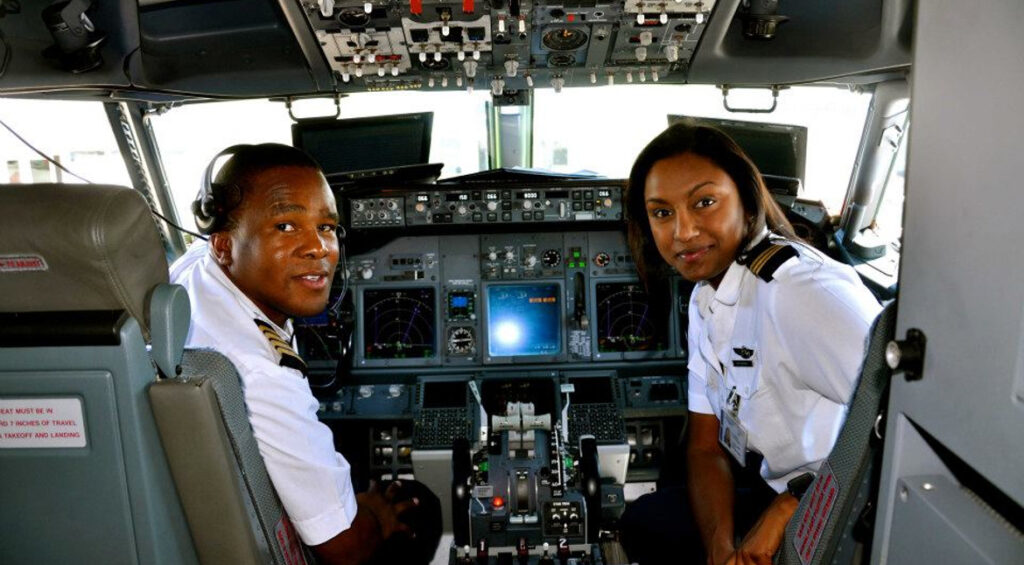
As you navigate the complex world of aviation in Nigeria, you may wonder about the organization overseeing the industry’s safety and regulations.
The Nigeria Civil Aviation Authority (NCAA) is the regulatory body responsible for ensuring the smooth operation of civil aviation in the country. Understanding the NCAA’s functions is crucial whether you’re a passenger, aviation professional, or simply curious about air travel safety.
In this article, you’ll discover the key roles and responsibilities of the Nigeria Civil Aviation Authority (NCAA), from certifying aircraft and personnel to enforcing safety standards and investigating incidents. Gain insight into how this vital authority works to maintain a secure and efficient aviation sector in Africa’s most populous nation.
About the Nigerian Civil Aviation Authority
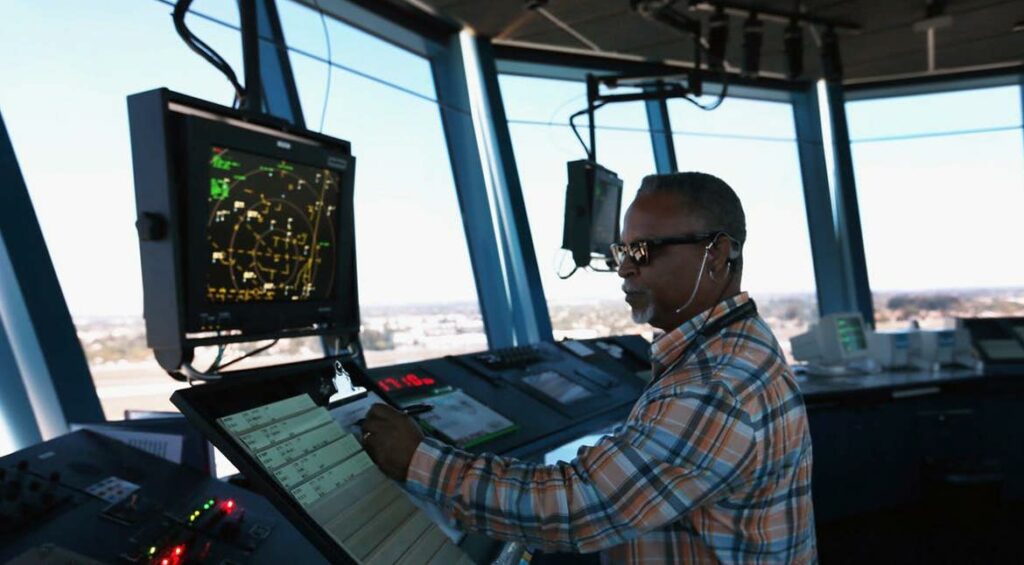
The Nigerian Civil Aviation Authority (NCAA) is the regulatory body overseeing all aspects of aviation safety and security in Nigeria. As the watchdog of the skies, this organization plays a crucial role in ensuring that air travel within and from Nigeria meets international standards.
The Nigerian Civil Aviation Authority operates under the Ministry of Aviation. It’s led by a Director-General and supported by various departments, each focusing on specific aspects of aviation regulation. These departments work together to create a comprehensive safety net for air travelers.
When you book a flight in Nigeria, you can thank the NCAA for the peace of mind you enjoy. Their behind-the-scenes work ensures that the planes you board are airworthy, the crew is well-trained, and the airports meet safety standards. By maintaining high standards, the NCAA also helps boost Nigeria’s reputation in the global aviation community.
History of the Nigerian Civil Aviation Authority
The Nigerian Civil Aviation Authority (NCAA) has a rich history that spans several decades. You might be surprised to learn that its roots can be traced back to when Nigeria was still under British colonial rule. At that time, aviation oversight was handled by the British authorities.

The British colonial government established the Department of Civil Aviation in 1930 to oversee aviation activities in Nigeria. After World War II, the department expanded to accommodate the growth of air transportation in the country.
Post-Independence Era
After Nigeria gained independence in 1960, the country recognized the need for its own aviation regulatory body. This led to the establishment of the Department of Civil Aviation in 1969, which was the precursor to the NCAA we know today.
Transformation into NCAA
In 1999, a significant shift occurred when the Nigerian Civil Aviation Authority was officially established through the Civil Aviation Act. This move was part of a broader effort to modernize Nigeria’s aviation sector and align it with international standards.
Evolving Responsibilities
Over the years, the NCAA’s role has expanded considerably. Today, it’s not just about regulating air travel, it’s about ensuring safety, promoting efficiency, and fostering growth in Nigeria’s aviation industry. From overseeing aircraft maintenance to licensing pilots, the NCAA plays a crucial part in keeping Nigeria’s skies safe and its aviation sector competitive on the global stage.
Key Functions of the Nigerian Civil Aviation Authority (NCAA)
The Nigerian Civil Aviation Authority (NCAA) plays a crucial role in maintaining safety and efficiency in the country’s aviation sector. As the regulatory body overseeing civil aviation operations, the NCAA has a wide range of responsibilities that keep our skies safe and our air travel smooth.
Regulation of Safety of Aircraft Operations, Air Navigation and Aerodrome Operations
When it comes to keeping Nigerian skies safe, the Nigerian Civil Aviation Authority (NCAA) plays a crucial role. This regulatory body is responsible for overseeing various aspects of aviation safety, ensuring that every flight you take is as secure as possible.
Aircraft Operations
The NCAA meticulously monitors how airlines and aircraft operators conduct their business. They set stringent standards for aircraft maintenance, pilot training, and operational procedures. This means that when you board a plane in Nigeria, you can trust that it’s been thoroughly inspected and is operated by qualified professionals.
Air Navigation
Ever wondered how planes navigate the vast Nigerian airspace? The NCAA regulates air traffic control systems and procedures, making sure that aircraft can safely travel from point A to point B. They work tirelessly to prevent collisions and maintain orderly air traffic flow, so you can sit back and enjoy your flight without worry.
Aerodrome Operations
The Nigerian Civil Aviation Authority oversees airport operations, ensuring that runways are well-maintained, emergency services are ready, and security measures are up to par. From the moment you step into the airport until you’re safely in the air, the NCAA is working behind the scenes to keep you safe.
By maintaining high standards in these areas, the NCAA helps create a robust and reliable aviation ecosystem in Nigeria, fostering confidence in air travel for both domestic and international passengers.
Monitoring of Aircraft Operating Environment For Safety and Security
As a traveler, you might wonder how the Nigerian Civil Aviation Authority ensures your safety when you’re up in the air. Well, they’ve got their eyes on the skies, and everywhere else planes might go.
Keeping an eye on the skies
The Nigerian Civil Aviation Authority constantly monitors weather conditions, air traffic, and potential hazards that could affect flights. They’re like the watchful guardians of the airways, making sure pilots have the most up-to-date information to navigate safely.
It’s not just about what’s happening in the air. The Nigerian Civil Aviation Authority also keeps tabs on airport facilities, runways, and ground operations. They’re checking everything from runway conditions to wildlife activity near airports. Yes, even birds can pose a safety risk!
Security checks and balances
In today’s world, security is a top priority. The Nigerian Civil Aviation Authority works tirelessly to implement and oversee security measures at airports. They’re constantly evaluating and updating procedures to stay ahead of potential threats.
By keeping a watchful eye on all aspects of the flying environment, the Nigerian Civil Aviation Authority helps ensure that your journey from takeoff to touchdown is as safe and secure as possible.
Balancing the Economic Interest of Operators, Users of Aviation Services as well as the General Public
The Nigerian Civil Aviation Authority plays a crucial role in maintaining a delicate balance between various stakeholders in the aviation industry. You might wonder how they manage to juggle so many different interests. Well, let’s break it down.
The NCAA understands that airlines and other aviation operators need to turn a profit. They work to create regulations that allow for healthy competition and growth in the industry. This might include policies on route allocation, pricing structures, and operational guidelines that promote efficiency.
On the flip side, the Nigerian Civil Aviation Authority also looks out for you, the traveler. They enforce passenger rights, ensuring that you’re treated fairly when it comes to flight delays, cancellations, or overbooking. They also set safety standards to keep you secure in the skies.
But it’s not just about individual players. The NCAA also considers the bigger picture. They implement policies that boost Nigeria’s aviation sector as a whole, attracting foreign investment and promoting tourism. This careful balancing act helps ensure that the industry thrives while serving the needs of all stakeholders.
Regulating of Methods of Entry and Conduct of Air Transport Business
The Nigerian Civil Aviation Authority plays a crucial role in keeping things running smoothly and safely.
The Nigerian Civil Aviation Authority is responsible for establishing and enforcing regulations for air transport businesses. This means they determine who can enter the industry and how they should operate. Think of them as the gatekeepers of Nigerian airspace, ensuring that only qualified operators are allowed to take to the skies.
Before an airline can start ferrying passengers or cargo, they need to get the green light from the Nigerian Civil Aviation Authority. This involves a rigorous process of checks and balances to ensure that the company meets all necessary safety and operational standards. It’s like getting a driver’s license, but for running an entire airline!
The Authority’s job doesn’t end once an airline is up and running. They continuously monitor air transport businesses to make sure they’re sticking to the rules. This includes regular inspections, audits, and reviews of operational practices. It’s all about maintaining a high level of safety and efficiency in Nigerian aviation.
Developing Nigerian Aviation Policies and Standards
As the regulatory body for civil aviation in Nigeria, the Nigerian Civil Aviation Authority plays a crucial role in shaping the country’s aviation landscape.
The Nigerian Civil Aviation Authority is responsible for creating and maintaining the standards that keep our skies safe. They develop comprehensive policies that cover everything from aircraft maintenance to pilot training. These guidelines ensure that all aviation operations in Nigeria meet international safety benchmarks.

Aviation technology and practices are constantly evolving, and the Nigerian Civil Aviation Authority works hard to keep up. They regularly review and update their policies to reflect the latest advancements in the industry. This proactive approach helps Nigeria’s aviation sector remain competitive on the global stage.
The Nigerian Civil Aviation Authority doesn’t work in isolation. They collaborate closely with international aviation organizations, other government agencies, and industry stakeholders. This teamwork approach ensures that Nigerian aviation policies are both practical and effective, balancing safety concerns with the needs of the industry.
By developing robust policies and standards, the Nigerian Civil Aviation Authority helps create a solid foundation for a thriving and safe aviation sector in Nigeria.
Licensing and Certification for Aviation Professionals
The Nigerian Civil Aviation Authority plays a crucial role in maintaining high standards within the aviation industry through its licensing and certification programs. These programs ensure that all aviation professionals meet the necessary qualifications and expertise to perform their duties safely and effectively.
Types of Licenses and Certifications
The Nigerian Civil Aviation Authority issues various licenses and certifications, including:
- Pilot licenses (private, commercial, and airline transport)
- Aircraft maintenance engineer licenses
- Air traffic controller licenses
- Flight dispatcher certifications
- Cabin crew certifications
Application Process
To obtain a license or certification from the Nigerian Civil Aviation Authority, applicants must:
- Meet age and educational requirements
- Complete required training programs
- Pass written exams and practical tests
- Undergo medical examinations (for certain roles)
- Submit necessary documentation and fees
Maintaining Certifications
Once licensed, aviation professionals must regularly renew their certifications. This process often involves:
- Completing continuing education courses
- Demonstrating ongoing practical experience
- Passing periodic proficiency checks
By maintaining strict licensing and certification standards, the Nigerian Civil Aviation Authority ensures the safety and efficiency of the country’s aviation sector.
Advising the Ministry on Policy Formulation on Aviation Related Matters
The Nigerian Civil Aviation Authority plays a crucial role in shaping the country’s aviation landscape. As the regulatory body, it’s not just about enforcing rules, it’s about guiding the entire industry towards a safer, more efficient future.
You might wonder how the Nigerian Civil Aviation Authority stays on top of the ever-changing aviation world. Well, they’re constantly in touch with airlines, airports, and other stakeholders. This firsthand knowledge is invaluable when it comes to advising the Ministry on policy matters. They analyze trends, study international best practices, and consider the unique challenges of Nigerian aviation. This expertise is then translated into policy recommendations that can shape the future of air travel in the country.
It’s a delicate dance between encouraging growth and maintaining strict safety standards. The Nigerian Civil Aviation Authority advises on policies that strike this balance, ensuring that Nigeria’s aviation sector can thrive without compromising on passenger safety.
Facilitating Take Off and Operation of ETicketing and Billing Settlement Plan (BSP)
The Nigerian Civil Aviation Authority plays a crucial role in modernizing the country’s aviation sector, particularly in the realm of ticketing and billing. By facilitating the implementation of electronic ticketing (E-Ticketing) and the Billing Settlement Plan (BSP), the Authority has streamlined processes for both airlines and passengers.
Revolutionizing Ticket Purchases
E-Ticketing has transformed how travelers book and manage their flights. The Nigerian Civil Aviation Authority has been instrumental in:
- Encouraging airlines to adopt E-Ticketing systems
- Setting standards for secure online transactions
- Ensuring passenger data protection
This shift has made air travel more accessible and convenient for Nigerians, reducing paper waste and minimizing errors in the booking process.
Streamlining Financial Transactions
The Billing Settlement Plan (BSP) is another initiative supported by the Nigerian Civil Aviation Authority. This system simplifies the complex financial relationships between airlines, travel agents, and passengers. Benefits include:
- Faster processing of payments
- Reduced administrative costs for airlines
- Improved cash flow management
By overseeing the implementation of BSP, the Authority has helped create a more efficient and transparent aviation marketplace. This has not only benefited industry stakeholders but also enhanced the overall flying experience for passengers across Nigeria.
Frequently Asked Questions
These are some frequently asked questions and answers about the Nigerian Civil Aviation Authority (NCAA).
What are the main responsibilities of the NCAA?
The Nigerian Civil Aviation Authority is tasked with several key functions:
- Licensing and certification of aviation personnel and aircraft
- Oversight of airlines and airports
- Enforcement of safety regulations
- Investigation of aviation incidents and accidents
- Development of aviation policies and standards
How does the NCAA contribute to air travel safety?
The Nigerian Civil Aviation Authority plays a crucial role in maintaining air travel safety by:
- Conducting regular safety audits and inspections
- Implementing and enforcing strict safety protocols
- Providing training and guidance to aviation professionals
- Monitoring weather conditions and issuing alerts
- Collaborating with international aviation organizations to adopt best practices
Where can I find more information about the NCAA?
For the most up-to-date information on regulations, policies, and services provided by the Nigerian Civil Aviation Authority, visit their official website or contact their public relations office directly.
Conclusion
In conclusion, the Nigeria Civil Aviation Authority plays a vital role in ensuring the safety, efficiency, and development of civil aviation in Nigeria.
As you’ve learned, its functions span from regulatory oversight and licensing to policy implementation and international cooperation. By diligently carrying out these responsibilities, the NCAA contributes significantly to Nigeria’s aviation sector and overall economic growth.
Understanding the NCAA’s role is crucial for stakeholders in the aviation industry and the general public alike. As air travel continues to evolve, the NCAA’s importance in maintaining high standards and fostering innovation in Nigerian civil aviation cannot be overstated. Its ongoing efforts will undoubtedly shape the future of air transportation in the country.