


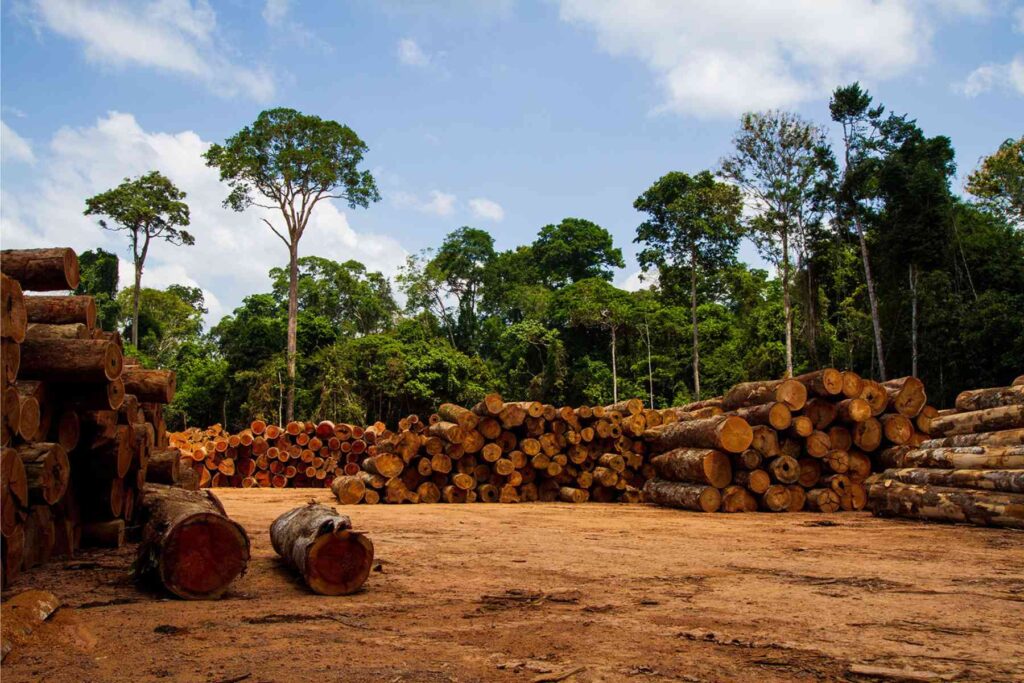
Rainforests are the most vibrant ecosystems on Earth, covering only 6% of the planet’s surface, but are home to an incredible 80% of the world’s terrestrial biodiversity. These magnificent forests are not just beautiful landscapes but crucial systems sustaining our planet.
Unfortunately, we are currently losing these precious ecosystems at an alarming rate. Deforestation and human activities are causing us to lose rainforest area equivalent to 40 football fields every minute. This destruction poses a threat not only to countless species but also to the stability of our global climate.
This article will explore why rainforests are irreplaceable treasures requiring immediate attention and protection. From their role in regulating the climate to supporting indigenous communities, these forests hold secrets and solutions that are vital for the future of our planet.
Join us as we look into 7 compelling reasons why protecting our rainforests is not just an environmental issue but a matter of survival for all life on Earth.
1. Biodiversity Hotspots
Tropical rainforests are Earth’s most vibrant living libraries, home to 80% of the world’s terrestrial species. Within their dense canopies and forest floors, these ecosystems teem with life at every level – from microscopic organisms to towering trees reaching 200 feet.
Borneo’s Rainforests: A Prime Example
Borneo’s rainforests stand as prime examples of this incredible biodiversity:
- Over 15,000 plant species
- 222 mammal species
- 420 bird species
- 440 freshwater fish species
- Countless insects and microorganisms
The iconic orangutan is Borneo’s flagship species, showcasing the unique evolutionary adaptations that develop in these rich environments. These great apes craft sophisticated tools, build elaborate nests, and play a crucial role in seed dispersal throughout the forest.
The Impact of Habitat Loss
Habitat loss poses catastrophic threats to this delicate web of life. When sections of rainforest disappear, the impact ripples through the entire ecosystem:
- Species lose their homes and food sources
- Breeding patterns get disrupted
- Critical plant-animal interactions break down
- Local extinctions occur
- Genetic diversity diminishes
Each lost acre of rainforest takes with it potentially undiscovered species. Scientists estimate that we lose 137 species of plants, animals, and insects daily due to rainforest deforestation. This rapid extinction rate means many species vanish before we even document their existence.
The Importance of Preserving Biodiversity Hotspots
The preservation of these biodiversity hotspots proves essential for maintaining healthy ecosystems. Each species plays a unique role – from pollination to pest control and soil fertility to water purification. When we protect rainforests, we safeguard these intricate relationships that have evolved over millions of years.
2. Climate Change Mitigation
Rainforests are crucial for regulating the Earth’s climate. They act as natural carbon sinks, absorbing large amounts of carbon dioxide (CO2) and helping to maintain a stable temperature on our planet. These ecosystems are estimated to store approximately 289 gigatons of carbon in their trees and vegetation, equivalent to 33 years’ worth of human carbon emissions.
The Impact of Deforestation
When forests are destroyed through deforestation, either by clearing or burning, the stored carbon is released back into the atmosphere as CO2. This disruption of the natural balance has significant consequences for our climate. Current data shows that deforestation is responsible for up to 20% of global carbon emissions, surpassing the impact of the entire transportation sector.
The Importance of Borneo’s Peatland Forests
Borneo’s peatland forests play a particularly critical role in storing carbon:
- A single hectare of peatland can hold up to 3,000 tons of carbon
- These forests sequester 30% more carbon compared to regular tropical forests
- Indonesia’s peatlands contain approximately 57 gigatons of carbon
The destruction of these carbon-rich ecosystems has far-reaching effects:
- Released carbon contributes to global warming
- Decreased forest cover reduces nature’s ability to absorb CO2
- Loss of vegetation disrupts local temperature regulation
The Potential for Climate Mitigation
Recent studies suggest that protecting and restoring rainforests could provide up to 30% of the climate mitigation required to meet the goals set by the Paris Agreement. Specifically in Borneo, safeguarding peatland forests prevents the release of substantial carbon stores while preserving natural cooling mechanisms.
The Urgency of Action
Immediate action must be taken to combat climate change effectively to protect these invaluable carbon sinks. Each preserved hectare of rainforest keeps tons of carbon securely stored away from our atmosphere, making forest conservation one of our most powerful strategies for mitigating climate change.
3. Regulation of Water Cycles
Rainforests are crucial in managing water systems, influencing both local and global water cycles. They achieve this through transpiration, where trees release large amounts of water vapour into the atmosphere. A single mature tree can release up to 100 gallons of water per day through its leaves.
The Fascinating Cycle of Water Movement
Here’s how the water cycle works in rainforests:
- Water vapour rises from the forest canopies
- Moisture condenses to form clouds above the rainforest
- Rain falls back down to nourish the ecosystem
- The cycle continues indefinitely
The Far-Reaching Impact of Rainforests
The effects of rainforests extend far beyond their boundaries. Scientists have discovered that these lush ecosystems generate “flying rivers” – massive air currents transporting moisture across continents. These atmospheric rivers can carry more water than even the mighty Amazon River.
The Consequences of Deforestation on Water Cycles
When deforestation occurs, it disrupts these fragile water cycles with serious consequences:
- Reduced Rainfall: Areas experiencing deforestation may see up to 30% less precipitation
- Soil Degradation: Decreased moisture levels lead to harder, less fertile soil
- Agricultural Impact: Crop yields decline due to irregular rainfall patterns caused by deforestation
- Water Scarcity: Communities face increased risks of drought as a result of disrupted water cycles
The Link Between Rainforests and Food Security
The connection between rainforests and food security is particularly significant. Agricultural regions located thousands of miles away from rainforests rely on rainfall forests generate for their crop production. Research has shown that deforestation in the Amazon directly affects grain production in Argentina’s breadbasket region.
Maintaining Climate Balance Through Water Cycles
These water cycles also play a crucial role in maintaining temperature balance. As water moves through the forest ecosystem, it creates cooling effects that help regulate both local and regional climates. This natural air conditioning system becomes increasingly important as global temperatures rise.
4. Provision of Clean Air
Rainforests are often called the “lungs of the planet” because they play a crucial role in maintaining the air quality on Earth. Through photosynthesis, these expansive forests act as natural air purifiers, absorbing harmful pollutants and converting carbon dioxide into oxygen.
The Oxygen Contribution of Rainforests
A single mature tree can produce enough oxygen to sustain two human beings. When we look at rainforests as a whole, they are responsible for generating approximately 20% of the world’s oxygen supply.
How Rainforests Filter Air Pollutants
The intricate structure of rainforests, with its multiple layers of foliage, allows for effective filtration of various airborne pollutants. This filtration process removes:
- Particulate matter
- Ground-level ozone
- Carbon monoxide
- Sulfur dioxide
- Other harmful substances present in the air
The Impact on Surrounding Areas
Studies have shown that areas adjacent to rainforests enjoy significantly better air quality than deforested regions. This is primarily due to these lush ecosystems acting as natural barriers against pollution.
Benefits Beyond Humans
Clean air is not only beneficial for humans but also for countless species that inhabit forest ecosystems. For instance, birds depend on clear air currents for their migratory journeys, while insects require specific atmospheric conditions for survival. The overall health and balance of an ecosystem are directly influenced by the quality of the air it breathes.
Urban Areas and Rainforest Proximity
Cities located near rainforests have been observed to experience measurable improvements in their air quality. One such example is Manaus in Brazil, which benefits from the Amazon rainforest’s natural ability to filter out pollutants. As a result, this city records lower levels of air pollution than other similar-sized cities situated in deforested areas.
The Consequences of Deforestation
When rainforests are destroyed, this natural air purifying mechanism is disrupted. Each hectare (2.47 acres) of lost forest diminishes our planet’s capacity to filter out harmful pollutants from the atmosphere. This ripple effect on global air quality, exacerbating existing pollution problems.
Protecting Rainforests for Clean Air
By safeguarding these vital ecosystems, we can ensure a continued supply of clean air for human communities and wildlife populations. We must take action now to protect our rainforests and preserve their invaluable contribution towards maintaining a healthy planet.
5. Support for Local Communities
The rainforests are essential for the survival of millions of indigenous peoples worldwide. These communities have built complex relationships with their forest homes over many generations, developing sustainable lifestyles that rely on forest resources.
Cultural Heritage and Traditional Knowledge
- Sacred sites within forests hold deep spiritual significance
- Traditional ceremonies and rituals connected to forest cycles
- Ancestral knowledge passed down through generations about medicinal plants, sustainable hunting, and forest management
Economic Dependency
Forest products provide primary income sources through:
- Sustainable harvesting of fruits and nuts
- Collection of natural materials for crafts
- Small-scale timber operations
- Traditional hunting and fishing practices
Deforestation poses a threat to these established ways of life. When companies clear forests for plantations or mining activities, Indigenous communities face:
- Forced displacement from ancestral territories
- Loss of traditional food sources
- Destruction of sacred cultural sites
- Breakdown of community structures
- Increased poverty and food insecurity
Rights and Recognition
Indigenous peoples have proven to be exceptional forest guardians. Research shows that forests under indigenous management maintain higher biodiversity levels and experience lower deforestation rates. However, many communities lack legal recognition of their land rights, making them vulnerable to exploitation.
Conservation efforts must embrace indigenous perspectives and knowledge. Successful forest protection strategies integrate local communities’ needs and rights, creating partnerships that benefit both the environment and its traditional guardians. These collaborations help preserve natural resources and invaluable cultural heritage for future generations.
6. Medicinal Resources
Rainforests are like nature’s pharmacy, filled with countless medicinal plants that have transformed modern medicine. Scientists estimate that 25% of Western pharmaceuticals come from rainforest ingredients, yet researchers have only explored about 1% of these potential healing plants.
Why Rainforest Plants Are Unique for Medical Research
Here’s what makes rainforest plants exceptional for medical research:
- Their unique chemical compounds developed to survive harsh conditions
- Natural defense mechanisms against diseases and predators
- Diverse biological properties applicable to human health
Historical Uses of Rainforest Plants
Historical evidence shows indigenous peoples have utilized these botanical treasures for generations. Here are a couple of examples:
- The bark of the Pacific Yew tree led to the development of Taxol, a groundbreaking cancer treatment.
- The Madagascar Periwinkle produces compounds essential for treating childhood leukaemia and Hodgkin’s lymphoma.
Current Research on Rainforest Plants
Current research has identified promising applications:
- Pain Management: Plants like Philodendron species contain compounds that rival conventional painkillers
- Immune System Support: Various fungi species boost immune response
- Anti-inflammatory Properties: Tree bark extracts reduce chronic inflammation
- Disease Treatment: Potential solutions for diabetes, heart disease, and neurological disorders
The Threat to Medicinal Potential
The rapid destruction of rainforests threatens this vast medical potential. Each hectare lost potentially eliminates plant species containing breakthrough treatments for:
- Antibiotic-resistant infections
- Emerging viral diseases
- Auto-immune conditions
- Cancer variants
The Importance of Preservation
Scientists race against time to document and study these botanical resources. The preservation of rainforest ecosystems safeguards not just biodiversity but humanity’s future medical innovations. Each plant species lost represents a missed opportunity to discover life-saving treatments.
7. Irreversibility Of Extinction
The harsh truth about species extinction is that it has an irreversible consequence on rainforest destruction. Every species that goes extinct creates a permanent gap in our planet’s biodiversity – a void that can never be filled. Unlike resources that can be replenished, extinct species cannot be regenerated, restored, or recreated.
The Facts About Extinction
Here are some unsettling truths about extinction:
- When a species goes extinct, it wipes out millions of years of evolutionary history
- The genetic information carried by extinct species is lost forever
- Key species disappearing disrupts complex interactions within ecosystems
The ethical implications of allowing species to become extinct due to human activities raise serious questions about our role as caretakers of Earth’s biodiversity. Our actions and choices can either protect or destroy countless species.
Our Moral Responsibility
Preserving endangered species is not just a scientific interest – it’s an ethical obligation. We are directly responsible for:
- Safeguarding vulnerable species from habitat destruction
- Ensuring ecological balance for future generations
- Protecting the intricate web of life that sustains our planet
The legacy we leave behind for future generations depends on our choices today. Each extinct species diminishes the richness of our planet’s biodiversity, leaving our children with a world that is less diverse, less resilient, and less capable of adapting to environmental changes.
Scientists believe that there are many undiscovered species living in rainforest ecosystems. By destroying these habitats, we risk losing species before we even know they exist – an irreversible loss of potential discoveries, ecological relationships, and natural heritage that can never be reclaimed.
Conclusion
Protecting our rainforests isn’t just an environmental concern—it’s a global imperative affecting every living being on Earth. You have the power to make a difference through simple yet impactful actions:
- Switch to sustainable, rainforest-friendly products
- Reduce paper consumption and choose recycled alternatives
- Support organizations dedicated to rainforest conservation
- Join local reforestation initiatives in your community
- Share knowledge about rainforest protection with others
Your voice matters in shaping environmental policies. Contact your local representatives, sign petitions, and advocate for stronger rainforest protection laws. Each small action creates ripples of positive change.
The time to act is now. Our rainforests—these irreplaceable ecosystems—need your help. By protecting them, you’re safeguarding biodiversity, fighting climate change, preserving indigenous cultures, and securing vital resources for future generations. Make rainforest conservation part of your daily choices and be part of the solution.
Take action today. Our rainforests can’t wait for tomorrow.
FAQs (Frequently Asked Questions)
Why are rainforests considered biodiversity hotspots?
Rainforests are home to an incredible diversity of life, including unique species not found anywhere else on Earth. For instance, Borneo’s rainforests are rich in biodiversity and house species like the orangutan. The loss of these habitats due to deforestation threatens countless plant and animal species, making it crucial to preserve these ecosystems.
How do rainforests help mitigate climate change?
Rainforests play a vital role in carbon storage and climate stabilization by absorbing CO2 from the atmosphere. Deforestation significantly contributes to global CO2 emissions, exacerbating climate change. Protecting peatland forests, such as those in Borneo that store vast amounts of carbon, is essential for combating climate change.
What impact do rainforests have on water cycles?
Rainforests influence local and global water cycles through transpiration, which helps regulate rainfall patterns. Deforestation disrupts these cycles, increasing droughts and affecting water supply systems. Healthy forests are interconnected with sustainable food production and overall ecosystem health.
Why are rainforests referred to as the ‘lungs of the planet’?
Trees in rainforests filter air pollutants through photosynthesis, providing clean air essential for human health and diverse ecosystems. This metaphorical representation underscores their importance in maintaining atmospheric balance and highlights how vital clean air is for all living beings.
How do local communities depend on rainforests?
Indigenous communities rely heavily on rainforest resources for their cultural identity and survival. Deforestation can lead to dire consequences for these communities, including loss of livelihoods, increased poverty levels, and displacement from ancestral lands. It is crucial to recognize and uphold their rights in conservation efforts.
What medicinal resources do rainforests provide?
Rainforests are rich in medicinal plants that hold the potential for treating various diseases and ailments. Many historical uses have been documented, but there may also be undiscovered medical treasures within these ecosystems. Preserving biodiversity is essential for ecological value and future medical discoveries that could benefit humanity.