


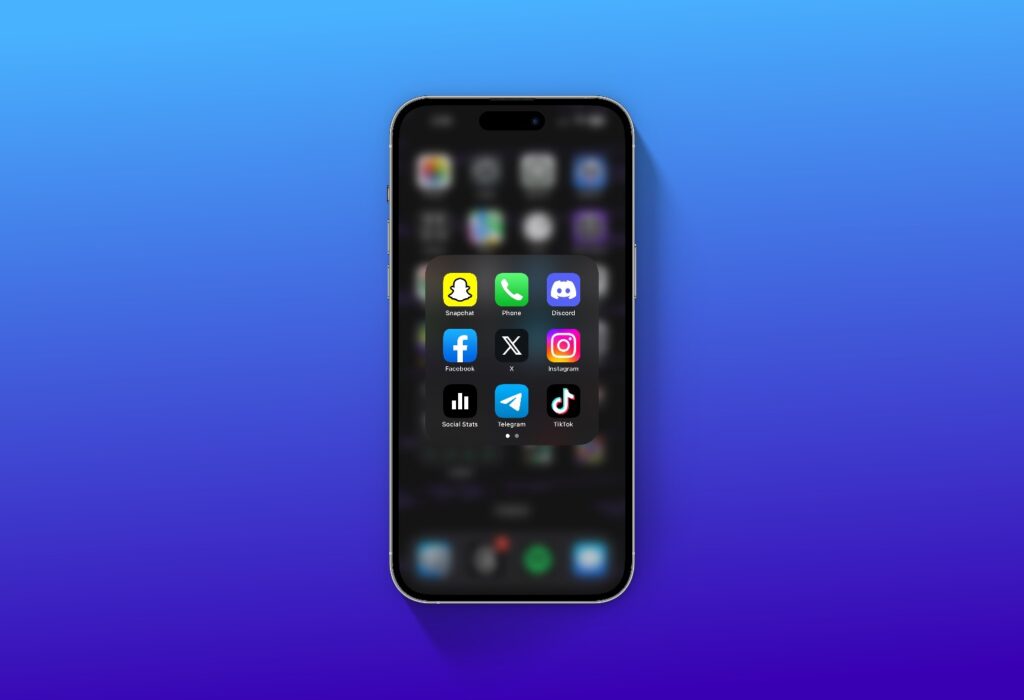
The Apple App Store’s strict guidelines create a secure but limited ecosystem for iOS users. With over 2 million apps available, you might wonder why anyone needs alternatives. The reality is that many innovative and useful apps don’t meet Apple’s specific requirements or choose to operate outside their framework.
You’ll encounter situations where you need apps that aren’t available in the official store:
- Developer beta versions of upcoming applications
- Region-restricted apps not available in your country
- Business-specific tools designed for internal use
- Experimental apps pushing iOS capabilities
Sideloading emerges as a practical solution to access these applications without compromising your device’s security through jailbreaking. This method allows you to install apps directly from developers, bypassing the App Store’s restrictions while maintaining your device’s warranty and security features.
The ability to access apps outside the App Store represents digital freedom and choice. You gain control over your device’s capabilities without breaking Apple’s core security measures – a balance between functionality and safety that many iOS users seek.
Understanding Sideloading

Sideloading offers iPhone users a direct path to install apps outside Apple’s official App Store. This method involves manually installing applications directly onto your device using the app’s installation file (IPA file).
The Sideloading Process
- Download the app’s IPA file from the developer’s website
- Use a signing service or Apple Developer account
- Install the app using tools like AltStore or Xcode
- Trust the developer certificate in your iOS settings
Required Tools
- Mac or Windows computer
- USB cable for device connection
- Compatible signing service or Developer account
- Latest version of iTunes
- The app’s IPA file
Finding Developer Instructions
Legitimate developers who distribute apps outside the App Store typically provide:
- Detailed installation guides on their websites
- Video tutorials for the sideloading process
- Support channels for troubleshooting
- Regular updates and compatibility information
Technical Requirements
Your iOS device must meet specific conditions for successful sideloading:
- iOS version compatibility with the app
- Sufficient storage space
- Developer mode enabled
- Internet connection for verification
Sideloading bypasses Apple’s standard distribution channels, giving you access to apps that might not meet App Store guidelines or are still in development. This method proves particularly useful for beta testing, development purposes, or accessing region-restricted applications.
Remember that sideloaded apps require periodic re-signing, typically every 7 days for free developer accounts or annually for paid accounts. This process maintains the app’s functionality on your device and ensures continued access to its features.
How to Sideload Apps Safely
Sideloading apps requires careful consideration of security measures to protect your device. Here’s what you need to know about safely downloading apps directly from developers:
Identifying Trustworthy Developers
- Check developer credentials and reputation on platforms like GitHub
- Look for verified social media presence and professional websites
- Read user reviews and community feedback
- Verify SSL certificates on developer websites
Security Risks to Consider
- Malware infiltration through compromised apps
- Personal data exposure
- Device performance issues
- Unauthorized access to system functions
Essential Safety Precautions
- Use a VPN when downloading apps
- Install reliable antivirus software
- Back up your device before sideloading
- Download apps exclusively through HTTPS connections
- Verify app signatures and certificates
Best Practices
- Download apps only from developer’s official websites
- Avoid third-party app repositories
- Keep your iOS version updated
- Monitor app permissions carefully
- Remove suspicious apps immediately
You can minimize risks by creating a dedicated Apple ID for sideloading purposes. This practice isolates potential security threats from your primary account. Remember to scan downloaded files with antivirus software before installation.
Alternatives to Jailbreaking
Cydia has long been the go-to platform for jailbroken iOS devices, serving as an unofficial app store where users can download apps, tweaks, and modifications. Despite its declining popularity since halting new app purchases in 2018, Cydia’s influence has paved the way for several legitimate alternatives.
Popular Non-Jailbreak Solutions:
- AltStore: Allows installation of custom apps through your Apple ID, requires regular app refreshing every 7 days, and is compatible with both Windows and Mac.
- BuildStore: Subscription-based service offering vetted third-party apps with no computer required for installation and regular app updates and stability checks.
- AppDB: Features an extensive library of modified apps with both free and premium tiers, including detailed app descriptions and user reviews.
- TweakBox: User-friendly interface with regular security updates and a wide selection of apps and games.
The landscape of app distribution is rapidly evolving. Apple’s Enterprise Certificate program enables businesses to distribute internal apps, while Progressive Web Apps (PWAs) offer app-like experiences through web browsers. These developments suggest a future where alternative app distribution methods become increasingly sophisticated and accessible.
Emerging Distribution Methods:
- TestFlight beta testing
- Enterprise app distribution
- Web-based app solutions
- Cross-platform development frameworks
These alternatives provide legitimate ways to access apps outside the App Store while maintaining device security. The rise of cloud-based solutions and platform-agnostic development tools indicates a shift toward more flexible app distribution models.
Legal Implications and Ethical Considerations
Pirating apps through unauthorized channels creates significant ripple effects across the app development ecosystem. Small indie developers and major studios alike depend on app sales revenue to sustain their work. When users download pirated versions, they directly impact developers’ ability to:
- Create new features and updates
- Provide technical support
- Maintain server infrastructure
- Support their development teams
Beyond the financial impact, using pirated apps exposes you to several risks:
- Legal Consequences: Downloading pirated apps violates copyright laws, potentially resulting in fines or legal action
- Security Vulnerabilities: Unauthorized versions often contain malware or compromised code
- Data Privacy Issues: Your personal information could be harvested without your knowledge
- Device Performance: Unstable code can cause system crashes and battery drain
While Apple’s App Store policies might seem restrictive, they serve as quality control measures. The review process ensures apps meet security standards and protect user privacy. When you bypass these safeguards through unauthorized downloads, you trade short-term convenience for significant risks.
The ethical implications extend beyond individual developers. Piracy undermines the app ecosystem’s sustainability, potentially reducing innovation and quality in future app development. Supporting developers through legitimate channels ensures the continued growth of the iOS app community and maintains high standards in mobile software development.
Common Issues with Sideloaded Apps
Sideloaded apps present unique challenges that you need to understand before diving into this alternative installation method. Here’s what you might encounter:
1. iOS Update Compatibility
- Sideloaded apps often break after iOS updates
- Apps may need frequent re-signing to continue functioning
- Some features might stop working without warning
- Developers might not provide timely updates for compatibility
2. Security Vulnerabilities
- Apps bypass Apple’s standard security screening process
- Potential exposure to malware and data breaches
- Risk of unauthorized access to device permissions
- Limited protection against malicious code
3. Performance Issues
- Battery drain due to unoptimized code
- Random crashes or freezes
- Background processes running without control
- Storage management complications
4. Risk Mitigation Strategies
- Install apps only from reputable developers
- Use virus scanning tools before installation
- Monitor app behavior and resource usage
- Back up your device regularly
- Remove suspicious apps immediately
- Keep detailed records of sideloaded applications
You can protect yourself by implementing a virtual private network (VPN) when using sideloaded apps. Regular security audits of your device help identify potential threats. Creating a separate Apple ID specifically for sideloading adds an extra layer of protection for your main account.
Conclusion
The world of app distribution is changing, moving away from just the App Store model. Now, you have several legitimate ways to get non-App Store apps on your iOS device:
- Developer-approved sideloading – Work directly with app creators
- Enterprise distribution – Access business-specific applications
- TestFlight beta testing – Try pre-release versions of apps
This shift in app distribution points toward increased user autonomy. Apple’s control over app distribution is being challenged by developers and regulators who are advocating for alternative methods. This change opens up opportunities for users to access innovative apps while still prioritizing security.
Remember these key points:
- Research developers thoroughly before sideloading their apps
- Keep your device’s security features enabled
- Back up your data regularly
- Stay informed about Apple’s policy changes regarding third-party apps
The iOS ecosystem strives to find a balance between user freedom and security. As more distribution methods become available, you will have greater control over your device while still maintaining its integrity through informed choices and safe practices.
FAQ Section
Q: Is sideloading apps legal?
A: Yes, sideloading apps is legal when you use legitimate apps from developers who provide direct downloads. The legality concerns arise when downloading pirated or unauthorized versions of paid apps.
Q: Will sideloading void my warranty?
A: No, sideloading apps doesn’t void your warranty. Apple’s warranty remains intact, unlike with jailbreaking which can void your device’s warranty.
Q: What’s the main difference between sideloading and jailbreaking?
A: Sideloading installs individual apps directly onto your device while maintaining iOS security features. Jailbreaking modifies your device’s operating system to bypass Apple’s restrictions completely.
Q: Are sideloaded apps safe?
A: Safety depends on the source. Apps from reputable developers are generally safe, but downloading from unknown sources carries security risks. Always verify the developer’s credibility before sideloading.
Q: Can I update sideloaded apps automatically?
A: No, sideloaded apps don’t receive automatic updates through the App Store. You’ll need to manually download and install new versions as they become available.
FAQs (Frequently Asked Questions)
What is sideloading and why is it important?
Sideloading refers to the process of installing apps on iOS devices without using the official App Store. It is important because it allows users to access apps that are not available in the App Store, providing greater flexibility and options for app usage.
How can I safely sideload apps on my iOS device?
To safely sideload apps, ensure you download them directly from trustworthy developers. It’s crucial to be aware of the risks associated with unofficial sources and take precautions such as using trusted networks and keeping your device updated.
Are there alternatives to jailbreaking for installing apps not in the App Store?
Yes, there are several Cydia alternatives that allow users to install apps without needing to jailbreak their devices. These alternatives provide a way to access additional applications while maintaining the integrity of your device.
What are the legal implications of using pirated apps?
Using pirated apps can lead to legal issues, including potential lawsuits from developers. It is essential to understand the ethical considerations surrounding downloading unauthorized applications, as it can negatively impact the app development community.
What common issues might arise with sideloaded apps?
Common issues with sideloaded apps include compatibility problems with iOS updates and security risks associated with third-party applications. Users should be aware of these concerns and take steps to mitigate any potential security threats.
What should I consider before exploring non-App Store apps?
Before exploring non-App Store apps, consider the risks involved, including security vulnerabilities and legal implications. It’s advisable to explore legitimate options and stay informed about the evolving landscape of app distribution.