


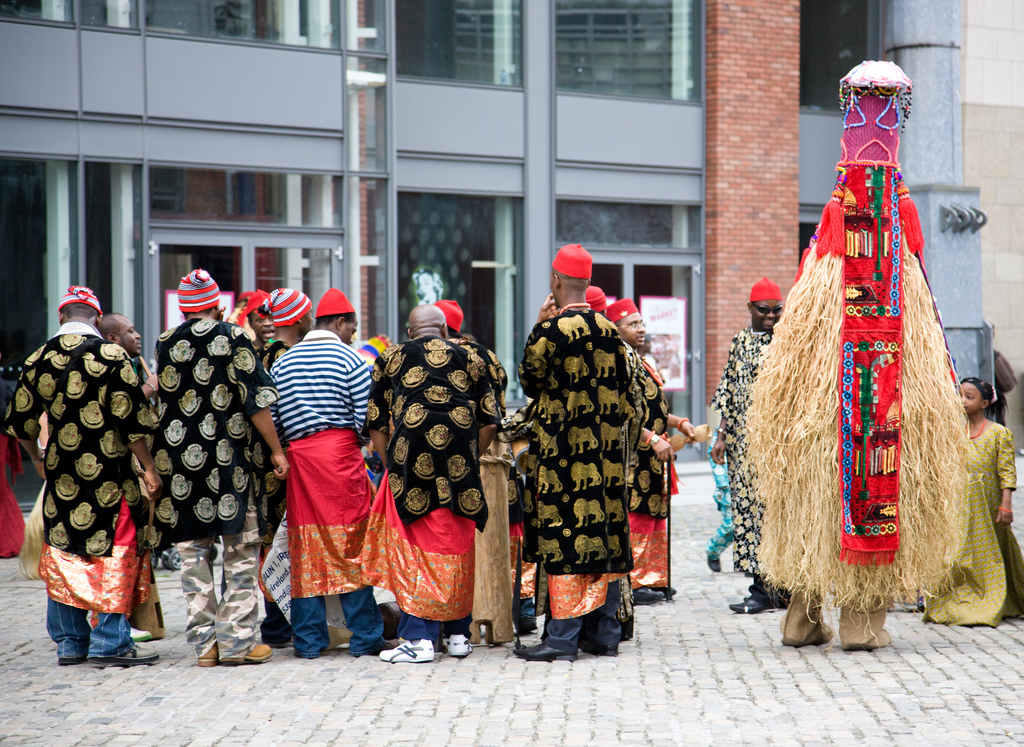
Delve into the rich tapestry of Igbo culture and traditions, a vibrant heritage that has shaped millions of lives across southeastern Nigeria for centuries. As you explore this fascinating world, you’ll discover a complex social structure, intricate art forms, and time-honored customs that continue to thrive in modern times.
From the elaborate masquerade festivals to the revered role of elders in decision-making, Igbo traditions offer a window into a unique way of life. Understanding Igbo culture and traditions will enrich your perspective on human diversity and resilience.
Exploring the Rich Tapestry of Igbo Culture and Traditions
The Igbo culture and traditions form a vibrant and complex tapestry that has been woven over centuries. Originating from southeastern Nigeria, the Igbo people have cultivated a rich heritage that continues to thrive and evolve in modern times. This intricate blend of customs, beliefs, and practices offers a fascinating glimpse into one of Africa’s most influential ethnic groups.
Igbo culture is characterized by its adaptability and entrepreneurial spirit. From ancient times to the present day, the Igbo have demonstrated remarkable resilience in the face of challenges, often emerging stronger and more innovative. This cultural trait is evident in their traditional governance systems, economic practices, and social structures.
The Igbo people have a long-standing tradition of artistic expression that reflects their worldview and values. Intricate masks, colorful textiles, and elaborate body art are just a few examples of how Igbo culture and traditions manifest in visual forms. These artistic elements often carry deep symbolic meanings, serving as conduits for spiritual beliefs and cultural narratives.
At the heart of Igbo culture lies its rich language and oral traditions. Proverbs, folktales, and songs play a crucial role in preserving and transmitting cultural wisdom across generations. The Igbo language itself is a testament to the culture’s depth, with its tonal nature and diverse dialects reflecting the nuanced perspectives of different Igbo communities.
Igbo Language and Dialects: Preserving a Unique Linguistic Heritage
The Igbo language is a cornerstone of Igbo culture and traditions, reflecting the rich history and diversity of its speakers. As you delve into this fascinating linguistic world, you’ll discover a tapestry of dialects that make Igbo truly unique.

Igbo isn’t just one uniform language, it’s a vibrant collection of dialects, each with its own distinct flavor. From the musical tones of Owerri to the rhythmic cadence of Onitsha, these variations paint a vivid picture of the Igbo people’s diverse heritage.
In today’s fast-paced global society, preserving indigenous languages can be a challenge. But the Igbo community is rising to the occasion. You’ll find passionate individuals and organizations working tirelessly to keep the language alive through education, literature, and digital resources.
One of the most captivating aspects of Igbo culture and traditions is the use of proverbs. These wise sayings, passed down through generations, encapsulate the wisdom and values of the Igbo people. Learning a few Igbo proverbs can give you a deeper appreciation for the language’s expressive power and cultural significance.
Igbo Festivals and Celebrations: Honoring Ancestral Roots
The Igbo culture and traditions come alive through vibrant festivals that connect you to your ancestral roots. These celebrations are more than just parties, they’re a window into the rich tapestry of Igbo heritage.
New Yam Festival: A Harvest of Gratitude
One of the most significant events in the Igbo calendar is the New Yam Festival, or “Iwaji.” You’ll find yourself immersed in a colorful spectacle of dancing, music, and feasting. This celebration isn’t just about food; it’s a heartfelt expression of gratitude to the earth and ancestors for a bountiful harvest.
Masquerade Festivals: Spirits Come Alive


Prepare to be mesmerized by the Igbo masquerade festivals. These aren’t your average costume parties, they’re a spiritual experience where masked figures embody ancestral spirits. As you watch the intricate dances and hear the rhythmic beats, you’re witnessing a living connection between the physical and spiritual worlds.
These festivals are just a taste of the rich Igbo culture and traditions that continue to thrive today. By participating in these celebrations, you’re not just observing history, you’re becoming part of a living, breathing cultural legacy that spans generations.
Igbo Art, Music, and Dance: Expressions of a Vibrant Cultural Identity
Dive into the heart of Igbo culture and traditions through its captivating art, music, and dance. These expressive forms are more than just entertainment; they’re a window into the soul of Igbo society.
Visual Artistry
Igbo artists are renowned for their intricate masks, sculptures, and textiles. You’ll find these pieces adorned with symbolic patterns that tell stories of Igbo history and beliefs. From the famous Mbari houses to the delicate Uli body art, each creation is a testament to the rich cultural heritage of the Igbo people.
Rhythms of Life
Music is the lifeblood of Igbo gatherings. Whether it’s a traditional festival or a modern celebration, the beat of drums and the melody of flutes fill the air. You’ll hear a variety of instruments, including the talking drum, which mimics the tonal patterns of the Igbo language.
Dance as Storytelling
Igbo dances are a spectacular sight to behold. Each movement tells a story, from the warrior-like steps of the Atilogwu to the graceful swaying of the Nkwa Umuagbogho. As you watch, you’ll see how dance serves as both entertainment and a means of preserving Igbo culture and traditions through physical expression.
Through these artistic forms, the Igbo people continue to celebrate their identity and pass down their cultural legacy to future generations.
Igbo Gender Roles, Community, and Family Structure
In Igbo culture and traditions, gender roles, community dynamics, and family structure are deeply intertwined. You’ll find that these aspects of Igbo society form the backbone of their social organization and daily life.
Gender Roles
Traditionally, Igbo culture assigns specific roles to men and women. Men are often seen as the providers and decision-makers, while women are typically responsible for household management and child-rearing. However, it’s important to note that these roles have been evolving in recent years, with more women taking on leadership positions in both the family and community.
Community Structure
The Igbo people place a strong emphasis on community. You’ll notice that village meetings, known as “umunna,” play a crucial role in decision-making and conflict resolution. These gatherings are where important matters are discussed, and consensus is reached. This communal approach reflects the Igbo belief in collective responsibility and shared decision-making.
Family Dynamics
In Igbo culture and traditions, the family unit is the foundation of society. Extended families often live together or in close proximity, creating a support system that spans generations. You’ll find that respect for elders is paramount, and older family members are often consulted for advice and guidance. This interconnected family structure helps preserve Igbo cultural values and traditions, passing them down through the generations.
The Igbo culture and traditions are deeply rooted in a rich spiritual tapestry that interweaves ancestral reverence, nature worship, and a supreme creator. As you explore this fascinating belief system, you’ll discover how it shapes every aspect of Igbo life.
The Supreme Creator and Lesser Deities
At the heart of Igbo spirituality lies Chukwu, the supreme god. But don’t think this is a monotheistic system, far from it! Chukwu is accompanied by a pantheon of lesser deities, each governing different aspects of nature and human affairs. You’ll find spirits of the earth, sky, and water playing crucial roles in daily life.
Ancestral Veneration
In Igbo culture and traditions, ancestors aren’t just memories, they’re active participants in the world of the living. You’ll often see shrines dedicated to departed family members, where offerings are made to seek guidance and blessings.
The Role of Diviners and Oracles
In Igbo society, you might consult a diviner. These spiritual intermediaries use various methods to interpret the will of the gods and ancestors. The famous Afa oracle, for instance, is a complex system of divination that’s been part of Igbo traditions for centuries.
Igbo Cuisine: Flavorful Dishes that Nourish the Soul
Igbo culture and traditions shine brightly through their mouthwatering cuisine. When you dive into Igbo food, you’re not just eating, you’re experiencing a rich tapestry of flavors that tell stories of generations past.
Staple Dishes That Define Igbo Culture
At the heart of Igbo cuisine, you’ll find dishes that have stood the test of time. Imagine sinking your teeth into a warm, comforting ball of fufu, paired with a steaming bowl of egusi soup. This classic combo is a staple in many Igbo households, offering a perfect blend of textures and tastes.
But that’s just the beginning. Ofe Nsala, a delicate white soup often made with catfish, showcases the Igbo knack for creating complex flavors from simple ingredients. And don’t forget about jollof rice, while it’s popular across West Africa, the Igbo version has its own special flair.
The Art of Igbo Cooking
What sets Igbo cuisine apart is not just the ingredients, but the cooking techniques passed down through generations. You’ll find that many dishes involve a careful balance of spices and herbs, creating layers of flavor that dance on your tongue.
From the smoky aroma of palm oil to the fiery kick of pepper soup, Igbo cooking is an art form that engages all your senses. It’s a delicious way to experience Igbo culture and traditions, one bite at a time.
Taboos
In Igbo culture and traditions, taboos play a crucial role in shaping social norms and maintaining harmony within communities. These unwritten rules govern behavior and help preserve the cultural fabric of Igbo society.
Sacred Animals and Objects
You’ll find that certain animals and objects hold special significance in Igbo culture. For instance, it’s often considered taboo to harm or eat pythons in many Igbo communities. These serpents are revered as sacred creatures, believed to embody the spirits of ancestors.
Behavioral Restrictions
Igbo traditions also dictate specific behavioral taboos. For example, it’s generally frowned upon to whistle at night, as this is thought to attract evil spirits. Similarly, pointing at rainbows is often discouraged, as it’s believed to cause the finger to rot.
Gender-Specific Taboos
Some taboos in Igbo culture are gender-specific. Women, for instance, may be prohibited from climbing certain trees or entering particular shrines. These restrictions are deeply rooted in traditional beliefs about gender roles and spiritual purity.
Understanding these taboos is essential for anyone seeking to fully appreciate Igbo culture and traditions. While some may seem unusual to outsiders, they continue to shape daily life and social interactions in many Igbo communities today.
Visual art


The Igbo culture and traditions are richly expressed through their vibrant visual arts. From intricate masks to colorful textiles, Igbo artists have long been revered for their exceptional craftsmanship and symbolic designs.
Masquerade Masks
At the heart of Igbo visual art are the elaborate masquerade masks. These aren’t just decorative pieces; they’re integral to Igbo Culture and Traditions, playing crucial roles in ceremonies and festivals. Each mask tells a story, representing spirits, ancestors, or cultural ideals. The craftsmanship is mind-blowing, with artisans using materials like wood, raffia, and vibrant pigments to bring these masks to life.
Textiles and Beadwork
You can’t talk about Igbo art without mentioning their textiles. The famous Akwete cloth, woven by skilled women, showcases intricate geometric patterns that’ll make your jaw drop. And don’t even get me started on their beadwork! From royal crowns to everyday accessories, Igbo beadwork is a testament to their attention to detail and love for color.
Modern Interpretations
Today’s Igbo artists are keeping traditions alive while pushing boundaries. You’ll find contemporary paintings and sculptures that blend age-old symbols with modern techniques, creating a fascinating dialogue between past and present. It’s this dynamic evolution that keeps Igbo visual art thriving in the 21st century.
Traditional Attire
When it comes to Igbo culture and traditions, traditional attire plays a significant role in expressing identity and heritage. You’ll find that Igbo clothing is not just about covering the body; it’s a vibrant celebration of their rich cultural tapestry.
Everyday Wear
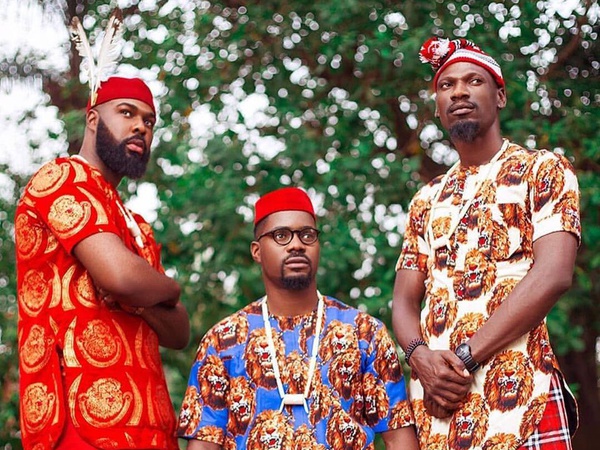
For everyday attire, Igbo men often don a flowing shirt called an “isiagu” paired with trousers. Women typically wear a wrapped cloth known as “wrapper” with a matching blouse. These outfits showcase the Igbo’s love for bright colors and intricate patterns.
Ceremonial Dress
During special occasions, Igbo traditional attire truly shines. Men might wear a full “isiagu” ensemble, complete with a hat and walking stick. Women dazzle in elaborate wrapper sets, adorned with colorful headgear. These outfits are often embellished with beads, embroidery, and even gold accessories.
Symbolism in Fabric
The fabrics used in Igbo attire are more than just pretty patterns. Many designs carry deep cultural significance, representing everything from social status to family lineage. You’ll notice that Igbo culture and traditions are woven into every thread, making each garment a wearable piece of history.
Traditional Marriage
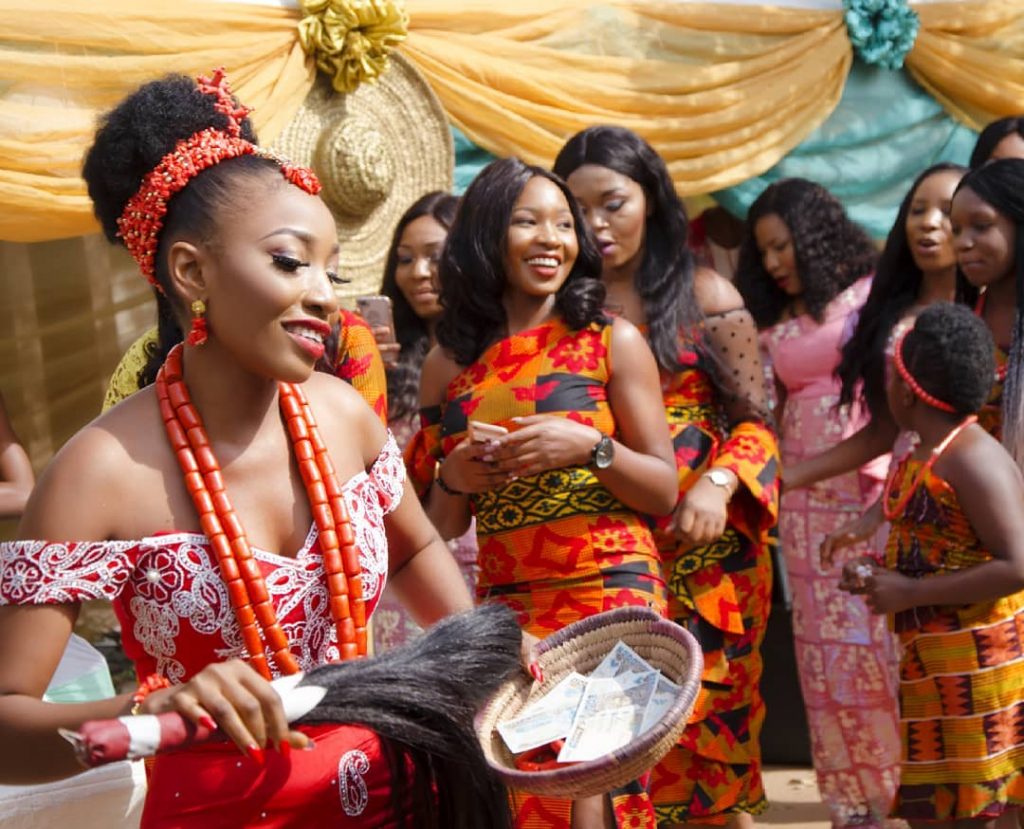

In Igbo culture and traditions, marriage is a sacred institution that goes beyond just uniting two individuals. It’s a celebration that brings together entire families and communities. When you’re invited to an Igbo wedding, prepare for a vibrant, joyous affair that showcases the rich tapestry of Igbo customs.
The Bride Price Ceremony
One of the most significant aspects of an Igbo wedding is the bride price ceremony, known as “Iku Aka” or “Ime Ego.” This isn’t about buying a bride, but rather a symbolic gesture of appreciation to the bride’s family. You’ll witness the groom’s family presenting gifts like kola nuts, palm wine, and other traditional items alongside a monetary offering.
The Wedding Attire
Prepare to be dazzled by the colorful outfits worn during an Igbo wedding. The bride typically adorns herself in a stunning coral beaded dress, complete with an elaborate cs. You’ll see the groom sporting a chieftaincy-style outfit, often made from high-quality fabric like “George” or “Isi Agu.”
The Reception
The reception is where the real party begins. You’ll be treated to a feast of traditional Igbo dishes, accompanied by lively music and dance. Don’t be surprised if you find yourself joining in the “Igba Nkwu” dance, a celebratory dance that showcases the newlyweds’ joy and unity.
Frequently Asked Questions
These are some of the frequently asked questions and answers about Igbo culture and traditions.
What are the core values of Igbo culture and traditions?
Igbo culture and traditions are deeply rooted in community, respect for elders, and a strong work ethic. Family plays a central role, with extended family networks providing support and guidance. The Igbo people also place great importance on personal achievement and success.
How do Igbo people celebrate important life events?
Celebrations are an integral part of Igbo culture and traditions. Naming ceremonies for newborns, traditional weddings, and elaborate funeral rites are significant events that bring communities together. These ceremonies often involve traditional music, dance, and feasting.
What role does religion play in Igbo society?
While many Igbo people practice Christianity today, traditional religious beliefs still influence cultural practices. Ancestral worship and the concept of “chi” (personal god) remain important aspects of Igbo spirituality, showcasing the blend of old and new in Igbo culture and traditions.
How has Igbo culture adapted to modern times?
Igbo culture and traditions have shown remarkable resilience and adaptability. While preserving core values, Igbo people have embraced education, technology, and global opportunities. This balance between tradition and modernity continues to shape the Igbo identity in the 21st century.
Conclusion
As you’ve discovered, Igbo culture is rich with vibrant traditions that have endured for generations. From colorful festivals and intricate art to time-honored customs and a deep reverence for family and community, the Igbo people have cultivated a unique cultural identity.
By exploring and appreciating these traditions, you gain invaluable insights into the values, beliefs, and way of life that continue to shape Igbo society today. Whether you’re of Igbo descent or simply an admirer of world cultures, embracing the depth and beauty of Igbo heritage offers a profound connection to history and humanity.