


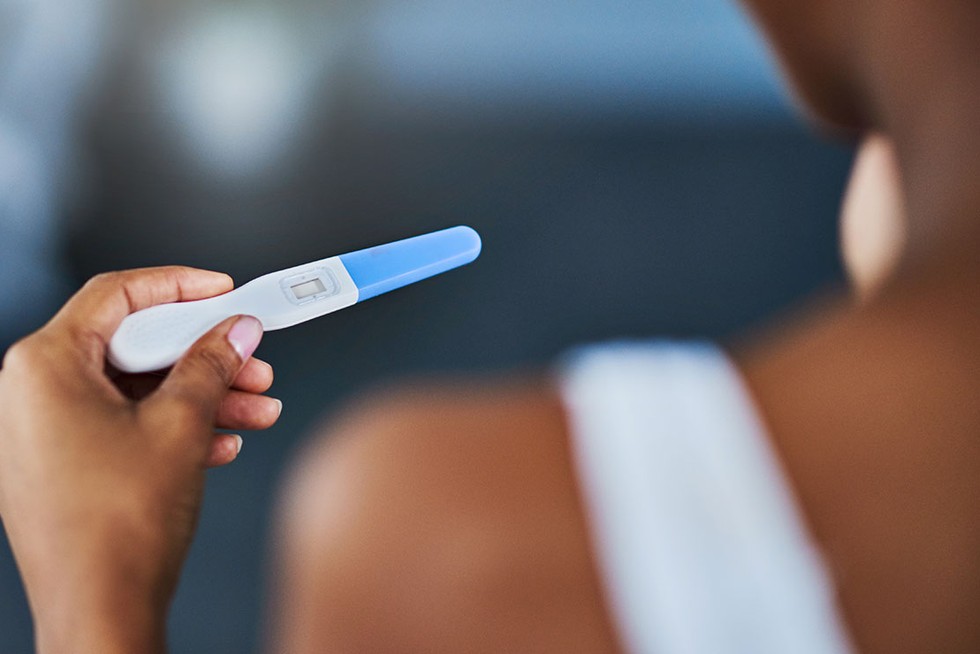
Are you anxiously awaiting the results of a pregnancy test? Determining whether a test strip is positive can be nerve-wracking, especially if you’re unfamiliar with how to interpret the results.
While home pregnancy tests are generally reliable, reading them correctly is crucial to avoid false positives or negatives. In this article, you’ll learn how to properly identify a positive result on a pregnancy test strip. We’ll cover what to look for, common pitfalls to avoid, and when to seek confirmation from a healthcare provider. By understanding how these tests work, you can approach the process with confidence and clarity.
What is a Pregnancy Test Strip?


A pregnancy test strip is a simple, at-home diagnostic tool designed to detect the presence of human chorionic gonadotropin (hCG) in urine. This hormone is produced by the placenta shortly after a fertilized egg attaches to the uterine wall, typically around 6-12 days after conception.
The pregnancy test strip contains antibodies that specifically react with hCG. When exposed to urine containing this hormone, the strip displays a visible change, usually in the form of colored lines. Most strips have two zones: a control line to indicate the test is working correctly, and a test line that appears if hCG is detected.
Types of Pregnancy Test Strips
There are five main types of pregnancy test strips:
- Midstream tests: These are wider strips designed to be held directly in the urine stream.
- Dip tests: These narrower strips are meant to be dipped into a collected urine sample.
- Cassette Test Strips: These involve adding a few drops of urine to a small cassette, which then displays the results.
- Digital Test Strips: These provide a digital display of the results, often with words like “pregnant” or “not pregnant.”
- Sensitive Test Strips: These are designed to detect lower levels of hCG (human chorionic gonadotropin), making them more sensitive and able to detect pregnancy earlier.
These types function similarly and can provide accurate results when used correctly. However, it’s crucial to follow the manufacturer’s instructions precisely, as timing and interpretation can vary slightly between brands.
Modern pregnancy test strips are highly sensitive, capable of detecting hCG levels as low as 25 mIU/mL. This allows for early detection, sometimes even before a missed period. However, factors like the time of day, hydration levels, and how early in pregnancy the test is taken can influence results.
How Do Pregnancy Test Strips Work?
Pregnancy test strips are a simple yet effective tool for detecting pregnancy. These small, paper-like strips work by detecting the presence of human chorionic gonadotropin (hCG), a hormone produced during pregnancy, in your urine.
When you use a pregnancy test strip, you’re essentially conducting a quick biochemical analysis. The strip contains antibodies that specifically bind to hCG molecules. As your urine travels up the strip, if hCG is present, it will attach to these antibodies, triggering a visible reaction.
Most pregnancy test strips display results through colored lines. Typically, you’ll see a control line that indicates the test is working properly. If a second line appears, even if it’s faint, it generally signals a positive result. The intensity of this line can vary depending on the concentration of hCG in your urine.
For the most accurate results, it’s best to use a pregnancy test strip first thing in the morning when your urine is most concentrated. While some tests claim to work as early as the first day of a missed period, waiting a few days can increase reliability. Remember, false negatives are more common than false positives, so if in doubt, retest after a few days or consult your healthcare provider.
How to Use a Pregnancy Test Strip


Using a pregnancy test strip is a straightforward process that can provide quick results. Follow these steps to ensure accurate testing:
Prepare for the test
Before beginning, gather all necessary materials. You’ll need the pregnancy test strip, a clean cup for collecting urine, and a timer. Wash your hands thoroughly to avoid contamination.
Collect a urine sample
Urinate into the clean cup. For best results, use your first morning urine as it contains the highest concentration of hCG hormone. If testing later in the day, avoid excessive fluid intake beforehand to prevent dilution.
Dip the test strip
Hold the pregnancy test strip by the thumb grip end and dip the opposite end (with the absorbent tip) into the urine sample. Ensure the urine doesn’t exceed the maximum line indicated on the strip. Keep the strip in place for 5-10 seconds, or as specified in the instructions.
Wait for results
Place the test strip on a flat, clean surface with the result window facing up. Set your timer according to the package instructions, typically 3-5 minutes. Avoid moving or disturbing the strip during this time.
Interpret the results
After the specified time, check the result window. A positive result usually shows two distinct lines, while a negative result shows only one control line. Always refer to the specific instructions provided with your pregnancy test strip for accurate interpretation.
Remember, for the most reliable results, it’s best to test after a missed period and to confirm any positive results with a healthcare professional.
Identifying a Positive Pregnancy Test Strip


Deciphering the results of a pregnancy test strip can be both exciting and nerve-wracking. Let’s break down how to spot that positive result you might be hoping for (or not!).
When you use a pregnancy test strip, you’re looking for specific lines to appear. Most tests have two key areas:
- Control line: This always shows up, confirming the test is working.
- Test line: This is where the magic happens!
A positive result typically shows two lines, the control line and the test line. Even a faint line in the test area can indicate pregnancy. Don’t dismiss that barely-there line!
Patience is key when using a pregnancy test strip. Follow the instructions to a T:
- Wait the full recommended time (usually 3-5 minutes).
- Don’t leave it too long, results can change after the suggested window.
Still unsure? No worries! Hormone levels increase rapidly in early pregnancy. Wait a few days and test again. Morning urine tends to have higher concentrations of the pregnancy hormone, so it’s often best for testing.
Remember, while home tests are pretty reliable, they’re not foolproof. If you’re still uncertain or have any concerns, chat with your healthcare provider for confirmation and guidance.
Identifying a Negative Pregnancy Test Strip


When it comes to pregnancy tests, knowing how to interpret a negative result is just as important as recognizing a positive one. A negative pregnancy test strip typically shows only one line in the control window, indicating that the test is working correctly but no pregnancy hormone (hCG) was detected.
Reading the Results
To accurately identify a negative pregnancy test strip, follow these steps:
- Check the test within the recommended timeframe (usually 3-5 minutes).
- Look for a single line in the control window.
- Confirm that the test line area remains blank or colorless.
It’s crucial to understand that a very faint line in the test area doesn’t necessarily indicate a negative result. If you see any hint of a second line, no matter how faint, it’s best to retest in a few days or consult with a healthcare provider.
Common Misconceptions
Many people mistakenly believe that a negative test result is always definitive. However, testing too early or using diluted urine can lead to false negatives. For the most accurate results, use your first morning urine and wait until at least a day after your missed period before taking a pregnancy test strip.
Remember, if you have doubts about your result or experience pregnancy symptoms despite a negative test, it’s always wise to seek medical advice for confirmation.
Factors That Can Affect Pregnancy Test Strip Results
When it comes to pregnancy test strips, accuracy is key. However, several factors can influence the results. Here are seven crucial elements to consider:
Timing of the Test
The timing of when you use a pregnancy test strip can significantly impact its accuracy. Testing too early, before your body has produced enough hCG (human chorionic gonadotropin), may lead to a false negative. It’s best to wait until after you’ve missed your period for the most reliable results.
Proper Usage
Following the instructions on your pregnancy test strip is vital. Improper use, such as not holding the strip in urine for the recommended time or reading the results too early or late, can affect the outcome.
Expiration Date
Always check the expiration date on your pregnancy test strip. Using an expired test may yield inaccurate results, as the chemicals in the strip can degrade over time.
Storage Conditions
Storing your pregnancy test strips properly is crucial. Exposure to heat, humidity, or direct sunlight can compromise the test’s effectiveness. Always keep them in a cool, dry place.
Medication Interference
Certain medications, particularly those containing hCG, can interfere with pregnancy test strip results. If you’re taking any medications, consult with your healthcare provider about potential impacts on test accuracy.
Hydration Levels
Your hydration level can affect the concentration of hCG in your urine. Drinking excessive amounts of fluid before testing may dilute your urine, potentially leading to a false negative result.
Medical Conditions
Some medical conditions, such as ovarian cysts or certain cancers, can cause false positive results on a pregnancy test strip. If you have any concerns, it’s best to consult with a healthcare professional for a definitive diagnosis.
Interpreting Faint Lines on a Pregnancy Test Strip
When it comes to pregnancy test strips, even the faintest line can be cause for excitement or anxiety. But how do you know if that barely-there line is truly positive?
Understanding the Two-Line Test
Most pregnancy test strips use a two-line system. One line always appears as a control, while the second line only shows up if the pregnancy hormone hCG is detected. The intensity of this second line can vary greatly.
The Meaning Behind Faint Lines
A faint line on a pregnancy test strip doesn’t necessarily mean a false positive. In fact, it often indicates a very early pregnancy. The line may be light because:
- You’re testing very early in your pregnancy
- Your urine is diluted
- The test’s sensitivity level is low
When to Retest
If you see a faint line, wait a few days and test again. As your pregnancy progresses, the line should become darker. Remember, even a faint line is considered a positive result, but retesting can provide peace of mind.
Digital vs. Traditional Tests
While traditional pregnancy test strips can sometimes be tricky to interpret, digital tests offer a clear “Pregnant” or “Not Pregnant” result. However, they may be less sensitive to very early pregnancies.
Remember, if you’re unsure about your results or have any concerns, it’s always best to consult with a healthcare professional for confirmation and guidance.
Retaking a Pregnancy Test Strip: When and Why
Wondering if you should take another pregnancy test strip? It’s a common question, and there are several good reasons to consider retesting. Let’s dive into when and why you might want to grab that second (or third) test.
Timing is Everything
If your first test was negative but you still suspect you’re pregnant, timing could be the culprit. Pregnancy test strips work by detecting the hormone hCG, which increases rapidly in early pregnancy. Testing too early might not give accurate results.
- Wait at least a week after your missed period
- For more reliable results, test first thing in the morning
- Consider retesting every few days if your period is still MIA
When Doubt Creeps In
Sometimes, you might question the results of your first test. Maybe the line was faint, or you’re not sure if you followed the instructions correctly. In these cases, taking another pregnancy test strip can provide peace of mind.
Changes in Symptoms
Your body is a pretty good communicator. If you start experiencing pregnancy symptoms like nausea, breast tenderness, or fatigue after a negative test, it might be time to retest. Remember, every woman’s body is different, and hormone levels can vary.
By retaking a pregnancy test strip when needed, you’re ensuring you have the most accurate information about your body. Just remember to follow the instructions carefully each time for the best results.
Pregnancy Test Strip Accuracy: What to Expect
When it comes to pregnancy test strips, accuracy is key. These handy tools can give you a glimpse into your potential pregnancy journey, but it’s important to understand their limitations and how to use them correctly.
How Accurate Are Pregnancy Test Strips?
Most pregnancy test strips boast an impressive accuracy rate of over 99% when used correctly. However, this doesn’t mean they’re infallible. Factors like timing, medication, and even user error can affect results.
Remember, a pregnancy test strip detects the presence of human chorionic gonadotropin (hCG) in your urine. This hormone typically becomes detectable about 10 days after conception. Testing too early might lead to a false negative.
Tips for Getting the Most Accurate Results
To maximize accuracy:
- Wait until you’ve missed your period
- Use first-morning urine for higher hCG concentration
- Follow instructions meticulously
- Check the expiration date
When to Retest or Seek Professional Help
If you get a negative result but still suspect you’re pregnant, wait a few days and test again. hCG levels double every 48-72 hours in early pregnancy.
For any uncertainty or persistent symptoms, it’s always best to consult with a healthcare provider. They can perform blood tests or ultrasounds for definitive answers.
Remember, while pregnancy test strips are a valuable tool, they’re just the first step in confirming a pregnancy. Trust your instincts and don’t hesitate to seek professional guidance when needed.
Frequently Asked Questions
These are some frequently asked questions about pregnancy test strips.
How soon can I take a pregnancy test strip?
Most pregnancy test strips are designed to detect hCG levels as early as the first day of a missed period. However, for the most accurate results, it’s recommended to wait until at least one week after your missed period. This allows time for hCG levels to rise sufficiently for detection by the pregnancy test strip.
Can medications affect the results of a pregnancy test strip?
Certain medications, particularly those containing hCG, can potentially lead to false-positive results on a pregnancy test strip. These may include some fertility treatments or hormone therapies. It’s important to consult with your healthcare provider if you’re taking any medications and concerned about their impact on test results.
How long does it take to see results on a pregnancy test strip?
Most pregnancy test strips provide results within 3-5 minutes. However, it’s crucial to follow the specific instructions provided with your test, as timing can vary between brands. Avoid interpreting results after the recommended time frame, as this can lead to inaccurate readings.
Are pregnancy test strips as accurate as digital tests?
When used correctly, pregnancy test strips can be just as accurate as digital tests. Both types typically detect hCG with similar sensitivity. The main difference lies in how results are displayed, strips use lines, while digital tests show words or symbols.
Conclusion
In conclusion, interpreting pregnancy test strips accurately is crucial for those seeking to confirm a potential pregnancy. By following the instructions carefully, waiting the appropriate amount of time, and looking closely for even faint lines, you can determine if your test is positive.
Remember that false negatives are more common than false positives, so retesting after a few days may be warranted if you suspect pregnancy despite a negative result. For the most reliable confirmation, schedule an appointment with your healthcare provider, who can perform additional testing and provide guidance on next steps. Armed with this knowledge, you can approach pregnancy testing with confidence and clarity.