


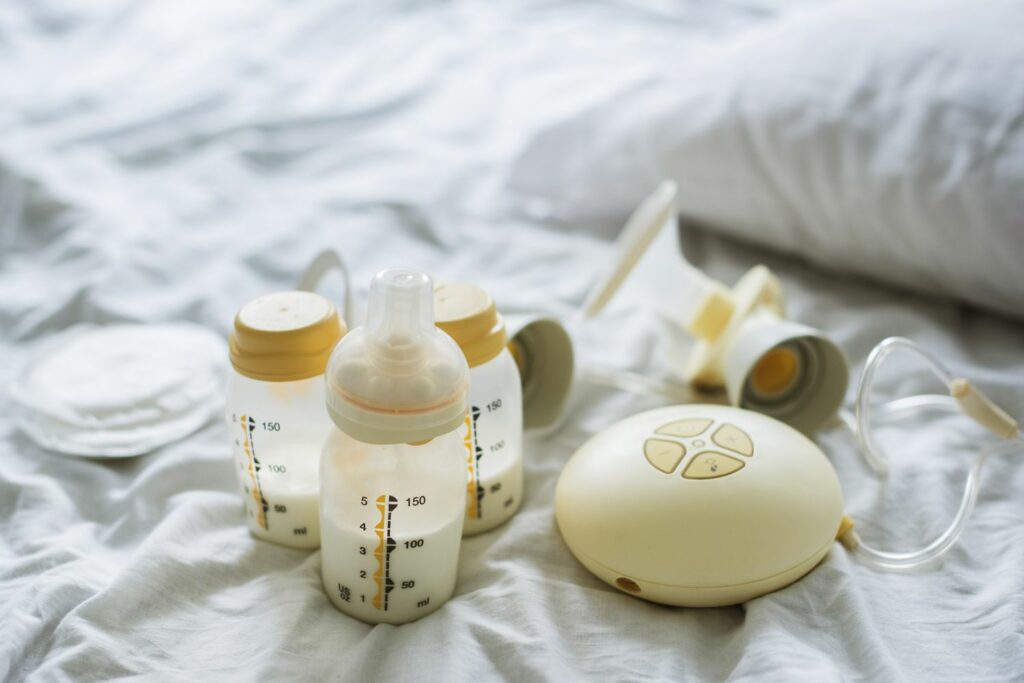
The World Health Organization (WHO) recommends exclusive breastfeeding for the first six months of a baby’s life, continuing up to two years alongside complementary foods. Yet, there are valid reasons why you might need to reduce or stop your milk production.
Whether you’re weaning your child, experiencing health complications, or unable to breastfeed, understanding how to dry up breast milk safely is crucial for your comfort and well-being.
This comprehensive guide explores 9 natural methods and medical options to help you manage your breast milk supply effectively. You’ll discover:
- Time-tested natural techniques using common household items
- Safe practices for gradual milk reduction
- Medication options when faster results are needed
- Professional guidance on when to seek medical help
Your journey to reduce breast milk production requires patience and careful attention to your body’s signals. These methods can help prevent common complications like engorgement and mastitis while supporting your transition away from breastfeeding.
Breast Milk Production
Breast milk production is a complex biological process triggered by hormonal changes during pregnancy and after childbirth. The primary hormones responsible for milk production are:
- Prolactin: Stimulates milk production in the alveoli
- Oxytocin: Triggers milk release through the let-down reflex
Your milk supply operates on a supply-and-demand basis. The more milk removed from your breasts, the more milk your body produces. Several key factors influence this process:
Physical Factors
- Baby’s age and feeding patterns
- Frequency and effectiveness of milk removal
- Breast storage capacity
- Hormonal balance
- Health conditions
External Factors
- Feeding schedule
- Stress levels
- Diet and hydration
- Medications
- Sleep patterns
Your milk production typically peaks between 4-6 weeks postpartum. During this time, your breasts can produce 25-35 ounces of milk per day. This amount adjusts based on your baby’s needs and feeding patterns.
Certain medical conditions can affect milk production or require weaning:
- Viral, bacterial, or fungal infections
- Specific medications
- Maternal health conditions
- Baby’s inability to effectively remove milk
Understanding these factors helps you make informed decisions about managing your milk supply, whether you’re planning to continue breastfeeding or looking to reduce production.
Natural Methods to Dry Up Breast Milk
Stopping breast milk production requires a gentle, systematic approach to prevent discomfort and potential complications. Natural methods offer a safe way to reduce milk supply while supporting your body’s transition.
1. Gradual Reduction of Breastfeeding Sessions
A step-by-step reduction in feeding sessions helps your body adjust naturally to decreased milk demand. This method typically takes 2-6 weeks, depending on your milk production.
Daily Reduction Strategy:
- Drop one feeding session every 3-4 days
- Replace dropped sessions with bottle feeding or solid food (age-appropriate)
- Start with daytime feedings, keeping night feeds for last
- Limit each session to 5-10 minutes less than usual
Signs of Successful Reduction:
- Softer breasts between feedings
- Decreased milk letdown sensation
- Baby satisfied with shorter feeding times
- Reduced engorgement symptoms
Tips for Comfort During Reduction:
- Watch for signs of mastitis or blocked ducts
- Express small amounts if breasts become uncomfortably full
- Maintain consistent feeding times for remaining sessions
- Allow 2-3 days between dropping each session
This gradual approach helps prevent engorgement while giving your body time to adjust its milk production naturally. Your breasts will respond to the reduced demand by slowly decreasing milk supply, making the transition more comfortable for you and your baby.
2. Use of Cabbage Leaves
Cabbage leaves offer a time-tested natural remedy for reducing breast milk production. Raw cabbage contains compounds that help decrease tissue congestion and inflammation while cooling engorged breasts.
How to apply cabbage leaves:
- Wash and dry fresh green cabbage leaves
- Remove the thick center vein
- Gently crush the leaves to release the natural compounds
- Place the cool leaves directly on your breasts
- Cover your entire breast, leaving your nipple exposed
- Wear a supportive bra to hold the leaves in place
- Replace leaves every 2-3 hours or when they become wilted
You can use cabbage leaves for 20 minutes, up to 3 times daily. Some women experience relief within 24 hours, while others might need several days of consistent application.
Caution: Don’t use cabbage leaves if you:
- Have a known cabbage allergy
- Develop skin irritation or rash
- Are continuing to breastfeed (as it can reduce milk supply too quickly)
The effectiveness of cabbage leaves varies among individuals, but many women consistently report significant improvement in engorgement and milk reduction when using this method.
3. Cold Compresses
Cold compresses are an effective way to reduce breast milk production while providing relief from engorgement and discomfort. Here’s how cold therapy works:
- Reduces blood flow to breast tissue
- Decreases inflammation and swelling
- Minimizes milk production signals
- Provides pain relief
You can apply cold compresses for 15-20 minutes at a time, 3-4 times daily. Here’s how to use them effectively:
- Wrap ice packs or frozen gel packs in a thin towel
- Apply directly to the breasts after expressing small amounts of milk
- Focus on areas that feel particularly full or uncomfortable
- Remove if skin becomes too cold or numb
Pro tip: Create your cold compress by freezing a wet washcloth in a plastic bag or using frozen bags of vegetables.
Important: Never apply ice directly to your skin, which can cause tissue damage. Always maintain a fabric barrier between the cold source and your breast tissue.
Combining cold therapy with gentle milk expression in the shower can significantly speed up the natural weaning process while keeping discomfort manageable.
4. Tight-Fitting Bras
Wearing a properly fitted, supportive bra is crucial in reducing breast milk production. A well-fitted bra helps:
- Minimize breast stimulation
- Reduce milk flow signals to your body
- Prevent leakage and dampness
- Support breast tissue during the drying-up process
Choose a bra that’s snug but not uncomfortably tight. Sports bras work particularly well for this purpose, providing firm compression without restricting blood flow. You’ll want to wear your supportive bra 24/7 during the drying-up period, only removing it for showers.
Key considerations when selecting a bra:
- Pick moisture-wicking fabrics
- Ensure the band sits flat against your ribcage
- Avoid underwire bras that might cause blocked ducts
- Select a size that accommodates breast pads for leakage
Remember to change your bra if it becomes damp from leakage, as prolonged moisture can lead to mastitis or other infections. A clean, dry bra helps maintain proper hygiene during the weaning process.
5. Reduce Fluid Intake
Reducing your fluid intake can help decrease breast milk production. Your body requires adequate hydration to maintain milk supply, so limiting fluids can naturally slow down lactation.
Key guidelines for fluid reduction:
- Cut back daily water intake by 1-2 cups
- Avoid excessive consumption of milk-boosting drinks
- Skip caffeine-rich beverages that increase fluid retention
Recommended daily intake:
- 6-7 cups of water (instead of the usual 8-10 cups)
- Small sips throughout the day rather than large amounts
Foods to limit:
- Soup-based meals
- Water-rich fruits like watermelon and oranges
- Milk-producing herbs in teas
Remember to maintain basic hydration for your health. Watch for signs of dehydration such as dark urine, headaches, or dizziness. If you experience these symptoms, increase your fluid intake gradually while continuing other milk-drying methods.
This method works best when combined with other natural approaches to reduce milk production. You can adjust your fluid intake based on your comfort level and body’s response.
6. Engage in Physical Activity
Physical activity serves as an effective natural method to reduce breast milk production. Your body’s hormonal balance shifts during exercise, potentially impacting milk-producing hormones like prolactin.
Recommended activities include:
- Brisk walking for 30-45 minutes daily
- Light jogging or swimming
- Yoga poses that don’t compress breasts
- Low-impact aerobic exercises
Exercise helps regulate hormones while providing these additional benefits:
- Reduces breast engorgement discomfort
- Improves mood and energy levels
- Aids in post-pregnancy weight management
- Decreases fluid retention
Important safety tips:
- Wear a supportive sports bra to minimize breast movement
- Start with gentle exercises and gradually increase intensity
- Stay hydrated but avoid excessive fluid intake
- Listen to your body and stop if you experience pain
Physical activity works best when combined with other natural methods to dry up breast milk. Regular exercise sessions of 20-30 minutes can contribute to your milk reduction goals while supporting your overall postpartum recovery.
7. Salvia Tea
Salvia tea, derived from the sage plant (Salvia officinalis), offers a natural approach to reducing breast milk production. This herbal remedy has been used for centuries by women seeking to decrease their milk supply.
Key Benefits of Salvia Tea:
- Contains natural compounds that can decrease milk production
- Provides a gentle, gradual reduction in milk supply
- Offers additional health benefits through its antioxidant properties
How to Use Salvia Tea:
- Brew 1-2 teaspoons of dried sage leaves in hot water
- Steep for 10-15 minutes
- Drink 2-3 cups daily
- Continue for 5-7 days or until desired results
Important Considerations:
- Start with a single cup to test your body’s response
- Choose organic sage leaves when possible
- Avoid consuming excessive amounts
- Stop if you experience any adverse reactions
Note: Some women might experience a noticeable reduction in milk supply within 24-72 hours of regular consumption. The effectiveness can vary among individuals based on factors such as milk production levels and body chemistry.
8. Expressing Small Amounts of Milk
Expressing small amounts of milk during the weaning process helps prevent engorgement while signaling your body to reduce production. The key is to express just enough to relieve discomfort without triggering increased milk production.
Recommended expressing techniques:
- Hand express during warm showers for 1-2 minutes per breast
- Remove only enough milk to soften engorged areas
- Limit expression to once per day
- Stop expressing as soon as you feel relief
Important guidelines:
- Avoid using breast pumps – they can stimulate additional production
- Express milk directly into the shower drain to avoid measuring output
- Apply cold compresses after expressing to reduce inflammation
- Watch for signs of mastitis (redness, pain, fever)
The shower environment provides warmth and relaxation, making manual expression easier and less stimulating than other methods. This gentle approach helps your body naturally transition away from milk production while preventing painful engorgement.
9. Avoiding Breastfeeding Completely
Stopping breastfeeding abruptly can be an effective method to dry up breast milk, but it requires careful consideration and preparation. This approach works by eliminating all stimulation that triggers milk production.
Key considerations when choosing complete cessation:
- Increased risk of engorgement and mastitis
- Potential emotional impact on both mother and baby
- Need for alternative feeding methods ready
- Higher likelihood of experiencing physical discomfort
Practical steps for implementation:
- Use breast pads to manage leakage
- Wear a supportive, non-compression bra
- Have pain relief medication on hand
- Keep skin clean and dry to prevent infection
The success rate of complete cessation varies among women. Some experience a significant decrease in milk production within 7-10 days, while others might need several weeks. Your body’s response depends on factors like your current milk supply and how long you’ve been breastfeeding.
This method works best when combined with other natural techniques like cold compresses or cabbage leaves to manage discomfort. Watch for signs of blocked ducts or infection during the process.
Medications for Drying Up Breast Milk
Sometimes, natural methods may not be enough to stop milk production, or there may be a need to stop breastfeeding quickly. In such cases, doctors may recommend medications that work by blocking prolactin, the hormone responsible for milk production.
Overview of Medication Options
Cabergoline (Dostinex) is the main medication used to suppress lactation. This prescription medication:
- Blocks prolactin production
- Requires a single 1mg dose
- Shows effectiveness within 24-72 hours
- Works best when taken immediately after delivery
Bromocriptine (Parlodel) is another option available:
- Requires twice-daily dosing for 14 days
- Suppresses milk production gradually
- Carries higher risk of side effects than Cabergoline
These medications are prescribed in specific situations:
- Stillbirth or neonatal death
- Medical conditions preventing breastfeeding
- Adoption situations
- Immediate cessation of breastfeeding required
Important Medical Considerations:
- Prescription medications should not be your first choice
- Natural methods are safer and recommended as initial approaches
- Medical history evaluation is essential before starting medication
- Blood pressure monitoring may be required during treatment
- Existing health conditions can affect medication suitability
Your healthcare provider will determine the most appropriate medication based on:
- Your medical history
- Current health status
- Speed of suppression needed
- Potential risk factors
- Other medications you’re taking
Note: These medications are prescription-only and should never be taken without proper medical supervision.
Medications for drying up breast milk come with potential side effects you need to consider carefully. Cabergoline, a common prescription medication, can trigger several reactions:
- Common Side Effects:
- Headaches
- Nausea
- Vomiting
- Dizziness
- Abdominal pain
- Drowsiness
- Serious Side Effects:
- Heart palpitations
- Chest pain
- Severe dizziness
- Vision changes
- Unusual fatigue
Your healthcare provider will assess your medical history before prescribing medication. Some medications can interact with lactation suppressants, creating additional health risks. Women with a history of depression need careful monitoring, as hormonal changes during milk suppression can impact mental health.
The decision to use medication requires weighing the benefits against potential risks. Your doctor might recommend starting with natural methods before considering pharmaceutical options. Regular monitoring helps identify and address any adverse reactions quickly.
Consulting Healthcare Professionals
Your journey to dry up breast milk requires professional guidance. Schedule an appointment with your OBGYN or family doctor to discuss your specific situation. These healthcare providers can:
- Evaluate your medical history
- Assess potential complications
- Create a personalized weaning plan
- Monitor your progress
- Prescribe medications if needed
Medical supervision becomes crucial if you experience:
- Severe engorgement
- Mastitis symptoms
- Persistent pain
- Unusual lumps
- Fever
Your healthcare provider can adjust your approach based on your body’s response and help prevent complications during the weaning process. They’ll consider factors like your baby’s age, your current milk production, and any underlying health conditions to recommend the safest method for you.
Conclusion
Drying up breast milk is a personal journey that requires careful consideration and patience. The natural methods discussed – from cabbage leaves to gradual weaning – offer gentle alternatives to medication. Your choice depends on factors like:
- Your timeline for stopping breastfeeding
- Your comfort level with different methods
- Your current milk production volume
- Your baby’s age and feeding patterns
Remember that each woman’s experience is unique. Some methods might work better for you than others. Prioritize your comfort and well-being during this transition. Stay alert to signs of complications like mastitis or engorgement. A healthcare provider remains your best resource for personalized guidance through this significant change in your breastfeeding journey.
FAQs (Frequently Asked Questions)
What are some natural ways to dry up breast milk?
There are several natural methods to dry up breast milk, including gradually reducing breastfeeding sessions, using cabbage leaves, applying cold compresses, wearing tight-fitting bras, reducing fluid intake, engaging in physical activity, drinking salvia tea, expressing small amounts of milk, and avoiding breastfeeding completely.
How does gradually reducing breastfeeding sessions help in drying up breast milk?
Gradually reducing breastfeeding sessions helps signal the body to decrease milk production. By slowly tapering off feeding times, the body can adjust without experiencing discomfort or engorgement.
What role do cabbage leaves play in reducing breast milk supply?
Cabbage leaves can be applied to the breasts to help reduce milk supply. They contain compounds that may alleviate swelling and discomfort while signaling the body to decrease milk production.
Are there any medications available for drying up breast milk?
Yes, medications such as cabergoline can be used for lactation suppression. However, it’s essential to consult a healthcare professional before starting any medication due to potential side effects and contraindications.
What should I consider before completely stopping breastfeeding?
Before completely stopping breastfeeding, consider the implications for both you and your baby. It’s important to understand how this decision may affect your baby’s nutrition and emotional well-being, as well as your own comfort and health.
Is it safe to consult a healthcare professional about drying up breast milk?
Absolutely! Consulting a healthcare professional such as an OBGYN or family doctor is crucial when considering methods to dry up breast milk. They can provide personalized advice based on your health history and needs.