


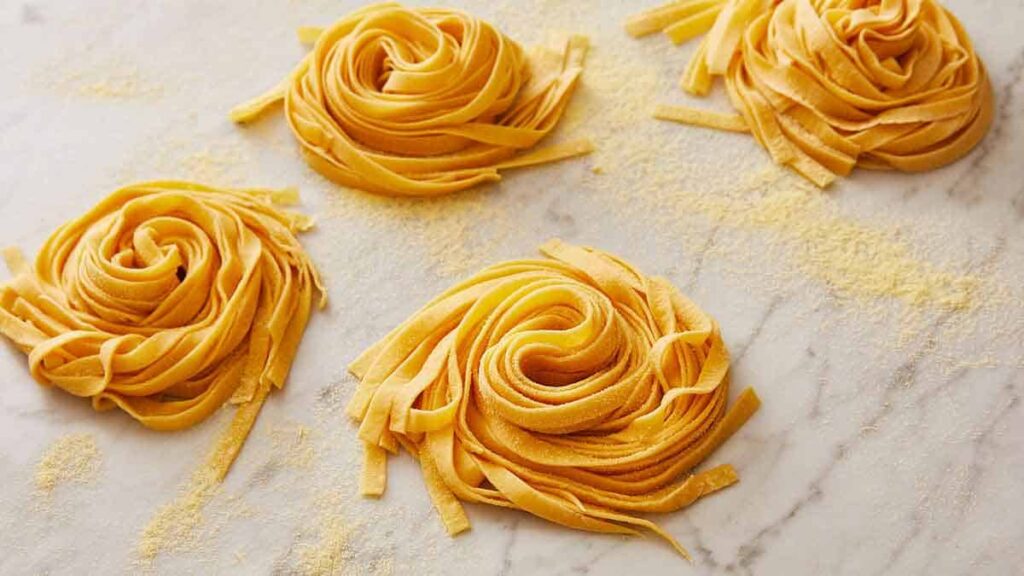
Making homemade pasta is easy and only requires flour, eggs, and olive oil. With the right tools and techniques, you can make just as good as store-bought pasta. We’ll show you how to make homemade pasta, including recipes and techniques.
Homemade pasta has many advantages. You can pick the flour and eggs, making it right for you. It’s also healthier because it has fewer preservatives than store-bought pasta.
Introduction to Homemade Pasta
Making homemade pasta is fun and rewarding, whether you’re a pro or just starting. You can make all sorts of pasta, from spaghetti to pici. We’ll teach you the basics, like what to start and how to make perfect pasta.
Key Takeaways
- Making homemade pasta is a simple process that requires only a few ingredients, including all-purpose flour, eggs, and olive oil.
- Homemade pasta offers many benefits, including the ability to control the ingredients and the freshness of the pasta.
- You can create delicious homemade pasta that rivals store-bought varieties with the right techniques and tools.
- Homemade pasta is often lower in preservatives and additives than store-bought pasta, making it a healthier option for pasta lovers.
- By making your pasta, you can choose the type of flour and eggs you use, allowing you to create a product tailored to your tastes and dietary needs.
- With practice and patience, you can master the art of homemade pasta making and enjoy a variety of delicious pasta dishes in the comfort of your home.
The Joy and Benefits of Making Homemade Pasta
Making fresh pasta at home is fun and rewarding. It lets you customize and get creative. You can make your pasta dough with simple tools like a rolling pin, dough scraper, and pasta cutter. Enjoy the many benefits that come with it.

Health Benefits of Fresh Pasta
Homemade pasta is healthier than store-bought. It has more protein, vitamins, and minerals. Adding herbs like basil, oregano, and thyme boosts flavour and health.
Cost Savings vs Store-Bought Pasta
Homemade pasta is cheaper. It uses flour, eggs, and water, which are affordable. Buying these in bulk saves money. Making big batches for later also cuts costs.
Customization Possibilities
Making pasta at home lets you try different shapes and flavours. You can make spaghetti, fusilli, and ravioli. Homemade pasta holds sauce better, making dishes taste richer. You can also:
- Put different flavours and ingredients in the dough
- Try out various shapes and sizes
- Pair it with many sauces and toppings
Essential Equipment for Perfect Pasta Making
To make perfect easy homemade pasta, you need the right tools. Experts say the right equipment is key for tasty homemade pasta sauce and pasta. Here are the must-haves:
A pasta machine is essential for uniform pasta sheets. Hand-cranked machines have 1-6 or 1-8 settings for different thicknesses. You might also want an electric pasta machine for easier use.
You’ll also need a sharp knife, a kitchen scale, and a wooden pastry board. Italian rolling pins are great for rolling out pasta dough. Here are some prices for these tools:
- Marcato Atlas Pasta Machine: $109
- Escali Primo Lightweight Scale: $27
- Dexter-Russell Bench Scraper With Rosewood Handle: $11
- Vermont Rolling Pins & Co. Long Pasta Rolling Pins: $125
With the right tools, you can make perfect homemade pasta. Enjoy delicious homemade pasta sauce with your loved ones.
| Equipment | Price |
|---|---|
| Marcato Atlas Pasta Machine | $109 |
| Escali Primo Lightweight Scale | $27 |
| Dexter-Russell Bench Scraper With Rosewood Handle | $11 |
| Vermont Rolling Pins & Co. Long Pasta Rolling Pins | $125 |
Your Ingredients for Homemade Pasta
To make delicious homemade pasta, you need top-notch ingredients. The flour you choose greatly affects the pasta’s texture and taste. For instance, Italian Tipo “00” flour makes the dough soft and pliable, perfect for homemade pasta shapes with a homemade pasta machine.
Eggs play a big role in pasta dough. They add moisture, colour, and flavour. A mix of 3 eggs and 1 yolk is often used in homemade pasta recipes. In Northern Italy, pasta is made with soft wheat flour and eggs. In Southern Italy, it’s made with water and flour.
Here are some key ingredients and their functions:
- All-purpose flour: provides structure and texture
- Eggs: add moisture, colour, and flavour
- Olive oil: helps to create a smooth dough
- Salt: enhances the flavour of the pasta
By knowing the role of each ingredient, you can make tasty and authentic homemade pasta shapes with your homemade pasta machine.
| Ingredient | Function |
|---|---|
| All-purpose flour | Provides structure and texture |
| Eggs | Add moisture, colour, and flavour |
| Olive oil | Helps to create a smooth dough |
| Salt | Enhances the flavour of the pasta |
Mastering the Basic Pasta Dough Recipe
You need to get the basic pasta dough to make delicious homemade pasta dishes. A simple recipe calls for 2 cups of all-purpose flour, 3 large eggs, and 1/2 teaspoon of salt. But, some recipes mix ’00’ flour and semolina flour for a traditional feel.
It’s key to weigh both flour and eggs when making homemade pasta. This ensures a perfect dough every time. Egg sizes can change the dough’s consistency, so a scale is best. Letting the dough rest for at least 30 minutes at room temperature helps. It lets the flour soak up the eggs, making the dough smoother and easier to knead.
Here are some tips for making the perfect pasta dough:
- Use a combination of ’00’ flour and semolina flour for a traditional texture
- Weigh both the flour and eggs for consistency
- Rest the dough for at least 30 minutes to allow hydration
By following these tips and mastering the basic pasta dough recipe, you’ll be able to create various delicious homemade pasta dishes. These dishes are sure to impress your family and friends.
| Ingredient | Quantity |
|---|---|
| ’00’ flour | 360g |
| whole eggs | 135g |
| egg yolks | 85g |
Step-by-Step Kneading and Resting Techniques
To make perfect homemade pasta, you need to get good at kneading and resting. Kneading makes the dough chewy by developing gluten in the flour. As many pasta recipes show, it’s key to knead and rest the dough right.
Hand Kneading Methods
Hand kneading is a traditional way that works well. Start by pressing the dough with your heel, then fold it back up. Keep doing this to make the dough smooth and elastic, perfect for pasta.
Machine Kneading Tips
Using a machine can make things easier. A stand mixer with a dough hook attachment is great. Just add your ingredients and let it knead for you. It’s perfect for big batches of pasta, saving time and effort.
Proper Dough Resting Times
After kneading, let the dough rest. This lets the gluten relax, making the dough easier to roll out. The resting time varies based on flour type and humidity. But, rest the dough for at least 30 minutes to an hour, as many recipes suggest.
Rolling and Shaping Your Fresh Pasta
Now that your homemade pasta dough is ready, it’s time to shape it. This part of making fresh pasta at home is fun and creative. You can make many shapes, like spaghetti, fettuccine, and pappardelle.
To begin, roll out your pasta dough to the right thickness. You can use a pasta machine or a rolling pin. Start with the thickest setting on the pasta machine and get thinner as you roll. For a rustic look, roll it by hand with a rolling pin.
Here are some tips for shaping your fresh pasta:
- Use a sharp knife or pasta cutter to cut your pasta into the desired shape.
- Shape your pasta right after rolling to prevent it from drying out.
- Use tools like a fork or pasta shape maker to create different textures and patterns.
With practice, you’ll make many delicious pasta dishes with your fresh pasta at home. Always use the best ingredients and take your time. This way, you’ll get the best results with your homemade pasta dough. Soon, you’ll be a pasta-making pro.
| Pasta Shape | Description |
|---|---|
| Spaghetti | Long, thin strands of pasta |
| Fettuccine | Wide, flat noodles made from egg and flour |
| Pappardelle | Wide, flat noodles with a rough texture |
Creating Different Pasta Shapes and Styles
You can make many pasta shapes with simple kitchen tools. Making easy homemade pasta is fun and creative. Use a rolling pin, knife, and fork to make shapes like hand-cut pasta, gnocchi, and farfalle.
Think about the pasta sauce when making homemade pasta sauce. A light sauce goes well with thin shapes like fettuccine. Thicker shapes like penne need heartier sauces.
Traditional Shapes Guide
Traditional pasta shapes include orecchiette, malloreddus, and cavatelli. These are made with semolina flour and don’t need egg yolks. Knowing the flour’s protein content is important for the right pasta texture.
Filled Pasta Variations
Filled pasta like ravioli and tortellini can have many fillings. Use the right flour and knead well to keep the shape. This ensures your filled pasta turns out right.
Decorative Pasta Techniques
Decorative pasta techniques can make your dishes special. Use a skewer or needle for spiral shapes like busiate. A serrated knife can make orecchiette. With practice, you can make beautiful homemade pasta to enjoy with your favourite homemade pasta sauce.
| Pasta Shape | Flour Type | Egg Yolks Required |
|---|---|---|
| Fettuccine | 00 Flour | Yes |
| Orecchiette | Semolina Flour | No |
| Ravioli | 00 Flour | Yes |
Drying and Storing Your Handmade Pasta
To keep your handmade pasta fresh, drying and storing it right is key. Lay your pasta shapes on a floured surface for 15 minutes to dry. This helps prevent them from sticking together. If you use a pasta machine, follow its drying and storing tips.
Keep your pasta in the fridge for up to 2 days for short-term storage. But, it tastes best when eaten within a day. For longer storage, freeze it for up to a month or dry it for later. Dry your pasta slowly to avoid mold. Use a clean towel or pasta drying rack, turning it often.
Short-Term Storage Methods
- Store fresh pasta in the refrigerator for up to 2 days
- Freeze fresh pasta for up to a month
- Dry pasta for later use, making sure to dry it slowly and thoroughly
Long-Term Preservation Tips
Use a food dehydrator or a low-temperature oven to keep your pasta fresh longer. Store dried pasta in an airtight container. This way, you can enjoy your homemade pasta for weeks, whether made by machine or hand.
Common Troubleshooting Tips for Pasta Making
When making homemade pasta, knowing common problems is key. To make perfect homemade pasta dishes, fix mistakes quickly. Overworking the dough makes it dense and tough. Underworking makes it soft and fragile.
Understanding dough hydration is vital. Most pasta doughs need 55-57% water. Some shapes need less, around 48-50%, for better texture. Using a scale for ingredients is better than cups because flour and eggs vary in weight.
Here are some tips to fix common problems:
- For dry pasta dough, add water slowly until it’s right. Keep the 55-57% hydration ratio.
- Too wet dough? Add flour a bit at a time while kneading to get the right feel.
- Knead dough for about 15 minutes. This builds strong gluten for better texture.
By using these tips, you can make delicious homemade pasta dishes. Choose top-notch ingredients like double-zero flour. And always weigh your ingredients for the best results.
| Common Issue | Solution |
|---|---|
| Dry pasta dough | Add water gradually until workable |
| Wet pasta dough | Sprinkle with flour during kneading |
| Underworked dough | Knead for an additional 5-10 minutes |
Serving Your Fresh Pasta Creations
Congratulations on mastering homemade pasta! Now, it’s time to show off your skills. Choose the right pasta shape for your sauce or topping. Twirl long pasta around a fork or nestle ravioli in tomato sauce.
Don’t forget to add fresh herbs, grated cheese, or olive oil. These touches make your dish look amazing.
The beauty of homemade pasta is in its simplicity. Enjoy each bite and try new flavours. There’s always something new to try, from spaghetti Bolognese to lemon-infused linguine. Share your creations with family and friends.