


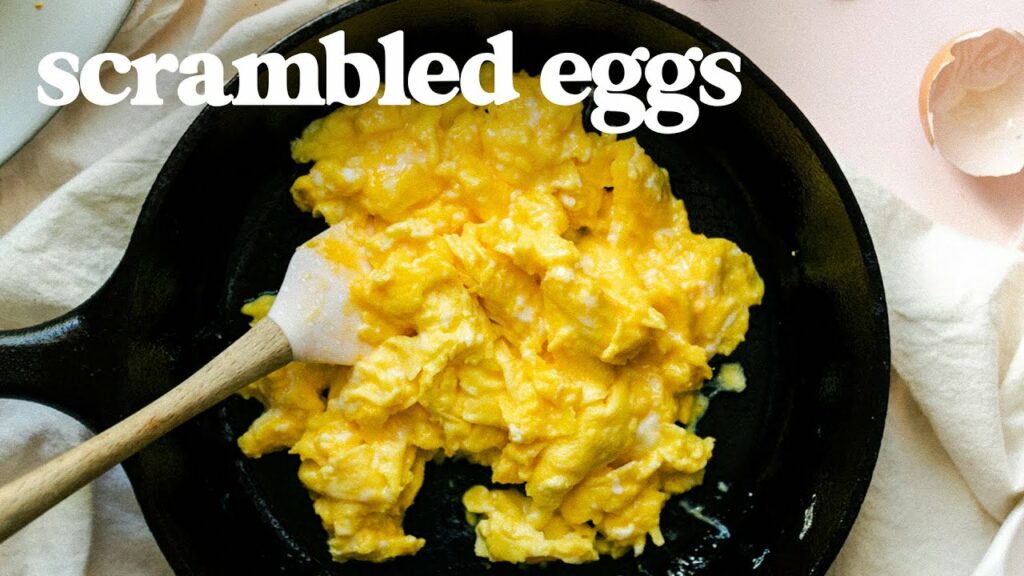
Scrambled eggs are a simple yet rewarding breakfast choice. They’re perfect for both new cooks and seasoned chefs. This recipe shows that making fluffy scrambled eggs is easy without fancy tools or ingredients.
With a few techniques, you can make mornings better with creamy, tasty eggs. If you’ve struggled to make perfect scrambled eggs, don’t worry. This guide will help you improve your cooking skills.
Key Takeaways
- The total time for making scrambled eggs is approximately 15 minutes.
- This recipe yields two servings, perfect for a light breakfast.
- Fluffy scrambled eggs require only four large eggs and minimal seasoning.
- Utilising low heat is crucial for achieving a creamy texture.
- Whisking the eggs well incorporates air, leading to that sought-after fluffiness.
- Using unsalted butter enhances the rich flavour of the eggs without overwhelming them.
- Don’t hesitate to experiment with various add-ins to personalise your scrambled eggs!
Scrambled Eggs: The Basics
Scrambled eggs are a classic breakfast dish loved by many. They are easy to make and versatile. To make the best scrambled eggs, whisk them and cook them gently until they are fluffy and soft. Stir them constantly to avoid them sticking or browning.
Scrambled eggs vary across different cultures and regions. Some like them creamy, while others prefer them fluffier. Adding butter, milk, or crème fraîche can make them tender and rich.
Chef Gordon Ramsay’s scrambled eggs recipe is a hit, with a perfect rating and serving three people. It uses six cold, organic, free-range eggs, 1.5 tablespoons of butter, and seasoning. A teaspoon of crème fraîche adds extra creaminess, showing how simple ingredients can make a big difference.
Know the key ingredients, cooking time, and stirring method to make delicious scrambled eggs. Cooking takes about six minutes, with three minutes of active stirring. Adding fresh tomatoes, mushrooms, or smoked salmon can make them even better, making scrambled eggs a versatile dish for any time.
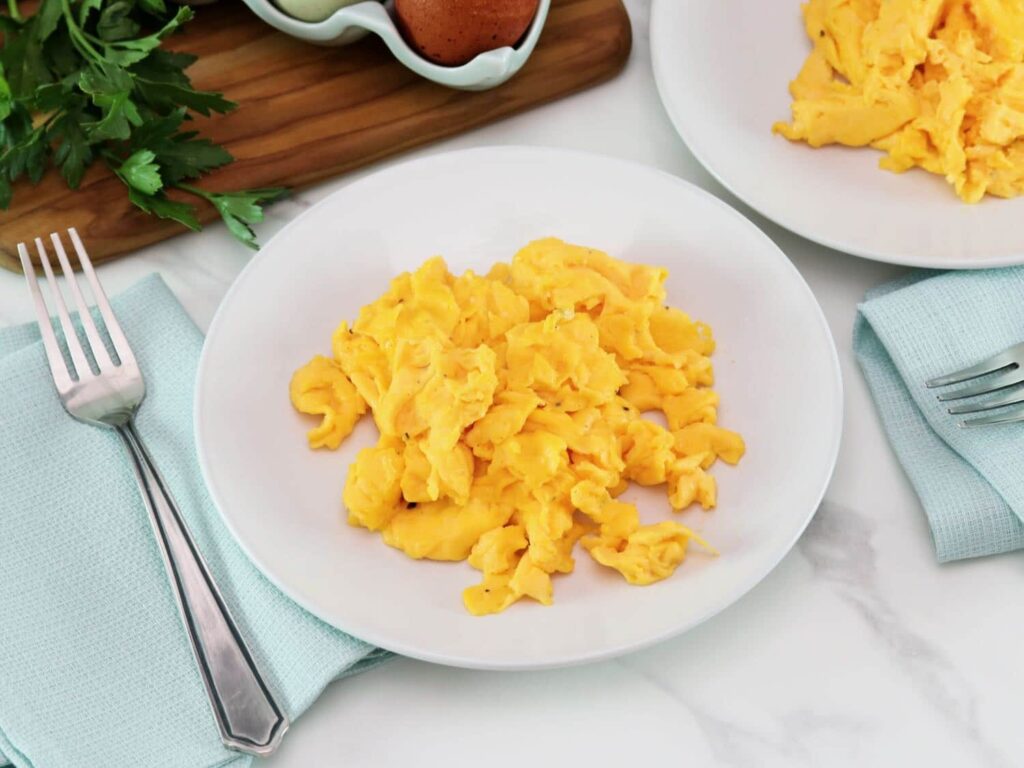

How to make scrambled eggs
Making perfect scrambled eggs needs a few key ingredients and knowing about freshness. Understanding these points helps you make easy scrambled eggs that taste and feel right. Here’s what you need to know about the essential ingredients and the importance of egg freshness.
Essential Ingredients for Scrambled Eggs
For delicious scrambled eggs, focus on these essentials:
- Eggs (three large eggs for the best results)
- Butter or oil (butter adds flavour, and both prevent sticking)
- Salt (a pinch of kosher, sea, or flaky salt for a refined finish)
- (Optional) Milk, cream, or water (each adds different texture and richness)
The type of fat you use changes the dish’s richness. You can make easy scrambled eggs with oil, but butter makes them taste amazing.
Importance of Egg Freshness
Using fresh eggs is key for the right texture in scrambled eggs. Fresh eggs have firmer, creamier whites that make the eggs softer and more custardy. Choose eggs with a recent sell-by date for the best results. Whether you’re making breakfast for one or two, fresh eggs make a big difference.
For a special twist, try adding Greek yoghurt to your scrambled eggs. It makes them fluffier, richer, and slightly tangy. This unique addition can turn simple scrambled eggs into a delicious treat.
| Ingredient | Function | Notes |
|---|---|---|
| Eggs | Main ingredient | Three large eggs provide ideal texture |
| Butter or Oil | Prevents sticking | Butter adds flavour, while oil is a lighter option |
| Salt | Seasoning | Kosher, sea or flaky salt recommended |
| Milk/Cream/Water | Enhances texture | Choose based on desired richness or fluffiness |
The Best Scrambled Eggs Technique
You need to know a few key techniques to make perfect scrambled eggs. Cooking eggs slowly over low heat is essential for a creamy texture. Whisking eggs well also helps, making them light and fluffy.
Using Low Heat for Creaminess
Cooking eggs on low heat is key for a creamy texture. High heat can make eggs dry and tough. Use a nonstick skillet on low heat and stir gently with a silicone spatula.
Stirring continuously while cooking is important. It helps the eggs cook evenly and stay moist. This patience will make your scrambled eggs the best they can be.
Whisking Eggs: Incorporating Air for Fluffiness
Whisking eggs before cooking is crucial for fluffy scrambled eggs. It adds air to the eggs, making them light and airy. Adding a bit of liquid while whisking helps keep them moist.
Adding a pinch of salt can also enhance the flavour. Whisking and stirring gently while cooking keeps the eggs fluffy. This way, they won’t become tough or rubbery.
| Technique | Description | Benefits |
|---|---|---|
| Low Heat | Cooking on low to moderate heat | Retains moisture; prevents toughness |
| Continuous Stirring | Gently stirring with a silicone spatula | Ensures even cooking; smooth texture |
| Whisking | Incorporating air before cooking | Results in fluffy scrambled eggs |
| Adding Liquid | Incorporating 1 tbsp of liquid per egg | Keeps eggs moist and enhances flavour |
Key Tips for Perfectly Fluffy Scrambled Eggs
Pay close attention and use a few key techniques to make fluffy scrambled eggs. Avoiding common mistakes and knowing how to use butter and seasoning can make your eggs special. Here are some top tips to get your scrambled eggs just right.
Avoiding Common Mistakes
Here are some tips to avoid mistakes when making fluffy scrambled eggs:
- Use low heat: High heat can make eggs tough and dry. Use a medium-low heat for even cooking.
- Prioritise whisking: Whisk eggs well for at least a minute. This adds air and makes them light.
- Avoid multitasking: Focus only on the eggs while cooking to prevent overcooking or drying out.
- Choose the right utensils: Use a silicone spatula to stir eggs gently without scratching your pan.
- Pre-salt wisely: Salting eggs before cooking helps keep them moist and tender.
- Prepare ingredients ahead: Have all your ingredients ready before starting to avoid mistakes.
The Role of Butter and Seasoning
Butter and seasoning can greatly improve the taste and texture of scrambled eggs. Here are some tips for making your eggs even better:
- Utilise quality butter: Two tablespoons of salted butter add richness and a smooth finish.
- Season appropriately: Add salt and pepper to taste, ensuring the seasoning complements the eggs’ natural flavour.
- Explore secret ingredients: Adding heavy cream, sour cream, or cream cheese can make your eggs creamier and more flavourful.
Fluffy scrambled eggs are not only delicious but also nutritious. A serving provides about 227 calories, 8g of protein, and 22g of fat. They can be cooked in just 5-10 minutes, making them a quick and satisfying meal for any time of day.
| Nutritional Information | Per Serving |
|---|---|
| Calories | 227 |
| Carbohydrates | 1g |
| Protein | 8g |
| Fat | 22g |
| Saturated Fat | 13g |
| Cholesterol | 93mg |
| Sodium | 288mg |
| Sugar | 1g |
| Vitamin A | 633IU |
| Calcium | 204mg |
| Iron | 1mg |
Variations on the Classic Scrambled Eggs Recipe
Scrambled eggs are a great way to get creative in the kitchen. You can turn simple scrambled eggs into something special with a few tweaks. Try adding herbs, cheese, or meats to make them stand out.
- Herbs: Fresh chives or dill add a burst of flavour.
- Cheese: Feta or cheddar make them creamy and rich.
- Vegetables: Spinach, tomatoes, or bell peppers add colour and nutrients.
- Meats: Smoked salmon or crispy bacon add a luxurious touch.
- Spices: Turmeric or curry powder give a unique taste.
These changes keep the eggs fluffy, cooked on low heat. A soft scrambled egg recipe serves three and is ready in 10 to 15 minutes.
Scrambled eggs are great in many dishes. Try them in breakfast baps, bacon cups, or a prawn and egg stir-fry. They suit many diets, including vegetarian and low-carb ones.
For brunch or a late breakfast, these variations are perfect. They keep the comfort of scrambled eggs but let you explore new flavours.
Delicious Add-Ins for Scrambled Eggs
Make your scrambled eggs a treat with different add-ins. Try adding crumbled sausage or smoked salmon for a tasty twist. Bacon bits also add a rich flavour when cooked first.
Mashed black or pinto beans can boost protein and texture. Herbs like chives, dill, or parsley can improve your eggs. Adding sour cream or Greek yoghurt makes them creamy and luxurious.
Cheddar, goat cheese, or Gruyere are great options for cheese fans. Fresh veggies like asparagus or cherry tomatoes add colour and nutrition. Sauces like Worcestershire or soy can also add depth. These add-ins make breakfast delicious and nutritious.