



Managing your weight is key for good health. It’s about knowing how metabolism and calories work. Your age, genes, and lifestyle also influence your weight.
Learning to manage your weight well can lower health risks. This includes heart disease, high blood pressure, stroke, and diabetes. It can also make your life better with good weight management tips.
Your daily calorie needs depend on your age, sex, height, weight, and how active you are. Calculations can help meet your specific needs for a healthy weight. Eating smaller portions and choosing healthier foods can help you lose weight.
For those trying to gain weight, eating more often can be helpful. Following these tips and keeping a healthy weight can prevent serious health issues. It can also improve your overall health and well-being.
The Basics of Weight Management
When it comes to weight loss strategies, knowing how our body works is key. The goal is to balance the calories we eat with the calories we burn. This balance is vital for maintaining a healthy weight. Losing just 5% of our weight can greatly reduce the risk of chronic diseases.
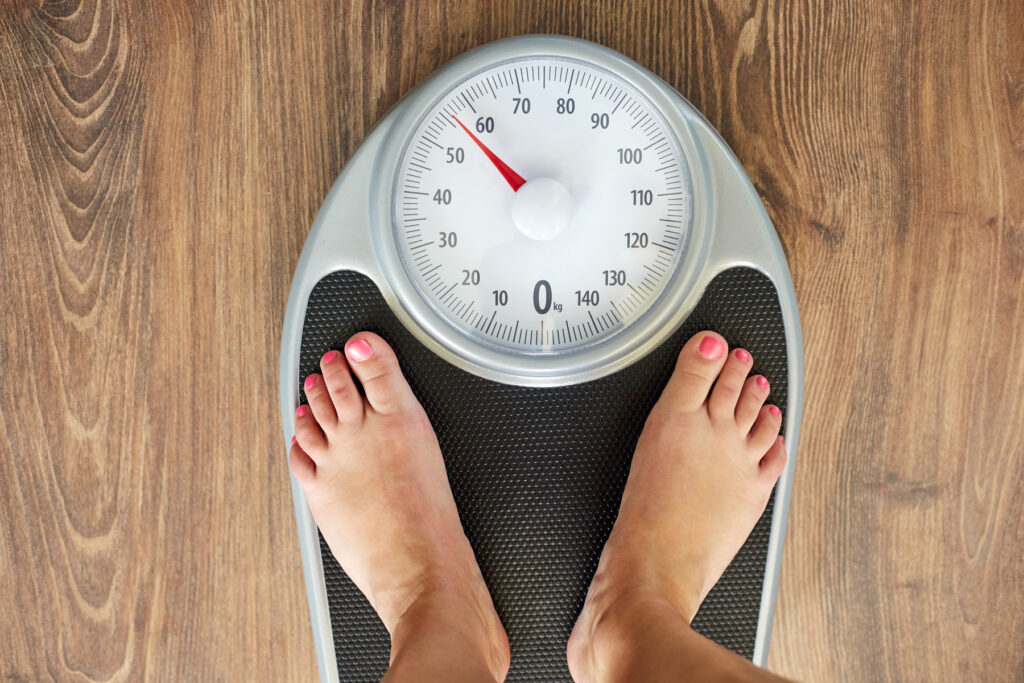

Metabolism is at the heart of weight management. It’s how our body turns food into energy. As we get older, our metabolism slows, making weight loss harder. But, we can beat this and reach our goals with the right weight loss strategies.
The Science Behind Weight Control
The science of weight control is straightforward: calories in versus calories out. Eating more calories than we burn leads to weight gain. Losing weight means burning more calories than we eat. By grasping this, we can find weight loss strategies that suit us.
Calories In vs. Calories Out
To maintain a healthy weight, we must match our calorie intake with our expenditure. This can be done by eating well and staying active. Small changes, like taking the stairs or eating more fruits and veggies, can help us reach our goals and boost our health.
Role of Metabolism in Weight Management
Metabolism is essential for managing weight. As we age, our metabolism slows, making weight loss harder. But, adding strength training to our routine can boost our metabolism and help us meet our weight goals. Understanding metabolism’s role helps us find effective weight loss strategies.
Creating Your Personal Weight Management Goals
Setting realistic and achievable goals is key for effective weight management. It’s important to know your current lifestyle, likes, and limits. Health experts say losing 500 to 750 calories daily is a good goal. You can do this by being more active or eating healthier.
When setting your weight management goals, keep these tips in mind:
- Set specific and measurable goals, like losing a certain amount of weight or reducing body fat percentage.
- Make sure your goals are realistic and achievable, considering your lifestyle and preferences.
- Focus on weight management techniques that promote lasting lifestyle changes, not quick fixes or fad diets.
The secret to effective weight management is making slow, lasting changes. You can get healthier and more balanced by setting realistic goals and adding healthy habits to your daily life.
The Role of Nutrition in How to Manage Your Weight
A good weight management plan is key to staying healthy. Nutrition is vital because it gives the body the fuel it needs. A balanced diet should include many fruits, veggies, whole grains, and lean proteins.
Creating a weight management plan means focusing on balanced meal planning. This means eating various foods and avoiding sugary drinks and unhealthy snacks. Also, using portion control strategies helps manage how much you eat. Healthy snacks like fruits and nuts can help you feel full and support weight loss.
Key Principles of a Healthy Diet
- Eat a variety of foods from all food groups
- Limit intake of sugary drinks and unhealthy snacks
- Control portion sizes to manage calorie intake
- Incorporate healthy snacking options into your diet
You can manage weight by sticking to these principles and planning well. This will also boost your health and happiness.
Physical Activity and Exercise Essentials
Regular physical activity is key for healthy weight management. It helps burn calories and build muscle. The American College of Sports Medicine suggests weekly 150 minutes of moderate-intensity aerobic activity. This breaks down to 30 minutes daily, five days a week.
To manage your weight through exercise, choose activities you like. This way, you’ll stick with them longer. Brisk walking, cycling, and swimming are good examples. Adding strength training to your routine can also help.
Here are some tips to start with physical activity and exercise:
- Begin with 10-15 minutes of exercise daily and increase as you get better
- Having a workout buddy or joining a fitness class can keep you motivated
- Try different exercises to find what suits you best
- Make physical activity a part of your daily routine, like any other important task
Combine regular exercise with a balanced diet and a healthy lifestyle for successful healthy weight management. You can reach your weight loss goals by prioritising exercise and enjoying it. And keep a healthy weight in the long run.
Developing Healthy Eating Habits
Healthy eating is key for a healthy weight and overall health. It’s important to develop habits like mindful eating and understanding food labels. This helps make better food choices and avoid unhealthy habits.
Some bad eating habits include eating too fast and always finishing your plate. Seeing unhealthy snacks and being stressed can also lead to bad eating. To eat better, eat slowly and focus on portion sizes.
Mindful Eating Techniques
Mindful eating means paying attention to how you eat. This includes savouring each bite and eating slowly. It helps you have a healthier relationship with food and avoid eating impulsively.
Meal Timing and Frequency
Planning meals helps you eat well and avoid bad choices. Eat three main meals and one or two snacks daily. It’s also key to celebrate your successes and learn from failures.
Reading Food Labels Effectively
Reading food labels is vital for good food choices. Look for these things on labels:
- Calorie intake: men need about 2,500 calories, women about 2,000 calories daily
- Starchy carbohydrates should be over one-third of your diet
- Fruit and vegetables: aim for 5 portions a day
- Saturated fat: men should have no more than 30g, women no more than 20g daily
- Salt intake: adults should not have more than 6g of salt daily
By following these tips, you can stay healthy and reduce disease risk. Changing your eating habits takes time and effort. But with the right choices and habits, you can eat better and stay healthy.
The Psychology of Weight Management
Understanding the psychological factors that affect our eating habits is key to effective weight management. A good weight management plan must consider the emotional and mental sides of losing weight. Studies show that a daily food log helps people lose weight more successfully.
Setting realistic goals and having social support are also important. These factors can help you stick to your weight loss plan. Some effective strategies include:
- Setting realistic and achievable goals
- Seeking support from friends, family, or a professional
- Practicing mindful eating and paying attention to hunger cues
- Avoiding emotional eating and finding healthier coping mechanisms
By using these strategies, you can boost your chances of success in weight management. Cognitive behavioural therapy (CBT) can also improve weight loss results. Plus, regular exercise, like 30 minutes of moderate activity daily, supports weight loss efforts.
| Strategy | Benefits |
|---|---|
| Regular goal setting | Increases likelihood of achieving weight loss changes |
| Social support | Promotes weight loss and assists in weight management |
| Mindful eating | Helps individuals pay attention to hunger cues and avoid emotional eating |
Tracking Progress and Making Adjustments
Managing weight well means monitoring how you’re doing and tweaking your plan when needed. Tools like mobile apps can help with this. They let you see how you’re doing and motivate you to hit your targets.
Here are some ways to track your progress:
- Use apps and tools to watch your food and exercise
- Look at more than just weight, like body fat and health
- Change your plan if you hit a roadblock
Adding these steps to your weight plan can boost your success. Keeping track of your progress can help. Studies show that tracking can make you 20-30% more likely to reach your goals.
Common Weight Management Challenges
Many people struggle with weight loss and healthy weight management. One big challenge is hitting a weight loss plateau. This happens when the body gets used to the diet and exercise, making it hard to lose more weight.
Another challenge is dealing with social situations that lead to unhealthy eating. Portion control is important in these situations. Being mindful of what you eat helps you stay on track with your weight loss goals. Emotional eating is also a common challenge; people eat for comfort or stress relief.
Dealing with Plateaus
To beat weight loss plateaus, try changing your exercise or diet. Adding high-intensity interval training (HIIT) or more intense workouts can help. It’s also key to track your progress and adjust as needed to keep losing weight.
Managing Social Situations
Managing social situations requires a plan. Eat a healthy meal before going out or bring a healthy dish to share. Being mindful of what you eat helps you stay on track with your weight loss goals.
Overcoming Emotional Eating
To beat emotional eating, try mindful eating. Pay attention to when you’re hungry or full, and eat slowly. Find healthy ways to deal with emotions, like exercise or meditation. This helps you manage emotional eating and maintain a healthy relationship with food.
Long-term Lifestyle Changes for Success
Creating a weight management plan is key to keeping a healthy weight. It’s about making lasting lifestyle changes, not quick fixes. Setting achievable goals and making slow progress is important for effective weight management.
For lasting success, balance is essential. Eat healthy foods and stay active. Choose protein-rich foods and cut down on carbs. Also, aim for 40 minutes of moderate to vigorous exercise, 3 to 4 times a week.
Here are some tips to stay motivated and track your progress:
- Keep a food diary to watch your eating habits
- Use a fitness tracker to monitor your activity
- Have regular check-ups with your healthcare provider
Remember, effective weight management is a long-term journey. It needs patience, dedication, and a commitment to lasting changes. By focusing on slow, steady progress and sticking to a weight management plan that suits you, you can keep a healthy weight for many years.
Building a Support System
Having a support system is key when trying to manage your weight. Studies show that people with support are more likely to reach their weight loss goals. This support can come from friends, family, or online groups.
These groups offer emotional backing and practical help and keep you accountable. They make you feel like you are part of a community working towards the same goals. Someone holding you accountable can also help you stick to your exercise and diet plans.
Some benefits of having a support system include:
- Emotional support and encouragement
- Practical help, such as meal preparation or childcare
- Accountability and motivation to stay on track
- Shared goals and a sense of community
To build a strong support system, surround yourself with positive people. This can be friends, family, or online groups that share your goals. With a solid support system, you’ll have a better chance of success in managing your weight.
| Support System Benefits | Weight Loss Success |
|---|---|
| Emotional Support | 42% more likely to achieve weight loss goals |
| Accountability Partner | 78% increase in adherence to exercise plans |
| Online Communities | 25% higher success rate in maintaining healthy eating habits |
Your Journey to Sustainable Weight Management Starts Now
As you finish this guide, remember your journey to weight management and maintaining a healthy weight is ongoing. It’s not about quick fixes but a lifelong commitment to your health. You can reach your goals and enjoy a healthier life with the right mindset and support.
Take the lessons from this article to heart. Approach your journey with patience, persistence, and kindness to yourself. Celebrate your wins, learn from setbacks, and adapt to your needs. Remember, sustainable weight management is about finding a balance that suits you.
Surround yourself with people who support you, like family, friends, or healthcare professionals. Use tools like fitness apps and online communities to track your progress and stay inspired.
Your journey to maintaining a healthy weight is personal, but you’re not alone. Use this chance to focus on your health, stay positive, and explore the benefits of feeling your best. Your path to sustainable weight management begins today.
FAQ
What are the key aspects of weight management covered in this article?
This article talks about why managing weight is key for health. It explains the science behind controlling weight and setting personal goals. It also covers the role of nutrition and exercise in weight management.
It discusses developing healthy eating habits and the psychology of managing weight. It also discusses tracking progress, overcoming challenges, and making long-term lifestyle changes. Lastly, it emphasizes the importance of building a support system.
How does metabolism affect weight management?
Metabolism is vital for managing weight. The article explains how metabolism changes over time. It affects how well you can control your weight.
What are the key components of creating a personalized weight management plan?
Creating a personalized plan is essential. The article suggests setting realistic goals that fit your lifestyle. It guides on making a plan that includes nutrition, exercise, and lifestyle factors.
How can nutrition and healthy eating habits support weight management?
Nutrition is key for managing weight. The article covers balanced meal planning and portion control. It also talks about healthy snacking and reading food labels.
What is the importance of physical activity and exercise in weight management?
Regular physical activity is important. The article highlights the benefits of exercise. It provides examples of exercises and tips to increase daily movement.
How can psychological factors influence weight management?
Psychological factors play a big role in managing weight. The article discusses motivation, stress, and emotional eating. It offers advice on staying motivated and seeking support.
What are some tips for tracking progress and adjusting a weight management plan?
Tracking progress is important. The article suggests using tools and apps. It also talks about measuring success and making adjustments as needed.
How can one overcome common weight management challenges?
Dealing with challenges is part of the journey. The article addresses weight loss plateaus and managing social situations. It provides strategies for overcoming these obstacles.
Why is focusing on long-term lifestyle changes important for successful weight management?
Long-term changes are key for success. The article emphasizes the importance of sustainable changes. It offers tips on maintaining healthy habits over time.
How can building a support system aid in weight management efforts?
Having a support system is beneficial. The article discusses finding accountability partners and seeking professional guidance. It also talks about online communities and resources for support.