


Life can be complex, and taking care of your mental health is key. About 1 in 5 adults in the U.S. deal with mental health issues each year. It’s important to take steps to boost your mental wellness.
Adding simple yet effective habits to your day can lower your risk of chronic diseases by 30%. This guide will share valuable tips and strategies to help you improve your mental health.
Understanding the value of mental health is the first step. Simple exercise, eating well, and getting enough sleep can make a big difference. Joining in community activities, being thankful, and getting support from others can also help a lot.
In this guide, we’ll dive deeper into these ideas. You’ll find practical tips and strategies to help you become a happier, healthier version of yourself.
The Foundations of Mental Health
Starting your journey to better mental health is key. The National Institute of Mental Health says mental health is more than just not being sick. It’s about feeling good and living well. Adding mental health techniques to your day can boost your mood and life quality.
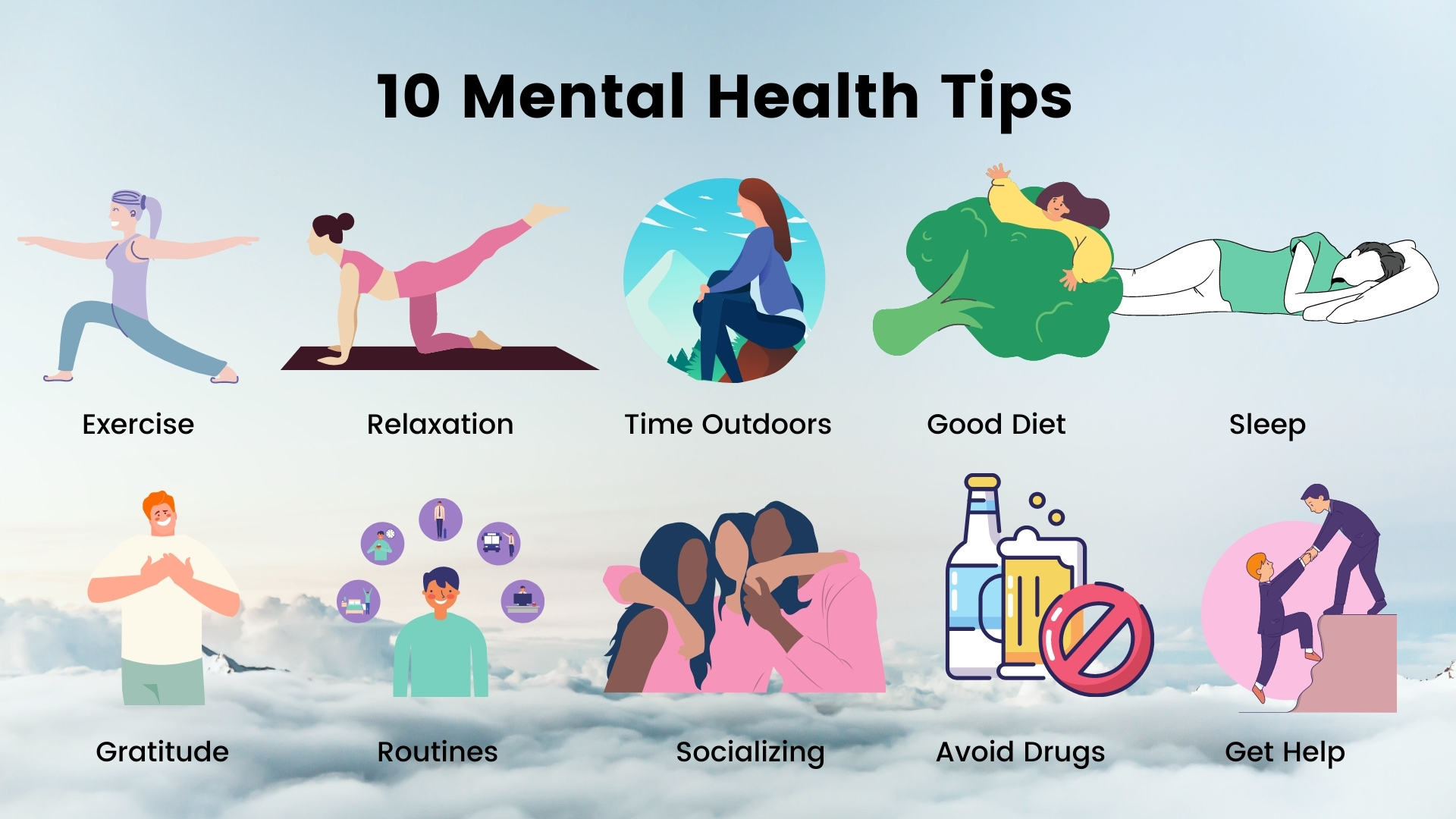

The link between mind and body is vital for mental health. Stress affects both body and mind, showing why mental health matters. Taking care of your mental health can also protect your physical health, like preventing heart disease and diabetes.
What Defines Good Mental Health
Good mental health means you can handle daily life, build strong bonds, and stay positive. Mental health techniques can improve your life and help you deal with stress and tough times.
The Mind-Body Connection
The mind-body connection is complex, linking brain, body, and feelings. Knowing this can help you improve your mental and overall health. For example, exercise and healthy food are good for your mind, while stress and anxiety are bad.
Common Mental Health Challenges
Many face anxiety, depression, and trauma. Getting help and support can help you beat these and feel better. Methods like therapy and support groups offer a safe space to work on mental health and well-being.
The Role of Physical Activity in Mental Wellness
Physical activity is key for good mental health. Adding exercise to your daily life can greatly improve your mental state. It helps lower stress and depression, and boosts your mood.
The National Institute of Mental Health says exercise is good for your mind. It can lessen anxiety and depression symptoms.
Physical activity offers many mental health benefits. These include:
- Reducing stress and anxiety
- Improving mood
- Enhancing self-esteem
- Improving sleep quality
- Increasing energy levels
You can improve your mental well-being by following mental health self-care tips, like regular exercise. Exercise is a powerful way to boost your emotional health.
Activities like walking, running, and yoga are great for your mind. They help reduce anxiety and depression. Adding these to your routine can greatly benefit your mental health.
| Physical Activity | Mental Health Benefits |
|---|---|
| Walking | Reduces stress and anxiety, improves mood |
| Running | Improves self-esteem, reduces symptoms of depression |
| Yoga | Enhances mental well-being, reduces anxiety and stress |
Nutrition and Its Impact on Mental Health
Nutrition is key for mental wellness. A healthy diet supports mental health. Foods rich in omega-3 fatty acids are good for the brain. The National Institute of Mental Health says a balanced diet can lower mental health disorder risks.
Eating brain-boosting foods is a mental health technique. Regular meals keep blood sugar stable, preventing tiredness and irritability. Even a little dehydration can mess with mood and focus, showing how important staying hydrated is.
Here are some important nutrition and mental health points:
- Healthy fats, like olive and nut oils, are vital for brain function.
- Whole grains, fruits, and vegetables give the vitamins and minerals for brain and body health.
- Eating protein with meals can help regulate mood because of its amino acids.
| Nutrient | Food Sources | Mental Health Benefits |
|---|---|---|
| Omega-3 fatty acids | Fatty fish, nuts, and seeds | Supports brain function and reduces inflammation |
| Complex carbohydrates | Whole grains, fruits, and vegetables | Provides energy and supports mood regulation |
| Protein | Lean meats, fish, eggs, and legumes | Supports mood regulation and provides essential amino acids |
Adding these mental wellness strategies to your daily life can improve your mental well-being. This supports your overall mental health.
Creating Healthy Sleep Habits for Better Mental Health
Getting enough sleep is key for mental health improvement methods. It helps control emotions and lowers stress. The National Institute of Mental Health says sleep is vital for mental health. Without enough sleep, mental health issues can get worse.
Staying to a sleep schedule is important to boost emotional well-being. Also, make your sleep area comfortable.
Here are some mental health self-care tips for better sleep:
- Go to bed and wake up at the same time every day.
- Have a calming bedtime routine, like reading or meditation.
- Stay away from screens and electronic devices before bed.
- Exercise regularly, but not right before bedtime.
By following these tips, you can sleep better and feel great. Remember, good sleep is key for mental health. By focusing on sleep, you take a big step towards better mental health and emotional well-being.
How to Improve Mental Health Through Daily Practices
Improving mental health needs daily habits that boost well-being. Adding mental wellness strategies to your daily life can lower stress and enhance mental health. The National Institute of Mental Health says meditation and mindfulness can reduce stress and improve mental health.
Effective techniques include morning routines, stress management, and evening relaxation. For instance, starting with a 10-minute meditation can set a positive day. Also, a 30-minute walk can lower stress and boost mood.
Morning Routines for Mental Wellness
A morning routine can greatly improve mental health by adding structure. It can include:
- Drinking a glass of water as soon as you wake up
- Spending 10 minutes meditating or practicing deep breathing exercises
- Getting some natural light exposure to help regulate your circadian rhythms
Stress Management Techniques
Managing stress is key for mental wellness. Some strategies include:
- Practicing yoga or tai chi to help reduce stress and improve mood
- Engaging in regular social interactions to help reduce feelings of loneliness
- Getting enough sleep each night to help regulate stress hormones
Evening Wind-down Practices
A consistent evening routine can help improve mental health by promoting relaxation. This can include:
- Reading a book or listening to calming music
- Practicing gentle stretches or yoga poses
- Writing in a journal to help process your thoughts and emotions
Adding these daily practices to your routine can boost your mental health and reduce stress. Start small, be consistent, and don’t hesitate to seek help if needed.
| Daily Practice | Benefits |
|---|---|
| Morning Meditation | Reduces stress, improves mood |
| Regular Physical Activity | Improves mood, reduces stress |
| Evening Journaling | Helps process thoughts and emotions, improves sleep |
Building Strong Social Connections
Remember how important social connections are when you think about mental health self-care tips. They help us deal with anxiety and depression, which is key for young adults. Studies show that those who feel supported by friends and family are 63% less likely to get depressed.
Here are some ways to make more friends and feel connected:
- Join social groups or clubs that match your interests
- Volunteer for causes you care about
- Take part in community events or activities
Doing these things can help you meet new people and build lasting relationships. It also makes you feel better emotionally. Focusing on social connections can improve your mental health and make you feel happier.
Creating strong social bonds takes time and work. But it’s worth it for your mental health. By valuing social connections, you get a stronger support system. This can lower stress and anxiety and make you feel better overall.
Mindfulness and Meditation Practices
Mindfulness and meditation are key to better mental health. They help reduce stress and improve your mood, says the National Institute of Mental Health. Adding these practices to your day can make life more balanced and fulfilling.
These practices can lower anxiety and depression, and even help you sleep better. Studies show they can also prevent depression from coming back. To start meditating, begin with short sessions and focus on your breath.
Getting Started with Meditation
Find a quiet spot to meditate. Start with 5-10 minute sessions and increase as you get more comfortable. Guided apps or videos can help you begin.
Breathing Exercises for Calm
Try deep breathing to relax. Inhale deeply, hold, then exhale slowly. Do this a few times, focusing on your breath.
Incorporating Mindfulness into Daily Life
Make mindfulness a part of your day. Pay attention while eating, walking, or doing chores. This increases awareness and appreciation for life, improving your mental health.
| Mindfulness Practice | Benefits |
|---|---|
| Meditation | Reduces anxiety and depression, improves sleep quality |
| Deep breathing exercises | Calms the mind and body, reduces stress |
| Mindful eating | Increases awareness of hunger and fullness cues, improves digestion |
Adding mindfulness and meditation to your routine can greatly improve your mental health. Start small and be patient. If you need help, don’t hesitate to seek professional advice.
Professional Support and When to Seek Help
Seeking professional help is key for mental health improvement. The National Institute of Mental Health says one in four adults in the U.S. face mental health issues yearly. If you’re finding it hard to care for your mental health, look out for signs you need help. These include big changes in how you act, sleep, or eat, trouble handling daily tasks, or thoughts of harming yourself.
Improving your mental health starts with taking action. The CDC says early help can lead to better outcomes. Most people with depression get better with treatment, with over 80% showing improvement. Therapy comes in many forms, like individual or group sessions. Usually, you’ll see your therapist once a week for 50 minutes.
Here are some tips for finding professional help:
- Check with your insurance to see what’s covered and what it costs
- Look into different therapy types, like CBT or psychodynamic therapy
- Ask about medication and its side effects
- Talk about what you hope to achieve with your therapist
Remember, asking for help is a sign of courage, not weakness. By taking this step, you’re on your way to better mental health. There are many resources to help you find a therapist, like the National Alliance for Mental Illness and SAMHSA.
| Resource | Description |
|---|---|
| National Alliance for Mental Illness | Provides education, support, and advocacy for individuals and families affected by mental illness |
| Substance Abuse and Mental Health Services Administration (SAMHSA) | Offers resources and referrals for mental health and substance abuse treatment |
Digital Wellness and Mental Health
Remember to focus on your mental health as you explore the digital world. Setting digital limits is key for adults spending over six hours a day on screens. It helps keep your mental well-being in check.
Creating a positive online space is vital for emotional health. Turn off unnecessary notifications and set times not to use devices. This can greatly improve your mental state.
Managing Digital Habits
- Set aside device-free times and days to reduce stress and improve mental health.
- Engage in offline activities that bring joy and enhance mental well-being
- Utilize online mental health resources, such as the 988 Suicide & Crisis Lifeline, for emotional support
You can lessen tech’s negative impact by following these digital wellness tips. Remember, taking care of your mental health is just a click away. It can greatly enhance your life’s quality and overall well-being.
| Digital Wellness Tips | Mental Health Benefits |
|---|---|
| Limit social media use | Reduced anxiety and stress |
| Practice mindfulness | Improved emotional well-being |
| Engage in offline activities | Enhanced mental health and relaxation |
Environmental Factors Affecting Mental Well-being
Remember how the environment affects your mind when thinking about mental health self-care tips. The National Institute of Mental Health says pollution and climate change can harm your mental health. But, being near green spaces and nature can help. Knowing this can help you improve your mental health.
Some important environmental factors to think about are:
- Air pollution, which can make depression and anxiety worse
- Climate change, causing stress and anxiety from extreme weather and rising temperatures
- Having access to green spaces, which can calm and restore your mental health
To protect your mental health, try these mental health improvement methods. Spend time in nature, cut down on pollution, and live sustainably. Small actions can make a big difference over time. Making eco-friendly choices helps you and your community stay healthy and sustainable.
The CDC says green spaces and nature are good for your mental health. They can lower anxiety and depression symptoms. By spending time in nature and supporting the environment, you can greatly improve your mental well-being.
Developing Emotional Intelligence
Emotional intelligence is key to good mental health. It helps you understand and manage your feelings. This skill makes your mental health better and helps you connect with others.
The National Institute of Mental Health says emotional intelligence is vital. It helps lower stress and boosts mental health.
Developing emotional intelligence has many benefits:
- Improved stress management through mental health techniques
- Enhanced self-awareness and self-regulation
- Stronger relationships and social connections
- Increased self-esteem and confidence
Mindfulness and self-compassion are important for emotional intelligence. Adding these to your daily routine can improve your emotional awareness. It also strengthens your relationships and boosts your mental wellness.
Remember, building emotional intelligence takes time and work. But it’s a great investment in your mental health and happiness.
| Emotional Intelligence Benefits | Percentage Improvement |
|---|---|
| Stress Management | 56% |
| Self-Esteem | 40% |
| Relationships | 70% |
Taking the First Step Towards Better Mental Health Today
Putting your mental health first is a big step towards feeling better. Using the tips and methods from this article, you can improve your mental health today. Remember, asking for help is a sign of strength, not weakness.
Many resources exist, like the Mental Health First Aid program. It has trained over 4 million people to help those with mental health issues. You can also talk to your doctor or look into online mental health tools and communities for support.
Your mental health is as important as your physical health. You can start living a healthier, happier life by taking care of yourself, building strong relationships, and getting professional help when needed. Don’t wait – your mental well-being is worth it.