


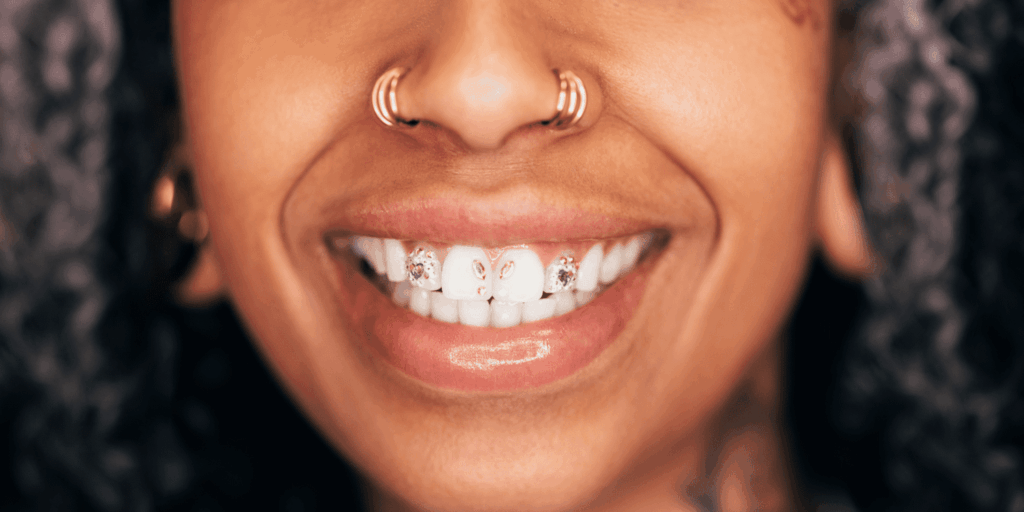
Are you considering getting your nose pierced but feeling unsure about the process? Nose piercings have become increasingly popular in recent years, but many people still have questions and concerns before taking the plunge.
Whether you’re worried about pain, healing time, or choosing the right jewelry, this comprehensive guide will address everything you need to know about nose piercings. From the initial procedure to long-term care, you’ll learn the ins and outs of this trendy form of body modification. By the end, you’ll feel confident and prepared to make an informed decision about whether a nose piercing is right for you.
What is Nose Piercing?
:max_bytes(150000):strip_icc()/SeptrilPiercingLead-e14fee228917402797c3f09be21607f7.png)

Nose piercing is a form of body modification that involves creating a small hole in the nostril or septum to accommodate jewelry. This ancient practice has been around for thousands of years and continues to be popular in many cultures worldwide. There are several types of nose piercings, each with its own unique aesthetic.
When you opt for a nose piercing, a professional piercer will use a sterile needle to create a small hole in your chosen location. The process is quick, typically taking only a few seconds. Afterward, the piercer will insert appropriate jewelry, such as a stud or ring, to keep the piercing open during the healing process.
Remember, a nose piercing requires commitment and care. Always consult a professional piercer to ensure a safe and hygienic experience.
Different Types of Nose Piercings
When it comes to nose piercing, there’s a world of options beyond the classic nostril stud. Let’s explore seven distinct types of nose piercings that can help you express your unique style.
Nostril Piercing

The nostril piercing is the most common type of nose piercing. It’s typically done on either the left or right side of the nose, through the fleshy part of the nostril. This versatile piercing can be adorned with studs, rings, or curved barbells, making it a popular choice for those new to nose piercings.
Septum Piercing


A septum piercing goes through the thin piece of cartilage that separates your nostrils. It’s often referred to as the “bull ring” piercing due to its resemblance to the rings worn by bulls. Septum piercings can be easily concealed by flipping the jewelry up into the nose, making them a favorite among professionals who need to maintain a conservative appearance at work.
Bridge Piercing
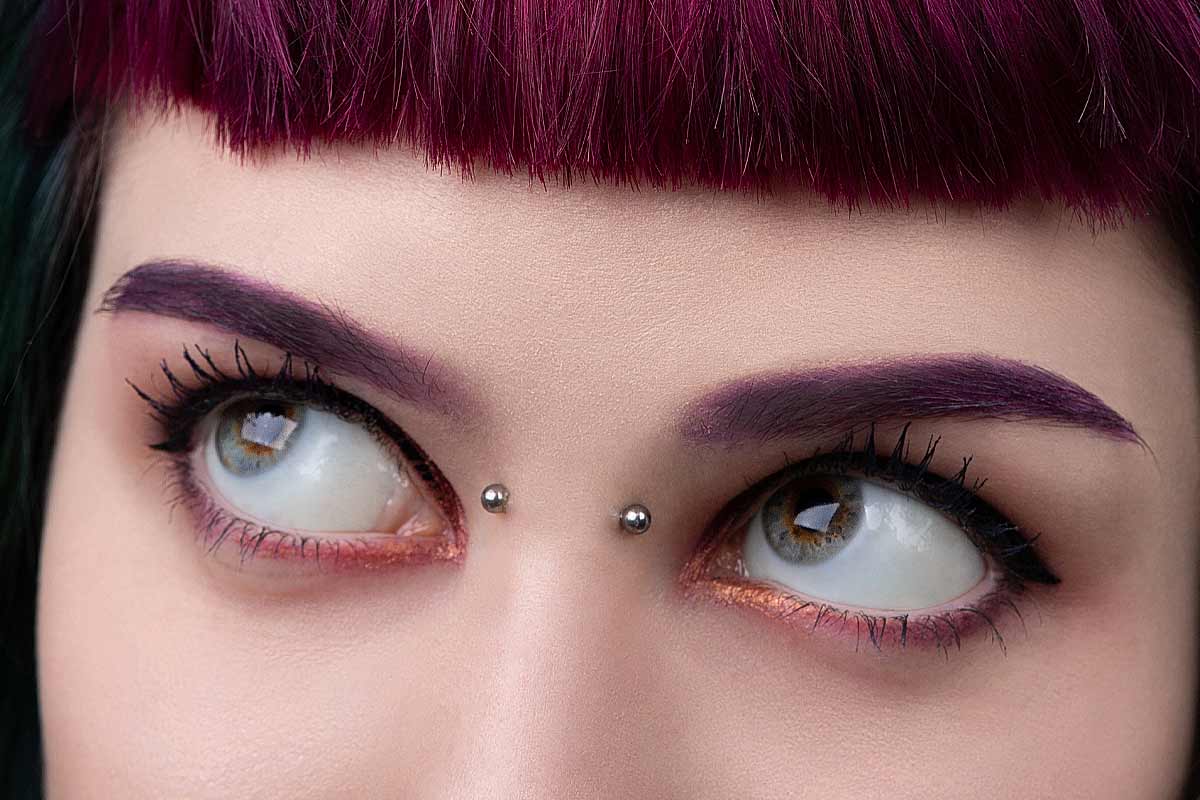

The bridge piercing is a surface piercing that goes horizontally through the skin at the top of the nose, between the eyes. It’s a bold statement piece that draws attention to your eyes. However, it’s important to note that bridge piercings have a higher rejection rate than other nose piercings due to their location.
Vertical Tip (Rhino) Piercing

This unique piercing enters at the tip of the nose and exits through the top, creating a striking vertical line. The rhino piercing is less common and requires careful consideration of your nose’s anatomy to ensure it can be done safely and effectively.
High Nostril Piercing
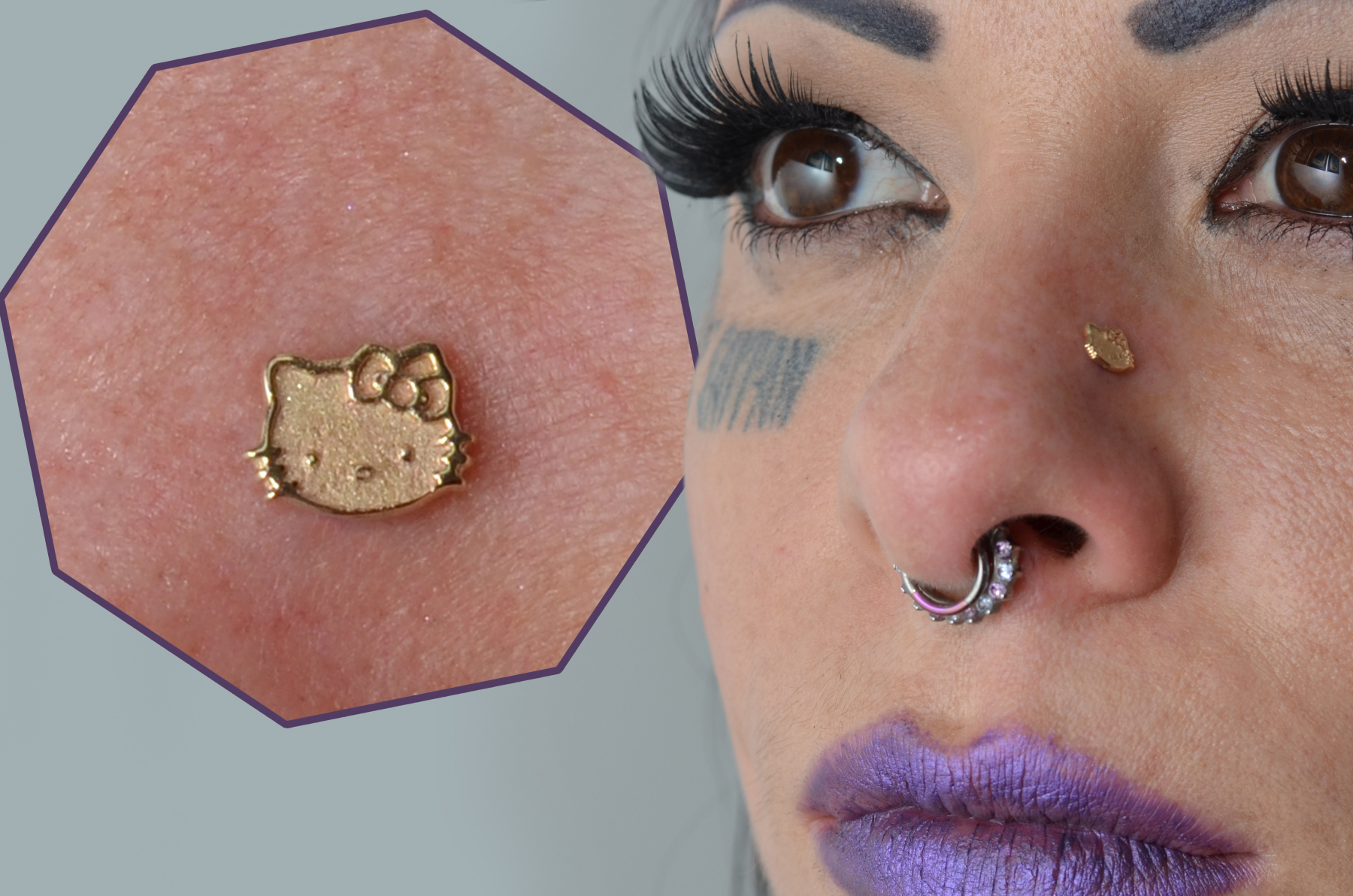

Similar to a standard nostril piercing, the high nostril piercing is placed higher up on the nose, closer to where the cartilage begins. This placement creates a subtle yet distinctive look that sets it apart from traditional nostril piercings.
Nasallang Piercing
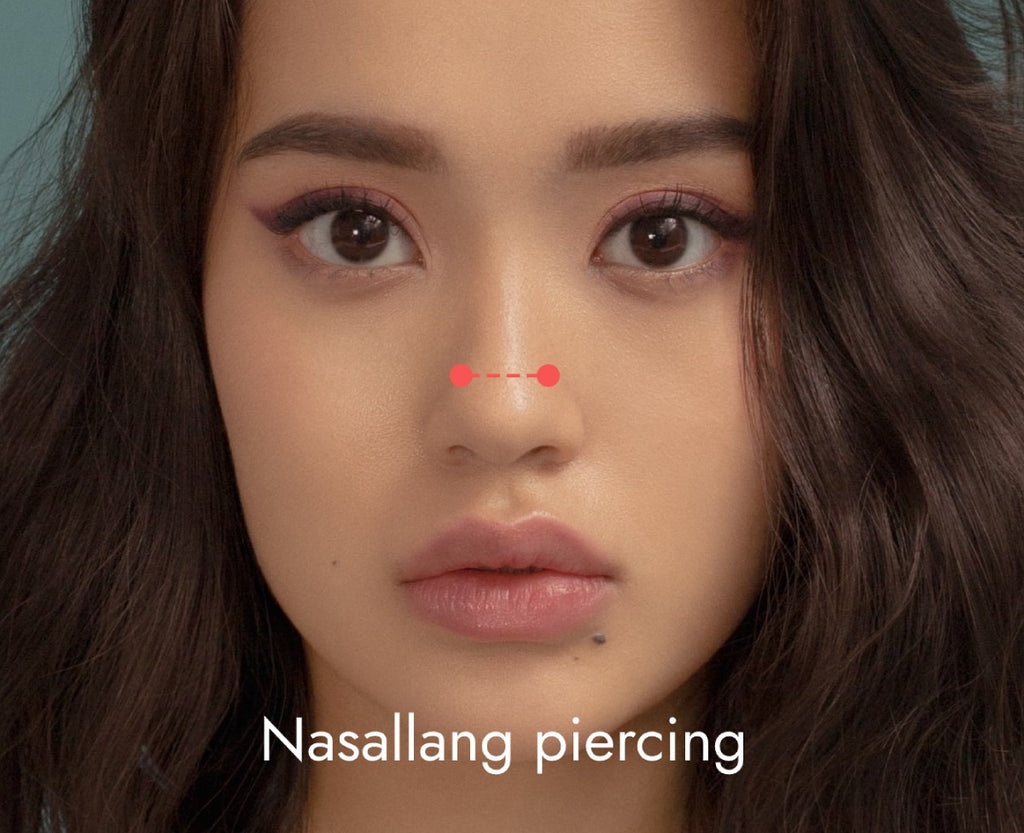
The nasallang is a tri-nasal piercing that goes through both nostrils and the septum in one straight line. It’s an advanced piercing that requires significant skill to perform and a longer healing time. The result is a dramatic look that’s sure to turn heads.
Septril Piercing


A septril piercing combines elements of a septum and vertical tip piercing. It starts inside the nose through a stretched septum piercing and exits through the tip of the nose. This complex piercing requires a pre-existing, well-healed septum piercing and is best suited for those with experience in body modification.
The Benefits of Getting a Nose Piercing
Nose piercings offer more than just aesthetic appeal. This ancient practice can boost confidence, provide potential health benefits, and hold spiritual significance. Discover the benefits of getting a nose piercing and how it can transform your body and mind:
Enhanced Self-Expression
A nose piercing offers a unique way to express your individuality. This small yet impactful modification allows you to showcase your personality and style. Whether you opt for a subtle stud or a bold ring, your nose piercing becomes a visual representation of your identity, helping you stand out in a crowd.
Cultural Significance
In many cultures, nose piercings hold deep traditional meaning. For example, in Indian culture, nose piercings are often associated with marriage and femininity. By getting a nose piercing, you can connect with your heritage or show appreciation for diverse cultural practices, fostering a sense of belonging and cultural awareness.
Boost in Confidence
Many people report feeling more confident after getting a nose piercing. This small change can significantly impact your self-image, helping you feel more attractive and self-assured. The act of deciding to get a piercing and following through can also boost your sense of personal empowerment.
Versatile Jewelry Options
Nose piercings offer a wide array of jewelry options. From delicate studs to ornate rings, you can easily switch up your look to match your outfit or mood. This versatility allows you to experiment with different styles, making your nose piercing a fun and adaptable accessory.
Potential Health Benefits
Some believe that nose piercings can have health benefits. In Ayurvedic medicine, the left nostril is associated with the female reproductive organs. While not scientifically proven, some people report relief from menstrual cramps and easier childbirth after getting their nose pierced.
Conversation Starter
A nose piercing can be an excellent icebreaker in social situations. It often draws attention and can lead to interesting conversations about personal style, cultural practices, or the piercing experience itself. This can help you connect with others who share similar interests or curiosities.
Minimal Commitment
Compared to other body modifications, a nose piercing is relatively low-commitment. If you decide you no longer want it, most nose piercings will close up quickly with minimal scarring when the jewelry is removed. This makes it an appealing option for those who want to experiment with their look without permanent changes.
Potential Risks and Considerations of Nose Piercing
When considering a nose piercing, it’s crucial to be aware of potential risks and important factors. Here are seven key considerations to keep in mind:
Infection Risk
One of the primary concerns with any piercing, including nose piercing, is the risk of infection. The nose’s moist environment can be a breeding ground for bacteria. Proper aftercare is essential to minimize this risk, including regular cleaning and avoiding touching the piercing with dirty hands.
Allergic Reactions
Some individuals may experience allergic reactions to the jewelry materials used in nose piercings. Nickel allergies are particularly common. To avoid this, opt for hypoallergenic materials like surgical-grade stainless steel, titanium, or 14k gold.
Scarring and Keloids
There’s a possibility of scarring or keloid formation after a nose piercing. Keloids are raised, overgrown scars that can be difficult to treat. If you’re prone to keloids, consult with a dermatologist before getting a piercing.
Healing Time
Nose piercings typically take 4-6 months to heal completely. During this time, you’ll need to be diligent with aftercare and avoid changing jewelry prematurely. Be prepared for a long-term commitment to proper care.
Impact on Daily Activities
A new nose piercing can affect various aspects of your daily life. You may need to adjust your skincare routine, be cautious when changing clothes, and avoid certain activities like swimming for a period of time.
Professional Considerations
Depending on your workplace or career aspirations, a nose piercing might not be appropriate. Some professions have strict dress codes that prohibit visible piercings. Consider your current and future career goals before getting pierced.
Potential for Rejection
In some cases, the body may reject the piercing, pushing the jewelry out over time. This can lead to migration of the jewelry or the need to remove it entirely. Proper placement by an experienced piercer can help reduce this risk.
Nose Piercing Pain: What to Expect
When considering a nose piercing, it’s natural to wonder about the pain involved. While everyone’s pain tolerance differs, understanding what to expect can help you prepare for the experience.
The Piercing Process
The actual nose piercing procedure is typically quick, lasting only a few seconds. You’ll feel a sharp pinch as the needle passes through your skin. Many describe this sensation as intense but brief. Some compare it to a strong nose hair pluck or a quick bee sting.
Pain Levels and Factors
Pain levels for a nose piercing can vary based on several factors:
- Location: Nostril piercings are generally less painful than septum piercings.
- Technique: An experienced piercer can minimize discomfort.
- Your physical state: Being well-rested and hydrated may help reduce pain sensitivity.
On a scale of 1 to 10, most people rate the pain of a nose piercing between 3 and 5.
Post-piercing discomfort is common and can last for several days. You may experience:
- Tenderness around the piercing site
- Mild swelling
- Occasional throbbing
Proper aftercare is crucial for minimizing pain and preventing complications. Follow your piercer’s instructions carefully, which typically include cleaning the area gently with saline solution.
Remember, while the initial piercing may cause momentary discomfort, most find the end result worth the brief pain. With proper care, your new nose piercing will soon become a unique expression of your personal style.
Nose Piercing Aftercare: Cleaning and Healing Tips
Proper aftercare is crucial for a successful nose piercing experience. By following these cleaning and healing tips, you’ll minimize the risk of infection and ensure your new adornment heals beautifully.
Cleaning Your Nose Piercing
Keeping your nose piercing clean is paramount to prevent infection and promote healing. Follow these steps twice daily:
- Wash your hands thoroughly with antibacterial soap.
- Prepare a saline solution or use a store-bought sterile saline spray.
- Gently clean around the piercing site, both inside and outside the nose.
- Pat the area dry with a clean, lint-free paper towel.
Avoid using harsh chemicals, alcohol, or hydrogen peroxide, as these can irritate the piercing and delay healing.
Promoting Healing
The healing process for a nose piercing typically takes 4-6 months. During this time:
- Avoid touching or rotating the jewelry unnecessarily.
- Don’t remove the jewelry until fully healed, as the hole can close quickly.
- Be cautious when changing clothes or using towels to prevent snagging.
- Avoid makeup, lotions, or creams near the piercing site.
Managing Discomfort and Complications
Some discomfort is normal during the healing process. However, if you experience severe pain, excessive redness, or discharge, consult your piercer or a healthcare professional. These may be signs of infection or other complications.
Remember, everyone’s healing process is unique. Be patient and consistent with your aftercare routine to ensure the best possible outcome for your nose piercing.
Choosing the Right Nose Piercing Jewelry
Selecting the perfect jewelry for your nose piercing is crucial for both aesthetics and healing. When it comes to nose piercing, the right choice can make all the difference in your overall experience and satisfaction.
Material Matters
The material of your nose piercing jewelry plays a vital role in the healing process. Opt for hypoallergenic metals like surgical stainless steel, titanium, or 14k gold. These materials minimize the risk of allergic reactions and promote faster healing. Avoid nickel-based metals, as they can cause irritation and prolong the healing time.
Size and Style Considerations
The size of your nose piercing jewelry should be appropriate for your anatomy. A professional piercer can help determine the ideal gauge and length for your specific nose structure. Popular styles include studs, rings, and L-shaped pins. Studs are discreet and suitable for most workplaces, while rings offer a bold statement. L-shaped pins provide a secure fit and are less likely to fall out.
Comfort and Practicality
Consider your lifestyle when choosing nose piercing jewelry. If you’re active or play sports, a snug-fitting stud might be more practical than a dangling ring. For those with sensitive skin, flat-back labrets can reduce irritation and snagging on clothing or hair.
Remember, your initial jewelry should be simple and conducive to healing. Once your piercing has fully healed, you can explore more decorative options, such as gemstone-adorned studs or intricate filigree designs. Always consult with a reputable piercer before changing your jewelry to ensure it’s safe and appropriate for your nose piercing.
Finding a Reputable Nose Piercing Artist in Nigeria
Finding a skilled and reputable nose piercing artist in Nigeria is crucial for a safe and satisfying experience. Here’s what you need to know to make an informed decision:
Research and Recommendations
Start by asking friends or family members who have had successful nose piercings for recommendations. Their firsthand experiences can provide valuable insights. Additionally, utilize social media platforms and online forums to gather information about reputable piercing studios in your area.
When researching potential artists, look for those who specialize in nose piercing. Check their portfolios and client reviews to gauge their expertise and professionalism. A reputable artist should have a strong track record of satisfied customers and high-quality work.
Hygiene and Safety Standards
Once you’ve narrowed down your options, visit the studios in person to assess their cleanliness and adherence to safety protocols. A reputable nose piercing artist will maintain a sterile environment and use single-use, disposable needles and jewelry. They should also be willing to explain their sterilization procedures and show you their autoclave (a device used to sterilize equipment).
Certification and Experience
Inquire about the artist’s certifications and training. While Nigeria may not have standardized licensing requirements for piercers, reputable artists often seek international certifications or memberships in professional organizations. Ask about their experience specifically with nose piercings and how long they’ve been practicing.
Consultation and Communication
A professional nose piercing artist will offer a consultation before the procedure. They should patiently answer your questions, explain the process, and discuss aftercare instructions. If an artist seems rushed or dismissive of your concerns, it’s best to look elsewhere.
By thoroughly researching and vetting potential artists, you can ensure a safe and satisfying nose piercing experience in Nigeria.
Frequently Asked Questions
Here are some frequently asked questions and answers about nose piercing:
How painful is a nose piercing?
The pain level of a nose piercing varies from person to person. Most describe it as a sharp pinch that subsides quickly. On a scale of 1-10, many rate it around 3-5. The septum tends to be more sensitive than nostril piercings. Remember, everyone’s pain tolerance differs, so your experience may vary.
How long does a nose piercing take to heal?
Healing time for a nose piercing typically ranges from 4-6 months. However, complete internal healing can take up to a year. Nostril piercings usually heal faster than septum piercings. Proper aftercare is crucial for optimal healing and to prevent complications.
What type of jewelry is best for a new nose piercing?
For initial nose piercings, professionals typically recommend either a stud or a ring made of high-quality materials. Surgical stainless steel, titanium, or 14k gold are excellent choices. These materials are less likely to cause irritation or allergic reactions. Avoid cheap metals that can lead to infections or slow healing.
Can I change my nose jewelry during the healing process?
It’s strongly advised not to change your nose piercing jewelry until it’s fully healed. Premature changing can introduce bacteria, cause irritation, and potentially lead to infections or scarring. Wait at least 4-6 months before considering a change, and consult your piercer if you have any concerns.
How do I clean my nose piercing?
Clean your nose piercing twice daily with a saline solution. Gently remove any crust with a clean cotton swab. Avoid touching the piercing with dirty hands, and don’t use harsh chemicals or alcohol. Pat dry with a clean paper towel after cleaning. Maintaining proper hygiene is key to preventing infections and ensuring proper healing.
Conclusion
As you consider getting a nose piercing, remember that proper aftercare is crucial for healing and avoiding complications. Take time to research reputable piercers in your area and ask questions about their sterilization procedures. While nose piercings can be a beautiful form of self-expression, they do require ongoing maintenance and care.
Be prepared for the healing process, which typically takes 4-6 months. With the right preparation and aftercare routine, your nose piercing can be a rewarding addition to your look.