


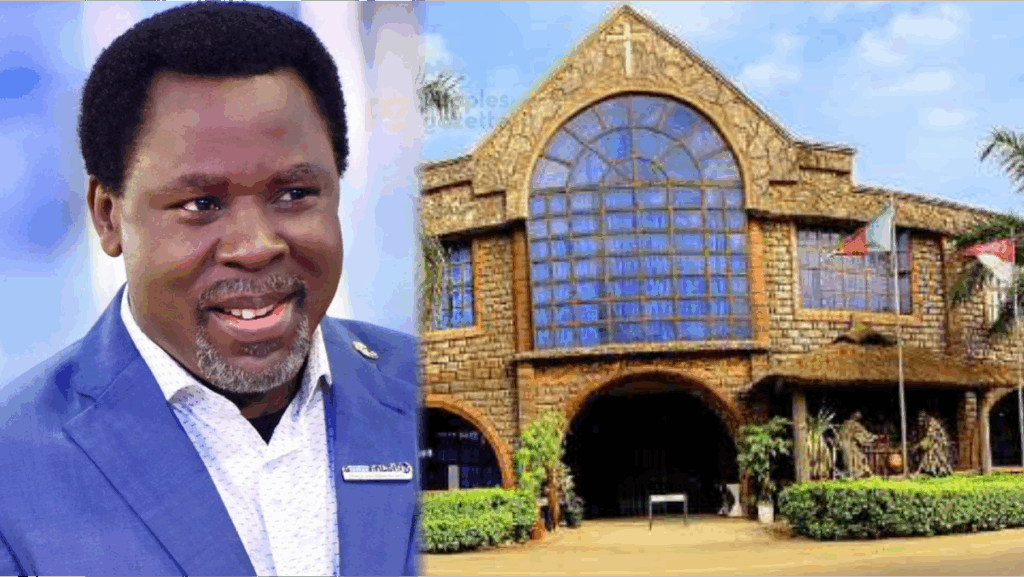
As you explore the landscape of global religious movements, you’ll undoubtedly encounter the Synagogue Church Of All Nations (SCOAN). This influential Christian organization, founded in Nigeria, has garnered both devoted followers and intense scrutiny worldwide.
SCOAN’s charismatic leadership, claims of miraculous healings, and extensive media presence have propelled it to prominence in the realm of contemporary Christianity. Whether you’re a curious observer or seeking to understand its impact, delving into Synagogue Church Of All Nations history, beliefs, and controversies offers valuable insights into the complex interplay of faith, culture, and modern religious practices. Join us as we examine this significant yet polarizing religious institution.
Synagogue Church of All Nations (SCOAN)
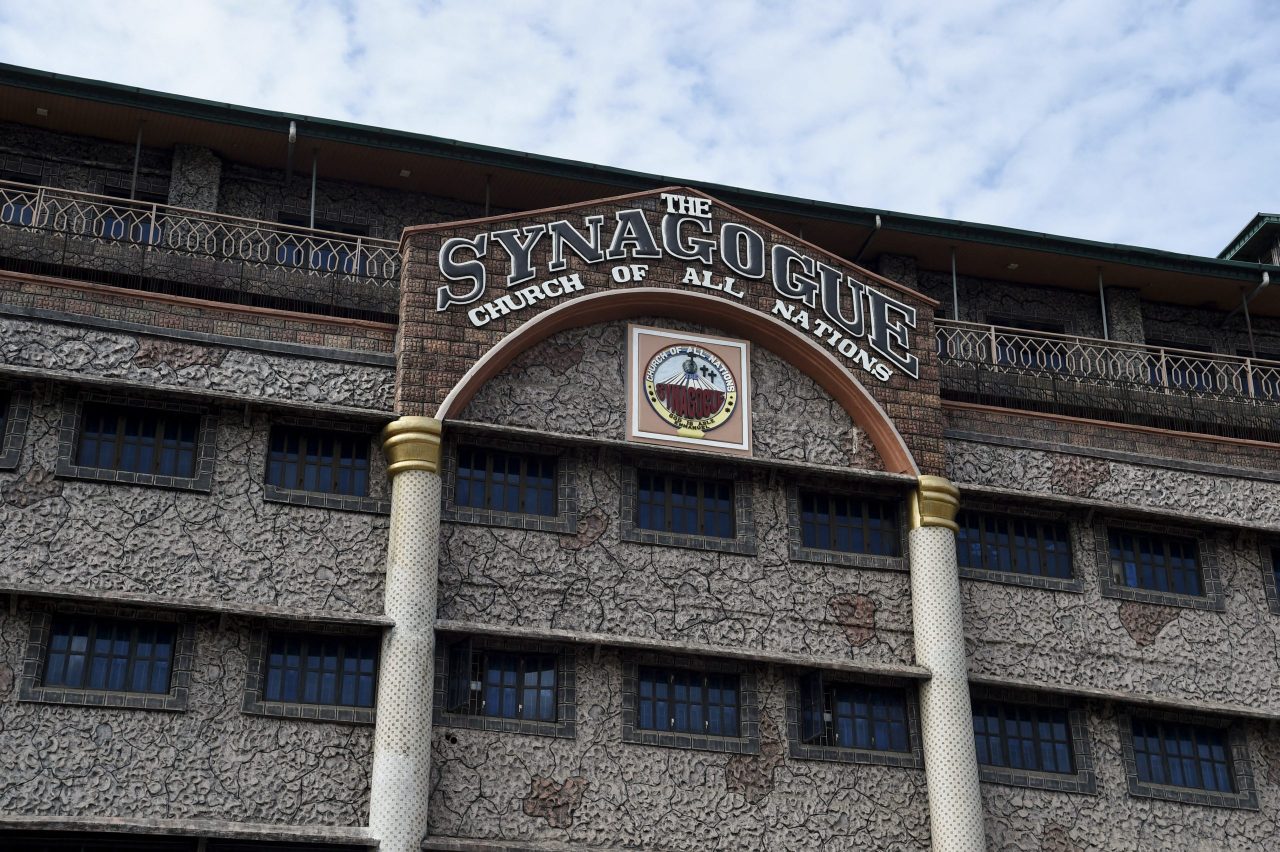

The Synagogue Church of All Nations (SCOAN) is a renowned Christian organization founded in Lagos, Nigeria. This influential ministry has gained worldwide recognition for its unique approach to faith, healing, and prophecy. SCOAN has become a significant pillar in the global Christian community, attracting followers from various countries and backgrounds.
SCOAN was established in 1987 by Prophet T.B. Joshua, a charismatic religious leader known for his alleged healing powers and prophetic abilities. The church began humbly, with just a handful of members, but quickly grew into a massive congregation due to its founder’s reputation for miraculous healings and accurate predictions.
At its core, the Synagogue Church of All Nations emphasizes the power of faith and divine intervention in everyday life. The church is known for its:
- Focus on spiritual healing and deliverance
- Regular prayer sessions and prophecy services
- Humanitarian efforts and charitable works
SCOAN’s influence extends far beyond Nigeria’s borders, with satellite branches and prayer centers in multiple countries. The church’s television channel, Emmanuel TV, broadcasts its services and testimonials to millions of viewers worldwide.
However, the Synagogue Church of All Nations has not been without controversy. Critics have questioned the authenticity of its miracles and the methods used in its healing services. Despite these challenges, SCOAN continues to attract a large following and remains a significant force in contemporary Christianity.
History and Background of the SCOAN
The Synagogue Church Of All Nations (SCOAN) has a rich history that spans several decades. T.B. Joshua founded The Synagogue Church of All Nations (SCOAN) in 1987, following a heavenly vision in which he received a divine anointing and covenant from God. This Christian organization quickly became a beacon of hope and faith for many around the world.
The Synagogue Church of All Nations started with just a handful of members in Lagos, Nigeria. Despite its modest start, the church’s message of healing and prophecy resonated with many, leading to rapid growth. T.B. Joshua’s charismatic leadership and reported miraculous healings drew increasing numbers of followers.
As word spread of the church’s activities, SCOAN began attracting international attention. Pilgrims from across Africa and beyond flocked to Lagos, seeking spiritual guidance and healing. The church’s influence expanded beyond Nigeria’s borders, with branches and prayer centers established in various countries.
SCOAN’s rise to prominence was aided by its savvy use of media. The church’s television channel, Emmanuel TV, broadcast services and testimonials globally. However, this visibility also brought scrutiny. The Synagogue Church of All Nations faced both praise and criticism for its practices and claims of miraculous healings.
Despite controversies, SCOAN’s impact on modern Christianity, particularly in Africa, is undeniable. The church’s humanitarian efforts, including disaster relief and education initiatives, have touched many lives. Today, the Synagogue Church Of All Nations continues to be a significant force in the religious landscape, with a legacy that extends far beyond its Lagos headquarters.
The Founder of SCOAN: T.B. Joshua


Temitope Balogun Joshua, commonly known as T.B. Joshua, was the founder and leader of the Synagogue Church of All Nations (SCOAN). Born on June 12, 1963, in Ondo State, Nigeria, Joshua’s journey to becoming a prominent religious figure was marked by humble beginnings. Despite facing poverty and dropping out of secondary school, he felt a divine calling to ministry at a young age.
T.B. Joshua’s charismatic leadership and claims of miraculous healings quickly garnered attention, leading to the establishment of SCOAN in 1987. The church’s rapid growth and Joshua’s magnetic personality attracted followers from across Africa and beyond. His television channel, Emmanuel TV, further expanded his reach, broadcasting sermons and healing services to a global audience.
While revered by many, T.B. Joshua was also a controversial figure in religious circles. Critics questioned the authenticity of his healing miracles and prophecies, while supporters praised his philanthropic efforts and spiritual guidance. Despite the controversy, the Synagogue Church of All Nations continued to grow under his leadership, becoming one of the most visited religious sites in West Africa.
T.B. Joshua’s unexpected passing on June 5, 2021, left a significant void in SCOAN’s leadership. However, his impact on the religious landscape of Nigeria and beyond remains undeniable. The church he founded continues to operate, carrying on his vision of spreading faith and providing humanitarian aid to those in need.
Television
The Synagogue Church of All Nations (SCOAN) has leveraged television as a powerful medium to spread its message and reach a global audience. Through its dedicated channel, Emmanuel TV, SCOAN has established a significant presence in the world of religious broadcasting.
Emmanuel TV serves as the primary television platform for the Synagogue Church of All Nations. Launched in 2006, this 24/7 Christian television network broadcasts sermons, testimonies, and live events from SCOAN’s headquarters in Lagos, Nigeria. The channel’s programming features the church’s founder, Prophet T.B. Joshua, delivering messages of hope, healing, and spiritual guidance to viewers worldwide.
Emmanuel TV’s reach extends far beyond Nigeria’s borders. The channel is available via satellite in many countries across Africa, Europe, and the Americas. Additionally, SCOAN has embraced digital platforms, streaming Emmanuel TV content online and through mobile apps, making it accessible to a global audience.
The channel’s content is diverse, featuring:
- Live broadcasts of church services and events
- Testimonies from individuals claiming miraculous healings
- Documentaries about SCOAN’s humanitarian efforts
- Teaching sessions on various biblical topics
Through these programs, the Synagogue Church of All Nations aims to inspire faith, promote spiritual growth, and showcase the power of prayer and divine intervention in people’s lives.
SCOAN’s Unique Beliefs and Practices
The Synagogue Church of All Nations (SCOAN) is known for its distinctive approach to Christianity, blending traditional teachings with charismatic practices. This unique combination has attracted followers from around the world, making SCOAN a prominent fixture in the global religious landscape.
Faith Healing and Miracles
At the core of SCOAN’s beliefs is the power of faith healing. The church emphasizes the ability of prayer and divine intervention to cure illnesses and resolve personal problems. Testimonials of miraculous healings are frequently shared during services and through various media channels, reinforcing the church’s reputation for supernatural occurrences.
Prophetic Ministry
SCOAN places a strong emphasis on prophecy and spiritual revelation. The late founder, T.B. Joshua, was renowned for his prophetic abilities, often making predictions about world events and offering personal prophecies to individuals. This aspect of the ministry continues to be a central focus, with church leaders providing guidance and spiritual insights to congregants.
Deliverance and Spiritual Warfare
Another key practice within the Synagogue Church of All Nations is the concept of deliverance. This involves the belief in casting out evil spirits and overcoming spiritual obstacles through prayer and anointing. SCOAN conducts regular deliverance sessions, which are often dramatic and emotionally charged events.
Humanitarian Efforts
Beyond spiritual practices, SCOAN is also known for its extensive charitable work. The church operates various humanitarian projects, providing aid to communities in need, both locally and internationally. This commitment to social responsibility is seen as an integral part of the church’s mission and beliefs.
SCOAN’s Global Presence and Influence
The Synagogue Church of All Nations (SCOAN) has expanded its reach far beyond its Nigerian roots, establishing a significant global presence and influence. This international impact can be observed through various channels and initiatives.
Worldwide Viewership and Followers
SCOAN’s television channel, Emmanuel TV, broadcasts its services and programs to millions of viewers across Africa, Europe, and the Americas. This extensive reach has helped the Synagogue Church of All Nations gain a diverse, international following. Devotees from numerous countries regularly travel to Nigeria to attend services and seek spiritual guidance.
Humanitarian Efforts
The church’s philanthropic arm, known as the Emmanuel TV Partners, has undertaken various humanitarian projects worldwide. These initiatives include:
- Providing disaster relief in countries affected by natural calamities
- Supporting orphanages and schools in underprivileged communities
- Offering medical assistance to those in need
Through these efforts, SCOAN has garnered recognition and respect from both religious and secular organizations globally.
International Branches and Prayer Centers
While the main headquarters remains in Lagos, Nigeria, the Synagogue Church of All Nations has established branches and prayer centers in several countries. These outposts serve as local hubs for followers and help disseminate the church’s teachings and practices to a wider audience.
Digital Presence and Social Media Engagement
SCOAN has embraced modern technology to expand its influence. The church maintains an active presence on various social media platforms, engaging with followers worldwide and sharing its message through live streams, recorded sermons, and inspirational content. This digital strategy has allowed the Synagogue Church of All Nations to connect with younger generations and maintain relevance in an increasingly connected world.
Controversies and Criticisms Surrounding SCOAN
The Synagogue Church Of All Nations (SCOAN) has faced its share of controversies and criticisms over the years. While the church has garnered a significant following, it has also been the subject of intense scrutiny and debate.
Allegations of False Miracles
One of the primary criticisms leveled against SCOAN revolves around claims of miraculous healings. Skeptics argue that these purported miracles lack scientific evidence and may exploit vulnerable individuals seeking hope. Critics contend that the church’s emphasis on supernatural healing could discourage followers from seeking proper medical treatment.
Building Collapse Incident
The Synagogue Church of All Nations (SCOAN) building collapsed on September 12, 2014, in Ikotun-Egbe, Lagos State, Nigeria. A guesthouse within the church premises collapsed, resulting in the deaths of at least 115 people, including 84 South African nationals. This tragic event raised questions about the church’s adherence to building regulations and safety standards. The incident led to legal proceedings and intensified scrutiny of the church’s operations.
Financial Transparency Concerns
Like many large religious organizations, SCOAN has faced questions regarding its financial practices. Critics have called for greater transparency in how donations are utilized and have expressed concerns about the accumulation of wealth by church leadership.
Controversial Teachings and Practices
Some religious scholars and rival denominations have criticized certain teachings and practices of the Synagogue Church Of All Nations, arguing that they deviate from traditional Christian doctrine. These controversies have sparked debates within religious communities about the interpretation of scripture and the role of charismatic leadership in modern churches.
Posthumous Abuse Allegations
In 2024, the BBC released a two-year investigative report exposing widespread abuse allegations against T.B. Joshua. The investigation revealed that Joshua had allegedly abused followers for over 15 years. At least 150 people, including disciples from various countries, claimed to have been subjected to abuse, including multiple rapes, torture, and forced abortions, within the secretive Lagos compound of the Synagogue Church of All Nations (SCOAN), which many described as a cult.
While SCOAN maintains a strong base of supporters who defend its mission and impact, these controversies continue to shape public perception and discourse surrounding the church. As with many influential religious organizations, the debate over SCOAN’s practices and teachings remains a complex and ongoing issue.
Conclusion
As you’ve learned, the Synagogue Church Of All Nations (SCOAN) has had a significant impact as a Christian organization, drawing followers from around the world. While not without controversy, SCOAN’s influence and reach are undeniable. As you consider the church’s teachings, practices, and global presence, it’s important to approach the topic with an open and critical mind.
Whether you view SCOAN as a beacon of faith or approach it with skepticism, understanding its role in the modern religious landscape provides valuable insight into contemporary Christianity. Ultimately, SCOAN’s legacy and future impact remain to be seen as it continues to evolve in the years ahead.