



Have you ever found yourself in a situation where you’ve made a mistake and need to apologize? Crafting the perfect apology message can be a delicate task, requiring sincerity, accountability, and a genuine desire to make amends.
Whether it’s a personal or professional blunder, knowing how to express your regret effectively is an essential skill. In this article, you’ll discover the key elements of a compelling apology message and learn how to structure your words to convey genuine remorse. By mastering the art of the apology, you’ll be better equipped to mend relationships and move forward positively after a misstep.
Recognizing When to Send an Apology Message
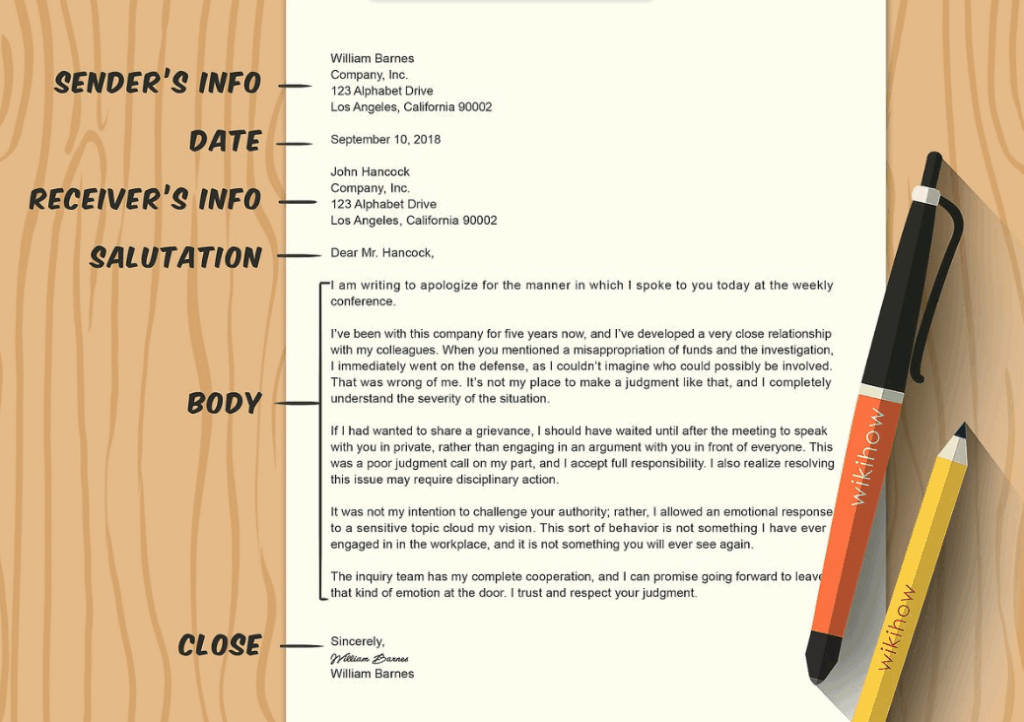

Knowing when to send an apology message is crucial in maintaining healthy relationships, both personal and professional. Recognizing the right moment to apologize demonstrates emotional intelligence and respect for others. Here are some key situations that warrant an apology message:
Errors in Professional Settings
In the workplace, mistakes can have significant consequences. If you’ve made an error that affects your colleagues, clients, or the company’s reputation, it’s essential to send an apology message for mistake promptly. This could include missed deadlines, incorrect information in reports, or accidental data breaches.
Personal Misunderstandings
Interpersonal relationships often require apologies to mend fences. If you’ve unintentionally hurt someone’s feelings, forgotten an important date, or failed to keep a promise, an apology message can help restore trust and goodwill.
Public Missteps
In today’s digital age, public figures and businesses must be particularly mindful of their actions. If you’ve made a public statement that was insensitive or incorrect, or if your company has faced criticism for a product or service issue, a well-crafted apology message can help mitigate damage and demonstrate accountability.
Remember, the timing of your apology message for mistake is almost as important as the message itself. Prompt acknowledgment of your error shows sincerity and a genuine desire to make amends.
The Importance of Apologizing Promptly for Mistakes
In the realm of personal and professional relationships, addressing mistakes swiftly is crucial. When you’ve erred, crafting an apology message for mistake promptly can make a significant difference in how your actions are perceived and the potential for resolution.
Timeliness Matters
The sooner you acknowledge your error, the better. A prompt apology message for mistake demonstrates your awareness and accountability. It shows that you value the affected person’s feelings and are committed to making amends. Delaying your apology may be interpreted as indifference or a lack of remorse, potentially exacerbating the situation.
Preventing Escalation
Quick action can prevent minor issues from snowballing into larger conflicts. By addressing the mistake head-on, you create an opportunity for open dialogue and swift resolution. This proactive approach can help maintain trust and respect in your relationships, both personal and professional.
Emotional Impact
Remember, the longer you wait to apologize, the more time the affected party has to dwell on the negative emotions associated with your mistake. A timely apology can alleviate their distress and begin the healing process. It shows empathy and consideration for their feelings, which are essential components of any sincere apology.
Demonstrating Accountability
Promptly acknowledging your mistake and taking responsibility for it shows integrity and professionalism. It conveys a willingness to learn from the experience and a commitment to doing better in the future. This accountability can go a long way in rebuilding trust and maintaining positive relationships.
Controlling the Narrative
By addressing the issue head-on, you have the opportunity to frame the narrative and provide context for your actions. This can help prevent misunderstandings or speculation, which can often lead to further complications. A timely apology allows you to take control of the situation and present your perspective.
Facilitating Closure
A prompt apology message can help facilitate closure for all parties involved. It acknowledges the wrongdoing, expresses remorse, and sets the stage for moving forward. This closure is essential for healing and maintaining healthy relationships, whether personal or professional.
Building Resilience
Apologizing promptly demonstrates resilience and a willingness to learn and grow. It shows that you are not afraid to confront challenges and are committed to self-improvement. This resilience can strengthen your relationships and foster a culture of open communication and personal growth.
In summary, the importance of promptly apologizing for mistakes cannot be overstated. It demonstrates respect, accountability, and a genuine desire to make amends. By addressing errors swiftly, you can prevent escalation, facilitate closure, and build resilience in your personal and professional relationships.
Essential Elements of an Effective Apology Message
Here are some of the essential elements of an effective apology:
Acknowledge the mistake
Begin your apology message by clearly stating what went wrong. Take full responsibility without making excuses. For example, “I apologize for missing our scheduled meeting yesterday.”
Express sincere regret
Convey genuine remorse for your actions. Use phrases like “I’m truly sorry” or “I deeply regret” to show the depth of your apology.
Explain what happened
Briefly explain the circumstances, but avoid sounding defensive. Focus on facts rather than justifications.
Empathize with the affected party
Acknowledge how your mistake impacted others. Show that you understand their feelings and perspective.
Offer to make amends
Propose specific actions to rectify the situation. This demonstrates your commitment to resolving the issue.
Assure it won’t happen again
Outline steps you’ll take to prevent similar mistakes in the future. This helps rebuild trust and confidence.
Ask for forgiveness
Conclude your apology message by humbly requesting forgiveness. Remember, forgiveness is earned, not demanded.
By incorporating these elements, your apology message for mistake will be more effective, sincere, and likely to mend relationships.
Personalized vs. Generic Apology Messages
When crafting an apology message, it’s crucial to understand the difference between personalized and generic approaches. A personalized apology demonstrates sincerity and effort, while a generic one may come across as insincere or dismissive.
Personalized Apology Messages
Personalized apologies address the specific situation and the individual affected. They show that you’ve taken the time to reflect on your actions and understand their impact. Key elements include:
- Acknowledging the specific mistake
- Expressing genuine remorse
- Explaining how you’ll prevent similar errors in the future
- Offering a tailored solution or compensation
For example: “I’m truly sorry for missing our important meeting yesterday. I understand this caused inconvenience and delays for the team. I’ve implemented a new calendar system to prevent such oversights in the future.”
Generic Apology Messages
Generic apologies, while sometimes necessary for mass communications, lack the personal touch that makes an apology effective. They often:
- Use vague language
- Fail to address specific issues
- Sound formulaic or insincere
For instance: “We apologize for any inconvenience caused.”
While generic apologies are quicker to compose, they’re less likely to repair damaged relationships or restore trust. When possible, always opt for a personalized apology message to demonstrate genuine remorse and commitment to improvement.
Apology Message Dos and Don’ts
When crafting an apology message, keep these essential dos and don’ts in mind:
Do:
- Be sincere and genuine in your words
- Take full responsibility for your actions
- Acknowledge the impact of your mistake
- Offer a clear explanation without making excuses
- Propose a solution or way to make amends
Don’t:
- Use defensive language or shift blame
- Make promises you can’t keep
- Overuse the word “sorry” or appear insincere
- Minimize the impact of your actions
- Rush the apology or send it hastily
When composing an apology message, it’s crucial to strike the right tone. Your words should convey genuine remorse and a willingness to take responsibility. Acknowledge how your actions affected others and offer a thoughtful solution to rectify the situation. Avoid defensive language or attempts to downplay the consequences of your mistake. Remember, a well-crafted apology can help rebuild trust and strengthen relationships, both personally and professionally.
Apology Message for Mistake
Crafting an effective apology message for a mistake is crucial in both personal and professional settings. A well-written apology can mend relationships, restore trust, and demonstrate accountability. Here are seven key elements to include in your apology message for mistake, along with examples:
Acknowledge the Mistake
Clearly state what went wrong without making excuses. This shows you understand the impact of your actions.
Examples: “I realize I missed our important deadline, which caused delays for the entire team.” “I acknowledge that I forgot to include the attachment in my previous email, causing confusion.”
Express Sincere Regret
Convey genuine remorse for your actions and their consequences.
Examples: “I deeply regret my carelessness and the inconvenience it has caused you.” “I’m truly sorry for my oversight and the frustration it has created.”
Take Responsibility
Accept full accountability for your mistake without shifting blame or making excuses.
Examples: “I take full responsibility for this error and understand its impact on our project.” “This mistake was entirely my fault, and I accept all consequences that may follow.”
Explain the Circumstances (optional)
If appropriate, provide a brief explanation of the circumstances that led to the mistake, but avoid making excuses.
Examples: “I understand that my lack of attention to detail caused this error, as I was juggling multiple projects simultaneously.” “The miscommunication occurred due to a misunderstanding on my part, which I should have clarified earlier.”
Outline the Steps You’ll Take to Prevent Future Occurrences
Demonstrate your commitment to learning from this experience and taking measures to ensure it doesn’t happen again.
Examples: “Moving forward, I will implement a more robust system for tracking deadlines and prioritizing tasks.” “To avoid similar mistakes, I will double-check all attachments before sending emails and follow up promptly.”
Offer to Make Amends
Propose a solution or action to rectify the situation and mitigate any negative impact on others.
Examples: “Please let me know if there’s anything I can do to help resolve this issue and get the project back on track.” “I’m happy to work overtime or adjust my schedule to ensure we meet the revised deadline.”
Express Appreciation
Thank the recipient for their understanding and patience, and acknowledge the value of the relationship or professional collaboration.
Examples: “Thank you for your patience and understanding as we work through this matter.” “I value our partnership and appreciate your willingness to move forward in a constructive manner.”
By incorporating these elements into your apology message, you demonstrate professionalism, accountability, and a genuine desire to learn and improve. A well-crafted apology can go a long way in repairing trust and strengthening relationships.
Apology Message Templates for Different Scenarios
When crafting an apology message, it’s crucial to tailor your words to the specific situation. Here are seven templates with examples to guide you:
Professional Mistake
- “I apologize for the error in the report. I will submit a corrected version by EOD.”
- “Please accept my apologies for the missed deadline. I’m implementing new time management strategies to prevent future occurrences.”
Personal Relationship Error
- “I’m sorry for forgetting our anniversary. Let me make it up to you with a special dinner.”
- “I apologize for my harsh words earlier. I value our friendship and will be more mindful in the future.”
Customer Service Blunder
- “We sincerely apologize for the shipping delay. We’re expediting your order at no extra cost.”
- “We regret the inconvenience caused by our website outage. Please enjoy a 20% discount on your next purchase.”
Public Relations Misstep
- “Our company apologizes for the insensitive ad. We’re reviewing our approval process to ensure this doesn’t happen again.”
- “We’re sorry for the environmental impact of our recent event. We’re implementing eco-friendly practices for future gatherings.”
Team Leadership Mistake
- “I apologize for not recognizing your contributions in the meeting. Your work is invaluable to our success.”
- “I’m sorry for the miscommunication about the project timeline. I’ll hold a team meeting to clarify expectations.”
Social Media Faux Pas
- “We apologize for the inappropriate tweet. It has been removed, and we’re reinforcing our social media guidelines.”
- “I’m sorry for sharing misleading information. I’ve deleted the post and will verify facts before sharing in the future.”
Academic or Educational Error
- “I apologize for the grading mistake on your paper. I’ve revised the score and updated your record.”
- “We’re sorry for the scheduling conflict with the exam. We’ve rescheduled and extended the study period by one week.”
Delivering Your Apology Message Professionally
When crafting an apology message, it’s crucial to strike the right tone and convey your sincerity effectively. A well-delivered apology can mend relationships and restore trust. Here are some key considerations for delivering your message professionally:
Choose the Right Medium
Select an appropriate method to convey your apology message. For minor issues, an email or text might suffice. However, for more serious matters, a face-to-face conversation or phone call may be necessary. Consider the recipient’s preferences and the gravity of the situation when deciding.
Timing is Everything
Deliver your apology promptly, but not hastily. Take time to gather your thoughts and prepare your message. However, don’t delay unnecessarily, as this may exacerbate the situation. Strike a balance between thoughtfulness and timeliness.
Be Clear and Concise
Articulate your apology message clearly and succinctly. Avoid making excuses or shifting blame. Instead, focus on acknowledging your mistake, expressing remorse, and outlining steps to prevent similar occurrences in the future. Use straightforward language to ensure your message is easily understood.
Follow Up Appropriately
After delivering your apology, follow up to ensure it was received and understood. This demonstrates your commitment to making amends and reinforces the sincerity of your message. Be prepared to answer questions or provide additional clarification if needed.
Rebuilding Trust After Sending an Apology Message
After sending an apology message, rebuilding trust is crucial. This process requires patience, consistency, and genuine effort. Here are some strategies to help repair relationships and regain confidence:
Follow Through on Commitments
Actions speak louder than words. Demonstrate your sincerity by following through on any promises made in your apology message. Consistently meet deadlines, deliver on expectations, and go above and beyond to show your commitment to improvement.
Maintain Open Communication
Keep lines of communication open and transparent. Provide regular updates on progress and be receptive to feedback. This openness helps rebuild trust by showing you value the other person’s input and are actively working to address their concerns.
Be Patient and Persistent
Rebuilding trust takes time. Don’t expect immediate forgiveness or a return to normalcy. Instead, focus on consistently demonstrating your reliability and integrity over an extended period. Remember, trust is earned through repeated positive interactions and experiences.
Learn from the Experience
Use this opportunity for personal growth. Reflect on the mistake that led to the apology message and implement measures to prevent similar errors in the future. Sharing these learnings and improvements can help reassure others of your commitment to change.
By diligently applying these strategies, you can gradually rebuild trust and strengthen relationships after sending an apology message.
Frequently Asked Questions
Here are some frequently asked questions and answers about writing an apology message.
How do I start an apology message?
Begin your apology message by acknowledging the error upfront. Start with a clear statement like “I’m sorry for…” or “I apologize for…” followed by a brief description of the mistake. This sets a sincere tone and shows you’re taking responsibility.
Should I explain the reasons behind my mistake?
While it’s important to provide context, avoid making excuses. Briefly explain what led to the error, but focus on how you’ll prevent similar mistakes in the future. Remember, an effective apology message emphasizes accountability and solutions, not justifications.
How can I make my apology more meaningful?
To craft a heartfelt apology message, express genuine remorse and empathy. Acknowledge the impact of your actions on others. Offer a specific plan to rectify the situation and prevent future occurrences. Lastly, ask how you can make amends, showing your commitment to rebuilding trust.
Is it appropriate to apologize via email or text?
The appropriateness depends on the severity of the mistake and your relationship with the recipient. For minor errors, a well-crafted email or text apology message can suffice. However, for more serious issues, consider a phone call or in-person apology to convey sincerity and allow for immediate dialogue.
Conclusion
In conclusion, crafting a sincere apology message requires thoughtfulness and care. By acknowledging your mistake, taking full responsibility, expressing genuine remorse, and outlining steps to make amends, you can begin to rebuild trust and repair relationships.
Remember to tailor your message to the specific situation and recipient. While apologizing can be difficult, it demonstrates maturity, integrity, and a commitment to growth. By following the guidelines outlined in this article, you’ll be well-equipped to compose an effective apology that addresses the issue at hand and paves the way for forgiveness and reconciliation.