


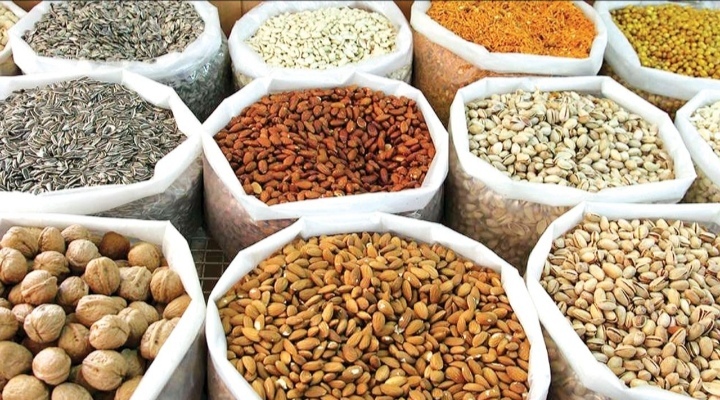
As you explore Nigeria’s agricultural landscape, you’ll discover a diverse array of cash crops that form the backbone of the country’s economy. These valuable commodities, grown for commercial purposes rather than subsistence, play a crucial role in Nigeria’s export market and domestic trade.
From the lush cocoa plantations in the southwest to the sprawling cotton fields in the north, each region boasts its own agricultural specialties. In this article, you’ll learn about the most important cash crops cultivated across Nigeria’s varied climates and landscapes, gaining insight into where these profitable plants thrive and their significance to the nation’s agricultural sector.
Understanding Cash Crops: Definition and Importance


Cash crops are agricultural products grown primarily for sale rather than for personal consumption. These crops play a pivotal role in Nigeria’s economy, contributing significantly to the country’s GDP and export revenue. Examples of cash crops in Nigeria include cocoa, palm oil, and rubber.
Cash crops serve as a vital source of income for farmers and rural communities. They stimulate economic growth by creating employment opportunities and attracting foreign investment. Moreover, these crops often form the backbone of agro-processing industries, further boosting the economy.
The cultivation of cash crops promotes agricultural diversification, reducing reliance on a single crop. This strategy helps mitigate risks associated with crop failures or market fluctuations. By growing various cash crops, farmers can ensure a more stable income throughout the year.
Examples of Cash Crops in Nigeria and Where they are Produced
Nigeria, a country blessed with diverse agricultural resources, is home to numerous examples of cash crops that contribute significantly to its economy. These valuable commodities are cultivated across different regions, each with its unique climate and soil conditions. Examples of cash crops in Nigeria include cocoa, rubber, oil palm, cashew, and cotton, among others.
These crops not only provide income for farmers but also serve as raw materials for various industries, both domestically and internationally. Understanding the distribution and importance of these cash crops is crucial for anyone interested in Nigeria’s agricultural sector or looking to invest in its thriving agribusiness industry.
Cocoa
Cocoa, one of the most valuable cash crops in Nigeria, is a tropical tree cultivated for its beans. These beans are the primary ingredient in chocolate production, making cocoa a highly sought-after commodity worldwide. The tree thrives in Nigeria’s humid southern regions, particularly in states like Ondo, Ogun, Osun, and Cross River.
Cocoa beans are not only used for chocolate but also in the production of cocoa butter, an essential ingredient in cosmetics and pharmaceuticals. Nigeria’s cocoa industry contributes significantly to the country’s agricultural exports, providing income for thousands of farmers and supporting rural economies.
The cultivation of cocoa requires specific climatic conditions, including adequate rainfall and well-drained soils. Nigerian farmers have honed their skills in cocoa production over generations, employing both traditional and modern farming techniques to maximize yields and quality.
Palm Oil
Palm oil is a versatile oil derived from the fruit of oil palm trees. This golden-hued oil is widely used in food production, cosmetics, and biofuels. Nigeria is a major producer of palm oil, with cultivation concentrated in the southern states.
Palm oil is extracted from the fleshy fruit of the oil palm tree, which thrives in Nigeria’s tropical climate. It’s a key ingredient in many processed foods, soaps, and personal care products. The oil’s high stability at high temperatures makes it ideal for frying and cooking.
The primary palm oil-producing states in Nigeria include:
- Edo
- Ondo
- Cross River
- Akwa Ibom
- Abia
These states boast favorable conditions for oil palm cultivation, contributing significantly to Nigeria’s agricultural economy and global palm oil market.
Groundnuts
Groundnuts, also known as peanuts, are one of the most important examples of cash crops in Nigeria. These legumes are prized for their nutritional value and versatility in both culinary and industrial applications. Rich in protein, healthy fats, and essential nutrients, groundnuts are consumed as snacks, used in cooking, and processed into peanut butter and oil.
In Nigeria, groundnuts are primarily cultivated in the northern states, including Kano, Kaduna, Taraba, and Bauchi. These regions provide the ideal climate and soil conditions for groundnut cultivation. The crop plays a crucial role in the country’s agricultural economy, contributing significantly to both domestic consumption and export revenue.
Groundnuts are not only valued for their edible properties but also for their use in livestock feed and industrial products like cosmetics and biodiesel. Their importance as a cash crop has made groundnut farming a vital source of income for many Nigerian farmers.
Cotton
Cotton is a versatile fiber plant that thrives in warm climates and is prized for its soft, fluffy bolls that contain seeds wrapped in fiber. Cotton is primarily used in textile production, serving as a key raw material for clothing, bedding, and various industrial products.
In Nigeria, cotton cultivation is concentrated in the northern states, including Kano, Kaduna, Zamfara, and Sokoto. These regions provide the ideal climate and soil conditions for cotton growth. The crop plays a crucial role in Nigeria’s agricultural sector, providing income for farmers and supporting the country’s textile industry.
Cotton’s importance extends beyond textiles, as its seeds are used to produce cottonseed oil, a valuable cooking oil and ingredient in many food products. Additionally, cotton byproducts are utilized in the production of animal feed, further enhancing its economic significance.
Rubber
Rubber is a versatile material derived from the latex of rubber trees, primarily Hevea brasiliensis. Rubber is widely used in manufacturing tires, hoses, footwear, and various industrial products. In Nigeria, rubber production is concentrated in the southern states, including Edo, Delta, Ondo, and Cross River. These regions provide the ideal tropical climate and soil conditions for rubber tree cultivation.
The production process involves tapping the trees to extract latex, which is then processed into various forms of rubber. As a valuable export commodity, rubber contributes significantly to Nigeria’s agricultural sector and foreign exchange earnings. The industry also provides employment opportunities for local communities, making it an essential part of the country’s economic landscape.
Sugarcane
Sugarcane is a tall perennial grass cultivated for its sweet, juicy stalks. This versatile crop is primarily used for sugar production, but it also serves as a raw material for ethanol, molasses, and various food products. In Nigeria, sugarcane thrives in states with suitable tropical climates and ample rainfall.
Major Producing States
- Kano
- Taraba
- Adamawa
- Niger
- Kaduna
These regions offer ideal conditions for sugarcane cultivation, including well-drained soils and adequate sunlight. The crop’s economic importance has led to increased investment in sugarcane farming, contributing significantly to Nigeria’s agricultural sector and providing employment opportunities for local communities.
Cassava
Cassava is a starchy root vegetable that plays a crucial role in the country’s agriculture and economy. This versatile crop thrives in tropical climates and is known for its drought-resistant properties. Cassava is primarily used for food consumption, with its roots processed into various products like garri, fufu, and tapioca. Additionally, it serves as a raw material for industrial applications, including the production of ethanol and animal feed.
In Nigeria, cassava is widely cultivated across several states, with the highest production concentrated in the southern and central regions. Key producing states include Benue, Cross River, Enugu, Imo, and Oyo. These areas benefit from suitable soil conditions and favorable climate, making them ideal for cassava cultivation.
Yam
Yam is a starchy tuber that plays a crucial role in the country’s agriculture and cuisine. This versatile crop is characterized by its rough, brown exterior and white, starchy flesh. Yams are primarily used as a staple food, often boiled, roasted, or pounded into a dough-like consistency called “fufu.”
In Nigeria, yam production is concentrated in the southern and central regions. The top yam-producing states include Benue, Taraba, Ebonyi, Enugu, and Niger. These areas benefit from the crop’s ability to thrive in well-drained, fertile soils and tropical climates. Yams are not only consumed domestically but also exported, contributing significantly to Nigeria’s agricultural economy and food security.
Timber
Timber refers to wood prepared for use in construction and carpentry. This versatile resource is harvested from various tree species, including mahogany, iroko, and obeche. Timber serves multiple purposes, from building materials and furniture to paper production and fuel.
In Nigeria, timber production is concentrated in the southern states, where dense forests provide ideal conditions. Ondo, Ogun, Cross River, and Edo states are major producers, contributing significantly to the nation’s timber industry. The harvesting and processing of timber create employment opportunities and generate substantial revenue, making it a crucial component of Nigeria’s agricultural exports.
As a renewable resource, sustainable timber production practices are essential to maintain forest ecosystems while meeting economic demands. This balance ensures that timber remains a valuable cash crop for generations to come.
Cashew Nuts
Cashew nuts are the kidney-shaped seeds that grow at the end of the cashew apple. These nutritious nuts are rich in healthy fats, protein, and various minerals. Cashews are widely used in culinary applications, from snacking to cooking and baking. They’re also processed into cashew butter and cashew milk, popular alternatives to dairy products.
In Nigeria, cashew production is concentrated in states like Kogi, Oyo, Anambra, Enugu, and Benue. These regions provide ideal growing conditions with their tropical climate and well-drained soils. The cashew industry contributes significantly to Nigeria’s agricultural exports, providing income for farmers and supporting rural economies. As demand for cashews continues to grow globally, this cash crop remains a valuable asset in Nigeria’s agricultural sector.
Tobacco
Tobacco, one of the notable examples of cash crops in Nigeria, is a leafy plant cultivated for its nicotine-rich leaves. This versatile crop is primarily used in the production of cigarettes, cigars, and pipe tobacco, as well as in some medicinal applications. In Nigeria, tobacco farming is concentrated in specific regions, with Oyo State being the largest producer. Other significant tobacco-growing states include Osun, Ogun, and Kwara in the southwest, as well as Sokoto in the northwest.
The cultivation of tobacco requires careful attention to soil conditions and climate. Farmers typically harvest the leaves in stages, allowing them to cure and develop the desired flavor and aroma. While controversial due to health concerns, tobacco remains an important economic crop, contributing to Nigeria’s agricultural exports and providing income for thousands of farmers across the country.
Soybean
Soybean is a versatile legume packed with protein and essential nutrients. This crop thrives in well-drained, fertile soils and warm climates, making it suitable for cultivation in various Nigerian states. Soybeans are primarily used for producing cooking oil, animal feed, and various food products like tofu and soy milk.
In Nigeria, soybean production is concentrated in the northern and central regions. Major producing states include Benue, Kaduna, Taraba, Kano, and Plateau. These areas benefit from favorable climatic conditions and soil types that support soybean growth. The crop’s ability to fix nitrogen in the soil also makes it valuable for crop rotation and improving soil fertility.
As demand for plant-based proteins rises globally, Nigerian soybean farmers are increasingly recognizing its potential as a lucrative cash crop, contributing significantly to both domestic food security and export earnings.
Rice
Rice is a staple food and a significant contributor to the country’s economy. This cereal grain is cultivated for its edible seeds and is used in various culinary applications, from main dishes to desserts. Nigeria’s rice production has been steadily increasing, with major producing states including Kebbi, Ebonyi, Niger, and Kano.
Nigerian rice varieties are known for their distinct flavor and texture, making them popular both domestically and internationally. The crop is not only used for food but also in the production of rice flour, rice bran oil, and even as a component in some cosmetics. With its versatility and high demand, rice continues to be a crucial cash crop, supporting countless farmers and contributing significantly to Nigeria’s agricultural sector.
Sesame
Sesame is a versatile oilseed known for its nutty flavor and high nutritional value. This small, oval-shaped seed comes from the Sesamum indicum plant, which thrives in tropical and subtropical climates. Sesame is primarily cultivated for its oil, which is used in cooking, cosmetics, and pharmaceuticals. The seeds are also popular in baking and as a garnish in various cuisines.
In Nigeria, sesame production is concentrated in the northern states, including Nasarawa, Jigawa, Benue, Kogi, Gombe, Kano, and Taraba. These regions provide the ideal climate and soil conditions for sesame cultivation, contributing significantly to Nigeria’s agricultural exports and economic growth.
Kolanut
Kolanut is a caffeine-rich nut produced by trees of the genus Cola. This valuable commodity plays a significant role in Nigerian culture and economy. Kola Nuts are primarily used for their stimulant properties, often chewed to combat fatigue and hunger. They also serve as important cultural symbols in traditional ceremonies and social gatherings.
In Nigeria, kolanut production is concentrated in several states across the country. The major producing regions include Ogun, Osun, Oyo, and Kwara states in the southwest, as well as Edo and Delta states in the south-south region. Additionally, some northern states like Kaduna and Taraba contribute to kola nut cultivation. The widespread production of kola nuts underscores their importance as one of the key examples of cash crops in Nigeria’s agricultural sector.
Frequently Asked Questions
Here are some frequently asked questions and answers about the examples of cash crops.
What are the main examples of cash crops in Nigeria?
The primary examples of cash crops in Nigeria include cocoa, palm oil, rubber, and cotton. These crops are grown primarily for commercial purposes and play a significant role in the country’s agricultural exports.
Where are these cash crops produced?
Cocoa is predominantly grown in the southwestern states, while palm oil production is concentrated in the southeastern region. Rubber plantations are found mainly in the south-central states, and cotton is cultivated in the northern parts of Nigeria.
How do cash crops impact Nigeria’s economy?
Cash crops contribute substantially to Nigeria’s GDP and foreign exchange earnings. They provide employment opportunities for millions of farmers and support various industries, including food processing and textile manufacturing.
Conclusion
As you’ve seen, Nigeria boasts a diverse array of cash crops that contribute significantly to its economy. From cocoa in the southwest to palm oil in the southeast, and from rubber in the south to cotton in the north, these crops form the backbone of Nigeria’s agricultural exports.
By understanding where these crops are produced, you gain valuable insight into the country’s agricultural landscape and economic potential. As Nigeria continues to develop its agricultural sector, these cash crops will undoubtedly play a crucial role in shaping the nation’s future. Whether you’re an investor, researcher, or simply curious about Nigeria’s agricultural prowess, this knowledge equips you with a solid foundation for further exploration.