


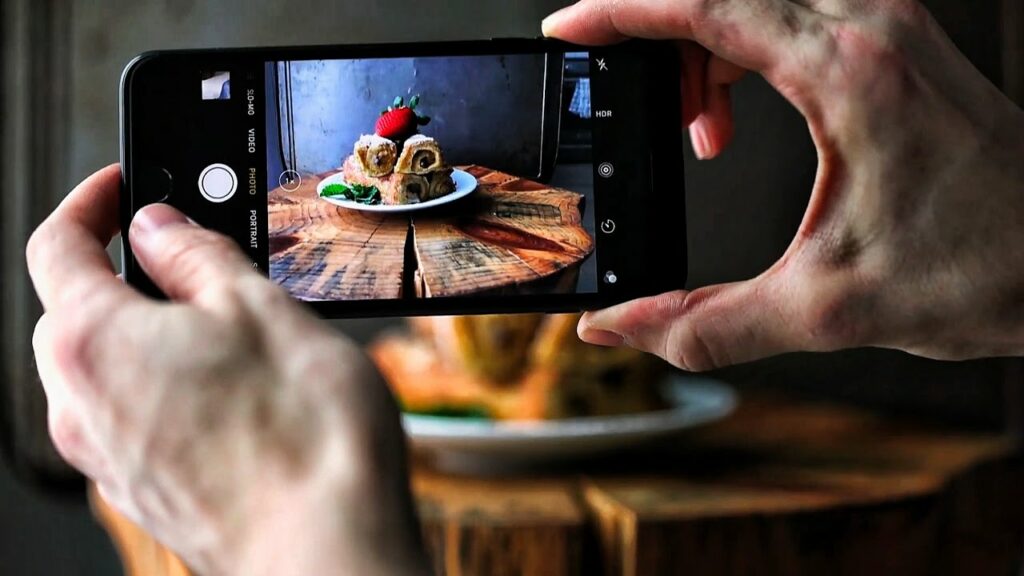
Learning to take better photos takes time and practice. It’s key to know the basics and be willing to learn. Whether you use a smartphone or a camera, the most important thing is to keep practicing. This way, you’ll get better and capture amazing moments.
To improve, you need to understand your camera’s settings. This includes aperture, shutter speed, and ISO. Mastering these will help you take clear and well-exposed photos. Also, learning to compose your shots and handle different lights will elevate your photography. With these tips, you’ll be on your way to taking better photos.
Key Takeaways
- Practice often to improve your photography skills
- Understand your camera’s essential settings, including aperture and shutter speed
- Learn how to compose your shots using the rule of thirds
- Work with different lighting conditions, including natural and artificial light
- Experiment with different camera modes and settings to find what works best for you
- Don’t be afraid to make mistakes and learn from them
- Stay up-to-date with the latest photography tips and techniques to continue improving your skills
Master Your Camera’s Essential Settings
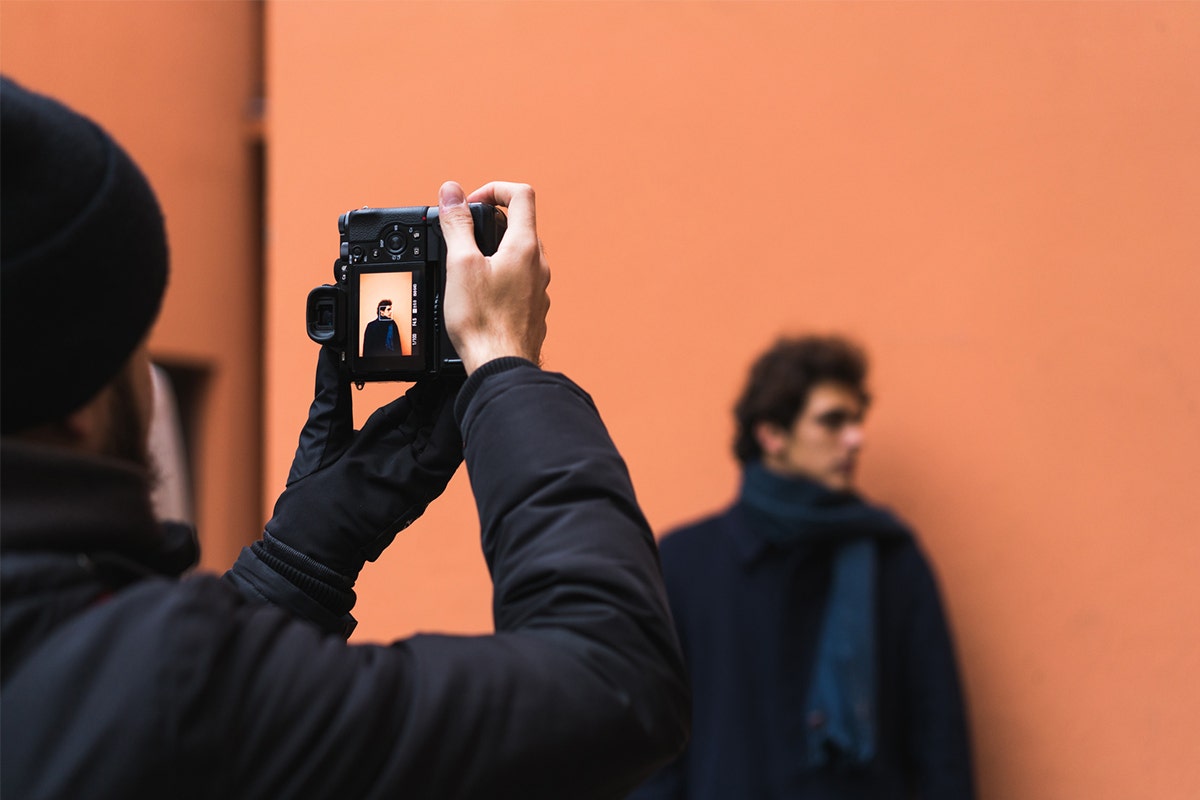

To take better photos, knowing your camera’s key settings is vital. The exposure triangle, with aperture, shutter speed, and ISO, is photography’s base. Learning these settings helps you capture amazing photos, from portraits to landscapes. Camera settings for better photos mean understanding how these elements work together.
For composition techniques, think about the rule of thirds, leading lines, and framing. But to use these well, you must know your camera’s settings. For example, changing the aperture affects your photo’s depth. A low aperture (f/1.8-f/5.6) is great for portraits, while a high one (f/8-f/16) is better for landscapes.
Here are some key settings to remember:
- Aperture: f/1.8-f/5.6 for low light or narrow depth of field, f/8-f/16 for wider depth of field
- Shutter speed: 30 seconds to 1/4000th of a second, with 1/60th of a second to 1/4000th of a second suitable for capturing motion
- ISO: 100-3200 for entry-level cameras, 100-6400 for advanced cameras
By mastering these settings, you’ll improve your photography skills and creativity.
The Art of Photography Composition
Understanding photography composition is key to better photos. You’ll learn about techniques like the rule of thirds. This method divides the frame into 9 parts, helping create balanced images.
Imagine a grid over your photos with two vertical and two horizontal lines. This divides the picture into nine sections.
Other techniques, like leading lines, guide the viewer’s eye. Foreground interest adds depth, great with wide-angle lenses. Posing tips for photos also improve image quality.
For editing photos for beginners, knowing composition basics is vital. Simplify backgrounds and use negative space for appealing photos. Try different aspect ratios, like 3:2, for creativity.
Some important composition techniques include:
- Using the rule of thirds for balanced compositions
- Experimenting with leading lines to guide the viewer’s eye
- Adding foreground interest to create depth
- Simplifying backgrounds to emphasize the subject
By using these techniques, you’ll enhance your photography skills. Your photos will showcase your artistic vision.
Mastering Light: The Photographer’s Best Friend
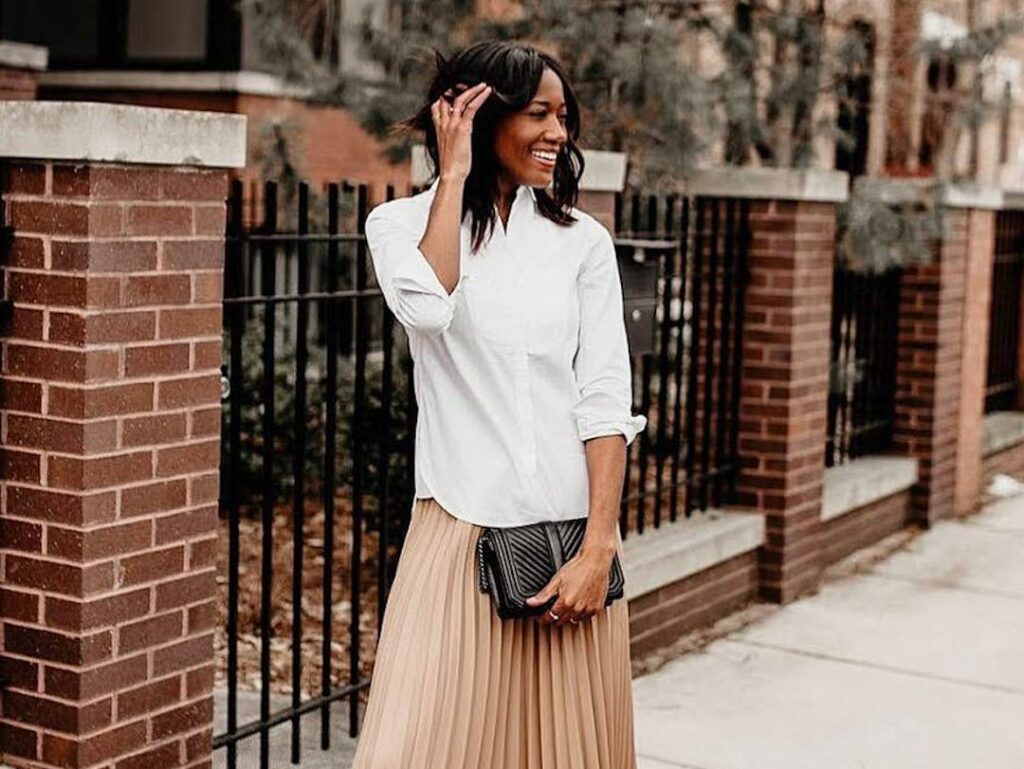

Lighting is key in photography. Knowing how to handle different lighting is vital for great photos. The best times for photos are early morning and late evening. This is because the light is soft and warm during the golden hour.
To get better at photography, learn about lighting tricks for photography. This includes using both natural and artificial light. Natural light changes with the day and where your subject is. For example, the golden hour adds a warm glow to your photos.
For smartphone photography tips, the right light is essential. Steer clear of harsh light, which can make shadows look bad. Instead, go for soft light. You can also use reflectors or diffusers to control the light and lessen shadows. Here are some tips to remember:
- Use the golden hour for warm and flattering light
- Avoid harsh light, which can create unflattering shadows
- Use reflectors or diffusers to manipulate the light
How to Take Better Photos with Any Device
Smartphones have made it easier to take amazing photos. The best camera is the one you always carry. With the right smartphone photography tips, you can get better at taking pictures. First, learn about your camera settings and how to compose your shots.
Here are some tips to improve photography skills when using your smartphone:
- Shoot in landscape orientation for better composition
- Enable gridlines in your camera settings to apply the “rule-of-thirds”
- Set the ISO to the lowest possible setting for optimal image quality
- Save photos in RAW format for better editing capabilities
To make your photos even better, try editing apps like Adobe Lightroom, Snapseed, or VSCO. These apps can enhance your photos and give them a professional look. By following these smartphone photography tips and practicing, you can take stunning photos with your smartphone.
Keep improving your photography skills by practicing regularly. Be patient and always ready to learn. The more you play with your camera, the better you’ll get.
Creating a stunning online portfolio is key. It showcases your best work and attracts clients. Use photography tips to make your portfolio stand out.
Don’t shy away from marketing your photography services. Talk to local businesses and event organizers. Show them how your how to take better photos can help. With hard work and self-promotion, you can make a career out of photography.