


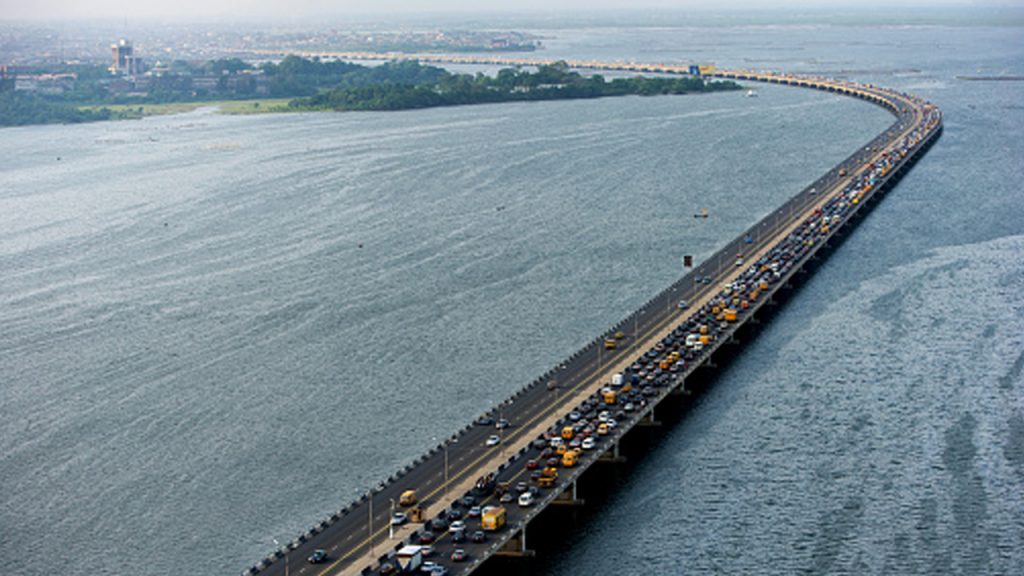
As you explore the vast continent of Africa, you’ll encounter not only breathtaking landscapes and diverse cultures but also remarkable feats of engineering. Among these marvels are some of the world’s most impressive bridges, spanning rivers, valleys, and even seas.
In this article, you’ll discover the top 10 longest bridges in Africa, each a testament to human ingenuity and perseverance. From Egypt to South Africa, these structures connect communities, facilitate trade, and showcase the continent’s rapid development. Join us as we take you on a journey across Africa’s most awe-inspiring bridges, revealing their unique characteristics, historical significance, and the impact they’ve had on the regions they serve.
The Longest Bridge in Africa


The 6th October Bridge in Cairo, Egypt is the longest bridge in Africa. This monumental feat of engineering stretches an impressive 20.5 kilometers (12.7 miles) across the bustling metropolis, making it not only the longest bridge in Africa but also one of the longest elevated highways in the world. The bridge was completed in 1996, and was constructed by the Egyptian company Arab Contractors taking 27 years.
The 6th October Bridge serves as a crucial lifeline for Cairo’s daily commuters. Spanning the width of the city, this elevated highway connects the eastern and western parts of the Egyptian capital, easing traffic congestion and reducing travel times for millions of residents.
Named after the date of Egypt’s victory in the 1973 Arab-Israeli War, the 6th October Bridge holds deep cultural and historical significance for the nation. Its construction began in 1969 and continued in phases over several decades, with the final section completed in 1996.
The bridge’s design incorporates multiple lanes for vehicular traffic and showcases the ingenuity of modern civil engineering. Its elevated structure not only facilitates smoother traffic flow but also provides breathtaking views of the city and the iconic Nile River below.
Top 10 Longest Bridges in Africa
Africa, a continent known for its diverse landscapes and rapidly developing infrastructure, is home to some of the world’s most impressive bridges. The longest bridge in Africa stands as a testament to the region’s engineering prowess and commitment to connectivity. These monumental structures not only span vast distances but also play a crucial role in fostering economic growth and regional integration.
As we explore the top 10 longest bridges in Africa, you’ll discover how these engineering marvels have transformed landscapes and lives. These structures not only showcase technological advancements but also symbolize the continent’s aspirations for progress and unity.
6th October Bridge, Egypt


The 6th October Bridge, spanning the Nile River in Cairo, Egypt, is a remarkable feat of engineering and one of the longest bridges in Africa. This elevated highway stretches approximately 20.5 kilometers (12.7 miles) across the bustling metropolis, connecting the eastern and western parts of the city.
Construction of the bridge began in 1969 and was completed in 1996, with various sections opened to traffic over the years. The bridge’s name commemorates the start of the 1973 Arab-Israeli War, also known as the October War or Yom Kippur War.
The 6th October Bridge is a multi-lane elevated highway that serves as a crucial artery for Cairo’s transportation network. It features multiple access ramps and interchanges, allowing motorists to enter and exit at various points throughout the city. The bridge’s design incorporates both concrete and steel elements, enabling it to withstand the heavy traffic flow and environmental conditions of the region.
As the longest bridge in Africa, the 6th October Bridge stands as a testament to Egypt’s engineering prowess and urban development efforts, playing a vital role in alleviating traffic congestion in one of Africa’s most populous cities.
Third Mainland Bridge
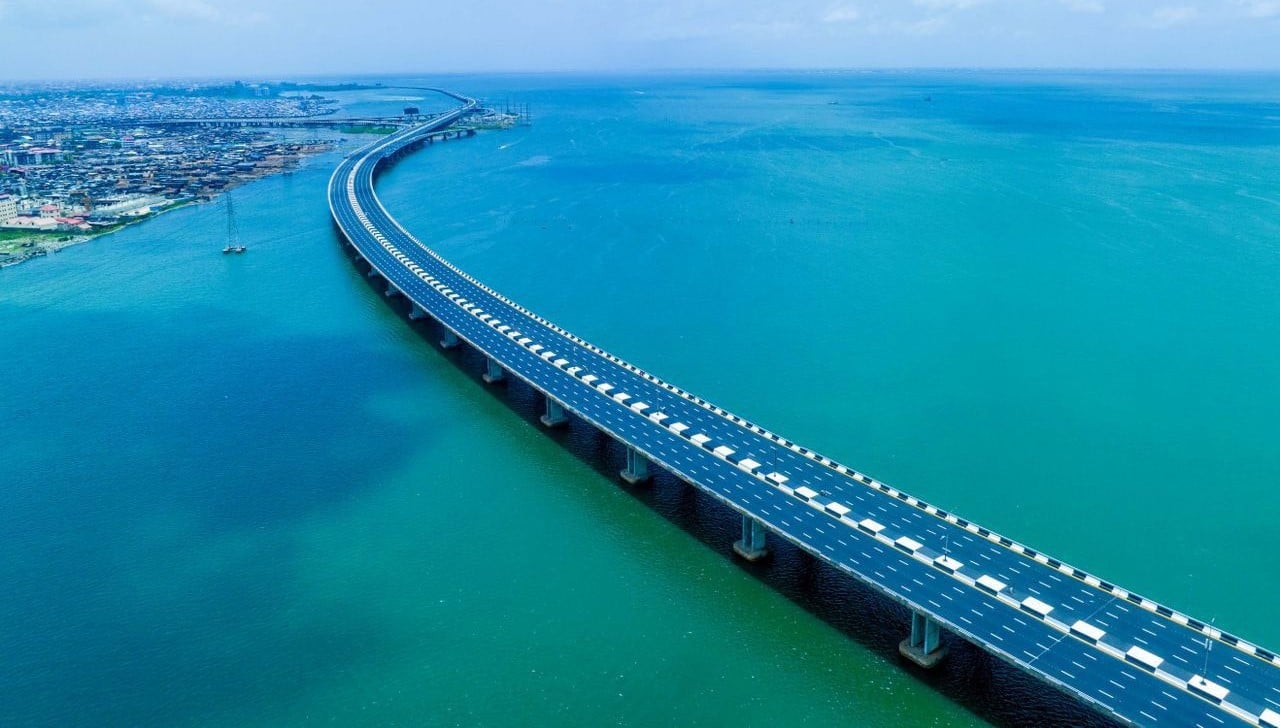

The Third Mainland Bridge stands as a testament to engineering prowess and is recognized as the longest bridge in Africa. Spanning an impressive 11.8 kilometers (7.3 miles), this iconic structure connects Lagos Island to the mainland, serving as a vital artery for Nigeria’s largest city.
Stretching across the Lagos Lagoon, the Third Mainland Bridge is a crucial component of Lagos’ transportation infrastructure. It begins at Oworonshoki, which is linked to the Apapa-Oshodi expressway and Lagos-Ibadan expressway, and terminates at the Adeniji Adele Interchange on Lagos Island.
Construction of this mammoth project began in 1976 and was completed in 1990. The bridge was conceived to alleviate the severe traffic congestion plaguing Lagos, Africa’s most populous city.
The Third Mainland Bridge features eight lanes and accommodates over 500,000 vehicles daily. Its strategic location has not only reduced travel times but also spurred economic growth by improving connectivity between Lagos’ business districts and residential areas. As one of the longest bridges in Africa, it remains a symbol of Nigeria’s infrastructural ambitions and engineering capabilities.
Nairobi National Park Super Major Bridge
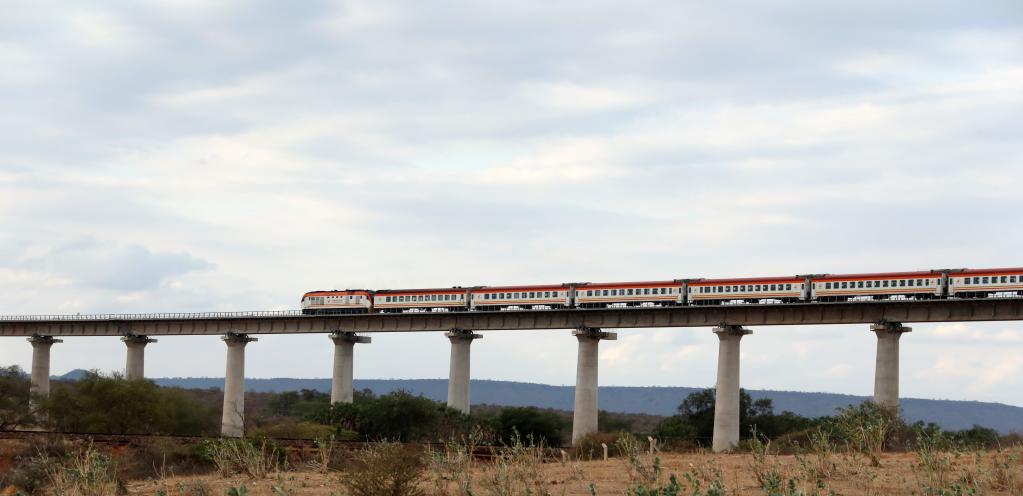

The Nairobi National Park Super Major Bridge is a remarkable feat of engineering spanning the Nairobi National Park in Kenya. This impressive structure stretches 6.58 kilometers (4 miles) across the park, making it the third longest bridge on the African continent.
Situated just south of Nairobi, Kenya’s capital city, this viaduct forms a crucial part of the Standard Gauge Railway (SGR) connecting Nairobi to Mombasa. The bridge’s unique design allows for the safe passage of wildlife beneath it, preserving the park’s ecosystem while facilitating modern transportation.
Construction of the Nairobi National Park Super Major Bridge began in 2014 and was completed in 2019. This project represents a significant milestone in Kenya’s infrastructure development, showcasing the country’s commitment to balancing economic growth with environmental conservation.
The bridge features a sleek, elevated design supported by massive concrete pillars. Its height varies between 18 and 41 meters above ground level, ensuring minimal disruption to the park’s landscape and wildlife. The structure incorporates noise reduction technology and special fencing to protect both train passengers and animals.
Suez Canal Bridge


The Suez Canal Bridge, also known as the Egyptian-Japanese Friendship Bridge, is a prominent landmark spanning the Suez Canal in Egypt. This impressive structure is one of the longest bridges in Africa, connecting the African continent with the Sinai Peninsula. Opened in 2001, the bridge stands as a testament to international cooperation and engineering prowess.
The bridge is located near the city of El Qantara, about 160 kilometers northeast of Cairo. It stretches 3.9 kilometers across the Suez Canal, providing a vital link for road traffic between Africa and Asia. The bridge’s towering cable-stayed design features two main pylons rising 154 meters above the water, supporting the roadway with massive steel cables.
Construction of the Suez Canal Bridge began in 1995 as a joint project between Egypt and Japan. The bridge was designed to alleviate congestion at the canal crossings and promote economic development in the Sinai region. Its completion marked a significant milestone in Egypt’s infrastructure development and strengthened ties between Egypt and Japan.
Key Characteristics
- Cable-stayed design with a main span of 404 meters
- Four traffic lanes and emergency lanes
- Clearance of 70 meters to allow large ships to pass underneath
- Built to withstand earthquakes and strong winds
The Suez Canal Bridge stands as a marvel of modern engineering and a symbol of international cooperation, facilitating trade and travel across one of the world’s most strategic waterways.
Mozambique Island Bridge

The Mozambique Island Bridge is a stunning feat of engineering and one of the longest bridges in Africa. Spanning 3. 8 kilometers across the Indian Ocean, connecting the Island of Mozambique to the mainland of Mozambique. The construction of the bridge was completed in 1969.
As one of the longest bridges in Africa, the Mozambique Island Bridge has significantly reduced travel time, boosting economic development and tourism. It stands as a symbol of progress and international cooperation, showcasing Mozambique’s commitment to infrastructure development.
Dona Ana Bridge
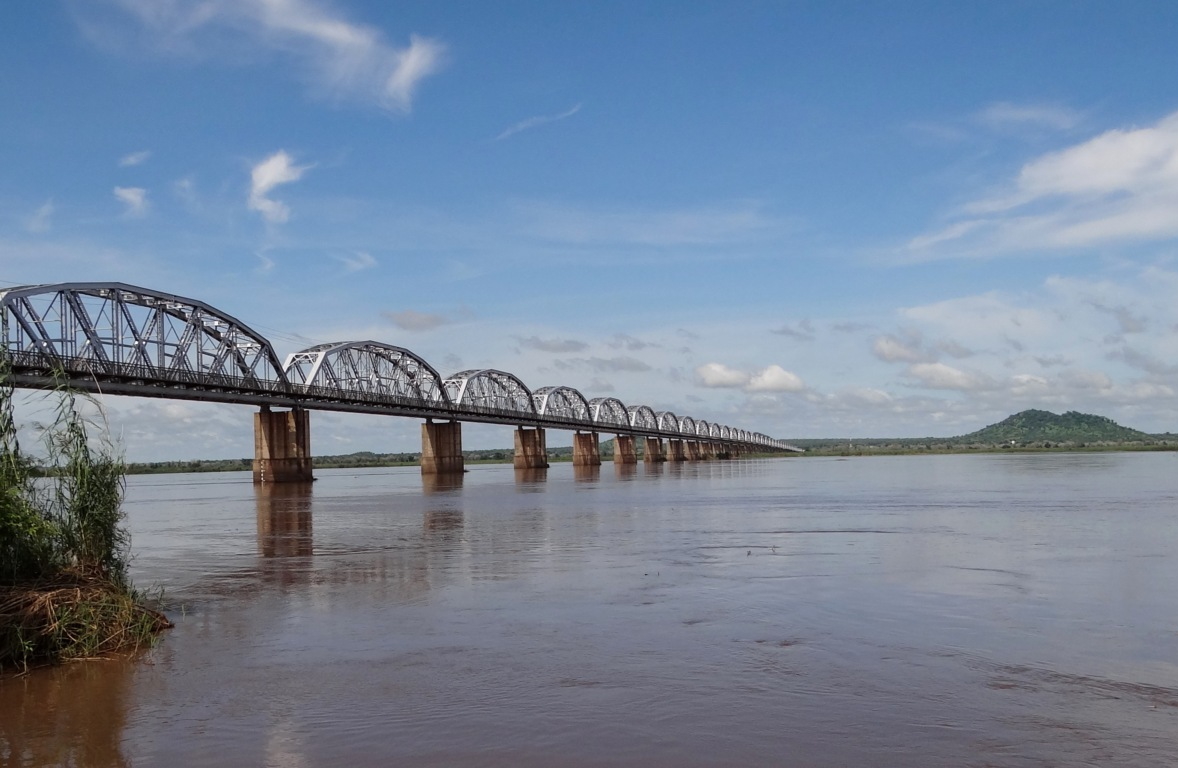

The Dona Ana Bridge spans the mighty Zambezi River between Mozambique and Malawi. This historic structure, originally built in 1934, played a crucial role in connecting these two nations and facilitating trade and transportation.
Stretching 3.67 kilometers (2.28 miles) across the Zambezi, the Dona Ana Bridge is a testament to engineering prowess. Its steel truss design, supported by concrete piers, allows it to withstand the river’s powerful flow. The bridge accommodates both road and rail traffic, making it a vital link in the region’s infrastructure.
Originally constructed during the colonial era, the bridge has undergone several renovations to maintain its structural integrity. In 2009, a major rehabilitation project was completed, ensuring the bridge’s continued service for future generations.
The Dona Ana Bridge has been instrumental in fostering economic growth and regional integration. By providing a reliable crossing point over the Zambezi, it has significantly reduced travel times and improved trade routes between Mozambique and Malawi, contributing to the development of both nations.
Maputo-Katembe Bridge


The Maputo-Katembe Bridge stands as a testament to modern engineering, Spanning an impressive 3 kilometers (1.86 miles) across Maputo Bay, this suspension bridge connects the Mozambican capital city of Maputo to the town of Katembe.
Construction work began in 2014 and the bridge officially opened 10 November 2018. The Maputo-Katembe Bridge was a joint venture between Mozambique and China. The project, costing approximately $785 million, took four years to complete and employed thousands of local workers.
The bridge’s design is both functional and aesthetically pleasing. Its main span reaches 680 meters, supported by two towers rising 141 meters above sea level. The deck, wide enough to accommodate four traffic lanes and emergency lanes, sits 60 meters above the water, allowing large ships to pass beneath.
As one of the longest bridge in Africa, the Maputo-Katembe Bridge has significantly reduced travel time between Maputo and Katembe from several hours by ferry to just a few minutes by car. This improved connectivity has boosted economic development and tourism in the region, making it a pivotal infrastructure project for Mozambique and southern Africa as a whole.
Chora Super Major Bridge


The Chora Super Major Bridge stands as one of the longest bridges in Africa, spanning an impressive distance across the Nairobi–Malaba Standard Gauge Railway. Located in Kenya, this engineering marvel connects the provinces of Sofala and Zambezia, playing a crucial role in the country’s transportation infrastructure.
Construction of the Chora Super Major Bridge was completed in 2019. The Bridge is a 3-kilometre-long railway bridge along the 120-kilometre Nairobi–Naivasha Standard Gauge Railway. Since its opening, the Chora Super Major Bridge has dramatically improved connectivity. It has reduced travel times between major cities and facilitated economic growth by enhancing trade routes. This impressive structure not only serves as a vital transportation link but also stands as a symbol of progress and development in the region.
Athi River Super Bridge

The Athi River Super Bridge stands as a testament to modern engineering and is one of the longest bridges in Africa. Located in Kenya, this impressive structure spans the Athi River, connecting the bustling cities of Nairobi and Mombasa. The bridge, which opened in June, 2017, is a crucial component of the Nairobi Expressway project.
Stretching 2,785 metres (9,137 ft; 1.731 mi), the Athi River Super Bridge is a cable-stayed bridge featuring a distinctive design. The construction of the Athi River Super Bridge marks a significant milestone in Kenya’s infrastructure development. The bridge’s completion has not only improved transportation efficiency but also boosted regional trade and tourism.
During the bridge’s construction, special attention was given to minimizing environmental impact. The design incorporates eco-friendly features, ensuring the preservation of the Athi River’s ecosystem while showcasing Kenya’s commitment to sustainable development.
Armando Emilio Guebuza Bridge
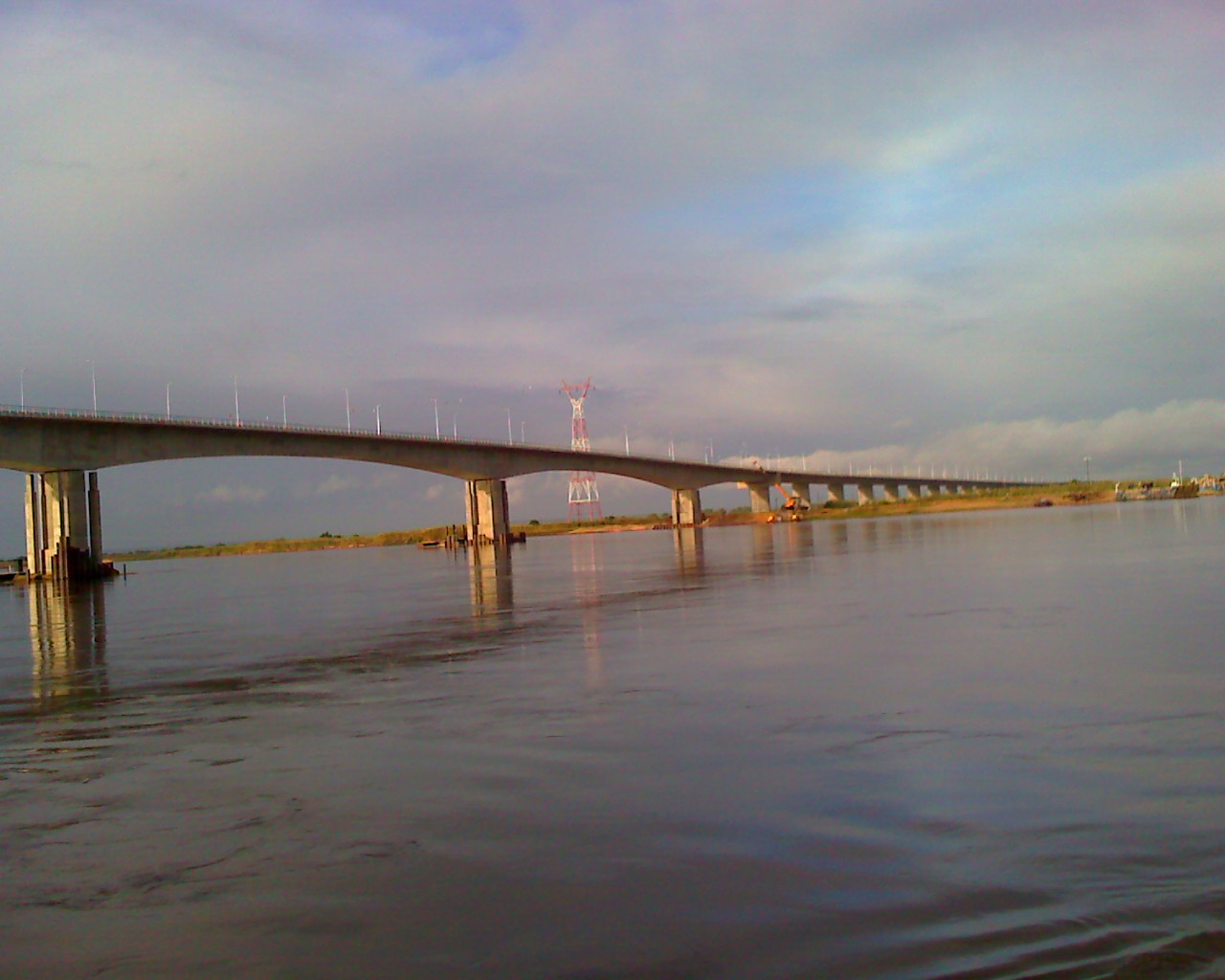

The Armando Emilio Guebuza Bridge stands as one of the longest bridges in Africa, spanning the mighty Zambezi River in Mozambique. This impressive structure, named after the country’s former president, connects the southern and northern regions of Mozambique, playing a crucial role in the nation’s transportation infrastructure.
Situated in the Caia district of Sofala Province, this bridge stretches 2,376 meters across the Zambezi. Its strategic location has significantly reduced travel time between the north and south, boosting economic development and regional integration.
Construction of the bridge began in 2006 and was completed in 2009, marking a significant milestone in Mozambique’s post-civil war development.
The Armando Emilio Guebuza Bridge construction has not only improved transportation but also enhanced trade and tourism in the region. As one of the longest bridges in Africa, it symbolizes Mozambique’s progress and ambition for continued growth and connectivity.
Frequently Asked Questions
Here are some frequently asked questions and answers about the longest bridge in Africa.
What is the longest bridge in Africa?
The longest bridge in Africa is the 6th October Bridge in Cairo, Egypt. This elevated highway spans 20.5 kilometers (12.7 miles) across the Nile River and its surroundings. Completed in 1996, it serves as a crucial transportation artery for the bustling Egyptian capital.
How do African bridges compare to others globally?
While Africa boasts impressive structures, the longest bridge in Africa is not among the world’s longest. The Danyang–Kunshan Grand Bridge in China, stretching 164.8 kilometers (102.4 miles), currently holds the global record. However, African bridges are significant engineering feats, considering the continent’s unique geographical and economic challenges.
What materials are commonly used in African bridge construction?
Most long bridges in Africa utilize reinforced concrete and steel for durability and cost-effectiveness. Some incorporate local materials and traditional building techniques, blending modern engineering with regional expertise. This approach ensures structures can withstand diverse climatic conditions while remaining economically viable.
Conclusion
As you’ve discovered, Africa boasts an impressive array of engineering marvels spanning its vast landscapes. These bridges not only connect communities and facilitate commerce but also stand as testaments to human ingenuity and progress.
From Egypt’s 6th October Bridge to Mozambique’s Maputo-Catembe Bridge, each structure tells a unique story of ambition and achievement. As Africa continues to develop, we can expect even more awe-inspiring bridges to grace the continent.