


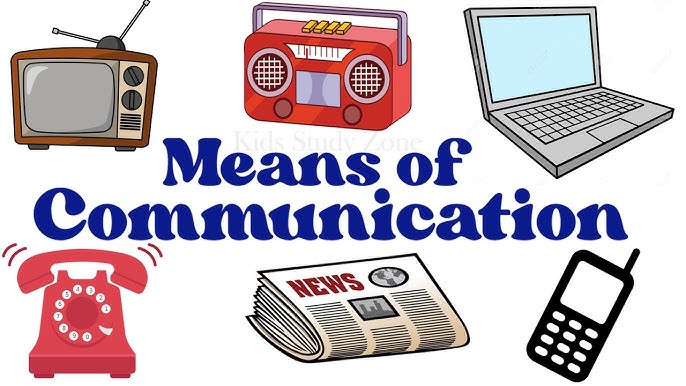
In today’s interconnected world, effective communication is essential for success in both personal and professional spheres. As you navigate various social and business interactions, understanding the diverse means of communication at your disposal can significantly enhance your ability to convey ideas, build relationships, and achieve your goals.
From traditional face-to-face conversations to cutting-edge digital platforms, the landscape of communication continues to evolve rapidly. This article will explore the different means of communication available to you, providing concrete examples to illustrate their applications and benefits. By mastering these communication channels, you can become a more versatile and impactful communicator in any setting.
Means of Communication
Means of communication are the various methods and tools used to exchange information, ideas, and messages between individuals or groups. These channels enable the transmission of thoughts, feelings, and knowledge, forming the backbone of human interaction and societal functioning. Effective means of communication are crucial for fostering understanding, building relationships, and facilitating collaboration in personal, professional, and social contexts.
The importance of means of communication cannot be overstated. They serve as the conduit for sharing vital information, coordinating activities, and expressing emotions. In the professional world, clear communication channels are essential for organizational success, enabling efficient decision-making and problem-solving. On a personal level, they help maintain and strengthen relationships, allowing individuals to connect and share experiences across distances.
The landscape of communication has evolved dramatically with technological advancements. From smoke signals and carrier pigeons to instant messaging and social media platforms, the means of communication have become increasingly sophisticated and accessible. This evolution has revolutionized how we interact, conduct business, and share information on a global scale.
Types of Means of Communication and Examples
Effective communication is crucial in today’s world. With various methods and tools available, it’s essential to understand the different types of communication and their examples. This section explores the various means of communication, categorized for clarity.
Verbal Communication
Verbal communication, one of the primary means of communication, involves the use of spoken or written words to convey messages. This form of expression plays a crucial role in our daily interactions, both personal and professional.
Verbal communication refers to the exchange of information through language, whether spoken or written. It encompasses various forms, including face-to-face conversations, phone calls, video chats, emails, and text messages. This method allows for precise expression of thoughts, ideas, and emotions, making it an essential component of human interaction.
Examples
- Face-to-face conversations: These direct interactions allow for immediate feedback and non-verbal cues, enhancing understanding.
- Telephone calls: While lacking visual cues, phone conversations enable real-time communication across distances.
- Video conferencing: This modern means of communication combines audio and visual elements, closely mimicking in-person interactions.
- Written correspondence: Emails, letters, and text messages provide a permanent record of communication, allowing for careful composition and review.
Importance and Impact
Effective verbal communication skills are vital in various aspects of life:
- Professional settings: Clear articulation of ideas and instructions is crucial for workplace success.
- Personal relationships: Open and honest verbal exchanges foster stronger connections.
- Education: The ability to express and comprehend complex concepts verbally is fundamental to learning.
By mastering verbal communication, you can significantly improve your ability to convey ideas, resolve conflicts, and build meaningful relationships. Remember, the key to effective verbal communication lies not only in speaking or writing clearly but also in active listening and appropriate response.
Non-Verbal Communication
Non-verbal communication is a crucial means of communication that involves transmitting messages without using words. This form of expression encompasses a wide range of behaviors, gestures, and visual cues that convey meaning and emotions. Understanding non-verbal communication is essential for effective interpersonal interactions and can significantly enhance your ability to connect with others.
Non-verbal communication is the process of sending and receiving messages without using spoken or written language. It includes facial expressions, body language, gestures, eye contact, posture, and even the use of space. These silent signals often convey more information than verbal communication alone, making them an integral part of human interaction.
Examples
- Facial Expressions: A smile, frown, or raised eyebrow can convey emotions and attitudes instantly.
- Body Language: The way you stand, sit, or move can indicate confidence, nervousness, or openness.
- Gestures: Hand movements, such as a thumbs-up or a wave, can communicate approval or greeting across cultures.
- Eye Contact: Maintaining or avoiding eye contact can signal interest, respect, or discomfort.
- Touch: A handshake, pat on the back, or hug can express warmth, support, or professionalism.
Importance in Communication
Non-verbal cues play a vital role in complementing, reinforcing, or sometimes contradicting verbal messages. They can:
- Enhance understanding by providing context to spoken words
- Reveal true feelings or intentions that may be hidden in verbal communication
- Build rapport and establish trust in relationships
- Facilitate communication across language barriers
By mastering the art of non-verbal communication, you can improve your overall communication skills and become more effective in personal and professional interactions.
Visual Communication
Visual communication is a powerful means of communication that relies on the use of visual elements to convey messages, ideas, and information. This form of communication leverages the human brain’s ability to process visual information quickly and effectively, making it an essential tool in our modern, image-driven world.
Visual communication encompasses a wide range of visual elements, including images, graphics, videos, charts, and diagrams. These visual aids are used to supplement or replace written or verbal communication, often making complex information more accessible and memorable. In essence, visual communication is the art of using visual elements to tell a story, explain a concept, or evoke an emotional response.
Examples and Applications
Visual communication is ubiquitous in our daily lives and can be found in various forms:
- Infographics: These combine text and images to present data or explain complex topics in a visually appealing and easy-to-understand format.
- Brand logos: Companies use distinctive visual symbols to represent their brand identity and values.
- Road signs: These use universally recognized symbols to convey important information to drivers quickly and efficiently.
- Presentations: Slides with images, charts, and minimal text help speakers convey their message more effectively.
- Social media posts: Visual content often drives engagement on platforms like Instagram and Pinterest.
Importance in Modern Communication
In today’s fast-paced, information-rich environment, visual communication has become increasingly important. It allows for quick information processing, improves retention, and can transcend language barriers. As a result, mastering visual communication skills has become crucial for professionals in fields ranging from marketing and design to education and journalism.
By incorporating visual elements effectively, communicators can enhance their message’s impact and reach a wider audience, making visual communication an indispensable tool in our increasingly visual world.
Auditory Communication
Auditory communication is a vital means of communication that relies on sound to convey information. This form of interaction involves the transmission and reception of acoustic signals, primarily through speech and listening. As one of the most common methods of human interaction, auditory communication plays a crucial role in our daily lives.
Auditory communication is the process of exchanging information through sound waves. It encompasses various forms of vocal expression, including spoken language, tone of voice, and even non-verbal sounds like laughter or sighs. This means of communication is essential for face-to-face interactions, telephone conversations, and audio-based media.
Examples and Applications
- Verbal conversations: The most common form of auditory communication, where individuals exchange ideas through spoken words.
- Public speaking: Presentations, lectures, and speeches that convey information to larger audiences.
- Radio broadcasts: A medium that relies solely on auditory communication to inform and entertain listeners.
- Podcasts: An increasingly popular format for sharing information and stories through audio content.
- Voice assistants: Technology that utilizes auditory communication to interact with users and perform tasks.
Importance and Benefits
Auditory communication offers several advantages:
- Immediacy: It allows for real-time exchange of information and immediate feedback.
- Emotional conveyance: Tone, pitch, and inflection can express emotions and nuances that written communication may lack.
- Accessibility: It doesn’t require visual attention, making it suitable for multitasking or communication with visually impaired individuals.
Understanding the intricacies of auditory communication can significantly enhance one’s ability to communicate effectively in various personal and professional settings. By mastering this means of communication, individuals can improve their interpersonal skills and convey their messages with greater clarity and impact.
Digital Communication
Digital communication is a modern means of communication that involves the transmission of information through electronic devices and digital technologies. This method has revolutionized the way we interact, share information, and conduct business in today’s interconnected world.
Digital communication is the exchange of data, messages, or information using digital devices and platforms. It encompasses a wide range of technologies and tools that enable instant, global communication across various channels. This form of communication has become an integral part of our daily lives, transforming how we connect with others, access information, and engage with the world around us.
Examples and Applications
Digital communication manifests in numerous forms:
- Email: A widely used method for sending messages, documents, and files electronically.
- Social media: Platforms like Facebook, X, and Instagram that facilitate social networking and content sharing.
- Instant messaging: Apps such as WhatsApp and Telegram for real-time text-based communication.
- Video conferencing: Tools like Zoom and Skype that enable face-to-face virtual meetings.
- Blogs and websites: Online platforms for sharing information, news, and personal experiences.
These examples showcase the versatility and reach of digital communication in both personal and professional contexts.
Impact and Significance
The advent of digital communication has transformed various aspects of society:
- Business operations: Enabling remote work, global collaboration, and efficient information sharing.
- Education: Facilitating online learning, access to resources, and virtual classrooms.
- Personal relationships: Allowing people to stay connected across distances and time zones.
- Media consumption: Changing how we access news, entertainment, and information.
By leveraging digital technologies, individuals and organizations can communicate more efficiently, break down geographical barriers, and access a wealth of information at their fingertips.
Interpersonal Communication
Interpersonal communication is a fundamental means of communication that involves the exchange of information, ideas, and emotions between two or more individuals. This direct, face-to-face interaction forms the backbone of human relationships and social interactions.
Interpersonal communication is the process of sending and receiving messages between people in a way that creates shared meaning. It encompasses verbal and non-verbal cues, including spoken words, tone of voice, facial expressions, and body language. This multifaceted form of communication allows for immediate feedback and adjustment, making it a highly effective means of communication in various settings.
Examples and Applications
- Conversations: Everyday dialogues between friends, family members, or colleagues are prime examples of interpersonal communication.
- Job Interviews: These one-on-one interactions rely heavily on effective interpersonal communication skills.
- Customer Service: Face-to-face interactions between service providers and customers exemplify the importance of clear, empathetic communication.
- Romantic Relationships: Partners use interpersonal communication to express feelings, resolve conflicts, and build intimacy.
Key Components
- Verbal Communication: The use of words and language to convey messages.
- Non-verbal Communication: Body language, facial expressions, and gestures that complement or contradict verbal messages.
- Listening: An active process of receiving, interpreting, and responding to messages.
- Feedback: The receiver’s response, which helps gauge the effectiveness of the communication.
Understanding and mastering interpersonal communication is crucial for building strong relationships, resolving conflicts, and achieving personal and professional success. By honing these skills, individuals can improve their ability to connect with others and navigate complex social situations effectively.
Mass Communication
Mass communication is a crucial means of communication that involves disseminating information to a large, diverse audience through various media channels. This form of communication plays a vital role in shaping public opinion, spreading awareness, and connecting people across vast distances.
Mass communication is the process of creating and distributing messages to a wide audience using technological means. It involves the use of mass media such as television, radio, newspapers, magazines, and the internet to reach a large number of people simultaneously. This form of communication is typically one-way, with the sender broadcasting a message to many receivers.
Examples
- Television Broadcasting: TV networks produce and transmit news, entertainment, and educational content to millions of viewers. For instance, a popular sitcom can reach audiences across the globe, influencing cultural trends and social norms.
- Social Media Platforms: Websites like Facebook, X, and Instagram allow individuals and organizations to share information instantly with a global audience. A viral post can spread rapidly, reaching millions within hours.
- Print Media: Newspapers and magazines continue to be important means of communication, providing in-depth analysis and diverse perspectives on current events.
Impact and Significance
Mass communication has transformed the way societies function, enabling rapid dissemination of information and ideas. It has the power to:
- Shape public opinion on social and political issues
- Promote cultural exchange and understanding
- Facilitate education and awareness campaigns
- Drive consumer behavior through advertising
In today’s digital age, the lines between mass communication and interpersonal communication are blurring, with interactive platforms allowing for more personalized and targeted messaging. As technology evolves, so too will the landscape of mass communication, continuing to play a crucial role in our interconnected world.
Frequently Asked Questions
Here are some frequently asked questions and answers about the means of communication.
How has technology impacted means of communication?
Technology has revolutionized the means of communication, making it faster and more accessible. Digital platforms like social media, video conferencing, and instant messaging have transformed how we interact. These advancements have enabled real-time global communication, breaking down geographical barriers and facilitating instant information exchange.
What are some effective means of communication in the workplace?
Effective means of communication in professional settings include:
- Face-to-face meetings
- Email correspondence
- Team collaboration tools
- Video conferences
- Intranet systems
These methods help ensure clear, efficient information sharing and foster teamwork within organizations.
How can one improve their communication skills?
To enhance your communication abilities:
- Practice active listening
- Develop empathy
- Be clear and concise
- Seek feedback
- Adapt your communication style to different audiences
Regularly practicing these skills can significantly improve your overall effectiveness in various means of communication.
What role does cultural awareness play in communication?
Cultural awareness is crucial in effective communication, especially in our increasingly globalized world. Understanding cultural nuances, customs, and communication styles helps prevent misunderstandings and fosters respectful, productive interactions across diverse groups.
Conclusion
In conclusion, effective communication remains essential in both personal and professional spheres. As you’ve seen, there are numerous means of communication available, from traditional face-to-face interactions to cutting-edge digital platforms.
By understanding and utilizing these various methods appropriately, you can enhance your ability to convey messages clearly and efficiently. Remember that the most suitable communication channel often depends on the context, audience, and desired outcome.