


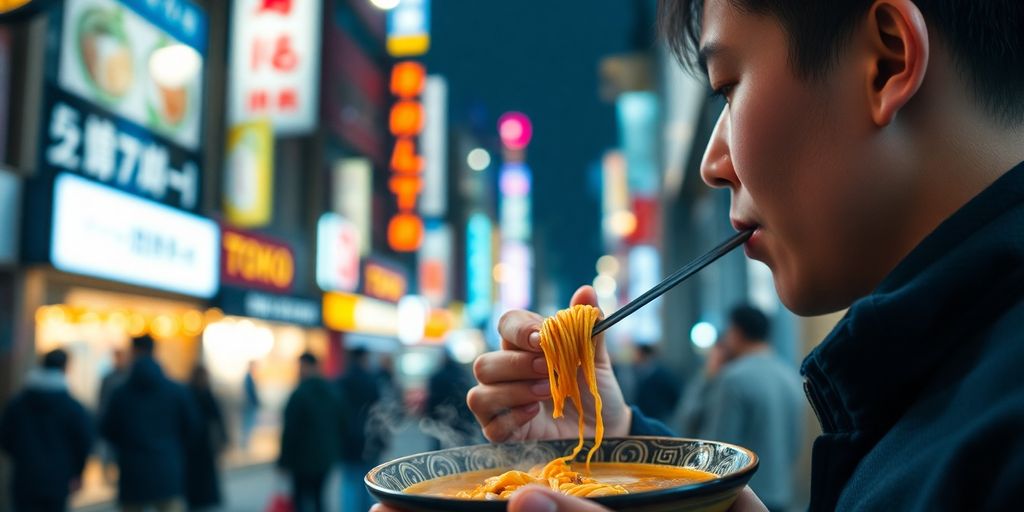
Master Japan on a budget! Your ultimate guide on how to travel Japan on a budget, covering costs, accommodation, transport, and planning.
Navigating Japan Affordably
Thinking about a trip to Japan but worried about the cost? You’re not alone! Many people imagine Japan as an expensive destination, but with a bit of smart planning, you can absolutely have an amazing time without emptying your wallet. This section is all about those budget-friendly Japan travel tips and itinerary ideas that make exploring Japan more affordable. We’ll cover how to manage your money so you can focus on the incredible experiences.
Japan’s prices have been pretty steady for a while, which is good news for travelers. Of course, some things cost more than others, and where you go can make a difference. For instance, big cities like Tokyo and Osaka will generally be pricier than smaller towns or rural areas. Food can be a big variable too. Eating at fancy restaurants can add up quickly, but there are plenty of affordable options. Consider convenience stores (konbini) for quick, tasty, and affordable meals, or small local diners that serve up delicious bowls of ramen or udon for just a few dollars. Even transportation, which can seem daunting, has cost-effective solutions.
Here’s a quick look at some typical daily costs to give you an idea:
| Category | Estimated Cost (USD) | Notes |
|---|---|---|
| Budget Accommodation | $30 – $60 | Hostel dorm or budget business hotel |
| Food | $20 – $40 | Mix of konbini, casual eateries, street food |
| Local Transport | $5 – $15 | Subway, local buses |
| Attractions | $10 – $30 | Entrance fees for temples, museums, etc. |
Remember, these are just estimates. You can definitely spend less by being more mindful, or more if you’re treating yourself! It’s all about finding what works for your budget-friendly Japan itinerary.
Budget-Friendly Accommodation Options
Finding a place to stay is a significant part of your Japan travel hacks for saving money. Forget those super-expensive hotels if you’re trying to keep costs down. There are plenty of other great choices!
- Hostels: These are fantastic for solo travelers or anyone looking to meet people. You can get a bed in a dorm for a really low price. Many hostels are clean, modern, and have good common areas.
- Business Hotels: Don’t let the name fool you. These are typically small, no-frills rooms, but they are clean, safe, and often located conveniently near train stations. They’re a step up from hostels but still quite affordable.
- Guesthouses/Minshuku: These are often family-run places that offer a more traditional Japanese experience. They can be a bit more personal than hotels and sometimes include breakfast. Prices vary, but they can be a good value.
- Capsule Hotels: If you’re feeling adventurous, consider staying in a capsule hotel! You get a small pod to sleep in. It’s a unique experience and usually very cheap, though not for everyone if you’re claustrophobic.
When looking for places, check out booking sites but also consider looking directly at smaller, independent places. Sometimes you can find better deals that way. Planning your accommodation ahead of time is one of the best Japan travel hacks for savings, especially if you’re traveling during peak seasons.
Maximizing Your Travel Experience
So, you’re heading to Japan and want to make sure you get the most bang for your buck, right? It’s totally doable. Japan might have a reputation for being pricey, but honestly, with a bit of smart planning, you can have an amazing time without emptying your wallet. It’s all about knowing where to look and how to get around.
Essential Japanese Phrases for Smooth Communication
Okay, let’s talk language. You don’t need to be fluent, but knowing a few key phrases can really change your experience. It shows respect, and people are generally super helpful when you try, even if your pronunciation is a bit off. It can make simple things like ordering food or asking for directions so much easier.
Here are some basics to get you started:
- Sumimasen (Excuse me / Sorry): This is your go-to phrase. Use it to get someone’s attention, apologize if you bump into someone, or even to get the bill at a restaurant.
- Arigato gozaimasu (Thank you very much): A simple thank you goes a long way. You’ll be saying this a lot!
- Konnichiwa (Hello / Good afternoon): Standard greeting for daytime.
- Eigo o hanasemasu ka? (Do you speak English?): Handy if you’re really stuck.
- Kore wa ikura desu ka? (How much is this?): Useful for shopping or checking prices.
- Wakarimasen (I don’t understand): It’s okay to admit you’re lost!
Don’t be shy about using these. Most people appreciate the effort, and it can lead to some friendly interactions you wouldn’t get otherwise.
Insider Transportation Tips for Urban Exploration
Getting around Japan, especially in the big cities, is surprisingly easy thanks to its incredible public transport system. It’s efficient, clean, and usually on time. But there are definitely ways to save money and make your journeys smoother.
- Get a Suica or Pasmo Card: These are rechargeable smart cards that can be used for trains, subways, and buses in most major cities. You tap it when you enter and exit. It saves you from buying individual tickets every time, and you can even use them at convenience stores and vending machines. Just load them up with cash at any station.
- Consider Day Passes: If you plan on doing a lot of traveling within a city on a single day, look into city-specific day passes. For example, Tokyo offers various subway passes that can be cheaper than paying per ride if you’re visiting multiple locations.
- Walk When You Can: Japanese cities are often very walkable, especially within neighborhoods. You’ll discover so much more by just strolling around. Plus, it’s free exercise!
- JR Pass (for inter-city travel): If you’re planning to travel between cities (like Tokyo to Kyoto), the Japan Rail Pass can be a fantastic deal. You buy it before you arrive in Japan and it gives you unlimited travel on most JR trains, including the Shinkansen (bullet trains), for a set period. Do the math to see if it makes sense for your itinerary, but for multiple long-distance trips, it usually pays for itself.
- Avoid Taxis Unless Necessary: Taxis in Japan can be quite expensive, especially for longer distances. They’re great for late nights when trains stop running or if you have a lot of luggage, but for everyday travel, stick to the trains and buses.
Planning Your Budget Journey
Thinking about a trip to Japan but worried about the cost? It’s entirely possible to explore this amazing country without depleting your wallet. The key is to plan and know where to look for opportunities to save. This section will help you get your affairs in order so you can focus on enjoying your adventure.
Defining Your Travel Goals in Japan
Before you even start looking at flights or hotels, take a moment to think about why you want to go to Japan. Are you dreaming of slurping down authentic ramen in a tiny Tokyo shop? Maybe you want to wander through ancient temples in Kyoto, or perhaps you’re all about the anime culture in Akihabara. Knowing what’s most important to you will help you decide where to allocate your money and where to make cuts.
- Foodie Focus: If eating your way through Japan is the main event, prioritize your food budget. Look for affordable eats at local markets, convenience stores (known as konbini), and small, family-run restaurants. You might skip the fancy hotel for a more budget-friendly stay to save more for those delicious meals.
- Culture Vulture: Interested in history and traditions? You’ll want to allocate funds for entrance fees to temples, museums, and perhaps a traditional tea ceremony. You can save on accommodation by staying in hostels or guesthouses.
- Nature Lover: If your goal is to explore Japan’s natural beauty, such as hiking in the mountains or visiting national parks, factor in transportation costs to access these areas. Accommodation might be simpler in rural spots, which can also save money.
- Pop Culture Enthusiast: For those drawn to anime, manga, and gaming, your budget might lean towards shopping for merchandise or visiting themed cafes. Look for budget-friendly transport passes to get around cities easily.
Best Times to Visit Japan for Savings
When you decide to visit Japan, it can make a big difference to your budget. Sometimes, certain times of the year are more expensive than others due to holidays or popular events.
Here’s a quick look at when you might find better deals:
- Shoulder Seasons (Spring & Autumn): While cherry blossom season (late March to early April) and autumn foliage (October to November) are beautiful, they are also peak times, meaning higher prices for flights and accommodation. Consider visiting just before or after these popular windows for similar weather but lower costs.
- Winter (Excluding New Year): From January to February (excluding the New Year holiday period), you can often find lower prices. Japan in winter can be surprisingly charming, especially if you enjoy hot springs (onsen) or winter illuminations. Just pack warm clothes!
- Avoid Golden Week and Obon: These are major Japanese holidays (Golden Week is typically late April to early May, and Obon is in mid-August). Many Japanese people travel during these times, so prices skyrocket, and places get very crowded. It’s best to steer clear if you’re on a tight budget.
By aligning your travel goals with the best times to visit, you can significantly reduce your expenses and make your dream trip to Japan a reality.