


Are you tired of dealing with unwanted hair that just won’t go away? You’re not alone. Stubborn hair can be a frustrating problem for many individuals.
There are several methods for removing unwanted hair. You can try shaving, waxing, using depilatories, threading, laser hair removal, or electrolysis. Each method has its own advantages and disadvantages. Some work better for certain skin and hair types.
Learning about the causes of unwanted hair and the various removal options can be helpful. This way, you can make smart choices about your hair removal needs. You’ll find a way to conquer stubborn hair effectively.
Why Some Hair Is More Stubborn Than Others
Dealing with stubborn hair can be tough. However, knowing why it’s challenging to remove can help you choose the most effective method. Identifying what makes hair stubborn can lead to a better solution.
Identify Your Hair Type and Growth Pattern
Your hair type and its growth pattern are key factors in determining its stubbornness. For example, thick hair is harder to remove than fine hair. Knowing your hair’s specific details is crucial for selecting the right technique.
Start by looking at your hair’s thickness, texture, and growth direction. Different hair types need different methods. Coarse hair may require waxing or depilatory creams, while fine hair can be managed with shaving or trimming.
Recognise How Hormones and Genetics Affect Hair Growth
Hormones and genetics play big roles in hair growth and stubbornness. Hormonal imbalances can cause excessive hair growth in certain areas. Genetics also affect hair thickness, texture, and growth rate.
Understanding how hormones and genetics influence your hair can help you select the most suitable removal method. If hormones are out of balance, addressing this issue may help with stubborn hair growth. Consulting with a healthcare professional can provide valuable insights into these factors.
By understanding these factors and knowing the specifics of your hair, you can make informed choices about hair removal. This knowledge helps you select effective methods tailored to your hair type and growth pattern.
How to Remove Stubborn Hair at Home
Removing hair at home can be a safe and effective process if you know how to do it properly. There are many methods to choose from, each with its own benefits. Learning these techniques lets you have smooth skin without needing a salon.
Proper Shaving Techniques for Coarse Hair
Shaving is a common way to remove hair at home. To shave coarse hair well, you need to prepare your skin and use the right tools.
- Exfoliate your skin before shaving to remove dead skin cells and help the razor glide more smoothly.
- Use a sharp razor and shaving cream or gel to reduce friction and prevent ingrown hairs.
- Shave in the direction of hair growth to avoid causing irritation or ingrown hairs.
By following these steps, you can avoid common shaving problems and get smoother results.
Effective Waxing Methods for Stubborn Hair
Waxing is a popular at-home method that lasts longer than shaving. To wax well, you need to prepare your skin and apply the wax right.
- Ensure your skin is clean and dry before applying wax.
- Apply the wax in the direction of hair growth and remove it in the opposite direction.
- Use a wax warmer or microwave-safe wax to heat the wax to the correct temperature.
Using waxing techniques correctly can lower the risk of ingrown hairs and other issues.
Using Depilatory Creams on Resistant Hair
Depilatory creams dissolve hair at the skin’s surface, making it easy to remove unwanted hair. To use these creams on resistant hair, follow the instructions carefully.
- Apply the cream to the area with unwanted hair, avoiding sensitive areas.
- Leave the cream on for the recommended time, then wipe or rinse it off.
- Perform a patch test before using a depilatory cream to check for any adverse reactions.
Using depilatory creams correctly can safely remove resistant hair without more invasive methods.
Advanced At-Home Hair Removal Devices
You can get professional hair removal results at home with the right device. Devices like epilators, IPL, and electric trimmers give longer-lasting results. They are also more convenient than old methods.
Operate Epilators for Longer-Lasting Results
Epilators pull hair out from the root. Make sure your skin is clean and dry before using. Exfoliate to avoid ingrown hairs. Always follow the instructions for the best results.
Here’s how to use an epilator:
- Use it on dry skin for better grip.
- Keep the device at a 90-degree angle to the skin.
- Move it slowly and steadily over the area.
Implement At-Home IPL Treatments Safely
IPL devices use light to damage hair follicles, reducing hair growth. Always follow the manufacturer’s guidelines and do a patch test before starting.
Important things to consider for IPL treatments:
| Feature | Description | Benefit |
|---|---|---|
| Skin Tone Adjustment | Some devices adjust their intensity based on the user’s skin tone. | Reduces risk of burns or hyperpigmentation. |
| Multiple Intensity Settings | Allows for customisation based on hair type and skin sensitivity. | Enhances safety and effectiveness. |
| Glide Mode | Continuous mode for faster treatment. | Saves time and increases convenience. |
Select the Right Electric Trimmer for Your Needs
Electric trimmers are great for trimming and shaping hair. Think about what you need, like the body area, hair type, and extra features. Look for adjustable length settings or waterproofing.
To pick the right electric trimmer:
- Identify the areas of the body you need to trim.
- Consider the type of hair you have (coarse, fine, etc.).
- Look for a trimmer with adjustable settings for customisation.
Professional Hair Removal Solutions for Persistent Hair
For those dealing with persistent hair, professional hair removal can make a significant difference. These advanced treatments, done by experts, give lasting results for stubborn hair.
It’s key to know the different options for hair removal and how they fit your needs. Consulting with a skilled practitioner helps determine the best method for your skin and hair.
Invest in Laser Hair Removal Sessions
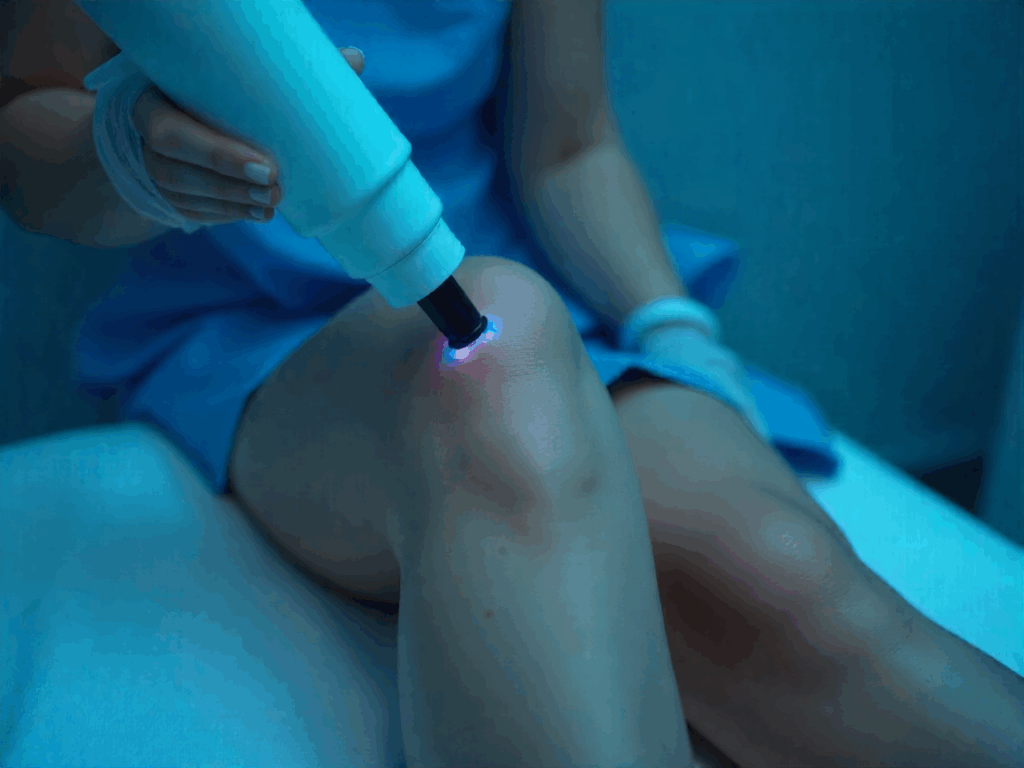
Laser hair removal is a top pick for a lasting fix to unwanted hair. It utilises laser technology to target and reduce hair growth, resulting in smoother skin for an extended period.
For optimal results, you’ll need several sessions, spaced several weeks apart. Your practitioner will figure out the best plan for your skin and hair.
Consider Electrolysis for Permanent Results
Electrolysis is a reliable and effective choice for permanent hair removal. It involves a fine needle inserted into the hair follicle and a gentle electrical current to damage the root, thereby stopping hair growth.
Though it takes longer than other methods, electrolysis is a permanent fix for those ready to put in the time and effort.
Schedule Professional Waxing or Sugaring Treatments
For a more traditional method, try professional waxing or sugaring. These involve applying warm wax or sugar paste, then quickly removing it to pull the hair from the root.
Waxing and sugaring can be done on many body parts. They offer a longer-lasting option compared to shaving or depilatory creams.
Prevent and Treat Common Hair Removal Problems
To keep your skin smooth and hair-free, it’s essential to be mindful of potential hair removal issues. Effective methods can boost your confidence, but they can also cause problems like ingrown hairs and skin irritation if not done right.
Combat Ingrown Hairs with Proper Exfoliation
Ingrown hairs are a big problem, mainly in curly or coarse hair areas. To fight them, exfoliating your skin is key. Exfoliation gets rid of dead skin cells, making it less likely for hairs to get trapped.
Use gentle scrubs or chemical exfoliants with alpha-hydroxy acids (AHAs) or beta-hydroxy acids (BHAs. Exfoliate 1-2 times a week, depending on your skin type and sensitivity.
Soothe Post-Removal Skin Irritation
Skin irritation is a common side effect of hair removal. To calm it down, apply a soothing treatment or a cool compress. Aloe vera, chamomile, or green tea products can help lessen redness and swelling.
Avoid tight clothes that can irritate your skin more. If irritation doesn’t go away, see a dermatologist for help.
Establish a Routine to Slow Hair Regrowth
To keep your skin smooth for longer, create a routine to slow hair growth. Using hair regrowth inhibitors can help. These products slow down hair growth, making it easier to maintain smooth skin between hair removal sessions.
Also, think about adding epilation or laser hair removal to your routine. These methods give longer-lasting results than shaving or depilatory creams.
Your Journey to Smooth, Hair-Free Skin
You now know how to identify your hair type and growth pattern. You also understand how hormones and genetics affect hair growth. This knowledge helps you pick the best hair removal method for you.
Whether it’s shaving, waxing, or using depilatory creams, you have options. Advanced at-home devices like epilators and IPL treatments can also help. For more persistent hair, professional solutions like laser hair removal or electrolysis are great.
To keep your skin smooth, ensure you exfoliate properly. Also, take care of your skin after hair removal to avoid irritation. By following these tips and selecting the right techniques, you can effectively manage stubborn hair. Enjoy the confidence that comes with smooth, hair-free skin.