


Physical Changes That May Catch You Off Guard
Your body just did something incredible, but it’s not quite done with its transformations yet. Many new parents are surprised by the lingering and new physical shifts that happen after the baby arrives. It’s a lot to take in, and frankly, not always pretty.
Postpartum Bleeding and Contractions
Let’s discuss the bleeding, often referred to as lochia. It’s essentially your uterus shedding its lining, and this process can last for several weeks. Think of it like a super heavy period, but it can come with clots, too. You’ll likely need heavy-duty pads and maybe even some disposable underwear for a while. On top of that, you might feel your uterus contracting, especially when you’re breastfeeding. These are called afterpains, and they help your uterus shrink back down. They can be surprisingly strong, almost like labor contractions, but they usually get milder over time.
Night Sweats and Body Odor
Get ready for some serious sweating. Many new moms experience intense night sweats, waking up drenched. This is your body adjusting its hormone levels, and it can go on for weeks or even months. You might also notice a change in your body odour. Hormonal shifts, combined with increased sweating, can lead to a different scent. It’s all part of the postpartum hormonal roller coaster.
Hair Changes and Foot Size Shifts
Your hair might go through a dramatic change, too. Many women notice significant hair shedding a few months after giving birth. This is often due to the drop in estrogen levels. While it can be alarming to see clumps of hair, it’s usually a temporary condition, and your hair will likely grow back. Another common surprise is a change in shoe size.
Pregnancy can cause your feet to swell and your arches to drop, leading to a permanent increase in size for some. So, those favourite shoes might not fit anymore, and you might need to go up a half or even a full size.
Emotional and Mental Adjustments
It’s not just your body that goes through a massive overhaul after giving birth; your mind and emotions are on a wild ride, too. You might feel like you’re on a hormonal roller coaster, and honestly, that’s pretty normal.
The drastic shifts in hormones can really mess with your mood, making you feel weepy one minute and then maybe a bit anxious the next. It’s like your brain is trying to catch up with everything that’s happened, and it’s a lot.
The Return of Anxiety and Worry
Before the baby, you might have worried about the birth, but now the worries are different, and they can feel constant. You might find yourself obsessing over whether the baby is breathing, if they’re eating enough, or if you’re doing a good enough job.
This heightened sense of vigilance, while sometimes protective, can be exhausting. It’s like your brain has a new, never-off job of constantly scanning for potential problems. It’s easy to get caught up in this cycle, and sometimes it feels like you can’t switch it off, even when you know logically that everything is fine.
Hormonal Roller Coaster Effects
Those pregnancy hormones were intense, but the postpartum period brings a whole new set of hormonal changes as your body adjusts. This can lead to mood swings that feel unpredictable. One moment you might feel on top of the world, and the next, you could be crying over something small. It’s not a sign of weakness; it’s your body recalibrating.
This can also affect your sleep, making you feel even more drained and susceptible to emotional ups and downs. It’s a lot to manage when you’re already physically exhausted.
Feeling Like Your Body Isn’t Your Own
After carrying a baby for nine months and then going through labor, your body can feel like a stranger. You might notice changes in your feet, such as them getting bigger, or perhaps your tattoos look different due to skin stretching. It’s common to feel disconnected from your physical self.
Your pre-pregnancy clothes might not fit, and your body might not feel like it belongs to you anymore. This can be a really strange adjustment, and it takes time to get used to your new physical reality and to start feeling comfortable in your skin again.
Unexpected Challenges in Daily Life
Life with a newborn is a whirlwind, and it often throws curveballs you just don’t see coming. You might think you’re prepared for the big stuff, but it’s the little, everyday things that can really throw you for a loop.
Difficulty Completing Simple Tasks
Remember when you could just whip up lunch or fold a load of laundry without a second thought? Yeah, that might feel like a distant memory for a while. With a baby who needs constant attention and often only wants to be held, even basic chores can feel like climbing Mount Everest. You might find yourself staring at a pile of dishes, knowing they need to be done, but feeling utterly incapable of starting.
It’s not laziness; it’s the sheer exhaustion and the constant demands of a tiny human. Things like making a phone call, sending an email, or even just taking a shower can become monumental achievements. It’s a phase, and it does get easier, but be prepared for your productivity to take a serious nosedive for a bit.
Breastfeeding Hurdles
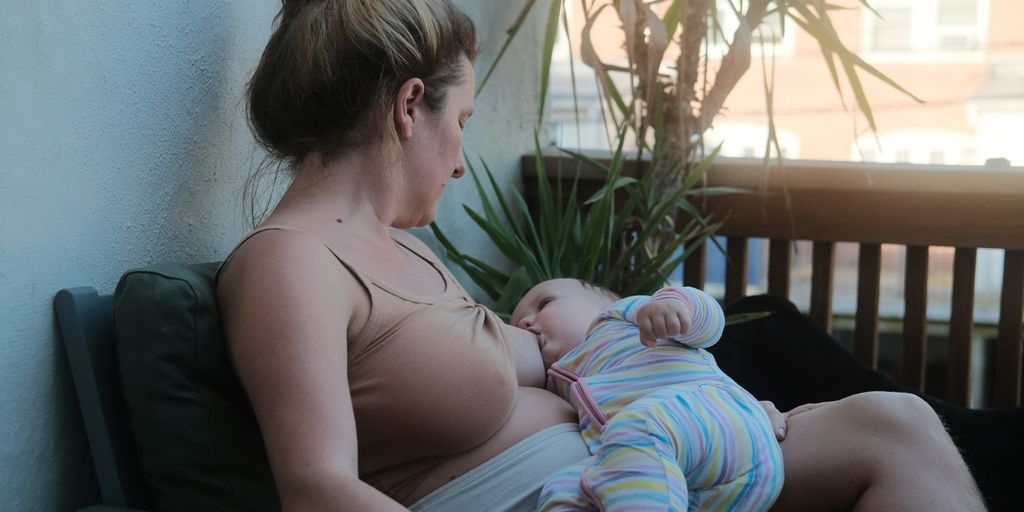
Everyone talks about breastfeeding, but often in glowing terms. What they might not emphasise enough are the potential struggles. Latch issues can be painful and frustrating, leading to cracked nipples and a lot of worry about whether your baby is getting enough milk. Then there are the cluster feeding sessions that can feel endless, leaving you feeling like a human pacifier.
If you’re pumping, dealing with the equipment, cleaning it, and managing your milk supply can feel like a part-time job. It’s a learning curve, and it’s okay if it’s not the idyllic experience you imagined. Many mothers find themselves seeking support from lactation consultants, and there’s absolutely no shame in that.
Intimacy and Relationship Dynamics
Your relationship with your partner is likely to shift, and that’s putting it mildly. Sleep deprivation and the overwhelming focus on the baby can leave you feeling disconnected. You might find yourself snapping at your partner over minor things, or feeling like you’re on completely different planets. The physical recovery after birth also plays a huge role, and the idea of intimacy might be the last thing on your mind. It’s important to communicate, even when you’re exhausted.
Small gestures of appreciation, sharing the load of baby care, and making time for even brief conversations can make a big difference. Remember, you’re a team, and navigating this new chapter together, even with its challenges, can ultimately strengthen your bond.
Frequently Asked Questions
What should I expect regarding bleeding after childbirth?
It’s common to experience bleeding after giving birth, called lochia. This is your body getting rid of extra tissue and blood. It can last for a few weeks and might include clots. Using pads or special underwear can help you feel more comfortable.
Will I experience night sweats after giving birth?
Yes, you might get really sweaty at night, sometimes enough to soak your sheets. This is due to the big hormone changes happening in your body after delivery. It’s usually temporary and a normal part of the recovery process.
Why do everyday tasks feel so hard after having a baby?
Many new mothers find that simple tasks, such as making lunch or doing laundry, feel incredibly difficult at first. Caring for a newborn takes a lot of energy, and you might feel foggy-headed. Be patient with yourself; things do get easier over time.