


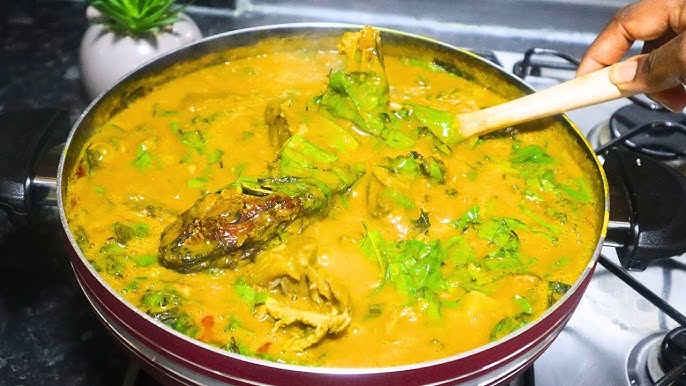
Have you ever tasted the rich, savory flavors of Oha soup? This traditional Nigerian dish is a culinary delight that will transport your taste buds to West Africa. Also known as Ora soup, this nutritious meal combines tender meat, fresh vegetables, and aromatic spices to create a truly satisfying experience.
Whether you’re an experienced cook or a novice in the kitchen, learning how to prepare Oha soup is a valuable skill that will impress your family and friends. In this article, we will walk you through the process with easy-to-follow instructions on how to cook Oha Soup to perfection.
What is Oha Soup (Ora Soup)?

Oha soup, also known as ora soup, is a delicious and nutritious Nigerian delicacy that will tantalize your taste buds. If you’re wondering how to cook Oha soup, you’re in for a treat! This traditional dish hails from the southeastern part of Nigeria, particularly the Igbo-speaking regions.
The star ingredient of this soup is the oha leaf, a dark green, slightly bitter vegetable that gives the dish its distinctive flavor. These leaves are rich in vitamins and minerals, making the soup not just tasty but also incredibly healthy. When you learn how to cook Oha soup, you’ll discover that these leaves are typically added towards the end of cooking to preserve their nutrients and texture.
While the oha leaves are the namesake ingredient, this soup is a hearty blend of various components. The combination of these ingredients creates a rich, flavorful broth that’s both satisfying and comforting. As you learn how to cook Oha soup, you’ll find that the cocoyam serves as a natural thickener, giving the soup its characteristic consistency.
Cultural Significance
In Igbo culture, Oha soup is more than just a meal, it’s a symbol of hospitality and celebration. It’s often served at special occasions and gatherings, making it a cherished part of the culinary heritage. Mastering how to cook Oha soup is not just about nourishment; it’s about connecting with a rich cultural tradition.
Ingredients Needed to Cook Oha Soup
Before you dive into the cooking process, it’s essential to gather all the ingredients you’ll need to cook Oha soup. This traditional Nigerian dish is packed with flavor and nutrition, so let’s make sure you have everything on hand.
The Star of the Show: Oha Leaves
You’ll first need to source fresh Oha leaves. These unique leaves are the heart and soul of this dish, providing a distinct flavor and texture. If you can’t find them locally, look for African specialty stores or consider using dried Oha leaves as a substitute.
Protein and Thickeners
- Assorted meats (beef, goat, or chicken)
- Dried fish or stockfish
- Crayfish
- Cocoyam or cocoyam flour (for thickening)
Flavor Enhancers
Don’t forget these crucial ingredients that give Oha soup its rich, complex taste:
- Palm oil
- Onions
- Ogiri (fermented oil seeds)
- Uziza leaves (optional, for extra flavor)
- Salt and pepper to taste
By gathering these ingredients, you’re well on your way to mastering how to cook Oha soup. Remember, the key to a delicious Oha soup lies in the balance of flavors and textures, so feel free to adjust quantities to suit your taste preferences. With everything in place, you’re ready to embark on your culinary journey and create this mouthwatering Nigerian delicacy.
How to Cook Oha Soup
This traditional Nigerian dish is not only delicious but also packed with nutrients. Let’s dive into the process of creating this flavorful soup.
Before you start cooking, make sure you have all the necessary ingredients:
- Fresh Oha leaves
- Assorted meats (beef, tripe, or goat meat)
- Cocoyam or cocoyam flour
- Uziza leaves
- Palm oil
- Stockfish
- Dried fish
- Crayfish
- Ogiri (fermented oil seeds)
- Salt and pepper to taste
Step 1: To prepare Oha Soup, also known as Ofe Ora, begin by boiling the cocoyam in water until it’s tender. Once cooked, peel the yam and mash it using a mortar and pestle. Set the pounded yam aside for later use.
Step 2: Next, grind the crayfish and fresh peppers into a fine paste. Remove the Oha leaves from their stems and slice them into thin strips using a kitchen knife. Alternatively, you can shred the leaves with your fingers for a more traditional approach.
Step 3: Soften the dry fish and stockfish by pouring hot water over them. Then, wash the fish to remove dirt and sand. Remove the center bone from the fish and tear the stockfish into smaller pieces.
Step 4: Parboil the goat meat with seasoning cubes, salt, and other necessary spices until it becomes tender. This should take around 15-25 minutes.
Step 5: Add more water to the pot, followed by palm oil, fish, stockfish, ground crayfish, seasoning cube, salt, and pepper. Stir the mixture and allow it to boil. The soup should have a rich, savory flavor at this point.
Step 6: Add the pounded cocoyam and ogiri to the pot. Stir the mixture until the yam is fully dissolved.
Step 7: Finally, add the sliced Oha leaves to the pot. Stir the soup gently and allow it to simmer for another 3-5 minutes. Season with salt to taste.
Serve the Oha Soup hot with a side of Semo, eba, fufu, or pounded yam. Remember, the key to mastering how to cook Oha soup lies in balancing the flavors and achieving the right consistency. With practice, you’ll soon be serving up this nutritious and delicious Nigerian delicacy like a pro!
Different Variations of Oha Soup Recipes
When it comes to learning how to cook Oha soup, you’ll soon discover that there’s no one-size-fits-all approach. This beloved Nigerian dish has several delicious variations that showcase regional preferences and family traditions.
Traditional Oha Soup
The classic recipe for Oha soup typically includes palm oil, cocoyam (or achi as a thickener), assorted meats, dried fish, and of course, the star ingredient, Oha leaves. This version is rich, hearty, and packed with authentic flavors that have been passed down through generations.
Vegetarian Oha Soup
For those following a plant-based diet, there’s good news! You can still enjoy the unique taste of Oha soup without meat. Simply swap out the meat and fish for mushrooms, tofu, or your favorite plant-based protein. The Oha leaves still take center stage, ensuring you don’t miss out on the soup’s signature taste.
Seafood Oha Soup
If you’re a seafood lover, this variation will be right up your alley. Instead of using assorted meats, this version incorporates a medley of seafood like shrimp, crayfish, and stockfish. The result? A lighter yet equally flavorful take on the traditional recipe.
Oha Soup with a Twist
For the adventurous cook, why not experiment with adding a unique twist to your Oha soup? Some creative cooks have been known to incorporate ingredients like pumpkin leaves or spinach alongside the Oha leaves, creating a nutrient-packed powerhouse of a soup.
Remember, regardless of which variation you choose, learning how to cook Oha soup is all about embracing the process and making it your own. Don’t be afraid to adjust ingredients to suit your taste preferences, that’s part of the joy of cooking!
Serving Suggestions for Oha Soup
Learning how to cook Oha soup is only half the battle. To truly elevate your dining experience, consider these seven serving suggestions that will make your Oha soup shine:
Traditional Palm-rolled Fufu
Nothing complements Oha soup better than a ball of freshly made fufu. This classic Nigerian staple provides the perfect vehicle for scooping up the rich, leafy soup. The mild taste of fufu allows the complex flavors of your Oha soup to take center stage.
Garri (Eba)
For a quicker alternative to fufu, try serving your Oha soup with Eba. This granulated cassava flour, when mixed with hot water, forms a dough-like consistency that pairs wonderfully with the soup’s texture.
Pounded Yam
Smooth and stretchy, pounded yam is another excellent accompaniment. Its subtle flavor won’t overpower the delicate taste of the Oha leaves, making it an ideal partner for your soup.
Rice
For a twist on tradition, serve your Oha soup over a bed of steaming white rice. The rice soaks up the flavorful broth, creating a satisfying one-bowl meal.
Plantain Fufu
If you’re looking for a gluten-free option, plantain fufu is a great choice. Its slightly sweet flavor adds an interesting dimension to the savory Oha soup.
Cocoyam Fufu
Another unique option is cocoyam fufu. Its nutty flavor and smooth texture provide an interesting contrast to the leafy Oha soup.
Ugali (Corn Fufu)
For those who prefer a firmer texture, ugali made from cornmeal is an excellent choice. Its subtle corn flavor adds a new dimension to your Oha soup experience.
Remember, the key to mastering how to cook Oha soup lies not just in the preparation, but also in how you serve it. Experiment with these options to find your perfect pairing!
Tips for Achieving the Perfect Oha Soup Consistency
Learning how to cook Oha soup to perfection takes practice, but these tips will help you nail the ideal consistency every time:
Use the right ratio of water to ingredients
When cooking Oha soup, start with less water than you think you’ll need. You can always add more later, but it’s harder to thicken an overly watery soup.
Prepare your cocoyam properly
Cocoyam acts as a natural thickener. Peel, wash, and pound it thoroughly before adding to your soup. This ensures it dissolves evenly, creating a smooth texture.
Add Oha leaves at the right time
Wait until your soup is almost done before adding the Oha leaves. They cook quickly and overcooked leaves can make your soup slimy.
Control your heat
Simmer, don’t boil. High heat can break down ingredients too quickly, affecting the soup’s consistency.
Stir regularly
Frequent stirring prevents ingredients from sticking to the pot bottom and helps distribute heat evenly, resulting in a uniform consistency.
Let it rest
After cooking, allow your Oha soup to sit for a few minutes. This helps the flavors meld and the consistency to settle.
Adjust as needed
If your soup is too thick, add small amounts of hot water. If it’s too thin, let it simmer uncovered to reduce. Remember, the soup will thicken slightly as it cools.
By following these tips, you’ll master how to cook Oha soup with the perfect consistency, impressing your family and guests with your culinary skills.
How to Store and Reheat Leftover Oha Soup
Proper storage and reheating techniques are crucial to maintain its delicious flavor and nutritional value. Here’s how to keep your leftover Oha soup tasting fresh and delightful.
Storing Your Oha Soup
Let the soup cool completely before storing. Transfer the soup to an airtight container, leaving a little space at the top for expansion. Refrigerate within two hours of cooking to prevent bacterial growth. Your Oha soup will stay fresh in the fridge for 3-4 days.
For longer storage, freeze your soup. Pour it into freezer-safe containers or heavy-duty freezer bags, leaving about an inch of space for expansion. Label with the date and freeze for up to 3 months.
Reheating Your Oha Soup
When you’re ready to enjoy your leftover Oha soup, reheat it properly to preserve its taste and texture. If frozen, thaw the soup in the refrigerator overnight.
For stovetop reheating:
- Pour the soup into a pot
- Heat over medium-low, stirring occasionally
- Bring to a gentle simmer for about 5 minutes or until hot throughout
Microwave method:
- Transfer soup to a microwave-safe bowl
- Cover loosely and heat in 1-minute intervals, stirring between each
- Heat until steaming hot, usually 2-3 minutes total
Remember, reheated Oha soup may need a splash of water or stock to thin it out, as it tends to thicken when stored. Adjust the seasoning if necessary, and enjoy your perfectly reheated Oha soup!
Oha Soup’s Health Benefits and Nutritional Value
Oha Soup packs a powerful nutritional punch. Let’s dive into seven incredible health benefits of this flavorful soup.
Rich in Antioxidants
Oha leaves, the star ingredient in this soup, are loaded with antioxidants. These powerful compounds help protect your cells from damage caused by free radicals, potentially reducing your risk of chronic diseases like cancer and heart disease.
Boosts Immune System
The combination of vegetables and spices in Oha soup provides a hefty dose of vitamins and minerals. This nutrient-rich mix can help strengthen your immune system, keeping you healthy and resistant to infections.
Promotes Digestive Health
The high fiber content in Oha soup aids digestion and promotes a healthy gut. Regular consumption may help prevent constipation and other digestive issues.
Supports Heart Health
Oha leaves contain compounds that may help lower cholesterol levels and regulate blood pressure, contributing to better heart health.
Enhances Bone Strength
The calcium-rich cocoyam used in Oha soup supports strong bones and teeth. It’s particularly beneficial for growing children and older adults.
Aids in Weight Management
Low in calories but high in nutrients, Oha soup can be an excellent addition to a weight management diet. It keeps you feeling full without adding excessive calories.
Improves Skin Health
The vitamin C content in Oha leaves promotes collagen production, which can help maintain healthy, youthful-looking skin.
By learning how to cook Oha soup, you’re not just mastering a culinary skill, you’re also investing in your health. This nutritious dish offers a delicious way to boost your overall well-being.
Frequently Asked Questions
These are some of the frequently asked questions and answers about how to cook Oha Soup.
What are the key ingredients for Oha Soup?
To cook Oha Soup, you’ll need fresh Oha leaves, assorted meats, stockfish, dried fish, palm oil, and traditional spices. The Oha leaves are the star ingredient, providing a unique flavor and texture to the dish. Cocoyam or cocoyam flour is often used as a thickener, giving the soup its characteristic consistency.
How long does it take to cook Oha Soup?
The total cooking time for Oha Soup typically ranges from 1 to 2 hours, depending on the recipe and ingredients used. Most of this time is spent preparing and cooking the meat and fish. The actual preparation of the soup base and addition of Oha leaves takes about 30 minutes.
Can I substitute Oha leaves with something else?
While Oha leaves are essential for the authentic taste of Oha Soup, you can use alternatives like spinach or bitter leaf in a pinch. However, these substitutes will alter the flavor profile of the dish. For the best results when preparing Oha Soup, try to source fresh Oha leaves from African or specialty grocery stores.
Is Oha Soup healthy?
Yes, Oha Soup is generally considered a nutritious dish. The Oha leaves are rich in vitamins and minerals, while the assorted meats and fish provide protein. However, the use of palm oil makes it relatively high in saturated fat. As with any dish, moderation is key to enjoying Oha Soup as part of a balanced diet.
Conclusion
As you master the art of cooking Oha soup, you’ll find it becomes a cherished addition to your culinary repertoire. This traditional Nigerian dish offers a perfect blend of flavors and nutrients, making it both delicious and healthful.
Remember to source fresh ingredients for the best results, and don’t hesitate to adjust the recipe to suit your taste preferences. With practice, you’ll develop an intuitive understanding of the perfect balance of spices and textures. Enjoy the rich cultural heritage and comforting warmth of Oha soup in your own home.