



Have you ever wondered how compressed natural gas (CNG) vehicles operate? As concerns about environmental impact and fuel costs grow, CNG has emerged as an alternative to traditional gasoline and diesel.
These vehicles harness the power of natural gas that has been compressed to less than 1% of its volume, storing it in high-pressure tanks. Understanding the mechanics behind CNG vehicles can help you make informed decisions about sustainable transportation options in today’s evolving automotive landscape.
What Are CNG Vehicles?
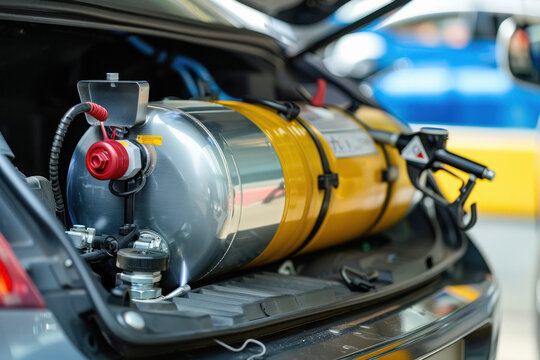

CNG vehicles are automobiles that run on compressed natural gas (CNG) instead of traditional gasoline or diesel fuel. These eco-friendly vehicles have gained popularity in recent years as a cleaner alternative to conventional cars. Let’s dive into what makes CNG vehicles unique and why they’re becoming a popular choice for environmentally conscious drivers.
At their core, CNG vehicles use the same internal combustion engine technology as gasoline-powered cars. The main difference lies in the fuel system. Instead of a gas tank, CNG vehicles have specially designed cylinders that store natural gas compressed to about 3,000 to 3,600 pounds per square inch. This compression allows for a greater amount of fuel to be stored in a smaller space.
When you start a CNG vehicle, the compressed natural gas flows from the storage cylinders to the engine. There, it mixes with air and ignites in the combustion chamber, just like in a regular gasoline engine. The resulting explosion powers the pistons, which in turn drive the wheels.
One cool feature of many CNG vehicles is their bi-fuel capability. This means they can switch between CNG and gasoline, giving you added flexibility and range. It’s like having two cars in one!
In summary, CNG vehicles offer an innovative and cleaner alternative to conventional cars, combining familiar engine technology with a more environmentally friendly fuel source.
How Do CNG Vehicles Work?


CNG vehicles are an innovative solution in the world of eco-friendly transportation. But how exactly do these machines operate? Let’s dive into the fascinating mechanics behind these clean-burning automobiles.
The Fuel System
At the heart of CNG vehicles lies a specially designed fuel system. Unlike traditional cars that use gasoline, these vehicles run on compressed natural gas stored in high-pressure tanks. These tanks are typically made of reinforced materials to safely contain the pressurized gas.
When you start your CNG vehicle, the natural gas flows from the tank through a series of valves and regulators. These components control the gas pressure and flow rate, ensuring optimal performance and safety.
The Engine
CNG vehicles use modified internal combustion engines. These engines are similar to those in conventional cars but with a few key differences:
- Spark plugs are designed to handle higher voltages
- Fuel injectors are specially crafted for gas instead of liquid fuel
- Combustion chambers are optimized for natural gas ignition
The engine compresses the air-fuel mixture and ignites it with a spark, just like in a gasoline engine. However, the combustion process is cleaner, resulting in lower emissions.
Dual-Fuel Systems
Some CNG vehicles feature dual-fuel systems, allowing them to run on both natural gas and gasoline. This flexibility gives drivers the option to switch between fuel types, extending the vehicle’s range and providing a backup if CNG isn’t readily available.
In these systems, the car automatically switches to gasoline when the CNG tank is empty, ensuring a seamless driving experience. It’s like having two cars in one!
By understanding how CNG vehicles work, you can appreciate the ingenuity behind this cleaner, more sustainable transportation option. As technology advances, we can expect even more efficient and powerful CNG vehicles hitting the roads.
The Benefits of Driving a CNG Vehicle
CNG vehicles offer numerous advantages that make them an attractive option for eco-conscious drivers. Let’s explore eight key benefits:
Cost-effective fuel
CNG is significantly cheaper than gasoline or diesel, saving you money at the pump. With rising fuel prices, switching to a CNG vehicle can lead to substantial long-term savings.
Reduced emissions
CNG burns cleaner than traditional fuels, producing fewer harmful emissions. This makes CNG vehicles an excellent choice for those looking to reduce their carbon footprint and contribute to cleaner air.
Lower maintenance costs
The clean-burning nature of CNG means less wear and tear on your engine, resulting in reduced maintenance needs and costs over time.
Increased engine life
CNG’s clean combustion properties can extend your engine’s lifespan, potentially saving you money on replacements down the road.
Quieter operation
CNG vehicles tend to run more quietly than their gasoline or diesel counterparts, providing a more peaceful driving experience.
Safety advantages
CNG is less flammable than gasoline and has a higher ignition temperature, making it a safer fuel option in the event of an accident.
Tax incentives
Many governments offer tax breaks or incentives for CNG vehicle owners, further offsetting the initial cost of purchase.
Abundant domestic fuel source
CNG is often produced domestically, reducing reliance on foreign oil and supporting local economies.
Potential Drawbacks of CNG Vehicles
While CNG vehicles offer numerous benefits, they also come with some potential drawbacks. Let’s explore seven key challenges you might face when considering a switch to these alternative fuel vehicles:
Limited Fueling Infrastructure
One of the biggest hurdles for CNG vehicles is the scarcity of fueling stations. Unlike gas stations, CNG refueling points are far less common, which can make long-distance travel challenging and require careful trip planning.
Reduced Cargo Space
The large fuel tanks required for CNG storage often eat into your vehicle’s cargo area. This can be a significant drawback if you frequently need to haul large items or have a growing family with lots of gear.
Higher Initial Costs
While CNG vehicles can save you money in the long run, they typically come with a higher price tag upfront. The specialized equipment and modifications needed for CNG systems contribute to this increased initial investment.
Potential for Lower Performance
Some CNG vehicles may experience a slight decrease in power and acceleration compared to their gasoline counterparts. This performance dip is usually minimal but could be noticeable in certain driving situations.
Shorter Driving Range
CNG vehicles often have a shorter driving range than traditional gas-powered cars. This means you might need to refuel more frequently, which can be inconvenient given the limited fueling infrastructure.
Maintenance Complexity
Servicing CNG vehicles requires specialized knowledge and equipment. Finding qualified mechanics for maintenance and repairs can be challenging, potentially leading to higher service costs and longer wait times.
Safety Concerns
While CNG is generally safe, there are still some safety concerns associated with high-pressure gas storage. Proper maintenance and regular inspections are crucial to ensure the integrity of the fuel system and minimize any risks.
Differences Between CNG and Gasoline/Diesel Vehicles
Let’s delve into the key differences between CNG, gasoline, and diesel vehicles, exploring their unique characteristics, benefits, and drawbacks to help you make an informed decision about your next vehicle.
Fuel Storage and Composition
CNG vehicles store fuel in high-pressure tanks, while gasoline and diesel use liquid fuel tanks. Compressed natural gas is primarily methane, whereas gasoline and diesel are complex mixtures of hydrocarbons.
Engine Modifications
CNG vehicles require specially modified engines to handle gaseous fuel, including different fuel injection systems and spark plugs. Traditional vehicles use engines designed for liquid fuel combustion.
Environmental Impact
CNG vehicles produce fewer emissions, making them more environmentally friendly. They emit less carbon dioxide, nitrogen oxides, and particulate matter compared to gasoline or diesel vehicles.
Fuel Efficiency
While CNG vehicles may have slightly lower fuel efficiency, they often have a lower cost per mile due to cheaper fuel prices. Gasoline and diesel vehicles typically offer better mileage but at a higher fuel cost.
Refueling Infrastructure
Gasoline and diesel stations are widely available, whereas CNG refueling stations are less common. This can make long-distance travel more challenging for CNG vehicles.
Safety Considerations
CNG tanks are designed to withstand high pressure and are often safer in accidents than gasoline tanks. However, proper maintenance is crucial for both types of vehicles to ensure safety.
Initial Cost and Maintenance
CNG vehicles often have a higher upfront cost due to specialized components. However, they may have lower long-term maintenance costs compared to traditional vehicles, as natural gas burns cleaner and causes less engine wear.
Maintenance and Safety Considerations for CNG Vehicles
When it comes to CNG vehicles, proper maintenance and safety practices are crucial. Let’s dive into what you need to know to keep your ride running smoothly and safely.
Regular Inspections Are Key
Just like any vehicle, CNG vehicles require routine check-ups. But there’s a twist, you’ll need to pay extra attention to the fuel system. Make sure to:
- Inspect fuel lines for leaks or damage
- Check the integrity of the CNG tank
- Ensure all valves and fittings are secure
Remember, a well-maintained CNG vehicle isn’t just efficient, it’s safer too.
Safety First: Handling CNG
While CNG is generally safe, it’s still a pressurized gas. Always follow these safety tips:
- Never attempt DIY repairs on the fuel system
- Park in well-ventilated areas
- If you smell gas, shut off the engine and get out immediately
Finding the Right Mechanic
Not all mechanics are knowledgeable when it comes to CNG vehicles. Look for certified technicians who specialize in alternative fuel systems. They’ll have the know-how to keep your ride purring.
By following these guidelines, you’ll ensure your CNG vehicle stays in top shape, providing you with a clean, efficient, and safe driving experience for years to come.
Purchasing a CNG Vehicle: What to Look For
When you’re in the market for CNG vehicles, there are several key factors to consider. Let’s dive into what you should keep an eye out for to ensure you’re making a smart investment.
Engine and Performance
First things first: check the engine. Look for vehicles specifically designed or converted for CNG use. These engines are optimized to handle the unique properties of compressed natural gas, ensuring better performance and efficiency. Don’t shy away from asking about horsepower and torque – you want a ride that packs enough punch for your needs.
Fuel Tank Capacity and Range
Next up, consider the fuel tank capacity. This directly impacts how far you can travel between fill-ups. CNG vehicles typically have a shorter range than their gasoline counterparts, so make sure the tank size aligns with your daily driving habits. Some models offer dual-fuel systems, allowing you to switch between CNG and gasoline – a handy feature for longer trips.
Safety Features and Certifications
Safety should always be a top priority. Look for CNG vehicles that meet or exceed safety standards. Check for proper certifications and ensure the fuel system has undergone rigorous testing. Don’t hesitate to ask about safety features specific to CNG systems, such as automatic shut-off valves and leak detection mechanisms.
Remember, while CNG vehicles offer environmental and potentially economic benefits, it’s crucial to choose one that fits your lifestyle and needs. Happy shopping!
Safety Considerations for CNG Vehicles
When it comes to CNG vehicles, safety is paramount. While these eco-friendly alternatives offer numerous benefits, it’s crucial to understand and address potential risks.
Tank Integrity and Inspection
The heart of CNG vehicles lies in their high-pressure fuel tanks. Regular inspections are essential to ensure these tanks remain in top condition. You’ll want to have a certified technician check for any signs of wear, corrosion, or damage. Remember, a well-maintained tank is your best defense against potential leaks or failures.
Proper Ventilation
CNG is lighter than air, which means any leaks will quickly rise and dissipate. However, it’s still important to park your CNG vehicle in well-ventilated areas. Avoid enclosed spaces without proper airflow to minimize any risk of gas accumulation.
Fire Safety Precautions
While CNG is less flammable than gasoline, it’s still combustible. Equip your garage or parking area with appropriate fire extinguishers and smoke detectors. It’s also wise to familiarize yourself with your vehicle’s emergency shut-off valve location.
Professional Maintenance
When it comes to CNG vehicles, DIY repairs are a no-go. Always rely on certified mechanics who understand the intricacies of these systems. Regular maintenance not only keeps your vehicle running smoothly but also ensures all safety features are functioning correctly.
By following these safety guidelines, you can enjoy the benefits of CNG vehicles while minimizing potential risks. Remember, a little caution goes a long way in ensuring a safe and eco-friendly driving experience.
Frequently Asked Questions
These are some of the Frequently asked questions and answers about CNG vehicles.
Are CNG vehicles safe?
CNG vehicles are generally considered as safe as traditional gasoline-powered cars. The compressed natural gas tanks are designed with robust safety features and undergo rigorous testing. In fact, CNG is less flammable than gasoline, which can provide an additional safety advantage in certain situations.
How does the fuel efficiency of CNG vehicles compare to gasoline?
CNG vehicles typically offer comparable fuel efficiency to their gasoline counterparts. While CNG has a lower energy density than gasoline, modern CNG engines are designed to optimize performance. The exact efficiency can vary depending on the specific vehicle model and driving conditions.
What is the typical driving range for CNG vehicles?
The driving range of CNG vehicles can vary widely depending on the model and tank size. On average, most CNG vehicles can travel between 150 to 400 miles on a full tank. Some newer models with larger tanks or dual-fuel systems can achieve even greater ranges, making them suitable for longer trips.
Are there any maintenance differences for CNG vehicles?
CNG vehicles generally require similar maintenance to conventional vehicles. However, they may need less frequent oil changes due to the cleaner-burning nature of natural gas. The CNG fuel system components, including tanks and fuel lines, require periodic inspection to ensure safety and optimal performance.
How do CNG vehicles impact the environment?
CNG vehicles offer significant environmental benefits compared to traditional gasoline or diesel vehicles. They produce lower emissions of greenhouse gases and other pollutants, contributing to improved air quality. The use of natural gas as a fuel source can also help reduce dependence on petroleum-based fuels, supporting energy diversification efforts.
Conclusion
As you’ve learned, CNG vehicles offer an innovative alternative to traditional gasoline-powered cars. By harnessing the power of compressed natural gas, these vehicles provide a cleaner, more cost-effective transportation option. While challenges remain in terms of infrastructure and vehicle availability, the benefits of reduced emissions and lower fuel costs make CNG an attractive choice for environmentally-conscious drivers.
As technology continues to advance and more manufacturers embrace CNG options, you can expect to see an increasing number of these vehicles on the road. Whether you’re considering a CNG vehicle for personal use or exploring fleet options for your business, understanding how these vehicles work is the first step toward making an informed decision about this promising automotive technology.