


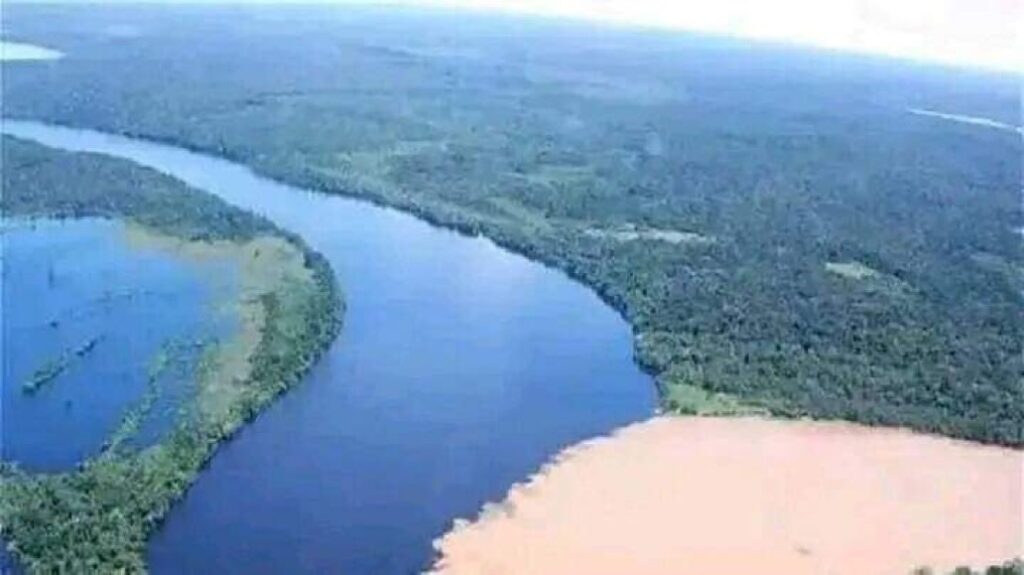
Have you ever wondered where two of Africa’s mightiest rivers converge? The majestic Niger and Benue rivers, vital lifelines coursing through West Africa, meet in a spectacular confluence that has captivated explorers and geographers for centuries.
This natural wonder occurs in the heart of Nigeria, creating a pivotal junction that shapes the region’s geography, climate, and human settlements. As you delve into the fascinating story of River Niger and River Benue, you’ll discover the rich history, ecological significance, and cultural importance surrounding their union.
Introducing the River Niger and River Benue
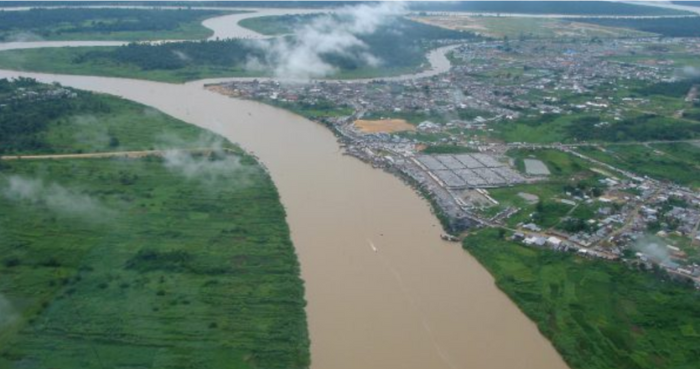

The River Niger and River Benue are two of Africa’s most significant waterways, shaping the landscape and livelihoods of millions. These majestic rivers have played crucial roles in the continent’s history, culture, and economic development.
The River Niger, Africa’s third-longest river, stretches an impressive 4,180 kilometers. It originates in the Guinea Highlands and flows through Mali, Niger, and Nigeria before emptying into the Gulf of Guinea. This vital waterway has been a lifeline for countless communities, supporting agriculture, transportation, and trade for centuries.
The River Benue, while shorter than the Niger at 1,400 kilometers, is no less important. Originating in the Adamawa Plateau of northern Cameroon, it flows westward through Nigeria. The Benue serves as a critical transportation route and water source for the regions it traverses.
The Course of the River Niger
The River Niger, one of Africa’s most majestic waterways, embarks on an extraordinary journey across the continent. Originating in the Guinea Highlands, this mighty river flows through several countries before reaching its final destination in Nigeria, where it meets the River Benue.
A Winding Path
The River Niger’s course is anything but straightforward. It begins its voyage northward, traversing Mali’s inland delta, a vast floodplain that creates a complex network of channels and lakes. From there, it takes a dramatic turn, forming the famous “Niger Bend” as it curves southeast into Niger and Nigeria.
The Niger-Benue Confluence
As the River Niger continues its southward journey through Nigeria, it encounters its most significant tributary, the River Benue. This momentous meeting occurs at Lokoja, in Kogi State, creating a spectacular confluence that marks a pivotal point in both rivers’ courses. The merger of the River Niger and River Benue forms a mighty waterway that continues southward, eventually splitting into numerous channels to form the Niger Delta before emptying into the Gulf of Guinea.
Economic and Ecological Significance
Throughout its course, the River Niger plays a crucial role in the lives of millions. It provides water for agriculture, supports diverse ecosystems, and serves as a vital transportation route. The river’s journey, from its source to its confluence with the River Benue and beyond, showcases the interconnectedness of West African hydrology and the importance of these waterways to the region’s people and wildlife.
The Course of the River Benue
The River Benue, a major tributary of the River Niger, carves a remarkable path through West Africa. Originating in the Adamawa Plateau of northern Cameroon, this mighty waterway flows westward, serving as a vital lifeline for communities along its banks.
Geographical Journey
As the River Benue meanders through Cameroon, it forms part of the country’s border with Chad before entering Nigeria. Here, it continues its westward journey, traversing diverse landscapes and ecosystems. The river’s course is characterized by numerous bends and oxbow lakes, testament to its dynamic nature and the geological forces that have shaped it over millennia.
Ecological Significance
The River Benue’s floodplains are home to rich biodiversity, supporting a variety of flora and fauna. Seasonal flooding nourishes the surrounding land, creating fertile agricultural areas that local communities depend on for their livelihoods. This delicate balance between the river and its environment underscores the ecological importance of the Benue.
Confluence with the Niger
After a journey of approximately 1,400 kilometers (870 miles), the River Benue meets the River Niger at Lokoja in Nigeria. This confluence, where the two great rivers merge, creates a spectacular sight and marks a significant geographical feature in West Africa. The combined waters of the Niger and Benue then flow southward, eventually emptying into the Atlantic Ocean through the Niger Delta.
Where Do River Niger and River Benue Meet?
The River Niger and River Benue, two of Africa’s most significant waterways, converge at a location known as the confluence. This meeting point is situated in Lokoja, the capital city of Kogi State in central Nigeria. The confluence of these mighty rivers creates a spectacular sight, drawing visitors from far and wide to witness this natural phenomenon.
At Lokoja, the River Niger, flowing from the northwest, meets the River Benue, which comes from the northeast. This junction forms a Y-shaped confluence, with the merged waters continuing southward as the Lower Niger. The meeting of these two great rivers creates a striking visual contrast, as the darker waters of the Niger mix with the lighter, silt-laden waters of the Benue.
The convergence of the River Niger and River Benue is not only a geographical marvel but also holds immense cultural and economic importance for Nigeria. This meeting point has historically been a center for trade and transportation, connecting different regions of the country. Today, it continues to play a crucial role in Nigeria’s inland waterways system, facilitating commerce and travel.
Tourists can view this impressive natural spectacle from various vantage points in Lokoja. The Mount Patti viewpoint offers a panoramic vista of the confluence, allowing visitors to fully appreciate the scale and beauty of this unique geographical feature where the River Niger and River Benue join forces.
The Significance of the Niger-Benue Confluence
The meeting point of River Niger and River Benue is more than just a geographical landmark, it’s a symbol of Nigeria’s unity and diversity. This confluence, located in Lokoja, Kogi State, holds immense importance for the country’s ecology, economy, and culture.
A Natural Wonder
You’ll be amazed by the sight of these two mighty rivers merging. The darker waters of the Niger blend with the lighter Benue, creating a stunning visual spectacle. It’s a photographer’s dream and a testament to nature’s artistry.
Economic Powerhouse
The Niger-Benue confluence isn’t just pretty, it’s practical too. This waterway serves as a vital transportation route, connecting different regions of Nigeria. Barges and boats navigate these waters, carrying goods and people, and contributing significantly to the country’s economy.
Cultural Significance
For many Nigerians, the meeting of River Niger and River Benue represents the coming together of the nation’s diverse cultures. It’s a powerful metaphor for unity in diversity, reminding us that strength comes from our differences flowing together.
Environmental Concerns
While celebrating this natural wonder, it’s crucial to address the environmental challenges it faces. Pollution and climate change threaten the delicate ecosystem around the confluence. As visitors, we have a responsibility to protect this unique habitat for future generations.
The Unique Ecosystem of the Niger-Benue Confluence
The meeting point of River Niger and River Benue creates a fascinating ecological wonderland that you won’t find anywhere else. This confluence zone is a hotspot of biodiversity, teeming with life both in and around the water.
A Melting Pot of Aquatic Life
As the waters of River Niger and River Benue merge, they create a unique habitat for various fish species. You’ll find catfish, tilapia, and even the rare Niger perch swimming in these waters. The confluence also serves as a vital breeding ground for many of these species, making it crucial for maintaining fish populations in both rivers.
Riverside Flora and Fauna
The banks of the Niger-Benue confluence are a sight to behold. Lush vegetation lines the shores, providing shelter for numerous bird species. If you’re lucky, you might spot colorful kingfishers diving for fish or majestic African fish eagles soaring overhead.
Human Impact and Conservation
While the confluence is a natural wonder, it’s not immune to human influence. Local communities rely on the rivers for fishing, transportation, and agriculture. However, this has led to challenges like overfishing and pollution. Efforts are underway to balance human needs with conservation, ensuring that this unique ecosystem continues to thrive for generations to come.
The Role of the Niger-Benue Confluence in Transportation
The confluence of River Niger and River Benue plays a pivotal role in Nigeria’s transportation network. As these two mighty rivers join forces, they create a bustling hub of activity that’s crucial for both commerce and travel.
A Natural Highway
Imagine standing at the confluence of the River Niger and River Benue, where two of Africa’s most vital waterways intersect. This natural nexus serves as a critical hub, facilitating the exchange of goods and people across the region.
The rivers pulsate with activity as barges, ferries, and traditional canoes navigate their waters, bridging the gaps between communities that would otherwise be disconnected. This thriving network underscores the importance of these rivers as lifelines, sustaining the social and economic fabric of the region.
Economic Lifeline
The confluence isn’t just about moving people, it’s an economic powerhouse. Farmers use these waters to transport their crops to market, while traders bring in goods from far and wide. It’s like a liquid marketplace, with the rivers acting as conveyor belts for the region’s commerce.
Challenges and Opportunities
Of course, it’s not all smooth sailing. Seasonal changes can affect water levels, and modern infrastructure is still catching up to the river’s potential. But with ongoing development, the Niger-Benue confluence could become an even more critical link in Nigeria’s transportation chain.
The Impact of Seasonal Flooding on the Confluence
During the rainy season, both rivers swell dramatically. The confluence area expands, sometimes flooding nearby lowlands. This annual event reshapes the riverbanks and islands, depositing nutrient-rich silt that’s crucial for local agriculture.
The flooding cycle is vital for the region’s biodiversity. Fish populations boom as spawning grounds expand. Migratory birds flock to the newly formed wetlands. However, it’s not all positive, floods can also displace wildlife and introduce invasive species.
Human Impact
For communities living near the confluence, seasonal flooding is both a blessing and a challenge. While it brings fertile soil for farming, it can also damage homes and infrastructure. Local people have adapted over generations, developing unique flood-resistant building techniques and seasonal migration patterns.
Remember, the meeting of River Niger and River Benue isn’t just about water mixing, it’s a complex dance of ecology, geology, and human adaptation that changes with each passing season.
The Cultural and Historical Significance of the Confluence
The meeting point of River Niger and River Benue holds immense cultural and historical importance for Nigeria and West Africa. This confluence has been a focal point for centuries, shaping the region’s development and identity.
A Hub of Trade and Commerce
Historically, the confluence served as a crucial trading hub. River Niger and River Benue provided natural highways for merchants, facilitating the exchange of goods and ideas across vast distances. This strategic location fostered the growth of vibrant marketplaces and settlements, laying the foundation for modern-day cities like Lokoja.
Spiritual and Mythological Significance
For many local communities, the confluence holds deep spiritual meaning. Legends and myths surrounding the rivers have been passed down through generations, often attributing divine qualities to the waters. You’ll find that these beliefs continue to influence cultural practices and festivals celebrated along the riverbanks.
Colonial Era Landmark
During the colonial period, the confluence gained new significance. European explorers and traders recognized its strategic importance, establishing outposts that would later play a role in Nigeria’s colonial history. Today, you can still see remnants of this era in historical buildings and monuments around the area.
Frequently Asked Questions
These are some frequently asked questions and answers about River Niger and River Benue.
Where exactly do the River Niger and River Benue meet?
The River Niger and River Benue converge at a location known as “The Confluence” in Lokoja, Nigeria. This meeting point is a sight to behold, with the two mighty rivers joining forces to create an impressive expanse of water.
How long are these rivers?
The River Niger is Africa’s third-longest river, stretching approximately 4,180 kilometers (2,600 miles). The River Benue, while shorter, is still substantial at about 1,400 kilometers (870 miles) long. Together, they form a vital water system for West Africa.
What’s the significance of these rivers?
These rivers are lifelines for millions. They provide water for drinking, agriculture, and transportation. The River Niger and River Benue play crucial roles in the economies of several countries, supporting fishing, irrigation, and even hydroelectric power generation. Their importance to the region cannot be overstated.
Are there any interesting facts about these rivers?
Indeed! The River Niger flows in an unusual horseshoe shape, initially heading northeast before turning southeast. The River Benue, on the other hand, is known for its unpredictable flooding patterns, which can be both a blessing and a challenge for local communities.
Conclusion
So there you have it, the mighty Niger and Benue rivers join forces at Lokoja, creating one of Africa’s most impressive confluences. The view is breathtaking, especially at sunset. And who knows, you might even spot some hippos or crocs hanging out in the water.