


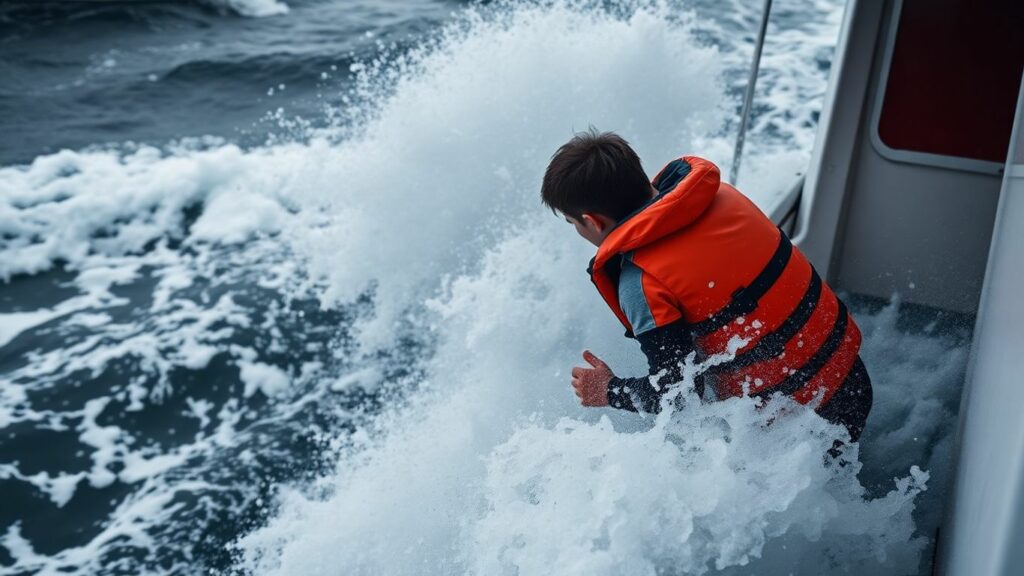
Learn 15 essential boat safety tips to ensure a safe and enjoyable experience on the water. From life jackets to weather checks, stay prepared!
1. Wear A Life Jacket
This is probably the most talked-about piece of safety gear for boats, and for good reason. It’s also the one people sometimes skip. You might think you’re a strong swimmer, or that you’ll only be out for a short trip, but accidents happen fast on the water. A life jacket, or Personal Flotation Device (PFD), is designed to keep your head above water if you fall in, especially if you’re injured or the water is rough.
It’s not enough to just have life jackets on board. Everyone on the boat needs to actually wear one. Think of it like seatbelts in a car – they don’t do much good if they’re just sitting in the glove compartment.
Here’s what to keep in mind:
- Fit is Key: Life jackets aren’t one-size-fits-all. Make sure each person on board has a jacket that fits them snugly. A loose jacket can ride up or come off. For kids, you absolutely need child-specific PFDs that are designed for them.
- Type Matters: There are various types of life jackets designed for specific activities. A basic vest might be sufficient for calm lake paddling, but if you’re venturing out on bigger water or in rougher conditions, you may need a more robust inflatable type with additional features like reflective tape or a whistle.
- Check for Approval: Look for life jackets that are approved by the U.S. Coast Guard. This means they’ve met certain safety standards.
Don’t let comfort or a bit of inconvenience stop you from wearing your life jacket. It’s the simplest, most effective way to significantly increase your chances of survival if something goes wrong.
2. Check The Weather Forecast
Before you even think about casting off, the very first thing you should do is check the weather. Seriously, don’t skip this. The water can be unpredictable, and what looks like a clear sky when you leave the dock can turn into a nasty storm in no time. You can find tons of websites and apps that give you detailed forecasts for the next few hours and even days. Some popular ones include Windy.com and Predictwind. These services are often free, so there’s really no excuse not to take advantage of them.
It’s not just about rain or wind, though. You’ll want to look at:
- Wind Speed and Direction: These factors influence the choppy nature of the water and the ease of steering your boat.
- Precipitation: Rain can reduce visibility and make things slippery.
- Thunderstorms: These are a big no-no. Lightning is incredibly dangerous on the water.
- Tide Times and Heights: If you’re boating near the coast, understanding the tides is important. Extreme tides can create stronger currents and affect water depth in certain areas.
Remember, the weather can change fast. Even if the forecast looks good, it’s always wise to be prepared for a sudden shift. Pack extra layers, even on a warm day, because wind and spray can make you feel much colder than you expect.
3. Create A Float Plan
Before you even think about casting off, you need to let someone know your plans. This is your float plan, and it’s a simple yet crucial step. Think of it as a safety net. You’re telling a trusted friend, family member, or even the folks at the marina exactly where you’re headed, who’s with you, and when you expect to be back. If, for some reason, you don’t check in when you’re supposed to, they will start to worry and can alert the authorities. This is especially key if you’re heading out solo.
So, what goes into a good float plan? It’s not complicated:
- Your Information: Your name and contact details.
- Passenger Information: Names and contact details for all passengers on board.
- Boat Details: What kind of boat it is and its registration number.
- The Itinerary: Where you’re going, your route, and your planned return time.
- Communication Gear: What you have on board to signal for help, like a VHF radio or a personal locator beacon (PLB).
Don’t just keep this plan in your head. Write it down and give a copy to your shoreside contact. If your plans change while you’re out – maybe you decide to stay an extra hour at that quiet cove – just give them a quick call or message to update them. It’s a small effort that makes a big difference if something unexpected happens.
4. Follow A Pre-Departure Checklist
You know, it’s easy to get excited about hitting the water and just want to get going. But before you even think about untying those lines, you really need to do a quick check of a few things. It’s like making sure you’ve got your keys and wallet before you leave the house, but for your boat. Skipping this step is how you end up turning back because you forgot the drain plug, or worse.
Think of it as your boat’s pre-flight check. It doesn’t take long, but it can save you a lot of hassle and keep you safe. Here’s a rundown of what you should be looking at:
- Safety Gear: This is non-negotiable. Ensure your life jackets are readily accessible and in good condition. Check that you have a first-aid kit, a whistle or horn for signalling, and a bailer. Don’t forget a good flashlight, especially if you might be out after dark.
- Boat Basics: Is the drain plug in? Seriously, this happens more than you’d think. Check the bilge to ensure it’s dry or that the pump is functioning properly. Ensure your anchor is ready to use if needed.
- Communications: Is your cell phone charged? If you have a VHF radio, ensure it’s functioning properly. You need a way to call for help if something goes wrong.
- Supplies: Pack some water and snacks. Sunscreen is a must, even on cloudy days. And maybe a dry set of clothes, just in case.
It might seem like a lot, but most of this is quick. You can even print out a checklist and keep it on the boat. That way, you’re not trying to remember everything when you’re eager to get out on the water.
5. Familiarize Yourself With The Rules Of The Water
Just like driving a car, boating has its own set of rules. Knowing them isn’t just about avoiding a ticket; it’s about keeping yourself and everyone else on the water safe. Think of it like learning the etiquette for a busy highway, but on water. You need to know who has the right of way, how to signal your intentions, and what to do in different situations.
Here are some key things to get familiar with:
- Right-of-Way: Generally, the boat that has the other boat on its starboard (right) side must give way. Additionally, a power-driven vessel typically yields to a sailboat, and a vessel overtaking another must keep clear. It can become somewhat complicated, so it’s worthwhile to research the specific rules for various scenarios.
- Safe Speed: This isn’t just about speed limits. It means going at a speed that allows you to stop or react in time to avoid a collision, especially in crowded areas, poor visibility, or near hazards. Always keep a good lookout.
- Lookout: You’re responsible for watching out for other boats, swimmers, and any obstacles. This means actively scanning your surroundings, not just looking straight ahead. Distractions are a big no-no.
- Proper Course: When you’re out on the water, you need to be aware of navigation rules. This includes understanding channel markers, buoys, and their meanings. Knowing these can help you avoid running aground or getting into a tight spot.
It might seem like a lot, but most of it boils down to common sense and being considerate of others. A little bit of knowledge goes a long way in making your time on the water enjoyable and accident-free.
6. Never Jump From A Moving Boat
This might seem like common sense, but you’d be surprised how often people do it. Jumping off a moving boat, whether it’s a small dinghy or a larger cruiser, is a really bad idea. It’s not like jumping off a dock where you can see the bottom and know it’s clear. When a boat is moving, the water around it is disturbed, and you can’t see what’s beneath the surface.
Here’s why you should always wait until the boat is completely stopped:
- Hidden Dangers: There may be submerged objects, such as rocks, logs, or debris, that are invisible from the surface. Hitting one of these while jumping could lead to serious injuries, like broken bones or worse.
- Propeller Risk: If the engine is still running, even at a low speed, the propeller is a major hazard. You could easily get caught in it, leading to severe cuts or amputations.
- Sudden Movement: Boats can move unexpectedly, even when the engine is off. If you jump when the boat is still drifting or rocking, you could end up far from the boat by the time you surface, making it hard to get back on board.
Always wait for the captain to announce that the engine is off and the boat is at a complete standstill before anyone considers entering the water. It’s a simple step that can prevent a trip from turning into a medical emergency.
7. Be Prepared For A Fire
Fires on boats can occur, and when they do, they can quickly get out of control. It’s not something you want to think about, but being ready is key. First, ensure you have a fire extinguisher on board. Most places require you to have one, so it’s a good idea to check that it’s there during your pre-departure routine. But just having one isn’t enough, you really need to know how to use it. A quick lesson on how to operate it could make all the difference if the worst were to happen.
It’s usually covered in boating safety courses, and honestly, it’s a skill that could save your boat and, more importantly, your life. Keep it accessible, too, you don’t want to be fumbling around for it when seconds count. Think about where you’d keep it so you can grab it without a second thought. Having the right gear and knowing how to use it is half the battle when it comes to fire safety on the water.
8. Know How To Boat Safely At Night
Boating after dark is a whole different ballgame than cruising around in broad daylight. Visibility drops significantly, and you have to be extra sharp. If you’re out on the water when the sun goes down, even if you didn’t plan to be, knowing how to handle it is key to water safety for boaters.
You need to understand what signals other boats are sending and how to respond. It’s not just about seeing; it’s about communicating without being seen clearly. Think of it like driving in fog – you’re relying more on sound and other cues.
Here are a few things to keep in mind for how to stay safe on a boat at night:
- Lights are your best friend: Ensure all your navigation lights are functioning correctly. These aren’t just for show; they tell other boats what you’re doing – whether you’re moving, turning, or anchored. Know what each light means on other vessels, too.
- Slow down: It’s tempting to keep up the speed, but at night, you need to slow down. Reduced visibility means less time to react to hazards or other boats. Stick to a speed that lets you stop safely if needed.
- Have a lookout: Just like during the day, a good lookout is vital. But at night, this person needs to be extra attentive, listening for engine noises and watching for any lights that might appear.
- Know your route: If possible, stick to familiar waters or use GPS and charts. Getting lost in the dark is a serious problem. Having a plan and the right tools can prevent you from ending up in a tricky spot. Following marine safety guidelines is always a good idea, but especially when the sun goes down.
9. Designate An Assistant Skipper
You know your boat inside and out, but what happens if you suddenly can’t take the helm? It’s a good idea to have a backup plan. Think about who on your boat would be able to take over if you were unable to. This person, your assistant skipper, should know the basics of operating your boat and understand general safety procedures.
They don’t need to be a seasoned captain, but they should be comfortable enough to handle the boat in a pinch, especially if you need to get back to shore quickly. Ensure they know where important items are, such as the kill switch, and how to operate the steering. It’s a simple step that can make a big difference if an unexpected situation arises.
10. Install A Carbon Monoxide Alarm
You know, that silent killer, carbon monoxide (CO), can be a real danger on boats. It doesn’t have a smell or colour, so you can’t detect it on your own. This gas comes from sources that burn fuel, such as stoves, heaters, and some lamps. Over the years, unfortunately, many boaters have encountered trouble due to this, especially on smaller boats where ventilation may not be optimal.
So, what are some signs that CO might be around? You may notice brown or yellow stains on your appliances, or perhaps your stove is malfunctioning – it’s hard to light or keep lit. Sometimes, you’ll see more condensation on the windows than usual, or you might catch a whiff of exhaust fumes inside the cabin. None of these is a good sign.
The best way to protect yourself and anyone else on board is to get a carbon monoxide alarm. Think of it like a smoke detector for your boat. You need to install it in a suitable location, typically where everyone sleeps, and test it regularly to ensure it’s functioning properly.
Just like with any safety gear, keeping it in good shape is key. Don’t forget to check the manufacturer’s instructions for the best placement and maintenance tips specific to your alarm.
11. Look Before You Jump
That first jump into the water on a hot day can feel amazing, right? But before you go launching yourself off the side of the boat, you really need to take a second and check a few things. It might seem obvious, but you’d be surprised how many people don’t.
First off, is the water deep enough? Seriously, you don’t want to find out the hard way that it’s shallower than you thought. A quick look around the area you’re planning to jump into is a good start. If you’re unsure, it’s better to be safe and swim off the boat or use the ladder.
Beyond just depth, think about what else might be going on.
- Currents: Are there any strong currents that could pull you away from the boat faster than you can swim?
- Obstacles: Is there anything floating in the water, like logs or debris, that you could hit?
- Other Boats: Are there other boats nearby that you might not see from your jumping spot?
Taking just a moment to assess the situation can prevent a nasty injury. It’s not just about having fun; it’s about making sure everyone gets back on the boat safely.
12. Properly Load Your Boat
Loading your boat correctly is one of those essential boating precautions that often gets overlooked. It’s not just about cramming all your gear and people in; it’s about balance and stability. Think of it like packing a suitcase – you wouldn’t just toss everything in, right? The same idea applies here.
When you load up, keep these things in mind:
- Weight Distribution: Try to spread the weight evenly. If you have a lot of gear on one side, the boat might list, making it harder to steer and less stable. Keep heavier items low and centred if possible. This helps keep your boat upright and easier to handle.
- Passenger Placement: Don’t have everyone crowd into one spot, especially at the back or front. Spread people out. If you’re moving around a lot, make sure people are seated. This is a big part of your boating safety checklist.
- Gear Stowage: Secure all loose items. Loose items can slide around, shift the boat’s balance, or become projectiles if you hit a wave. Use storage compartments or tie down items to prevent them from moving.
Getting the loading right from the start makes for a much smoother and safer trip. It’s a simple step that significantly contributes to overall boating safety.
13. Stay Seated
When you’re out on the water, it’s easy to get caught up in the fun and excitement. Maybe you’re reaching for a snack, trying to get a better look at something, or just feeling a bit restless. However, here’s the thing: staying seated while the boat is in motion is a significant safety concern. It might seem like a small thing, but it can prevent some nasty accidents.
Think about it. Boats can move in ways that surprise you. Waves can make the boat rock or suddenly dip. If you’re standing up, especially near the edge, a simple bump or a sudden turn could easily send you overboard. It happens faster than you think, and once you’re in the water, especially if the boat is still moving, getting back on can be incredibly difficult and dangerous.
Here’s why keeping your seat is so important:
- Prevents Falls Overboard: This is the most obvious reason. Staying seated keeps you stable and less likely to lose your balance, especially when the boat hits a wake or makes a turn. It’s the simplest way to avoid an unplanned swim.
- Reduces Risk of Injury: When the boat is in motion, standing passengers are more vulnerable to being thrown around. You could bump into things, hit your head, or even get caught in moving parts if you’re not careful. Keeping seated minimises these risks.
- Maintains Boat Balance: A boat’s stability can be affected by where people stand or sit. If everyone stays seated, it helps distribute weight more evenly, making the boat more stable and predictable for the person at the helm.
So, even if you’re going a short distance or the water looks calm, make it a habit to sit down when the engine is on and the boat is underway. It’s a simple rule that makes a huge difference in keeping everyone safe and sound.
14. Carry A VHF Radio Or Cell Phone
When you’re out on the water, having a reliable means of communication is extremely important. Think of it like having a phone on land – you just need it in case something unexpected happens. For most boaters, this means having either a cell phone or, even better, a VHF radio.
A cell phone can work, but remember that cell service can be spotty out on the water, especially if you’re far from shore. While it’s beneficial to have, please don’t rely on it as your sole means of communication. Ensure it’s fully charged before leaving the dock and store it in a waterproof bag.
A VHF (Very High Frequency) radio is really the standard for boaters. It’s designed specifically for marine use and can reach rescue services even when cell phones can’t. There are two main types:
- Handheld VHF Radios: These are portable and ideal for use as a backup or for smaller boats. They’re easy to use and can be taken with you if you need to abandon ship.
- Fixed-Mount VHF Radios: These radios are wired into your boat’s electrical system and typically feature a more powerful antenna, providing a better range. They’re ideal for larger boats or longer trips.
Regardless of which one you choose, it’s a good idea to know how to use it. Most VHF radios have a button for Channel 16, which is the international hailing and distress channel. If you need help, press the button and clearly state your situation, the name of your boat, and your location. It’s also a good idea to have the contact information for your local Coast Guard or marine rescue service readily available, just in case.
15. Get Trained
Look, nobody wants to be that person who causes a problem out on the water. You know, the one who doesn’t know what to do when the weather turns, or worse, when something actually goes wrong. Taking a boating safety course is like getting a cheat sheet for the whole experience. It’s not just about passing a test; it’s about actually knowing what to do.
These courses cover all sorts of stuff you might not even think about. For example, you’ll learn about:
- Nighttime Boating: Operating a boat after dark is way different from daytime. You need to know about lights, signals, and just generally how to see and be seen when it’s pitch black.
- Fire Safety: Fires on boats are no joke. You’ll learn what kind of fire extinguisher you need and, more importantly, how to actually use it if the worst happens.
- Equipment Checks: Beyond just life jackets and a horn, there’s a whole list of safety gear you should have. A course will help you determine what’s required and what’s just smart to have on board.
- Rules of the Water: Ever wonder who has the right of way? Or what do those buoys actually mean? A course will clear all that up so you don’t accidentally cause a pile-up.
Seriously, it’s worth the time. You can find online courses that fit your schedule, and many are tailored to your state or region. Plus, having that certification gives you a bit more confidence when you’re out there. It’s a small step that makes a big difference for you and everyone else on your boat.