


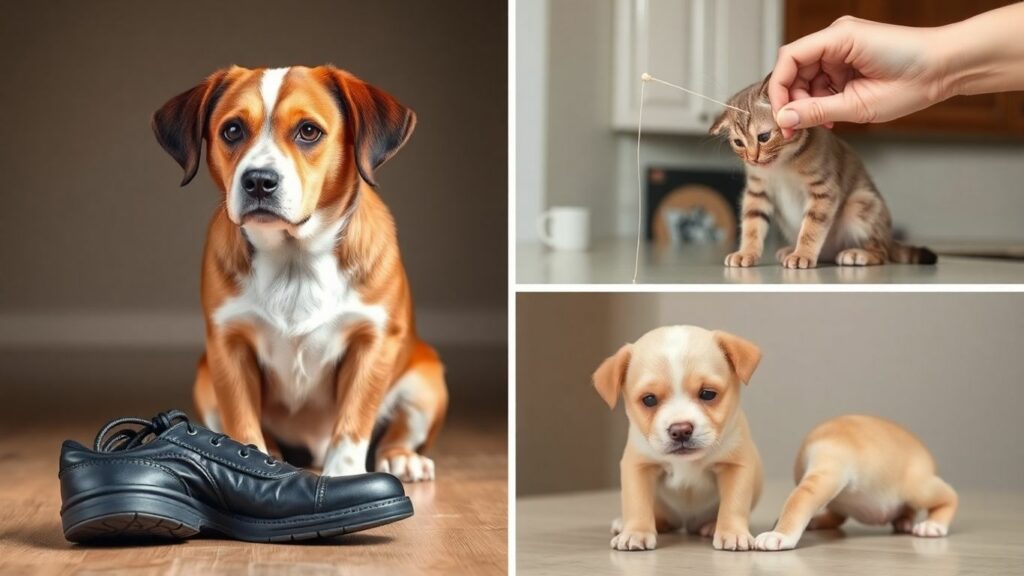
It can be tough when your furry friend develops habits that aren’t so great. What was once a cute quirk might now be causing you some stress. Don’t worry, though. You’re not alone in this, and there are ways to help your pet learn better behaviors. This guide will walk you through how to break bad habits in pets, making life smoother for both of you.
Key Takeaways
- Understand that many unwanted behaviors start because they were accidentally rewarded. You need to stop giving attention or rewards for these actions.
- Use positive reinforcement by rewarding the good behaviors you want to see. This helps your pet understand what you’re looking for.
- Consistency is vital. Make sure everyone in the household follows the same rules and training methods for your pet.
Addressing Unwanted Behaviors
It’s easy for pets to pick up habits that aren’t ideal. Sometimes, these behaviors start out cute, like a little bark at the mail carrier or a playful nip. But as your pet grows, what was once endearing can become a real nuisance. You might find yourself wondering how to stop these unwanted actions, especially when they involve managing destructive pet habits.
The good news is, you’re not alone, and there are ways to help your furry friend learn better manners. It often comes down to understanding why they’re doing what they’re doing and then adjusting how you respond.
Identify and Avoid Reinforcing Bad Habits
One of the trickiest parts of training pets to stop unwanted actions is that we sometimes encourage the very behaviors we want to stop, without even realizing it. Think about it: when your dog jumps up to greet you, and you pet them to calm them down, you’re actually rewarding that jumping.
To your pet, any attention – a touch, a word, even eye contact – can feel like a reward. If your dog barks incessantly and you yell back, you’ve just joined their conversation! It’s like they’re saying, ‘Oh, you want to bark too? Great!’
Here’s a quick look at how common actions can unintentionally reinforce bad habits:
| Your Action | Pet’s Behavior It Might Reinforce |
|---|---|
| Petting a jumping dog | Jumping up |
| Yelling at a barking dog | Barking |
| Giving a treat for begging | Begging |
| Playing with a nipping puppy | Nipping |
| Giving attention to a whining pet | Whining |
To break these cycles, try to ignore the behavior you don’t want. Wait for a moment when your pet is calm or doing something you like, and then give them praise or a treat. It takes patience, but your pet will start to connect good things with the behaviors you prefer.
The Importance of Positive Reinforcement
Positive reinforcement is all about rewarding the good stuff. When you’re training pets to stop unwanted actions, the goal is to make the desired behavior more appealing than the unwanted one.
This means catching your pet doing something right and making a big deal out of it. Did your dog lie down calmly instead of jumping when someone came to the door? That’s a perfect moment for praise and a treat!
It’s not just about stopping bad habits; it’s about building a strong bond and clear communication. When you use positive methods, you’re teaching your pet what you do want them to do, rather than just punishing them for mistakes.
This approach helps your pet feel more confident and eager to please. Remember, a tired pet is often a well-behaved pet, so regular exercise and mental stimulation through training games can go a long way in preventing many common issues, including managing destructive pet habits.
Strategies for Behavior Modification
So, your furry friend has picked up a few habits you’d rather they didn’t have. It happens to the best of us! The good news is, with a bit of patience and the right approach, you can help them learn better ways. This section is all about getting those pet behavior modification techniques down so you can have a happier, more well-behaved companion.
Consistent Training and Exercise Routines
Think of training and exercise as the foundation for good behavior. A dog that’s mentally stimulated and physically tired is much less likely to get into trouble. It’s not just about teaching commands like ‘sit’ or ‘stay,’ though those are super important. It’s about building a routine that your pet can count on.
- Daily Exercise: Make sure your dog gets enough physical activity. This varies by breed and age, of course. A quick potty break in the yard probably won’t cut it for most dogs. Longer walks, runs, or even a good game of fetch can make a huge difference. A tired dog is often a good dog, plain and simple.
- Regular Training Sessions: Short, frequent training sessions are way more effective than one long, grueling one. Aim for 5-10 minutes a few times a day. This keeps their minds sharp and reinforces what you want them to do. Mix in some fun tricks too!
- Everyone on Board: This is a big one. If one person in the house lets the dog jump on them, but another doesn’t, your pet will get confused. Make sure everyone in the household is on the same page with the rules and commands. Consistency is key to helping your pet understand what’s expected.
Managing Specific Problem Behaviors
Sometimes, you need to tackle specific issues head-on. The trick here is to be quick with corrections and even quicker with rewards for the right behavior. Remember, your pet lives in the moment, so they need to connect their actions with your response right away.
Here are some tips for correcting pet misbehavior:
- Interrupt and Redirect: If you catch your pet doing something they shouldn’t, like chewing on a shoe, interrupt the behavior with a firm but calm sound (like ‘ah-ah!’ or a clap). The second they stop, redirect them to an appropriate toy or activity. Praise them when they engage with the right thing.
- Ignore Unwanted Attention-Seeking: Behaviors like excessive barking or jumping to get your attention often get reinforced without us even realizing it. If your dog barks at you, and you immediately look at them or talk to them, you’ve just given them what they wanted. Try to ignore the behavior until they are calm, then reward the quiet or calm demeanor. This is where positive reinforcement for pet training really shines.
- Reward the Good Stuff: This is probably the most important part. When your pet does something you like – whether it’s sitting calmly, walking nicely on a leash, or chewing their own toy – shower them with praise, a gentle pat, or a small treat. Catch them being good! The more you reward the behaviors you want, the more they’ll repeat them.
| Behavior | What to Do | What to Avoid |
|---|---|---|
| Jumping Up | Ask for a ‘sit’ when greeting. Reward calm sitting with attention. | Giving attention (petting, talking) when they are jumping. |
| Excessive Barking | Redirect their attention with a toy or treat when they bark inappropriately. | Yelling back at them, as they might think you’re joining in. |
| Chewing Wrong | Provide appropriate chew toys and praise them when they use them. | Leaving tempting items (shoes, remotes) within reach. |
Frequently Asked Questions
Why does my dog keep doing things I don’t like?
Often, dogs do things we don’t want them to because they’ve learned it gets them attention or something they want, even if we didn’t mean for it to happen. For example, if your dog jumps up and you pet them, they think that’s a good thing!
It’s important to pay close attention to what actions you might be rewarding, even by accident. Try to ignore the behaviors you don’t want and give lots of praise and treats when they do something good.
How can I stop my dog from jumping on people?
When your dog jumps up, the best thing to do is to act like a statue or turn away. This means they don’t get the attention they’re looking for when they jump. If you’ve taught them to sit, ask them to sit instead.
Once they are sitting calmly, then you can give them praise and attention. This teaches them that sitting nicely is what gets them what they want.
What if my dog is chewing on things they shouldn’t?
Chewing is a normal dog behavior, especially for puppies. To stop them from chewing your stuff, make sure to keep things they shouldn’t chew out of reach. Instead, give them plenty of appropriate chew toys.
Also, make sure they get enough exercise and mental playtime, as a tired dog is less likely to get into trouble. Teaching them a ‘leave it’ command can also be very helpful if they get hold of something they shouldn’t.