


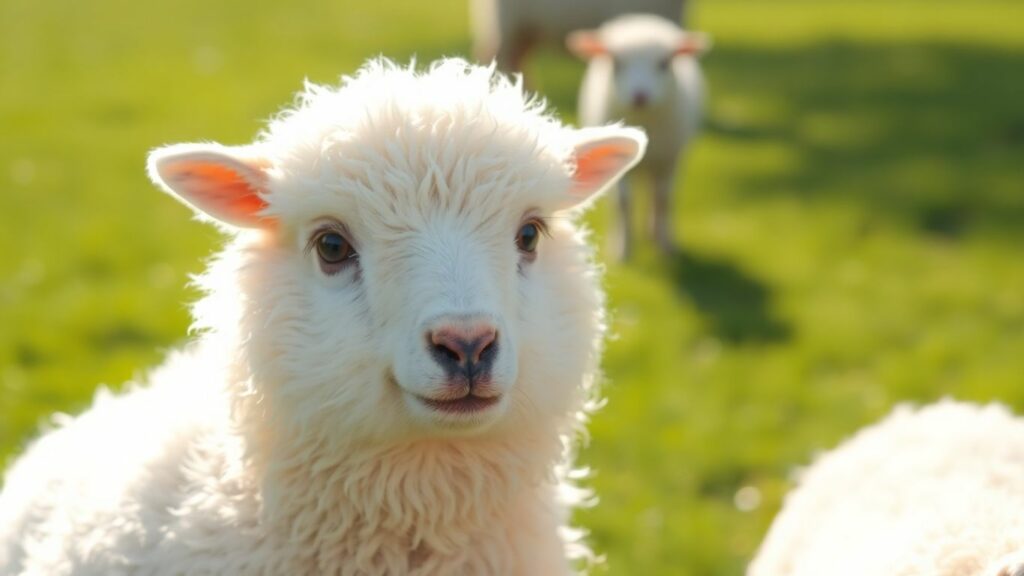
Thinking about getting some miniature sheep for backyard living? That’s awesome! But before you bring those fluffy friends home, let’s talk about where they’ll live. It’s not just about having a patch of grass; they need a safe and comfy spot.
Adequate Pasture and Pen Space
So, how much room do sheep actually need? It really depends on whether they’ll be grazing or living in a more confined area. If you’ve got a good chunk of land, like an acre or two, that’s usually plenty for a couple of sheep to roam and munch on. This gives them space to exercise and explore naturally. For those with smaller yards, don’t worry, you can still make it work.
You’ll want to set up a sturdy pen. Think livestock panels – just make sure they’re tall enough so your sheep can’t hop over and the gaps aren’t too big. A good rule of thumb is to allocate at least 50 square feet of space per sheep, plus an area for them to move freely. If your pen is on the smaller side, you’ll need to make sure you’re taking them out for extra walks and playtime. Little sheep especially love things to jump on, like small mounds or sturdy logs, because they naturally like to get to higher spots.

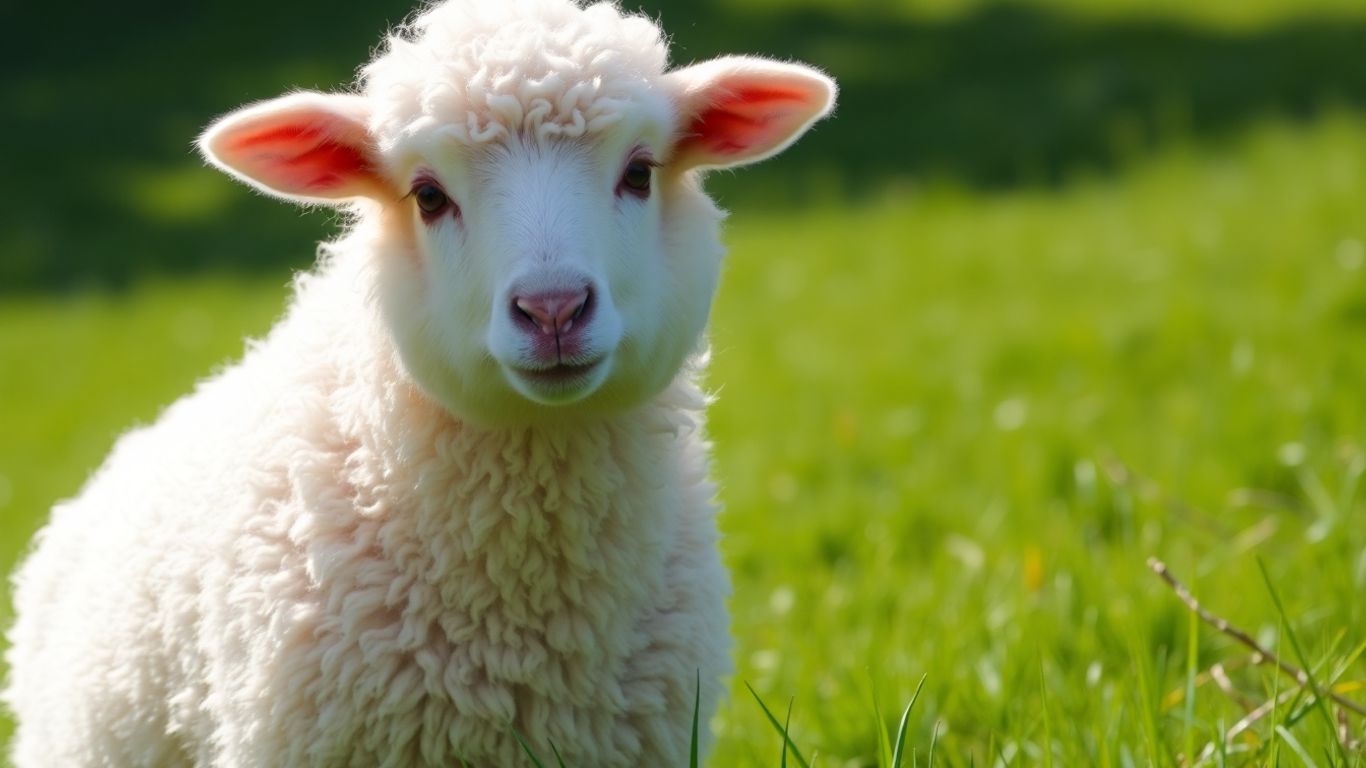
Here’s a quick look at space needs if they’re mostly in a pen:
| Type of Sheep | Minimum Pen Space (sq ft) |
|---|---|
| Mature Sheep | 50 |
| Ewe with Lambs | 60-80 |
| Ram | 75-100 |
| Lambs (each) | 20-30 |
Essential Shelter Considerations
Sheep are pretty hardy, but they still need protection from the elements. Think of it like giving them a little house. They need a place to escape the rain, snow, and strong winds. This also helps keep their food dry, which is a big plus. Even on hot days, especially if it’s humid, they’ll appreciate a shady spot to cool off. The most important thing about their shelter is that it stays dry inside. Wet conditions can lead to foot problems and other issues, so good drainage is key.
Your shelter doesn’t have to be fancy. A simple three-sided run-in shed works great. You can also find pre-made options, such as plastic calf hutches or dome-shaped shelters. Even a sturdy carport or a well-placed tarp can offer protection. The main goal is to provide a dry, draft-free space where they can feel safe and comfortable.
Ensure the entrance faces away from the prevailing wind direction, typically south, to block the worst of it. And remember, good airflow is important, even in winter, to prevent respiratory problems. You don’t want to seal them up tight like a drum; fresh air is good!
Feeding Your Pet Sheep
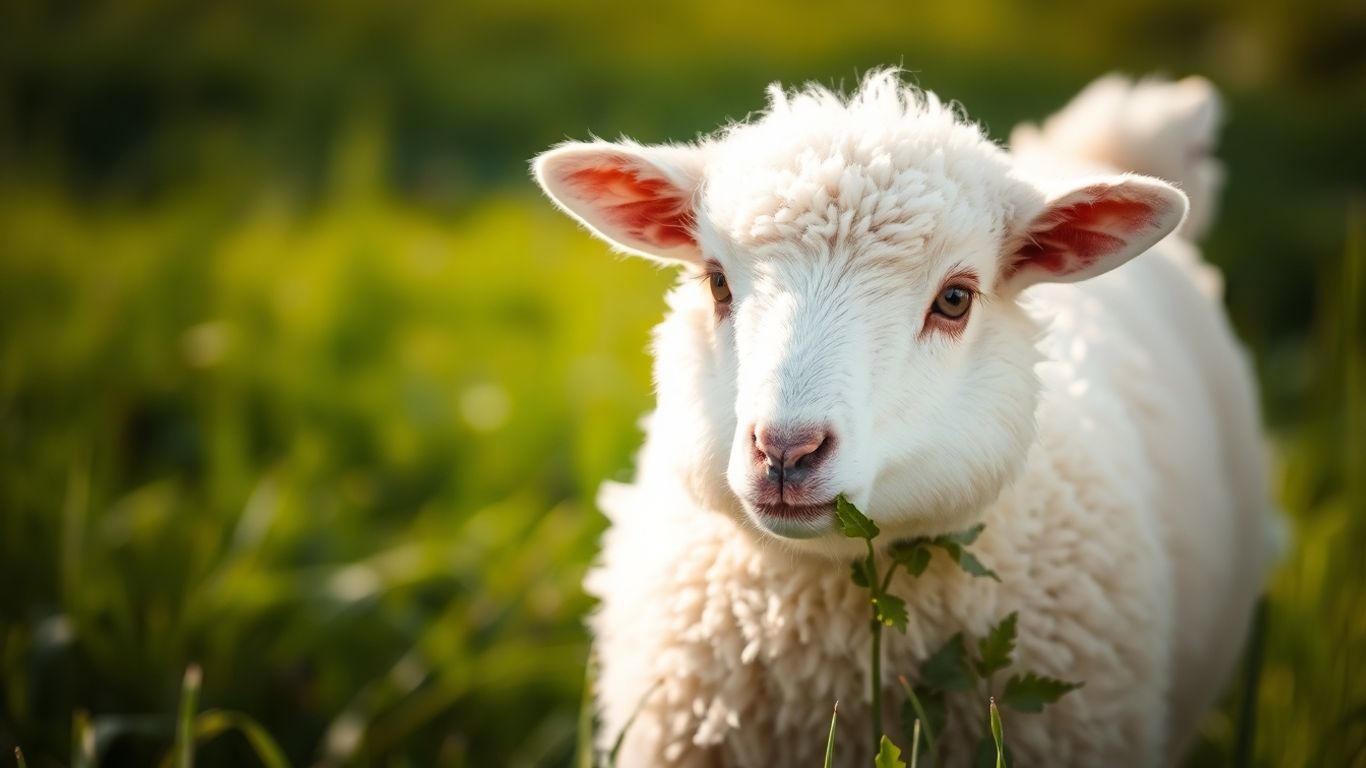
When you’re thinking about keeping sheep on a small farm, or even just bringing a couple of domesticated sheep breeds for families into your life, figuring out what to feed them is a big part of the puzzle.
It’s not super complicated, but you do need to know a few things. Sheep are ruminants, which means they have a special four-part stomach designed to break down fibrous stuff like grass and hay. This is quite different from how we typically eat, so their diet needs to align with their natural grazing habits.
Nutritional Needs for Mature Sheep
For adult sheep, the bulk of their diet should be good-quality forage. This means plenty of grass if you have pasture, or good grass hay if you don’t. Think of it as their main meal, day in and day out.
They can spend a significant portion of their day grazing, so providing sufficient space for them to do so is crucial. If you’re feeding hay, a grass-based hay is usually best for sheep that aren’t pregnant or nursing. Alfalfa is high in protein, and while that sounds good, too much can actually cause health problems for non-lactating sheep, like urinary issues. So, stick to grass hay for your everyday feed.
- Forage First: Aim for at least 80-90% of their diet to be grass or grass hay. This is what their digestive system is built for.
- Hay Quality Matters: Make sure the hay is clean, dry, and free of mould. Old, dusty hay isn’t good for them.
- Mineral Supplement: Just like humans, sheep need minerals. You can get mineral blocks or loose minerals specifically made for sheep. Be cautious not to use mineral mixes intended for goats or other livestock, as they may contain excessive copper, which is detrimental to sheep.
- Water, Water, Water: Always, always have fresh, clean water available. They drink a surprising amount, especially in hot weather.
Supplemental Feeding for Lambs
Raising pet sheep tips often include how to handle lambs, especially if you have orphan lambs, or ‘bummer lambs’ as some call them. These little guys, often bottle-raised, can form strong bonds with people, which is a neat quality, but they require extra attention. How to care for pet lambs means understanding that they’re more delicate, especially in the early stages.
They might not get that crucial first milk, called colostrum, from their mother, which helps build their immune system. Due to this, they may be more susceptible to sickness and parasites during their first year.
- Milk Replacer: If you’re bottle-feeding lambs, use a milk replacer specifically formulated for lambs. Avoid using cow’s milk, as it’s not suitable for them and can cause digestive upset.
- Weaning Time: Lambs usually do well on milk replacer for about 6 to 8 weeks. After that, it’s time to start weaning them onto solid food. Gradually reduce the amount of milk and increase their access to good quality hay and a creep feed (a special grain mix for young animals).
- Grain Supplement: Once they start eating hay well, you can introduce a small amount of a grain mix designed for lambs. This gives them extra energy and nutrients as they grow. Please don’t overdo it, though! Excessive grain intake can lead to issues such as bloat or acidosis. Always offer hay alongside grain to help their rumen work properly.
- Monitoring Health: Keep a close eye on lambs. Watch for signs of scours (diarrhoea), lethargy, or any other unusual behaviour. Early detection is key to helping them recover quickly.