


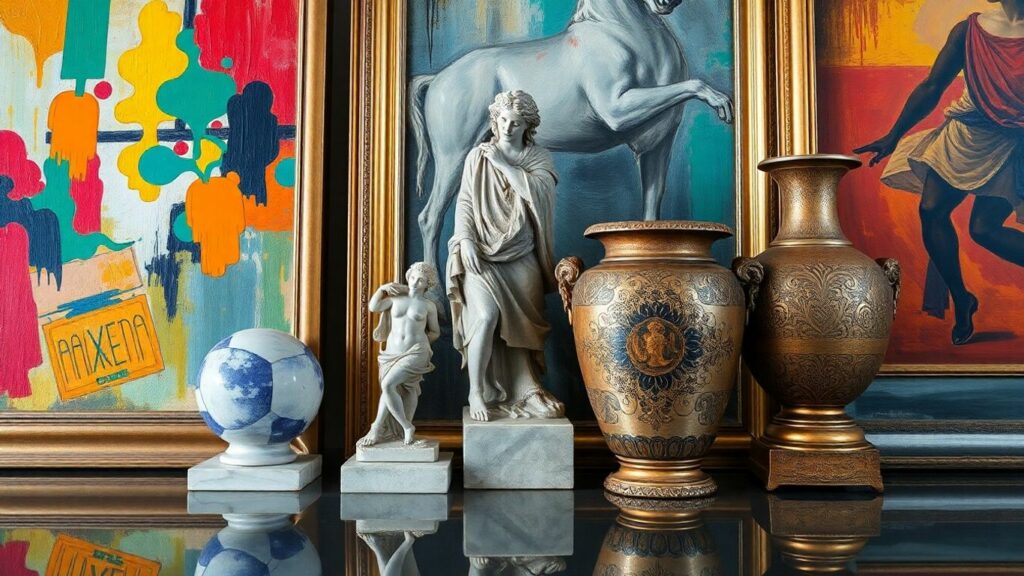
You’ve probably seen the headlines about art selling for millions, and maybe you’re wondering if this is a good way to grow your money. It’s true, art and collectibles can be more than just pretty things to look at; they can be considered collectible assets for wealth.
People have been investing in them for ages, and there’s a certain charm to owning something tangible, something you can actually touch, unlike stocks or bonds that just exist on paper or a screen.
This appeal goes beyond just the potential returns on art. It’s about owning a piece of history, a unique creation that speaks to you. For many, it’s also about the feeling of being part of a special community, sharing knowledge, and appreciating beauty. It’s a different kind of investment, one that can fill your life with more than just financial gains.
The Allure of Tangible Assets
Think about it: in a world that’s increasingly digital, owning physical objects has a special kind of pull. Art and collectibles are real. You can see them, feel them, and display them. This tangibility offers a sense of security for some investors.
It’s a way to diversify your portfolio with items that aren’t directly tied to the ups and downs of the stock market, though they aren’t entirely separate either. When the economy is doing well, people often have more extra cash, which can lead to more interest and higher prices for art and collectibles.
When things get tight, that disposable income shrinks, and so can the market for these items. It’s a different kind of connection to your investments, one that involves physical presence and personal interaction.
Beyond Financial Returns: Emotional and Social Value
While the idea of making a profit is certainly part of the picture, for many art and collectible investors, the financial aspect isn’t the whole story. There’s a significant emotional component. You might buy a piece because it deeply moves you, reminds you of a special time, or connects you to an artist you admire.
This personal connection can make the investment feel much more rewarding, regardless of its market value. Then there’s the social side. Collecting can connect you with like-minded individuals, whether at gallery openings, auctions, or online forums. Sharing your passion and knowledge with others adds another layer of enjoyment.
It’s about building relationships and being part of a culture that appreciates creativity and history. This blend of personal satisfaction and community involvement is a big part of why people are drawn to art and collectibles as more than just a way to make money.
The Risks In Art And Collectibles Investment
When you think about investing in fine art or collectibles, it’s easy to get caught up in the excitement of owning something unique and potentially valuable.
But like any investment, especially in the world of alternative investments guide, there are definite downsides you need to be aware of. It’s not all smooth sailing, and a good risk assessment for collectibles is a must before you put your money down.
Market Volatility and Liquidity Challenges
One of the biggest headaches with art and collectibles is that their prices can swing wildly. Think about it: what’s super popular and expensive today might be less so in a few years. This isn’t like stocks that have daily price feeds; selling art or a rare comic book can take ages.
You might have a piece you want to sell, but finding a buyer willing to pay what you think it’s worth can be a real challenge. And when you do find a buyer, auction houses or dealers often take a pretty big cut. So, turning your investment back into cash isn’t always quick or easy.
Authenticity, Provenance, and Preservation Concerns
This is where things get tricky. How do you know that painting is really by that famous artist? Or that that antique watch hasn’t been tinkered with? Verifying authenticity is a huge deal. If a piece turns out to be a fake, its value plummets.
Then there’s provenance the history of who owned it before. A solid, well-documented history can boost value, while gaps or disputes can cause major problems. Plus, these items are physical. They need proper storage, maybe climate control, and definitely protection from damage, theft, or just plain wear and tear. All of that costs money and adds another layer of risk.
The Subjectivity of Value and Counterfeit Risks
Unlike a company’s earnings report, the value of art and collectibles is often a matter of opinion. What one person finds beautiful and worth a lot, another might not. Trends, tastes, and even what’s considered
Strategies For Successful Art And Collectibles Investment
So, you’re thinking about putting your money into art and collectibles. It’s a different ballgame than stocks or bonds, for sure. If you’re going to do this, you need a plan. It’s not just about spotting something cool and hoping it goes up in value. You’ve got to be smart about it.
Cultivating A Long-Term Perspective
Look, nobody likes to wait, but with art and collectibles, patience is really your best friend. The market for these things can swing around a lot. One minute something’s super popular, the next it’s not. If you’re buying something just because you think it’ll be worth double next year, you might be disappointed. Instead, think about building a collection that has meaning over time.
It’s not just about the price tag; it’s about the story the pieces tell, their place in history, and how they connect to artists and movements. When you focus on the bigger picture, the day-to-day price changes matter less. You’re building something that could gain historical and cultural weight, not just financial worth. It’s like planting a tree; you don’t expect fruit tomorrow, but you know it’ll be there for years to come.
Investing With Personal Resonance and Professional Guidance
This is where it gets personal, and also where you need to be a bit of a detective. Don’t just chase what’s trendy. Buy things that genuinely catch your eye, that you connect with. If you love a piece, you’ll enjoy having it around, even if its market value doesn’t skyrocket.
That personal enjoyment is a return in itself, and it’s something you can’t put a price on. But liking something isn’t enough. The art world can be pretty confusing, and honestly, a bit of a maze.
That’s where getting some help comes in handy. Think about talking to people who really know their stuff – art advisors, reputable dealers, or even experienced collectors. They can help you spot fakes, understand an artist’s history, figure out if a price is fair, and even help with the paperwork and selling down the line.
They’ve seen the market’s ups and downs and can offer insights you might miss on your own. It’s like having a guide when you’re exploring a new city; they know the shortcuts and the places to avoid.
Here are a few things to keep in mind when you’re making your choices:
- Do your homework: Before you buy, learn as much as you can about the artist, the piece, and its history. Check auction records if you can.
- Consider the condition: Is the item well-preserved? Damage can seriously affect its worth.
- Think about authenticity: Make sure you have proof that the item is real. This is super important.
- Understand the costs: Beyond the purchase price, factor in things like insurance, storage, and potential restoration.
| Factor | Importance Level | Notes |
|---|---|---|
| Personal Appeal | High | You should enjoy looking at it. |
| Artist’s Reputation | High | Established artists often hold value better. |
| Condition of Item | Very High | Wear and tear can significantly reduce value. |
| Authenticity & Provenance | Very High | Proof of origin and ownership history is critical. |
| Market Trends | Medium | Trends can be fickle; don’t rely on them alone. |
| Long-Term Outlook | High | Consider how the item might be viewed in 10, 20, or 50 years. |