


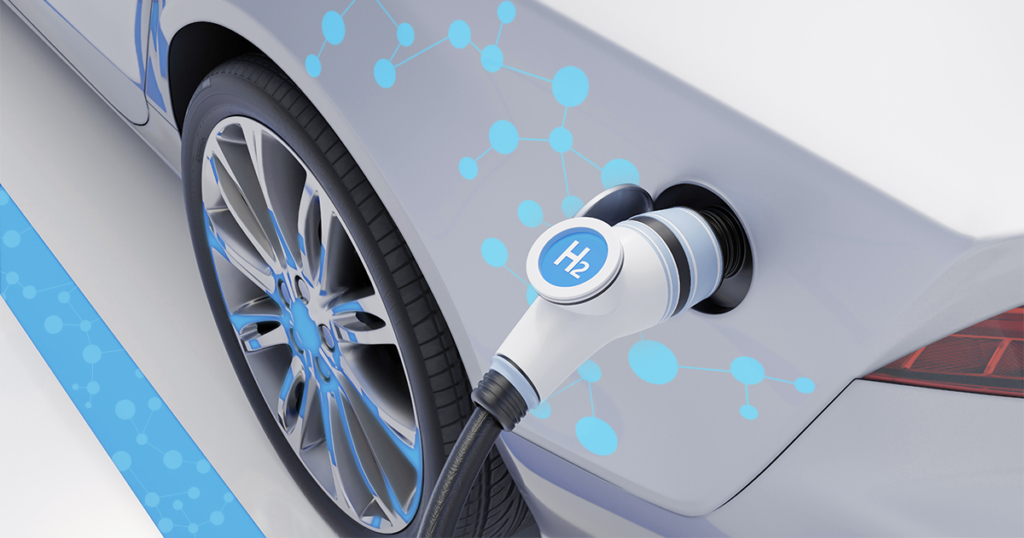
The world is moving towards sustainable transportation and green vehicles. This shift is driven by growing worries about climate change and air pollution. The automotive industry is seeking new fuel sources.
Hydrogen-powered vehicles are getting more attention. People say they are cleaner and better for the environment. But are they really the future of cars?
The world is closely watching the hydrogen car movement. They promise to reduce emissions and utilise clean energy. This could be a big step towards a greener future of travel.
The Evolution of Hydrogen Cars
The journey to make hydrogen cars has been long. But recent steps have made them more practical. Now, hydrogen fuel cell vehicles are viewed as a cleaner alternative to traditional cars.
Toyota and Hyundai are leading this change. Toyota’s new hydrogen fuel cells are expected to be more efficient and cost-effective. This is key to making hydrogen cars more appealing to buyers.


Improvements in hydrogen fuel cell tech go beyond just cost and efficiency. There has also been a significant leap in how far and well these cars can go. This makes them a better choice for everyday driving.
| Manufacturer | Model | Range |
|---|---|---|
| Toyota | Mirai | 312 miles |
| Hyundai | NEXO | 380 miles |
As technology continues to improve, we can expect even more exciting developments in hydrogen cars. The future of cars powered by alternative fuels looks bright. Hydrogen fuel cell vehicles will play a big part in this.
How Hydrogen Fuel Cell Vehicles Function
Hydrogen fuel cell vehicles work by mixing hydrogen and oxygen to make electricity. This process creates water vapour as the only emission. This electricity powers the vehicle’s electric motor.
The fuel cell stack is the heart of these vehicles. It’s made of many cells stacked together. Each cell has an anode, a cathode, and an electrolyte. The electrolyte helps ions move between the anode and cathode, starting the chemical reaction that makes electricity.
Hydrogen fuel cell vehicles are very eco-friendly. They only release water vapour and heat, unlike traditional cars. Companies like Stellantis are developing hydrogen vans, demonstrating the versatility of this technology.
Key Components and Their Functions
| Component | Function |
|---|---|
| Fuel Cell Stack | Converts chemical energy into electrical energy |
| Anode | Where hydrogen is fed into the fuel cell |
| Cathode | Where oxygen is fed into the fuel cell |
| Electrolyte | Facilitates the movement of ions between anode and cathode |
Hydrogen fuel cell vehicles are a big step towards cleaner cars and transportation. As technology improves and more places receive the necessary infrastructure, these vehicles will become increasingly common. This will help make the car industry more sustainable.
Environmental Impact of Hydrogen Cars
The world is moving towards cleaner forms of transportation, and hydrogen-powered cars are a significant part of that shift. How hydrogen is made is key to understanding their environmental impact.
There are mainly two ways to make hydrogen that affect its environmental benefits. These are referred to as green hydrogen and blue hydrogen.
Green Hydrogen from Renewables
Green hydrogen is made using solar, wind, or hydroelectric power. This method significantly reduces the carbon emissions associated with producing hydrogen.
- Renewable energy sources cut down greenhouse gas emissions.
- The whole process is more eco-friendly.
- Green hydrogen helps make transportation more sustainable.
Blue hydrogen, on the other hand, comes from natural gas. However, it utilises carbon capture and storage (CCS) to reduce emissions.
- Blue hydrogen relies on fossil fuels, which are not an endless resource.
- CCS technology cuts down, but doesn’t eliminate, carbon emissions.
- It’s cheaper to produce than green hydrogen, which is beneficial for some locations.
In summary, green hydrogen is more environmentally friendly than blue hydrogen. It’s made from renewable energy and helps us move towards cleaner cars. This supports our goal of reducing our use of fossil fuels.
Challenges and Limitations in the Hydrogen Economy
The hydrogen economy is promising, but it faces significant hurdles. One major challenge is the lack of places to refuel hydrogen cars.
There are not enough hydrogen refuelling stations. This makes it hard for people to buy hydrogen cars. They don’t want to deal with finding places to refuel.
Performance Comparison
Hydrogen fuel cell vehicles and battery electric vehicles have different considerations. These include cost, efficiency, and performance. Here’s a table that shows some of these differences:
| Vehicle Type | Cost | Efficiency | Performance |
|---|---|---|---|
| Hydrogen Fuel Cell Vehicles | Generally higher due to production costs | Typically more efficient in terms of refueling time | Often provide smoother and quieter ride |
| Battery Electric Vehicles | Costs decreasing as technology advances | Varied efficiency depending on battery type | Performance varies, with some models showing great acceleration |
Market Adoption Trends
Increasing numbers of people are opting for alternative fuel vehicles, such as hydrogen-powered cars. However, how quickly they adopt these vehicles depends on many factors. These include government policies, new technologies, and how well people are informed about these options.
Government assistance, such as tax breaks or subsidies, is important. It encourages people to buy eco-friendly cars. Additionally, building more hydrogen refuelling stations is crucial for the hydrogen economy to expand.
As we move toward cleaner energy, hydrogen-powered cars will play a larger role. Overcoming the current challenges is essential for their success and wider use.
The Future of Hydrogen-Powered Transportation
The future of cars and trucks might be hydrogen fuel cell vehicles. They play a crucial role in transitioning towards clean energy. Hydrogen cars are great for long trips and heavy loads.
Hydrogen cars can help the environment by reducing pollution. As they become more common, they will become less expensive. This makes them a strong choice against old gas cars.
Building more places to produce, store, and refuel with hydrogen is key. More money invested in hydrogen infrastructure means more hydrogen-powered cars. This leads to a cleaner, greener future for transportation.
FAQ
Q: What is a hydrogen car?
A: A hydrogen car, also known as a hydrogen fuel cell vehicle, is a green vehicle. It uses hydrogen as fuel, producing only water and heat as emissions.
Q: How do hydrogen fuel cell vehicles work?
A: Hydrogen fuel cell vehicles convert chemical energy into electrical energy. This process utilises hydrogen and oxygen to power the vehicle.
Q: What is the difference between “green hydrogen” and “blue hydrogen”?
A: Green hydrogen is made with renewable energy. Blue hydrogen comes from fossil fuels but captures carbon. Green hydrogen is more sustainable.
Q: Are hydrogen cars more environmentally friendly than battery electric vehicles?
A: Hydrogen cars are a zero-emission option. But their environmental impact depends on hydrogen production. Green hydrogen is the most eco-friendly choice.
Q: What are the challenges facing the widespread adoption of hydrogen cars?
A: Challenges include a lack of infrastructure and high costs. Battery electric vehicles also compete. But innovations and government support are helping.
Q: Can hydrogen fuel cell technology be applied beyond passenger cars?
A: Yes, hydrogen fuel cell tech can be used in vans, buses, and trucks. It offers a clean energy solution for various needs.
Q: How are companies like Toyota and Hyundai contributing to the development of hydrogen cars?
A: Toyota and Hyundai are innovating in hydrogen fuel cell tech. They’re improving efficiency, range, and cost. This makes hydrogen cars more viable for the future.
Q: What role do government policies play in supporting the hydrogen economy?
A: Government policies and incentives are key. They promote hydrogen cars, invest in infrastructure, and support the production of green hydrogen.