


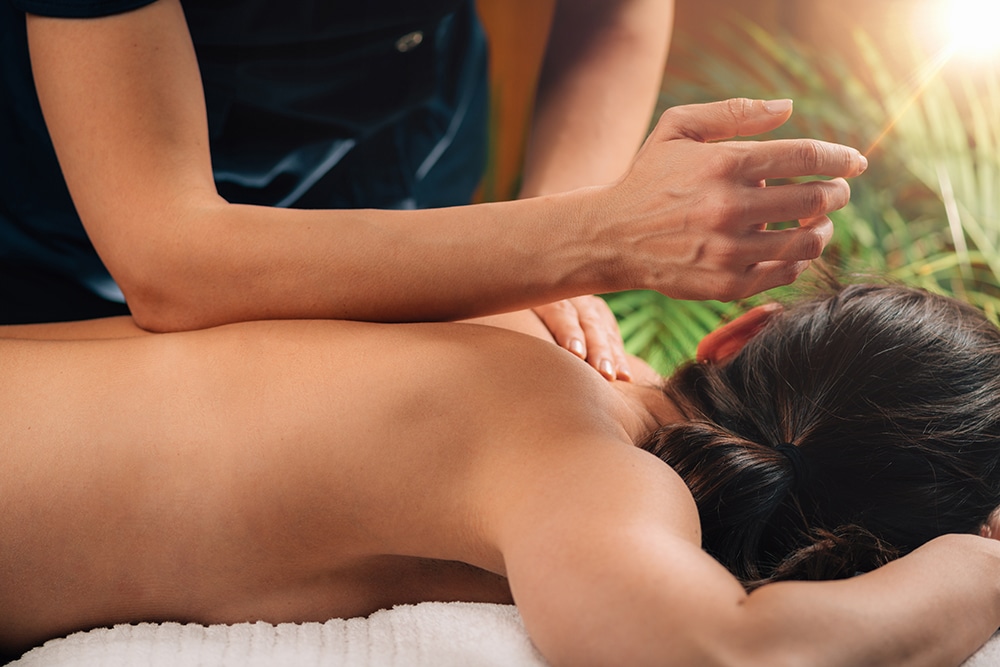
Massage therapy has many techniques, each for different needs and benefits. Two well-known types are Swedish and deep tissue massage. While they may seem similar at first glance, they serve very different purposes. Understanding their differences can help you choose the right treatment for your needs.
Swedish massage is gentle and relaxing. It uses long strokes and light-to-firm pressure. On the other hand, deep tissue massage is more intense. It targets deep muscle and connective tissue tension.
This article will look at the differences in pressure, technique, and use. We’ll compare them to help you pick the right massage for you.
What is Swedish Massage?
Swedish Massage is a gentle, full-body massage that uses long, flowing strokes, kneading, and circular movements to promote relaxation and improve circulation. It focuses on relieving muscle tension and enhancing overall wellness. This style is ideal for anyone seeking stress relief, improved blood flow, and a soothing, calming experience.
Key Benefits of Swedish Massage
- Reduces stress and anxiety
- Improves blood circulation
- Enhances flexibility
- Promotes overall relaxation
Swedish Massage: Techniques and Purpose
When deciding between deep tissue and Swedish massage, it’s key to know the techniques and goals of each. Swedish massage is gentle and relaxing. It uses methods like effleurage, petrissage, and friction to help you relax and ease muscle tension.
Deep tissue massage, by contrast, focuses on specific tension spots. It uses slower, deeper strokes to release muscle knots and adhesions. This type of massage is great for athletes and those with chronic pain.
Choosing between deep tissue and Swedish massage depends on your needs. If you want to relax and reduce stress, Swedish massage might be best. But, if you’re dealing with chronic pain or injury, deep tissue could be more helpful.
Knowing the techniques and goals of each massage type helps you choose wisely. This ensures you get the best treatment for your needs.
What is Deep Tissue Massage?
Deep Tissue Massage targets deeper layers of muscles and connective tissue. This technique uses slower, more forceful strokes to reach problem areas, address chronic pain, and release muscle knots. It is often recommended for athletes or individuals with ongoing muscle stiffness.
Key Benefits of Deep Tissue Massage
- Alleviates chronic muscle pain
- Releases deep-seated tension and knots
- Improves range of motion
- Speeds up recovery from injuries
Key Differences Between Deep Tissue and Swedish Massage
While both techniques improve physical and mental well-being, their key differences lie in pressure, purpose, and outcomes.
| Feature | Swedish Massage | Deep Tissue Massage |
|---|---|---|
| Pressure Level | Light to moderate | Moderate to intense |
| Primary Goal | Relaxation and circulation | Pain relief and muscle repair |
| Best For | Stress, mild tension | Chronic pain, injuries |
Which Massage Should You Choose?
If you’re looking to melt stress away and enjoy a gentle touch, Swedish Massage is your best choice. If you’re dealing with persistent aches or tight muscles, Deep Tissue Massage will deliver more targeted relief.
Whether you choose Swedish or Deep Tissue, getting regular massages can significantly improve your body’s health, flexibility, and relaxation levels.
FAQ
What is the main difference between deep tissue and Swedish massage?
The main difference is in the techniques and pressure. Swedish massage uses long strokes, kneading, and tapping on the surface of muscles. It applies lighter to moderate pressure. Deep tissue massage, by contrast, targets deeper muscle layers with slower strokes and more intense pressure.
Which type of massage is better for relieving chronic pain?
Deep tissue massage is better for chronic pain. It focuses on realigning deeper muscle layers. This helps reduce inflammation and relieve pain in areas like the neck, back, and shoulders.
Is Swedish massage good for relaxation?
Yes, Swedish massage is great for relaxation and stress relief. Its gentle techniques calm the mind and body. It’s perfect for those looking for a calming experience.
Can deep tissue massage help with scar tissue?
Yes, deep tissue massage can help with scar tissue. It applies targeted pressure to realign fibers. This improves tissue flexibility and reduces scar tissue restrictions.
How often should I get a massage?
Massage frequency depends on your needs and goals. For wellness and relaxation, once a month is a good start. For chronic pain or injury, more frequent sessions may be needed. Always consult a healthcare professional for guidance.
Are there any conditions that are contraindicated for deep tissue or Swedish massage?
Yes, certain conditions like recent injuries or severe osteoporosis may not be suitable for deep tissue massage. Swedish massage is generally safer but should avoid acute injuries or infections. Always check with a healthcare provider before starting massage therapy, even with minor health issues.