


The way we live is changing, and our homes are changing with it. Smart homes, packed with connected gadgets, are moving from being a cool new thing to something people expect. For anyone looking to invest in property, understanding this shift is super important.
It’s not just about fancy tech; it’s about how these homes are becoming more valuable, easier to sell, and what buyers are really looking for these days. Let’s break down what this means for investors.
Key Takeaways
- More people want homes that can connect to the internet and be controlled remotely. This demand is a big reason why smart homes are becoming more popular, especially with younger buyers entering the market.
- Homes with smart technology tend to sell faster and can often fetch a higher price. Features like smart security and energy-saving thermostats add real worth that buyers are willing to pay for.
- When thinking about smart home investments, focus on popular features. Things like advanced security systems, smart climate control for saving energy, and simple convenience features are what buyers notice most.
- Smart homes offer good opportunities for investors. Look for areas where these homes are already in demand, and consider how smart tech can help you get more from rental properties or sell them for a better price.
- The smart home trend is only going to grow. Future homes will likely have even more advanced tech, like AI assistants and systems that can predict problems before they happen. Investing in smart homes now means your property will be ready for what’s next.
The Growing Demand For Smart Homes
It feels like everywhere you look these days, there’s talk about smart homes. And honestly, it’s not just hype. People are really starting to want these connected houses, and it’s changing the real estate game. Think about it: being able to control your lights, thermostat, or even your front door lock from your phone? That’s pretty appealing. This shift isn’t just a small trend; it’s becoming a major factor in what people look for when buying a place.
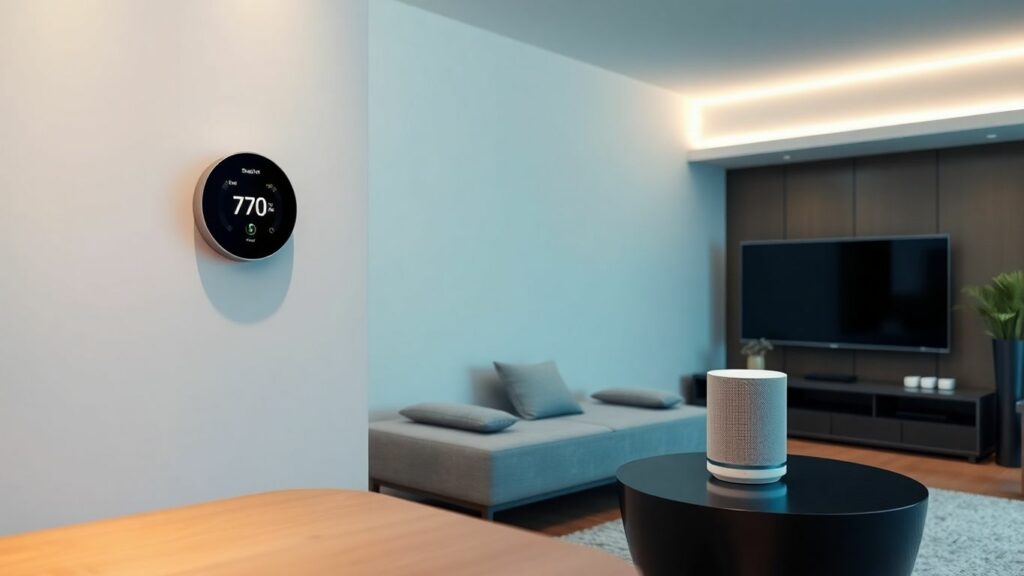
Consumer Preference for Connected Living
More and more, folks are looking for homes that make life a little easier and more convenient. We’re talking about homes where you can adjust the temperature before you even get home, or get an alert if a package is delivered. It’s about having that extra layer of control and comfort. This desire for a more connected living experience is really pushing the market.
Millennial Buyers Driving Smart Home Adoption
If you look at who’s buying homes right now, millennials are a huge group. And guess what? They grew up with technology and expect it to be part of their living space. They’re not just looking for a house; they’re looking for a smart house. This generation is really pushing the demand for homes that come with these built-in tech features, and it’s making a big difference in what sellers need to offer.
Smart Home Technology as a Standard Expectation
What used to be considered a fancy extra is quickly becoming something people just expect. It’s like how everyone expects Wi-Fi now; smart features are starting to be seen as a basic requirement. When a home has smart thermostats, good security cameras, or easy ways to control lighting, it just feels more modern and desirable. This expectation means that homes without these features might start to feel a bit outdated.
The move towards smart homes isn’t just about fancy gadgets; it’s about integrating technology in ways that genuinely improve daily life, offering better security, more convenience, and ways to save on energy bills. This makes them more attractive to a wider range of buyers.
Here’s a quick look at what buyers are often looking for:
- Smart security systems (like cameras and smart locks)
- Programmable thermostats for energy savings
- Voice-activated assistants for easy control
- Automated lighting and shading options
Smart Homes Enhance Property Value
It’s pretty clear that adding smart tech to a house isn’t just about making it look cool; it actually makes it worth more money. Think about it – people want homes that are easier to manage and feel safer. When you’ve got smart features, your property just stands out more in the market. This can lead to quicker sales and often, a better price tag.
Increased Market Appeal and Faster Sales
When a home has smart features, it just catches the eye of more potential buyers. Listings that highlight things like smart locks or thermostats tend to get more attention. Buyers today are looking for that modern convenience, and a home that’s already set up with these systems is a big win for them.
It means they can move in and start enjoying the benefits right away, without having to figure out installations themselves. This makes the whole buying process smoother and often speeds things up considerably.
Premium Pricing for Smart-Enabled Properties
Properties with smart technology are often seen as more desirable, and that translates directly into pricing power. Studies have shown that homes with these upgrades can command a higher price than similar homes without them.
It’s not just a small bump either; depending on the features, you could see a noticeable increase. Buyers are willing to pay more for the convenience, security, and energy savings that smart homes provide. It’s like getting a little bonus just for having the right tech installed.
Tangible Value from Smart Upgrades
So, what kind of smart upgrades really make a difference? It’s not just about having a lot of gadgets; it’s about the ones that offer real benefits. Things like smart security systems, which give homeowners peace of mind, or smart thermostats that help cut down on energy bills, are big draws.
These aren’t just fancy additions; they offer practical advantages that buyers can see and appreciate. Investing in these types of features means you’re adding real, measurable value to the property. It’s about making the home more comfortable, secure, and cost-effective to run.
Here’s a general idea of how different features can add to a home’s worth:
- Smart Thermostats: Can add 1-2% to property value.
- Smart Security Systems: Often contribute 1-2% in value.
- Smart Lighting: Might add around 0.5-1%.
- Smart Appliances: Can also boost value by 1-2%.
Buyers are increasingly looking for homes that offer more than just four walls and a roof. They want a living space that’s connected, efficient, and secure. Smart home technology directly addresses these desires, making properties equipped with it more attractive and valuable in today’s real estate market. This trend is likely to continue as technology becomes even more integrated into our daily lives.
When you’re thinking about upgrades, focusing on these high-impact areas can really pay off. It’s about making smart investments that buyers will recognize and value.
For investors, this means looking at properties that already have these features or considering which upgrades will give you the best return. It’s a smart way to make your property stand out and attract more interested buyers.
Key Smart Home Features Driving Investment
When you’re looking at real estate, especially as an investor, certain smart home features really stand out and can make a property more attractive. It’s not just about having gadgets; it’s about features that offer real benefits, like better security, saving money on bills, and just making life a bit easier. These are the things buyers are starting to expect, and they can definitely influence how quickly a property sells and for how much.
Advanced Security and Surveillance Systems
Security is a big deal for most people buying a home. Smart security systems offer a level of protection and peace of mind that traditional locks and alarms just can’t match. Think about smart locks that let you grant temporary access to visitors without needing a physical key, or video doorbells that show you who’s at the door, even when you’re not home. Then there are the cameras that let you keep an eye on your property from your phone. These features directly address a top buyer concern and can make a property feel much safer and more modern.
- Smart Locks: Keyless entry, remote locking/unlocking, activity logs.
- Video Doorbells: See and speak to visitors remotely, motion detection alerts.
- Security Cameras: Indoor and outdoor monitoring, live streaming, recorded footage.
- Motion Sensors: Detect movement and trigger alerts or other smart home actions.
Homes with robust smart security systems often see a quicker sale and can command a higher price because they offer immediate, tangible safety benefits that buyers value highly.
Energy Efficiency Through Smart Climate Control
Saving money on utility bills is always a plus, and smart home tech makes this much easier. Smart thermostats are a prime example.
They learn your habits and adjust the heating and cooling automatically, so you’re not wasting energy when you’re out or asleep. You can also control them remotely, which is handy. Smart lighting, like LED bulbs that can be dimmed or turned off remotely, also contributes to energy savings. This focus on efficiency appeals to buyers who are environmentally conscious or just want to keep their monthly expenses down.
| Feature | Potential Energy Savings | Notes |
|---|---|---|
| Smart Thermostats | 10-15% on HVAC | Learns schedules, remote control |
| Smart Lighting | 5-10% on lighting | Dimming, scheduling, remote control |
| Smart Blinds/Shades | 5% on heating/cooling | Automates based on sunlight and temperature |
Convenience and Lifestyle Automation
Beyond security and savings, smart home features add a layer of convenience that many people now find hard to live without. Voice assistants can control lights, music, and even appliances with simple commands.
Imagine preheating your oven on your way home from work or having your coffee maker start automatically in the morning. Smart appliances, like refrigerators that can track inventory or washing machines that can be started remotely, further simplify daily routines. This automation makes everyday life smoother and more enjoyable.
- Voice Control: Manage devices and get information using assistants like Alexa or Google Assistant.
- Automated Routines: Set up schedules for lights, thermostats, and other devices.
- Remote Access: Control home systems from anywhere using a smartphone app.
- Smart Appliances: Refrigerators, ovens, washers, and dryers with connected features.
These features aren’t just novelties; they represent a shift in how people want to live. For investors, focusing on these core benefits – security, cost savings, and convenience – is key to making properties more desirable and valuable in today’s market.
Investor Opportunities in the Smart Home Market
The smart home wave isn’t just changing how people live; it’s creating some interesting avenues for folks looking to invest their money. Think about it: more and more people want homes that are connected and can do things automatically. This shift means properties with smart tech are becoming more desirable, and that’s where investors can step in.
Identifying High-Demand Smart Home Neighborhoods
Not all areas are created equal when it comes to smart homes. You’ll want to look for neighborhoods where people are already embracing this kind of tech. Often, this means looking at areas with good internet infrastructure – you know, places where the Wi-Fi doesn’t drop out every five minutes.
Urban centers and areas that are seeing a lot of new development are usually good bets. It’s also smart to talk to local real estate agents; they often have a feel for which areas are really into smart features and which ones are still catching up.
Leveraging Smart Technology for Rental Income
Properties that come with smart features can often command higher rental rates. Tenants, especially younger ones, are often willing to pay a bit more for the convenience and security that smart devices offer.
Imagine a rental unit with a smart lock that tenants can access with their phones, or a smart thermostat that keeps energy bills down. These aren’t just fancy gadgets; they’re features that can make a property more attractive to renters and potentially boost your income.
Here’s a quick look at potential rental income differences:
| Feature | Potential Monthly Rent Increase |
|---|---|
| Smart Thermostat | $25 – $50 |
| Smart Security System | $50 – $100 |
| Integrated Smart Hub | $75 – $150 |
Strategic Investments in Future-Proofed Properties
When you’re investing, you want to think long-term. Properties that are already set up with smart technology, or have the infrastructure to easily add it, are often considered ‘future-proof.’ This means they’re less likely to become outdated quickly. As technology keeps evolving, homes that can adapt will likely hold their value better and remain appealing to buyers for years to come. It’s about picking properties that are built for the way people want to live now and in the future.
Investing in smart homes isn’t just about the latest gadgets; it’s about understanding evolving consumer desires for convenience, security, and efficiency. By identifying the right locations and features, investors can tap into a growing market that offers both rental income potential and long-term property appreciation.
Navigating Smart Home Investments
So, you’re thinking about putting your money into smart homes, huh? It’s not just about slapping a smart speaker in the living room and calling it a day.
There’s a bit more to it if you want to actually make a good return. It’s like anything else in real estate – you gotta do your homework.
Ensuring Device Compatibility and Integration
This is a big one, and honestly, it trips a lot of people up. Imagine buying a place that’s supposed to be all high-tech, but the smart lock doesn’t talk to the thermostat, and the lights only work when you’re standing right next to the switch. Not exactly the future we were promised, right? Buyers want things to just work together.
They don’t want to spend their weekends trying to get different apps to sync up or figuring out why their voice assistant is suddenly ignoring them. When you’re looking at properties or thinking about upgrades, make sure the tech plays nice.
A system that’s all connected, maybe through one main app or a central hub, is way more appealing than a bunch of random gadgets that do their own thing. It makes the whole experience feel smoother and, frankly, more valuable.
Highlighting Smart Features in Property Listings
Okay, so you’ve got a smart home, or you’ve added some smart features. Awesome! Now, don’t just bury that in the description. You need to make it pop. Think about it: people are scrolling through tons of listings.
If yours has a killer smart security system or lights that change color with the music, you gotta show that off. Use good photos, maybe even a quick video tour showing off how easy it is to control things from your phone. It’s not just about saying
The Future Trajectory of Smart Homes in Real Estate
So, where is all this smart home stuff heading? It’s not just about having a fancy thermostat anymore. We’re looking at homes that are getting seriously intelligent, almost like they can think for themselves. This isn’t science fiction; it’s the next step in how we live.
AI and IoT Integration in Future Homes
Think about your current smart devices. Now imagine them all talking to each other, learning your routines, and making your life easier without you even asking.
That’s the power of AI and the Internet of Things (IoT) coming together. Your home will know when you’re coming home and adjust the temperature, or maybe even start brewing your coffee. The goal is a home that anticipates your needs. It’s about making everything feel more natural and less like you’re constantly managing technology.
Predictive Maintenance and Smart Grids
This is where things get really interesting for homeowners and investors. Future smart homes will be able to tell you when something is about to break before it actually does. Imagine getting an alert that your water heater might need a check-up next month, saving you from a potential flood. On a larger scale, smart grids will help manage energy use more efficiently. Your home could automatically use power when it’s cheapest or most available, which is good for your wallet and the planet.
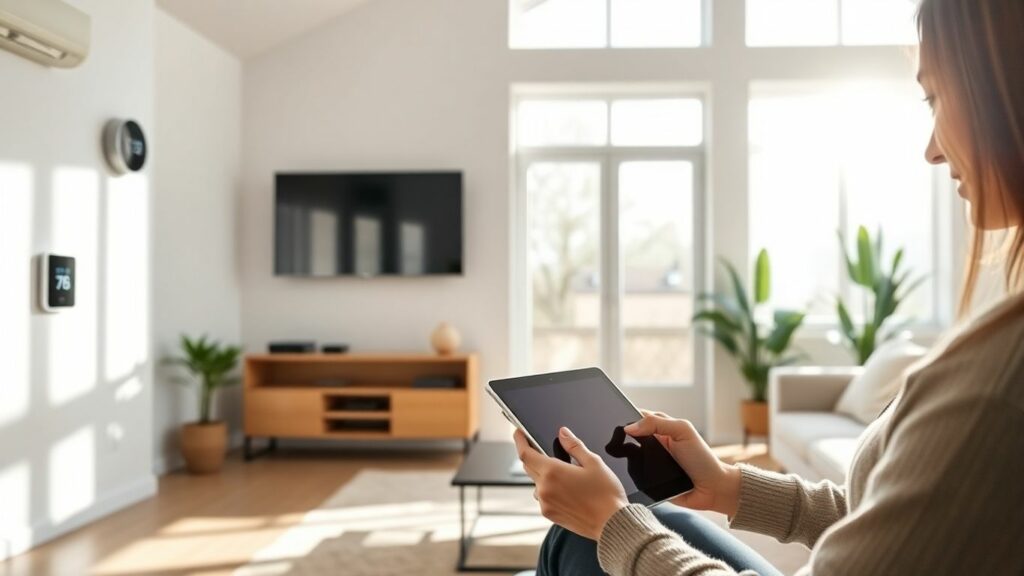
Evolving Buyer Expectations for Connected Living
What buyers want is changing fast. What was a cool gadget a few years ago is now becoming a basic expectation. People are getting used to the convenience and security that smart tech offers. As more homes come with these features built-in, buyers will start to expect them as standard. It’s like when flat-screen TVs went from a luxury to something you just find in every living room. Homes that don’t keep up might start to feel a bit dated, even if they’re perfectly functional.
The integration of advanced technology into our living spaces is no longer a distant dream but a rapidly approaching reality. Homes are becoming more than just structures; they are evolving into dynamic, responsive environments designed to enhance our daily lives. This shift is fundamentally altering how we view property and what we expect from our living spaces.
Frequently Asked Questions
Why are more people wanting homes with smart technology?
People like smart homes because they offer more convenience and make life easier. You can control lights, heating, and security with your phone or voice. Plus, they can help save energy and make homes feel safer.
Do smart homes actually sell for more money?
Yes, homes with smart features often sell for a higher price. Buyers are willing to pay extra for the modern conveniences, added security, and potential energy savings that smart technology provides.
What are the most popular smart home features that buyers look for?
Buyers are really interested in smart security systems like cameras and smart locks. They also like smart thermostats that help save energy and smart lighting that can be controlled easily. Things that make life simpler and safer are big draws.
Is it worth it for investors to put smart technology in rental properties?
Definitely! Smart features can make your rental property more attractive to renters, potentially allowing you to charge more rent. It can also help attract tenants who value modern technology and convenience.
What should I do to make sure the smart technology in a home works well?
It’s important that all the smart devices can talk to each other and work together smoothly. Keeping the software updated on all devices is also key to making sure everything runs properly and stays secure.
What’s next for smart homes in the future?
In the future, homes will likely have even smarter systems that learn what you like and do things automatically. Think of homes that can tell you when something might break before it does, or use energy in the smartest way possible, all thanks to AI and connected devices.