


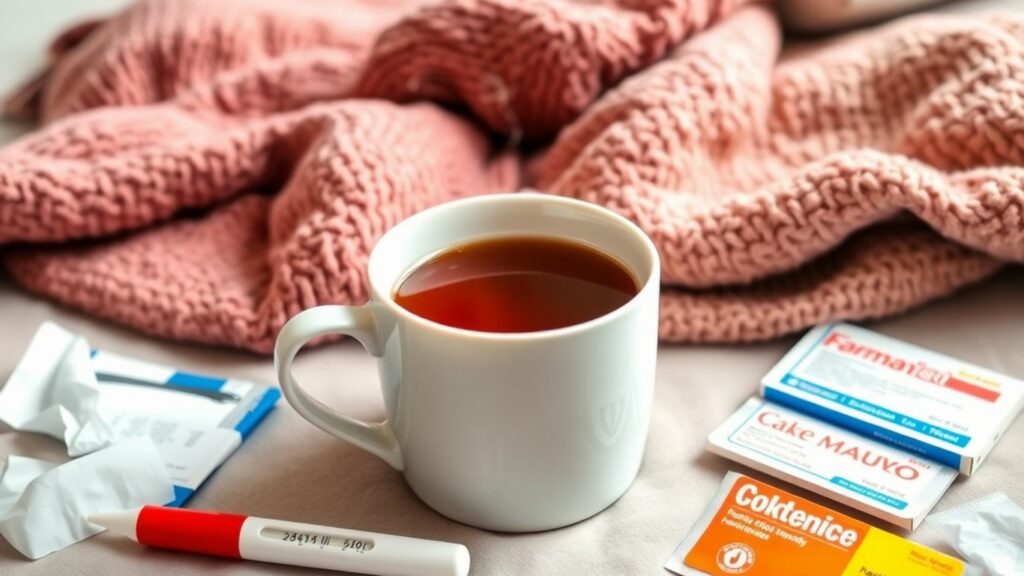
Trying to figure out if you have a cold or the flu can be frustrating, but there are some clear differences. The flu usually hits fast.
You might wake up one day feeling fine and then feel awful by lunch, we’re talking high fever, body aches, chills, and fatigue. A cold? That’s slower and milder. Most people notice a scratchy throat, stuffy nose, and sneezing that creep up over a day or two.
While both can sometimes give you a little fever, the flu is much more likely to knock you flat for days. Here’s a handy table if you want to compare the two side by side:
| Symptom | Cold | Flu |
|---|---|---|
| Onset | Gradual | Sudden |
| Fever | Rare/Mild | Usually High |
| Body Aches | Mild | Common, Severe |
| Fatigue | Sometimes | Usually Severe |
| Sneezing | Common | Sometimes |
| Sore Throat | Common | Sometimes |
| Cough | Mild to Mod. | Often Severe |
So, if you’re knocked flat out of the blue, it’s probably flu. If you’re just dealing with a runny nose and mild tiredness, that’s more cold territory.
The Role of Prevention in Care
Prevention sounds boring, but once you’ve been sick, you’ll wish you’d done more of it. Here are some things to actually help reduce your odds:
- Wash your hands — It’s basic, but it works. Soap plus about 20 seconds is your friend, especially before eating or after being out in public.
- Stay away from sick folks — If someone’s coughing all over their desk, maybe take that Zoom call after all. Limiting exposure helps.
- Cover your mouth and nose when you sneeze or cough — Use your elbow, not your hands, to avoid spreading germs everywhere.
- Keep surfaces clean — Phones, doorknobs, keyboards. Germs hang out here.
- Get vaccinated for flu — It’s not perfect, but it does reduce your chances of a nasty illness, or at least makes it milder.
You obviously can’t bubble-wrap yourself all winter, but simple stuff really does make a difference.
Importance of Early Treatment
The first couple of days you feel sick are more important than you might think.
Here’s why:
- If you act quickly at the first signs of the flu, a doctor can prescribe antiviral meds like Tamiflu. These only work if started early (usually first 48 hours).
- Taking care of yourself right away helps cut down how bad things get — so don’t just power through.
- If you notice really bad symptoms, like difficulty breathing or a high fever that won’t quit, seek advice. Waiting can make things worse.
If you start feeling sick, bring out the basics: rest, fluids, and if needed, over-the-counter meds for pain or fever. Don’t wait until you’re flat on your back.
And if you’re worried things are getting out of hand, don’t hesitate to reach out to your healthcare provider. Sometimes fast action is what keeps a tough cold or flu from turning really nasty.
Recommended Medications for Cold and Flu Care
When the sniffles hit or you’re knocked out on the couch by the flu, knowing what to grab from your local pharmacy can make getting through those days a bit easier.
You’ve probably searched for the best remedies for cold and flu, but with all the options out there, it’s easy to get lost in the aisle. Here’s what you need to know about effective over the counter flu medicines, how to use them safely, and when to steer clear.
Paracetamol and Ibuprofen for Pain and Fever
Both paracetamol (sometimes labeled as acetaminophen) and ibuprofen are go-to choices. They lower fever and help with all those aches and pains. If you have a pounding headache or your body hurts, these can help you feel more normal.
Key Points:
- Paracetamol works for headaches, sore throats, and mild fevers.
- Ibuprofen is better for swelling, muscle aches, and higher fevers.
- Both should be taken as directed, taking more doesn’t help and can actually harm your liver (paracetamol) or stomach (ibuprofen).
| Symptom | Paracetamol Effective? | Ibuprofen Effective? |
|---|---|---|
| Mild Fever | Yes | Yes |
| Body/Muscle Ache | Yes | Yes |
| Sore Throat | Yes | Somewhat |
| Nasal Congestion | No | No |
Decongestants for Nasal Relief
Can’t breathe through your nose? Decongestants are your friend. Look for phenylephrine or pseudoephedrine—these shrink swollen blood vessels in your nose, helping you breathe.
- They work best for blocked noses and sinus pressure.
- Don’t use them for more than 3 to 5 days in a row. If you use them longer, your nose might actually get more blocked up (yep, it’s a thing).
- People with heart problems or high blood pressure should check with a doctor before using these.
Combination Tablets for Multi-Symptom Care
Maybe you woke up feeling like you got hit by a bus: fever, runny nose, headache—you name it. Multi-symptom tablets combine painkillers, decongestants, and sometimes extras like a small caffeine boost.
Common combo products tackle:
- Headaches, sore throats, fever
- Nasal and sinus congestion
- Runny or stuffy nose
- Some have different formulas for day (with caffeine) and night (without caffeine), so you can actually sleep
Safe Use Guidelines for Medications
Over-the-counter doesn’t mean risk-free, so here are a few reminders:
- Always follow the dosage instructions on the packaging.
- Don’t mix medications with the same active ingredients. For example, don’t take a combination tablet and plain paracetamol together.
- Avoid giving decongestants or certain multi-symptom products to young children, check age restrictions first.
- If you have ongoing health problems, talk to a doctor or pharmacist before mixing cold and flu meds.
Knowing the difference between the best remedies for cold and flu and what’s just hype can make your sick days a little less miserable. Next time you’re picking up effective over the counter flu medicines, you’ll know exactly which box to reach for (and which to leave on the shelf).
Natural and Home Remedies: Helpful or Hype?
So, a lot of people swear by their favorite home remedies when they catch a cold or the flu. You hear about honey, warm tea, steam, salt water, and of course, that classic bowl of chicken soup.
But do they actually help, or are we just clinging to old habits that aren’t backed by science? Let’s look at what holds up and what doesn’t.
Effectiveness of Honey and Warm Liquids
If your grandma tells you to have honey in warm water for a sore throat, turns out she’s onto something. Honey can help soothe your throat and may even calm that nagging cough, especially before bed. Warm drinks in general can offer some comfort, hydrate you, and help loosen up congestion for a while, even if it’s temporary.
Here’s what you get from honey and warm liquids:
- Temporary relief of throat pain and irritation
- Reduced frequency and severity of coughing at night (especially for kids over 1 year old)
- Extra hydration, which is important when sick
Note: Never give honey to children under 1 year old because of the risk of botulism.
Gargling and Steam Inhalation
You’ve probably tried gargling salt water or leaning over a bowl of steaming water with a towel thrown over your head.
Some studies suggest gargling with salt water might lower the risk of upper respiratory infections, and steam inhalation can open up nasal passages for a bit. But don’t expect either to make your cold go away any faster.
How to use these safely:
- Gargle with a solution of 1/4 to 1/2 teaspoon salt in 8 ounces of warm water (don’t swallow it).
- Steam: Put your face over a bowl of hot, but not boiling, water, drape a towel over your head, and gently inhale for a few minutes.
- Always be careful to avoid burns when using steam!
Chicken Soup and Traditional Comforts
Chicken soup isn’t magic, but it does more than just fill you up. Some research hints that the warm broth could slightly reduce inflammation that happens during an infection, which might help with stuffiness and body aches.
Plus, it’s a sneaky way to get more fluids and calories in when you don’t feel like eating real food. It’s less about curing your cold, and more about feeling a little less miserable.
Table: What’s Backed Up and What’s Not
| Remedy | What It Helps With | What It Doesn’t Do |
|---|---|---|
| Honey | Cough, sore throat (age >1) | Cure illness |
| Warm Liquids | Throat pain, hydration | Eliminate virus |
| Saltwater Gargle | Throat discomfort, infection risk | End cold quickly |
| Steam Inhalation | Nasal stuffiness (brief relief) | Treat infection |
| Chicken Soup | Hydration, mild inflammation | Cure cold or flu |
Bottom Line
Home remedies can make cold and flu symptoms suck less, but they won’t get you back to work or school any sooner. If you want to give them a try, go for it, just keep your expectations in check and skip anything risky (especially for kids).*
Cold and Flu Care Strategies to Avoid
You might hear about a lot of ‘tricks’ or natural ways to relieve cold symptoms, but not everything you read or hear actually works. Some approaches can do more harm than good, while others just waste your time and money. Let’s look at a few common myths about cold and flu treatments, and what you should really avoid when you’re feeling under the weather.
Why Antibiotics Don’t Help Viral Infections
It’s easy to think that a strong medication like antibiotics will knock out your illness. But colds and the flu are caused by viruses, not bacteria. Antibiotics kill bacteria, not viruses, so they won’t work for either illness. Taking antibiotics when you don’t need them can actually:
- Upset your stomach or cause allergic reactions.
- Lead to antibiotic resistance, making it harder to treat infections when you truly need it.
- Harm the balance of good bacteria in your body.
If your doctor says no antibiotics, it’s not because they’re withholding help. They’re just making sure you only use them when necessary.
Risks of Over-the-Counter Remedies for Children
Parents want their kids to feel better right away, and the drugstore shelves are full of colorful bottles that promise quick relief. But for children (especially under 6), many cold and flu medicines can be unsafe. The risks include:
- Overdose if you mix products (a lot contain the same ingredients).
- Serious side effects like heart problems, slowed breathing, or hallucinations.
- No real proof that most cough and cold meds actually work for kids.
If you have a little one who’s sick, stick to natural ways to relieve cold symptoms, like keeping them hydrated, letting them rest, and using saline nose drops. Always talk to your doctor before giving any medicine to children.
Homeopathic and Unproven Supplements
Walk into any health food store and you’ll see shelves lined with tablets, drops, and sprays that claim to fight off colds and the flu. But here’s the thing: there’s little science to back most of these up. Some common myths about cold and flu treatments involve homeopathic pills or mega-doses of vitamins. The truth is:
- Echinacea hasn’t consistently shown to prevent or shorten illnesses.
- High doses of vitamin C might upset your stomach and won’t keep you from getting sick.
- Intranasal zinc (like some sprays) can actually cause permanent loss of smell.
Here’s a quick table showing what’s worth your time:
| Treatment | Evidence of Effectiveness | Safety Concerns |
|---|---|---|
| Echinacea | Poor | Possible allergic reaction |
| High-dose Vitamin C | Poor | Digestive upset, diarrhea |
| Zinc nasal sprays | Poor; risk of harm | Can cause smell loss |
| Oral zinc (lozenges) | Mixed | Nausea, interacts with meds |
| Homeopathic tablets | No proof | Often just sugar pills |
Key Takeaways
- Don’t use antibiotics for viral illnesses, they won’t help and may cause more problems.
- Avoid most over-the-counter remedies for young children.
- Be skeptical of supplements and homeopathic fixes. Focus on proven, safe ways to recover, like rest and staying hydrated.
- If you’re ever unsure, especially about something you want to give your kids, call your healthcare provider. It’s way better than playing guessing games with your (or your child’s) health.
Wasting time and money on myths doesn’t just delay your recovery, it could set you back or even make you feel worse. Stick with what’s shown to help, and let go of the products and stories that promise too much.
Supplements and Vitamins in Cold and Flu Care
You’ve probably seen plenty of ads and advice about taking vitamin C, zinc, or herbal supplements as soon as you start sniffling. People swear by this stuff, they’ll load up on tablets and powders at the earliest sign of a scratchy throat. But does any of it really do what it promises? Here’s a realistic take, based on what research says, and a bit of my own head-shaking after trying some of these remedies myself.
The Real Impact of Vitamin C
Vitamin C is almost legendary for its association with fighting colds. Maybe you’ve stocked up on those big orange tablets, or dumped packets into your water bottle hoping for a miracle. Here’s how it actually performs:
- Prevention? Not really. Multiple studies say that vitamin C doesn’t keep colds away for most people. Athletes under specific physical stress seem to get a little benefit, but the average person doesn’t.
- Shorter colds? Possibly, a bit. If you take vitamin C every day (not just after symptoms start), you might shave a few hours off the misery, but you’re not halving your sick days.
- Too much? Yeah, you can overdo it. Mega-doses (anything over 500mg/day for weeks) can cause diarrhea or stomach pain fast.
A quick table summing up what the science shows:
| Dosage | Prevents Cold? | Shortens Cold? | Side Effects |
|---|---|---|---|
| 60–200mg/day | No | Slightly | Unlikely at this dose |
| >500mg/day, long-term | No | Slightly | Diarrhea, cramping, nausea possible |
Zinc’s Benefits and Risks
Zinc is another heavy hitter in the supplement aisle. Some folks use lozenges or syrups. The reality is a little complicated:
- If you start zinc in the first 24 hours of symptoms, it may make your cold a day shorter. That’s not nothing, but it’s hardly magic.
- Forms matter. Oral zinc (lozenges, tablets, syrups) is what has some evidence behind it. Nasal sprays or gels with zinc? Don’t even go there, some people have lost their sense of smell permanently.
- Risks and side effects: Zinc can make you nauseous, and high doses for more than a week can mess with your other minerals, like causing copper deficiency.
A quick rundown:
- Start zinc right after symptoms appear.
- Stick to oral forms only.
- Don’t take high doses for more than 7 days, unless your doctor says it’s okay.
Echinacea and Other Herbal Therapies
Echinacea pops up everywhere in the winter. The shelves are full of teas, capsules, and even candies with this flowery extract. But what does the evidence say?
- Outcomes are all over the map. Some studies say there’s maybe a small benefit if you start early and take a specific type (often hard to find).
- Most research says echinacea doesn’t make a big difference.
- Safety isn’t a huge worry for most folks, but allergic reactions can happen, especially if you’ve got allergies to related plants (like ragweed).
Other “immune boosters” in the supplement aisle haven’t been proven to help with colds or flu. And just because it’s natural doesn’t mean it’s a free pass: herbal products can still interact with other medicines or medical conditions.
Here’s what you might pull from all of this:
- Taking regular vitamin C might give you a slightly shorter cold, but don’t expect miracles.
- Zinc lozenges (if you tolerate them) could help if you use them at the first sign of trouble, but they’re not without side effects.
- Herbal remedies like echinacea remain unproven at best.
- Overdosing on any supplement won’t help and might make you feel worse.
So, if you’re hoping a big glass of vitamin C or another ‘immune booster’ will save you from every office bug, it’s worth tempering your expectations. Sometimes the old standbys—rest, fluids, and maybe a bit of paracetamol—matter more than the vitamin aisle.
Practical Self-Care Tools for Faster Recovery
Getting sick is miserable. You can’t hack your way to feeling better overnight, but there are some simple things you can do at home to help your body bounce back faster. Sometimes, it’s the basics that make the biggest difference, even if everyone’s got a secret cure they swear by.
Rest and Sleep as Healing Tools
If you try to push through your daily routine when you’re sick, you’re just going to stretch out your illness. Your body needs a break, seriously. Skip the late-night TV binges and get more sleep than you normally would. If you can, nap during the day too.
Bed rest lets your immune system do its thing. If you’re congested, add an extra pillow to help with breathing during the night. Here’s a quick routine you can try:
- Turn off electronics 30 minutes before bedtime
- Set a regular bedtime, even on weekends
- Use blackout curtains or a sleep mask
- Nap when you feel rundown, but keep naps under 90 minutes
Staying Hydrated Effectively
Fever, stuffy nose, and coughing drain your body’s water. You need to stay hydrated to feel even halfway human. Shoot for clear liquids, plain water, diluted juices, and broths are best.
Skip the coffee, soda, and booze since they can dehydrate you even more. If plain water is too boring, add a little lemon or drink warm herbal tea. Try keeping a refillable bottle nearby to remind yourself to sip all day.
| Beverage | Hydration Value | Notes |
|---|---|---|
| Water | Excellent | Always a good choice |
| Herbal tea | Good | Decaf, soothing |
| Broth | Good | Helps with salt losses |
| Juice (diluted) | Moderate | Some sugar, use in moderation |
| Coffee/Soda | Poor | Dehydrating, avoid |
| Alcohol | Very poor | Avoid completely |
Humidifiers and Air Moisturizers
Cracked lips, scratchy throat, and dry nose? You might need more moisture in your room. Humidifiers help add water to the air, which can make breathing easier and lessen coughs.
Both cool-mist and warm-mist models work fine, but make sure to clean your machine regularly, gunk and mold can build up fast. Not ready to buy a humidifier? Taking a hot shower or just sitting in a steamy bathroom works too, at least for a while.
When setting up a humidifier, keep these in mind:
- Use distilled water if possible; it helps avoid mineral buildup
- Clean the tank and parts at least every three days
- Change the water daily
- Don’t over-humidify (keep humidity around 40–50%)
Don’t expect miracles, but little changes can help you feel better sooner. Rest, fluids, and moist air: keep it simple, and your body will thank you.
Preventing the Spread During Cold and Flu Season
Getting sick is frustrating enough, but spreading those germs to others? That just makes things worse. Here are some practical, real-world steps you can take to protect yourself and the folks around you during cold and flu season.
When you’re thinking about how to treat seasonal flu at home, it’s not just about getting better, it’s also about protecting your friends, family, and coworkers from getting sick too.
Proper Hand-Washing Techniques
Hand-washing isn’t just something your mom nagged you about—it’s actually one of the best ways to stop germs from getting around. But there’s a right way and a wrong way to do it.
Steps for Effective Hand-Washing:
- Use warm or cold water and soap (antibacterial soap isn’t necessary).
- Scrub all parts of your hands, including between fingers and under nails—for at least 20 seconds (about the time it takes to hum “Happy Birthday” twice).
- Rinse thoroughly and dry with a clean towel or air dry. In public places, use a paper towel to turn off the faucet and open the door if possible.
Hand sanitizer with at least 60% alcohol can work if soap and water aren’t available, but it won’t get rid of all types of germs, and it doesn’t clean dirty hands as well as washing does.
Vaccine Recommendations and Myths
The annual flu vaccine has a lot of rumors floating around it, but it’s backed by science as the best way to lower your risk of getting the flu or spreading it to others. Here’s what you should know:
- Who should get it: Everyone 6 months or older.
- When: Ideally before the season hits hard—usually early fall.
- Myth buster: No, the flu shot can’t give you the flu. Some people might feel a little sore or tired after, but that’s not the same as getting sick from the shot.
If you’re wondering how to treat seasonal flu at home, remember that prevention through vaccination saves you from dealing with those aches, fever, and sore throats in the first place.
Social Considerations When Sick
We’ve all had that pang of guilt when calling in sick, but when you’ve got the flu or a bad cold, staying home is the kindest option, for everyone’s sake. Here are a few steps to take:
- Stay home until at least 24 hours after your fever is gone (without meds).
- Cover your mouth and nose with a tissue or your elbow when you cough or sneeze.
- Wipe down surfaces like doorknobs, keyboards, and phones you’ve touched while sick.
If you absolutely must go out for essentials, wear a well-fitted mask if you’re still showing symptoms. It’s all about protecting your community.
Quick Table: How Germs Spread and How to Stop Them
| Common Actions | Risk of Viral Spread | Best Prevention |
|---|---|---|
| Sneezing/Coughing | High | Use tissues, wash hands |
| Touching Surfaces | Medium | Clean surfaces, hand-wash |
| Sharing Drinks | High | Avoid sharing |
Taking a few moments for these steps can help you and others skip the misery altogether, and it doesn’t require a fancy toolkit, just some honest habits and a little bit of courtesy. So the next time cold and flu season rolls in, you’ll know exactly how to treat seasonal flu at home while keeping those germs at bay.