


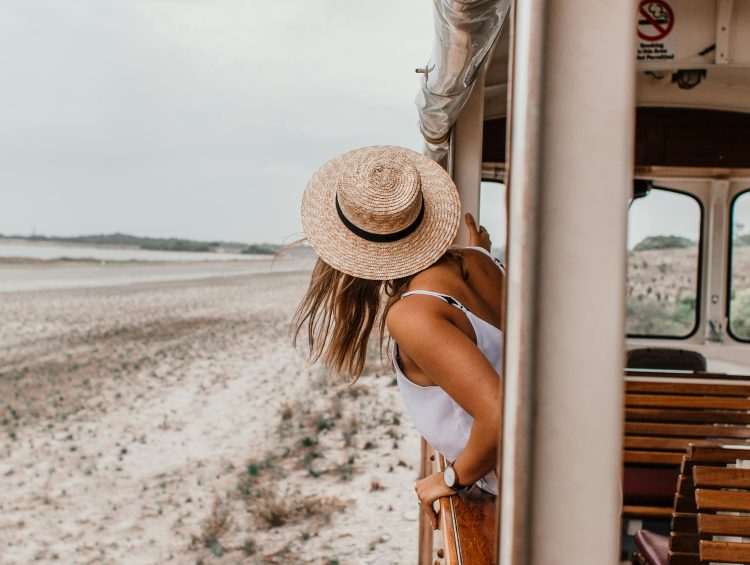
I learned the hard way that racing through five cities in ten days leaves you with a camera roll full of blur and a memory short on meaning, so I began traveling slowly, choosing a purpose, fewer bases, and routes that make the journey itself part of the reward.
This guide shows you how to set an intentional pace with clear non‑negotiables, plan flexible itineraries that trade hops for depth, favor scenic and low‑impact transport with well‑timed pause points, pick neighborhoods and lodgings where daily life unfolds at your doorstep, shape unhurried days around simple rituals and micro‑adventures, and capture what matters through concise journaling, mindful photos, and weekly metrics that help you adjust in real time.
If you’ve ever wondered how to feel more connected, creative, rested, and curious on the road, without sacrificing spontaneity, consider this your practical framework for savoring every moment, from the seat you choose on the train to the quiet corner café that becomes your temporary home.
1. Set Your Pace: Define Your Slow Travel Intent and Non‑Negotiables
Own your tempo before you even pack: “This trip is for connection, creativity, recovery, or learning.” Choose a travel speed that won’t chew you up, very slow (one base), slow (two bases), or unhurried (three bases max). Set non‑negotiables so your calendar can’t bully you; think ritual over rush, presence over checklists, depth over detours.
Drop a single mood-setting photo on your phone’s lock screen, something that nails the vibe (a quiet stoop, a steaming bowl, evening light), not a landmark, and anchor the whole thing with one bold line you keep coming back to.
Your Slow Travel Setup Checklist:
- Three non‑negotiables: no back‑to‑back travel days; sunset walk daily; cook 2 local meals
- Tempo choice: very slow (one base), slow (two bases), unhurried (three bases max)
- Lock your focus: one photo that symbolizes the trip’s mood + a pull‑quote of your purpose
30‑Second Template to Copy and Own:
“This trip is for __. I’ll keep it slow by __, __, and __.”
Add your pull‑quote under that, set your base count, and refuse anything that blurs those lines. That’s how slow travel stops being a hashtag and becomes the way you move, steady, selective, fully present for every beat.
2. Plan Fewer Stops, Longer Stays: A Flexible Slow Travel Itinerary
Use the 3:1 rule: for every travel day, spend 3+ full days in one place, and add one buffer day per week to absorb delays, weather, or spontaneous plans. Cap your moves to protect energy and budget: for 10 days, pick 1–2 bases; for 14 days, pick 2–3 bases.
Prioritize by a single theme, food, hiking, or art, so you choose fewer, better stops instead of chasing every pin on the map. Then plot a simple map with only your base towns and note one realistic train/bus/drive time per move (e.g., “Bologna → Florence: 40–50 min by train”). The payoff: depth, flexibility, and far lower transport costs without the burnt-out “airport lounge” feeling.
Fast vs Slow Loop Comparison (10 Days):
Fast Loop:
- 5 stops
- ~18 travel hours
- 2 nights/stop
- 0 buffer days
- ~$380 transport
- Result: scattered snapshots and fatigue
Slow Loop:
- 2 bases
- ~9 travel hours
- 4 nights/stop
- 2 buffer days
- ~$260 transport
- Result: depth and time to pivot
Practical Flow:
Lock 2 bases, book the first and last night, leave the middle flexible; schedule one “anchor” per day (e.g., a market, trail, or gallery), then let the rest breathe. If a storm hits or a local invites you somewhere unexpected, that buffer day turns “trip chaos” into “best memory.”
3. Choose Scenic Routes and Low‑Impact Transport for Richer Journeys
Skip short flights when a train, bus, ferry, bike, or your own two feet can turn transit into the main event. Picture sliding through alpine valleys on Switzerland’s Glacier Express (Zermatt → St. Moritz, 7.5–8 hrs), hugging the Pacific on the Amtrak Coast Starlight (Los Angeles → Seattle, 35 hrs with sleepers), or threading island channels via Seto Inland Sea ferries in Japan (Onomichi → Imabari → Takamatsu, modular hops).
Each leg gets a “Pause Point” baked in: hop off at Andermatt’s Devil’s Bridge viewpoint to watch the gorge roar beneath you, wander Santa Barbara Public Market for tacos between trains, or duck into Onomichi City Museum of Art for cats and modernism before the next ferry.
4. Stay Where Life Happens: Neighborhoods, Lodgings, and Local Hosts
Pick a base that matches your daily rhythm, not a postcard. Scan for walkable groceries, a shaded green space for resets, a reliable café for Wi‑Fi and people-watching, and fast transit that runs early and late. In Mexico City, for instance, Coyoacán hits the sweet spot if you want quiet + culture: leafy plazas, Frida Kahlo Museum, and evenings that wind down at a humane hour.
Book places with a real kitchen so you can cook, brew, and chill; weekly or monthly stays often unlock solid discounts. Aim for 4+ nights to actually settle in, your brain needs repetition to map the blocks, find “your” tortilla shop, and recognize dog-walkers.
Expert Advice:
Treat accommodation like a mini lifestyle lab, choose where your best habits are easy, not heroic.
Getting Local Intel:
Message the host with a two-liner that gets results: “We’re in town to work and wander. What’s one local tip, a market, bakery, or weekday event, we shouldn’t miss?” This shows respect and sparks gold.
Arrival Optimization:
On arrival, run a fast sound/light check: note noise sources (street bars, scooters, roosters, elevators), test curtains, and clock the morning sun. Adjust for solid sleep, earplugs by the bed, a white-noise app, towel under the door, eye mask on the nightstand. That small ritual protects your energy so the days feel long and rich instead of hazy and rushed.
Expert tip: The best “amenity” is rest; optimize it first, explore better after.
5. Unhurried Days: Micro‑Adventures, Rituals, and Digital Boundaries
Slow travel hits different when the day breathes. Try a three‑block rhythm:
- Morning wander with no map, let the streets choose you
- Single midday learning moment, one workshop, gallery, or local craft, not five
- Late‑day rest ritual in a park or café where you actually sit still
Build tiny quests, your own micro‑adventures: one street to walk end‑to‑end, one bench to observe the neighborhood pulse, one conversation with a vendor, one new flavor, then jot down what you found.
Protect Your Headspace with Digital Boundaries:
- Airplane mode for the first 2 hours
- Batch messages at lunch
- One intentional photo walk before the phone goes back in the pocket
Keep scenes tight and sensory: the sound of gulls, the smell of cardamom, the texture of warm stone under your palms, undefined, then suddenly obvious.
Three Quick Day Scripts:
Coastal village: pier sunrise (salt in the air), a fish‑market chat about the morning haul, tide‑pool sit with fingers on cold rock.
Mountain town: bakery loop with crust crackle, a meadow trail where the wind hisses through pines, book + tea hour while rain taps the window.
Small city: a tram ride end‑to‑end to feel the grid, a single local gallery for depth not breadth, sunset square where street musicians tune the evening.
Short paragraphs. One sensory detail per scene. That’s how mindful travel sticks, how presence burns in, and how the road stops blurring into one long, forgettable scroll.
6. Remember and Assess: Journaling, Photos, and Metrics that Matter
Slow travel sticks when you actually capture it. Each night, drop a quick check-in: “Today I noticed __, felt __, learned __, will repeat __.” It’s short, honest, and brutally useful.
Simple Shot List (No More Photo Hoarding):
- Dawn street: quiet light, empty corners
- Hands at work: baker, cobbler, your own
- Doorway textures: peeling paint, ironwork
- Shared meal: who you ate with, not just the plate
- Empty space: the pause that made the day
Then track metrics that matter weekly, hours on foot, conversations had, pages read, sit‑and‑watch time, average spend. Do a ruthless 10‑minute review: keep / adjust / drop, and reframe the next 3 days so your trip stops drifting and starts compounding.
Meaningful Metrics vs. Throwaway Metrics
| Metric Type | What You Track | Real Example (Week) | Why It Matters |
|---|---|---|---|
| Meaningful | Hours on foot | 28 hours walking (avg 4/day) | More streets = more serendipity, better local immersion |
| Meaningful | Conversations had | 17 chats (vendors, neighbor, barista) | Builds connection and context; unlocks hidden spots |
| Meaningful | Pages read | 146 pages (local author + guide) | Deeper cultural understanding, better questions to ask |
| Meaningful | Sit‑and‑watch time | 4 sessions × 20 min (plaza, harbor) | Trains attention; you start noticing rhythms, not just highlights |
| Meaningful | Average spend | $52/day (food $21, transit $6, coffee $5) | Aligns budget with values so you fund what you love |
| Throwaway | Attractions “ticked” | 9 landmarks | Quantity isn’t depth; encourages rushed itineraries |
| Throwaway | Steps without context | 65,000 steps | Big number, zero story; add where and with whom |
| Throwaway | Follower count spikes | +230 | External validation ≠ meaningful experience |
Quick Template to Keep You Honest:
“Noticed the fishmonger’s rhythm at 6:10am; felt oddly calm after sitting by the canal; learned locals skip the main square after 11; will repeat dawn walks + coffee on the steps.”
Snap that dawn street, a cook’s hands at work, rough doorway textures, the neighbor’s shared meal, and one deliberate empty space. End the week with a 10‑minute keep/adjust/drop: keep morning markets, adjust spend toward bookstores, drop late-night bar crawls.
If you want to go pro, offer your readers a clean, one‑page tracker (journal prompts + metrics grid) and a filled‑in week example, so they can stop collecting moments and start crafting them.