


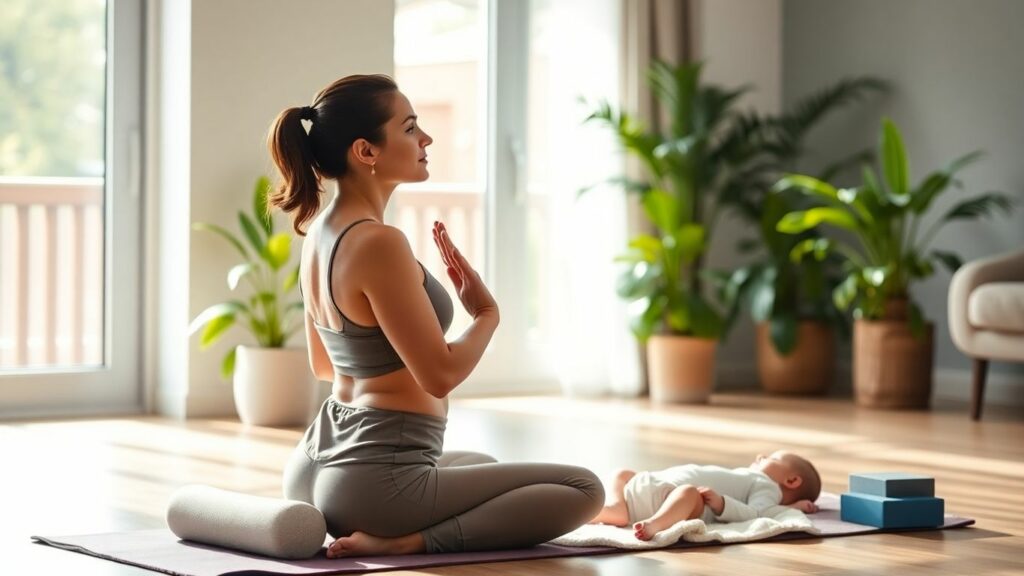
Recovering from pregnancy can feel overwhelming, not just physically but also emotionally. Yoga during the postpartum period isn’t just gentle stretching – it’s a way to help both your recovering body after pregnancy and your mind adjust to all the changes that come with being a new mom.
Let’s look at a couple of the biggest ways yoga can help you now.
Enhancing Muscle Strength and Flexibility
You might have noticed that your core and pelvic area feel much different after giving birth. Yoga can help you rebuild lost strength and flexibility without putting a lot of strain on your body.
Key ways yoga supports your recovering body after pregnancy:
- Brings strength back to your core and pelvic floor, which often feel weak or unusual after birth
- Targets tight spots like shoulders and back, areas that take a hit from nursing and holding your baby
- Helps with stiffness, making daily movements; like bending, lifting, or playing with your baby—a bit easier
- Encourages better posture, which can prevent that classic new mom slump
Here’s a simple look at what postpartum yoga can do:
| Benefit | What You Might Notice |
|---|---|
| Stronger core & pelvis | Less back pain, easier lifting |
| More muscle flexibility | Fewer aches during daily tasks |
| Improved posture | Standing taller, less shoulder strain |
Supporting Mental Wellbeing and Reducing Stress
Postpartum life can be a rollercoaster. Yoga helps by creating space for you to relax and tune into yourself. Sometimes, just focusing on your breath is enough to let some of that pressure go.
Here’s how yoga can help on the emotional side:
- Lowers stress levels and helps with mood swings through breathing and slow movements
- Supports better sleep, which is honestly priceless in this stage
- May reduce signs of postpartum depression and anxiety – research backs this up
- Encourages a moment for yourself, which is hard to find with a newborn
A lot of new moms say the mental shift is just as important as the physical one. Taking the time to listen to your own needs, even for ten minutes, can help you feel more like yourself again.
Quick summary of emotional benefits:
- Less tension and irritability
- A calmer reaction to everyday stress
- Better connection to your body and mind
So, rolling out the mat isn’t just about exercise, it’s real self-care for your recovering body after pregnancy, and it doesn’t have to be perfect. Give yourself a little patience and see how small steps can make big changes.
Essential Postpartum Yoga Practices for Healing and Balance
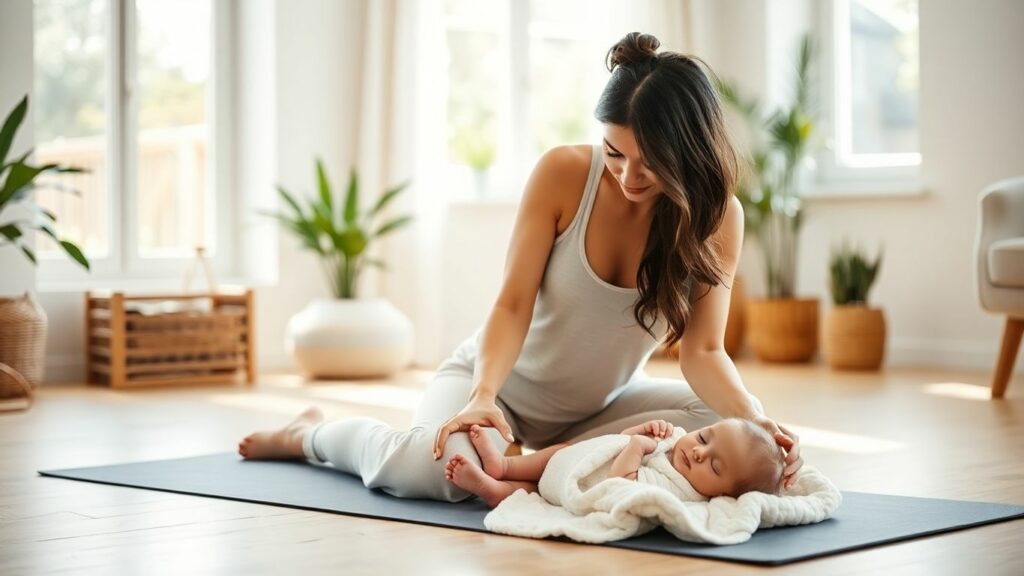
Recovering after childbirth takes time, both physically and emotionally. Turning to gentle yoga after birth can really help support your healing. If you’re just starting out, knowing which postnatal yoga poses are safe and helpful will make all the difference. Here’s how you can use healing exercises postpartum to feel stronger and more balanced.
Safe Yoga Poses to Rebuild Core and Pelvic Floor
After having a baby, your core and pelvic floor are usually pretty weak. Certain postnatal yoga poses are excellent for targeting those areas safely:
- Bridge Pose (Setu Bandha Sarvangasana): Lying on your back with your knees bent, feet flat on the floor. Lift your hips gently to activate your glutes and core. Great for your back and hips, too.
- Cat-Cow (Marjaryasana-Bitilasana): Move slowly between arching and rounding your spine. This pose releases tension, gently wakes up your core, and can help your lower back.
- Child’s Pose (Balasana): Here, you rest on your knees and stretch your arms forward, allowing your pelvis to open. It’s a great way to relax and lengthen your spine.
- Legs-Up-The-Wall (Viparita Karani): Just as it sounds — lie on your back and rest your legs up against a wall. This pose is very calming and can reduce swelling in your legs.
Before you try any poses, make sure to talk to your health provider, especially if you’ve had a C-section or complications.
Gentle Breathing Techniques for Recovery
Breathwork is one of the most overlooked healing exercises postpartum. It helps you relax, calms your nerves, and reconnects your mind and body. Here are a few simple breathing methods to try:
- Diaphragmatic Breathing: Put one hand on your belly. Inhale through your nose, letting your belly rise. Exhale slowly. This helps retrain your core after it stretched during pregnancy.
- Sigh Breath: Inhale deeply, then exhale out your mouth with a long sigh. Repeat a few times. This can help with stress and tension release.
- Box Breathing: Inhale for 4 counts, hold for 4, exhale for 4, hold for 4, and repeat. It’s grounding and can be done anywhere — even while holding your baby.
You can work these breathing techniques into your postnatal yoga poses or use them throughout the day. They’re simple but surprisingly effective when you’re feeling tired or stressed.
Key Tips for Safe Healing Exercises Postpartum
- Always move at your own pace; slow and steady is best.
- Stop if you feel any pain, dizziness, or get out of breath.
- Try to practice regularly, even if it’s just for 10 minutes a day.
- Remember: real recovery is about healing, not just “bouncing back.”
Taking time for gentle yoga after birth is a way to care for yourself without pushing too hard. Even small steps help you regain confidence in your body and keep your spirits up.
Building Connection and Community Through Yoga for Postpartum Recovery
Recovering from childbirth isn’t just about your body bouncing back—there’s a lot happening under the surface, especially when you’re at home with a newborn. Sometimes you need more than good sleep and gentle stretching for new moms. Yoga in the postpartum period can open the door to new friendships, help you bond with your baby, and make you feel less alone in what sometimes feels like a never-ending cycle of diaper changes.
Bonding With Your Baby During Yoga
Yoga isn’t just for solo quiet time. It can actually be a team effort, giving you moments to connect with your baby in ways that go beyond feeding and soothing.
Here are a few ways to build those bonds:
- Incorporate baby into gentle poses: Simple movements like seated stretches or supported bridge pose can be done with your baby resting on your lap or chest. Not only do you both get comfort, but your baby also gets to hear your voice and watch you move.
- Safe floor play: Bring your baby onto the mat beside you. While you practice stretching for new moms, reach out and touch your baby’s hands or toes between poses.
- Make time for eye contact and soft singing: Add a lullaby or gentle hum during certain holds. It soothes your little one and shifts the mood, transforming the practice into shared calm.
It doesn’t always look serene—sometimes your baby will fuss or need to be held. That’s ok. The goal isn’t a flawless yoga session, but small moments of closeness.
Finding Support With Other New Mothers
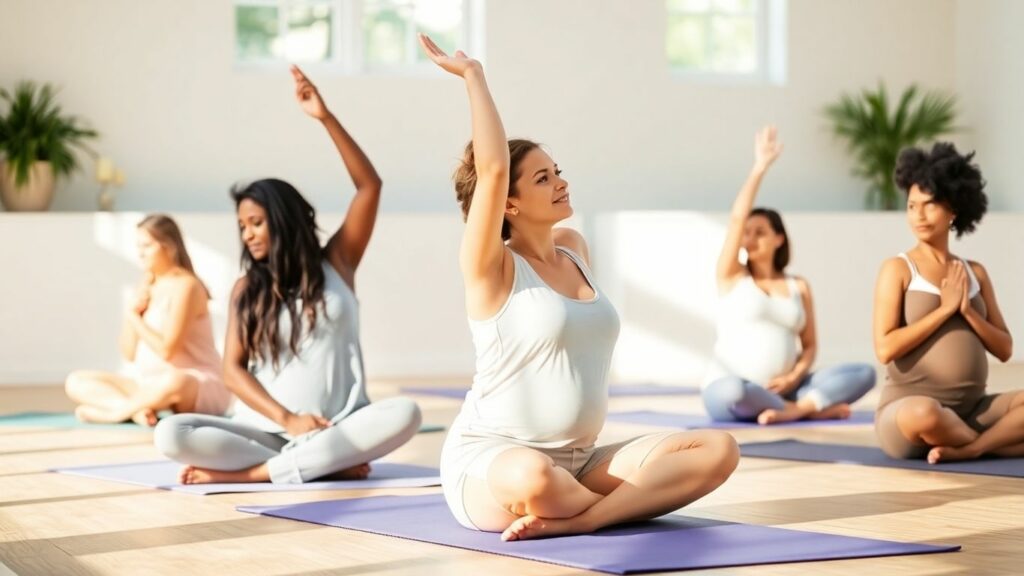
Honestly, sometimes you just need someone who gets it. Joining a postpartum or mom-and-baby yoga group can help you tap into a community that knows what you’re dealing with.
Why join a group class, even once in a while?
- You meet people in the same season: Whether you’re all sweating over stretching for new moms or just swapping tired stories, there’s comfort in sharing space with folks who “get it.”
- Get and give tips: There’s always a new mom hack or kind word floating around at the end of a class—sometimes you pick up something helpful, or you get to reassure someone else.
- Moral support: On tough weeks, just knowing you’ll see a familiar face can be enough motivation to put on yoga pants and head to class.
- Resource sharing: Lots of groups naturally start to exchange resources—recommendations for pediatricians, sleep strategies, or just where to get good coffee nearby.
Don’t worry if you’re not the most social person—simply being in the same room can help. If you prefer online groups, there are more popping up every year.
No one’s expecting perfection, just your presence. By practicing yoga after pregnancy, whether it’s focused on stretching for new moms or simply sitting quietly with others, you’re rebuilding strength and finding your way—not just back to yourself, but toward a new community too.