


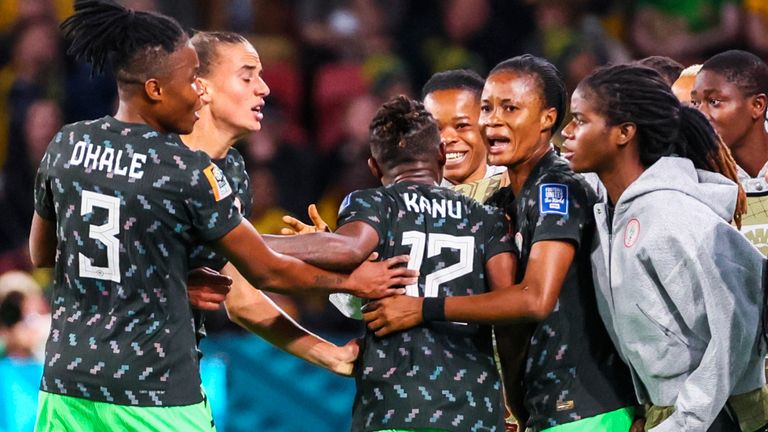
As you delve into the world of international women’s soccer, few teams command as much respect and admiration as the Nigeria Women’s National Football Team, affectionately known as the Super Falcons.
This powerhouse of African football has dominated the continent for decades, leaving an indelible mark on the global stage.
In this article, you will discover the rich history, remarkable achievements, and enduring legacy of the Super Falcons. From their inception to their current status as a formidable force in women’s soccer, you’ll gain insight into the team’s journey, key players, and the impact they’ve made on Nigerian sports and society.
About the Super Falcons of Nigeria
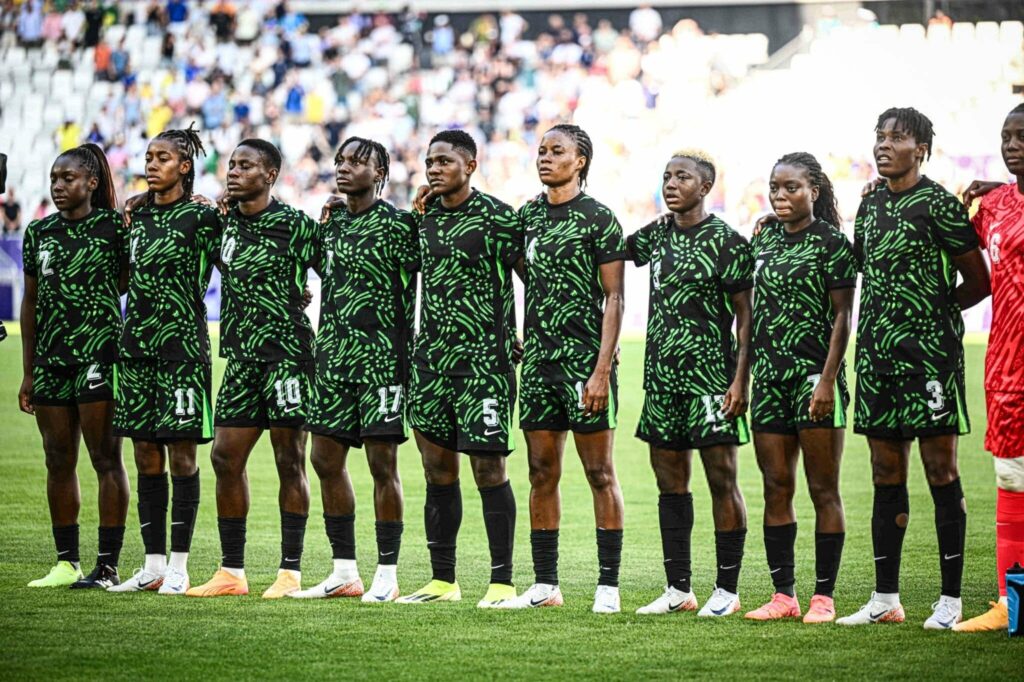

The Super Falcons is Nigeria’s women’s national football team, and they’re a force to be reckoned with on the international stage. As the most successful women’s football team in Africa, these ladies have been dominating the continent for decades.
You might be wondering what makes the Super Falcons so special. Well, buckle up, because their track record is impressive. They’ve won the Africa Women Cup of Nations a whopping 11 times, that’s more than any other team on the continent. When it comes to African women’s football, the Super Falcons are practically royalty.
But the Super Falcons aren’t just big fish in a small pond. They’ve made their mark on the world stage too. Since 1991, they’ve qualified for every FIFA Women’s World Cup. That’s right, every single one. They’ve also represented Africa at the Olympic Games multiple times.
The Super Falcons are more than just a football team, they’re an inspiration. In a country where women’s sports often take a backseat, these athletes have become role models for young girls across Nigeria. They’ve shown that with talent, determination, and hard work, you can achieve greatness, no matter your gender.
So, next time you hear “Super Falcons,” remember: you’re not just hearing about a football team. You’re hearing about a legacy of excellence, a symbol of women’s empowerment, and a source of national pride for Nigeria.
The History of the Super Falcons
The Super Falcons, Nigeria’s women’s national football team, have a rich history that dates back to the early 1990s. You might be surprised to learn that their journey began with humble roots, as women’s football was still finding its footing in Africa. The team made its international debut in 1991, stepping onto the global stage with determination and grit.
Rise to Continental Dominance
As you follow the Super Falcons’ story, you’ll see how quickly they ascended to the top of African women’s football. They’ve clinched a record-breaking 11 Africa Women Cup of Nations titles, establishing themselves as the powerhouse of the continent. Their first victory came in 1998, and they’ve barely loosened their grip on the trophy since.
The Super Falcons hold the distinction of being Africa’s most successful women’s national football team. With an impressive record of eleven Women’s Africa Cup of Nations titles, they solidified their position as continental champions. Their most recent triumph came in 2018, when they clinched the title by defeating South Africa in the final.
World Cup Appearances
The Super Falcons have been a constant presence on the world stage, appearing in every FIFA Women’s World Cup since the tournament’s inception in 1991. While they’ve yet to clinch the ultimate prize, they’ve certainly left their mark. Their best performance came in 1999 when they reached the quarterfinals, proving they could compete with the world’s best.
As the sole women’s national team from the Confederation of African Football, they have successfully reached the quarterfinals in both the FIFA Women’s World Cup and the Summer Olympics, showcasing their skill and determination.
Shaping Nigerian Football
You can’t talk about Nigerian football without mentioning the Super Falcons. They’ve inspired generations of young girls to pursue their dreams on the pitch, breaking barriers and changing perceptions along the way. The team’s success has been instrumental in growing women’s football in Nigeria and across Africa, paving the way for future stars.
Players – Current squad
The Super Falcons of Nigeria boast a roster brimming with talent and experience. These fierce competitors have made their mark on both the national and international stage, showcasing the best of Nigerian women’s football.
At the heart of the squad, you’ll find some of Africa’s most formidable players. Asisat Oshoala has been a game-changer for the team. Her lightning-quick pace and clinical finishing have earned her multiple African Women’s Footballer of the Year awards. Alongside Oshoala, Francisca Ordega brings her creative flair and goal-scoring prowess to the attacking line.
Goalkeeper Chiamaka Nnadozie, despite her youth, has already established herself as one of Africa’s top shot-stoppers.
Keep an eye out for emerging talents like Rasheedat Ajibade and Gift Monday. These young players are injecting fresh energy into the squad, pushing the established stars to new heights. Their development is crucial for the Super Falcons’ future success and continued dominance in African football.
| No. | Pos. | Player | Date of birth (age) | Club | ||
|---|---|---|---|---|---|---|
| 1 | GK | Rachael Unachukwu |  |
|||
| 16 | GK | Chiamaka Nnadozie | 8 December 2000 (age 24) |  |
||
| 16 | GK | Anderline Mgbechi | 30.11.2005 |  |
||
| DF | Osinachi Ohale | 21 December 1991 (age 32) |  |
|||
| DF | Rofiat Imuran | 17 June 2004 (age 20) |  |
|||
| DF | Michelle Alozie | 28 April 1997 (age 27) |  |
|||
| DF | Ashleigh Plumptre | 8 May 1998 (age 26) |  |
|||
| 13 | DF | Sikiratu Isa |  |
|||
| 14 | DF | Oluwa Tosin Demehin | 13 March 2002 (age 22) |  |
||
| MF | Jennifer Echegini | 22 March 2001 (age 23) |  |
|||
| MF | Toni Payne | 22 April 1995 (age 29) |  |
|||
| 7 | MF | Josephine Mathias | 16 December 1999 (age 25) |  |
||
| MF | Christy Ucheibe | 25 December 2000 (age 23) |  |
|||
| 3 | MF | Shukurat Oladipo | 22 September 2004 (age 20) |  |
||
| 16 | MF | Adoo Yina | 30.12.2004 | |||
| 8 | FW | Blessing Nkor | 01 octobre 2003 |  |
||
| 2 | FW | Gift Monday | 9 December 2001 (age 23) |  |
||
| FW | Ifeoma Onumonu | 25 February 1994 (age 30) |  |
|||
| 21 | FW | Mercy Omokwo | 4 February 2000 (age 24) |  |
||
| FW | Omorinsola Babajide | 17 June 1998 (age 26) |  |
|||


Recent call-ups
The following players have been called up to a squad in the past 12 months.
| Pos. | Player | Date of birth (age) | Caps | Goals | Club | Latest call-up |
|---|---|---|---|---|---|---|
| GK | Tochukwu Oluehi | 2 May 1987 (age 37) |  |
2024 Summer Olympics | ||
| GK | Linda Jiwuaku | 6 June 2006 (age 18) |  |
v.  |
||
| GK | Christiana Obia | 28 February 2001 (age 23) |  |
v.  |
||
| GK | Monle Oyono | 28 November 2000 (age 24) |  |
v.  |
||
| DF | Nicole Payne | 8 January 2001 (age 23) |  |
2024 Summer Olympics | ||
| DF | Jumoke Alani | 17 July 2005 (age 19) |  |
2024 Summer Olympics ALT | ||
| DF | Morufa Ademola | 3 May 1999 (age 25) |  |
2024 Summer Olympics ALT | ||
| DF | Akudo Ogbonna | 9 April 2000 (age 24) |  |
v.  |
||
| DF | Glory Edet | 26 February 2001 (age 23) | v.  |
|||
| DF | Rihanat Kasali | 26 December 2004 (age 19) | v.  |
|||
| DF | Florence Alexander | 23 August 2000 (age 24) |  |
v.  |
||
| DF | Comfort Folorunsho | 28 February 2002 (age 22) |  |
v.  |
||
| DF | Blessing Ilivieda | 20 October 2002 (age 22) |  |
v. Algeria,29 October 2024 | ||
| DF | Miracle Usani | 20 June 2007 (age 17) |  |
v. Algeria,29 October 2024 | ||
| DF | Tessy Ojiyovwi |  |
v.  |
|||
| DF | Chidinma Ogbuchi | 28 December 2003 (age 20) |  |
v.  |
||
| DF | Chidinma Okeke | 11 August 2000 (age 24) | – | – |  |
v.  |
| MF | Deborah Abiodun | 2 November 2003 (age 21) |  |
2024 Summer Olympics | ||
| MF | Regina Otu | 5 August 1996 (age 28) |  |
2024 Summer Olympics ALT | ||
| MF | Halimatu Ayinde | 16 May 1995 (age 29) |  |
2024 Summer Olympics INJ | ||
| MF | Peace Efih | 5 August 2000 (age 24) |  |
v.  |
||
| MF | Esther Onyenezide | 30 June 2003 (age 21) |  |
v.  |
||
| MF | Chioma Olise | 16 March 2005 (age 19) |  |
v.  |
||
| FW | Rasheedat Ajibade (captain) | 8 December 1999 (age 25) | – | – |  |
v.  |
| MF | Amarachi Odoma |  |
v.  |
|||
| FW | Chinwendu Ihezuo | 30 April 1997 (age 27) |  |
2024 Summer Olympics | ||
| FW | Uchenna Kanu | 20 June 1997 (age 27) |  |
2024 Summer Olympics | ||
| FW | Chinonyerem Macleans | 1 October 1999 (age 25) |  |
2024 Summer Olympics | ||
| FW | Esther Okoronkwo | 27 March 1997 (age 27) |  |
2024 Summer Olympics | ||
| FW | Asisat Oshoala | 9 October 1994 (age 30) |  |
2024 Summer Olympics | ||
| FW | Opeyemi Ajakaye | 30 December 2005 (age 18) |  |
v.  |
||
| FW | Delight Nwosu |  |
v.  |
|||
| FW | Folashade Ijamilusi | 30 May 2001 (age 23) |  |
v.  |
||
| FW | Goodness Osigwe | 26 April 2007 (age 17) | Edo Queens | v. Algeria,29 October 2024 | ||
| FW | Janet Akekoromowei | 6 November 2007 (age 17) | Nasarawa Amazons | v. Algeria,29 October 2024 | ||
| FW | Olamide Bolaji | Remo Stars Ladies | v. Algeria,29 October 2024 | |||


With this blend of seasoned veterans and promising newcomers, the current Super Falcons squad is poised to soar to new heights on the global stage.
Coaching staff


The Super Falcons’ success is largely attributed to their exceptional coaching staff. These dedicated professionals work tirelessly behind the scenes to shape the team into a formidable force on the international stage.
Head Coach
At the helm of the Super Falcons is the head coach, who brings a wealth of experience and tactical acumen to the team. This pivotal role involves developing game strategies, selecting players, and making crucial decisions during matches. The head coach’s leadership style and vision play a significant part in molding the team’s identity and approach to the game.
Assistant Coaches
Supporting the head coach is a team of skilled assistant coaches. Each specializes in different aspects of the game, from defensive tactics to offensive plays. These experts work closely with players to refine their skills, analyze opponents, and implement the head coach’s game plan effectively.
Fitness Trainers
Physical conditioning is crucial in modern football, and the Super Falcons’ fitness trainers ensure the team is always in top shape. They design tailored workout regimens, monitor players’ health, and work on injury prevention. Their efforts contribute significantly to the team’s stamina and performance during grueling tournaments.
Goalkeeping Coach
The goalkeeping coach focuses on honing the skills of the team’s last line of defense. This specialist works on improving reflexes, positioning, and decision-making abilities of the goalkeepers, crucial for those game-changing moments.
Current coaching staff
| Role | Name |
|---|---|
| Interim Head Coach |  |
| First Assistant Coach |  |
| Second Assistant Coach |  |
| Chief Scout |  |
| Goalkeeping coach |  |
The Super Falcons’ Unique Playing Style
When you watch the Super Falcons in action, you’ll quickly notice their distinctive approach to the beautiful game. Nigeria’s national women’s team has developed a playing style that’s as vibrant and dynamic as the country itself.
Fast-Paced Attacking Football
The Super Falcons are known for their lightning-quick transitions and explosive counter-attacks. You’ll see them move the ball up the field with breathtaking speed, catching opponents off guard. Their forwards are always ready to pounce, turning defense into offense in the blink of an eye.
Physical Prowess and Athleticism
Don’t be surprised by the Falcons’ impressive physical presence on the pitch. These women are powerhouses, combining strength with agility. You’ll witness bone-crunching tackles and aerial duels that showcase their athletic abilities. This physicality allows them to dominate in both defensive and offensive situations.
Technical Skill and Flair
While power is a key component of their game, the Super Falcons aren’t just about brute force. You’ll be treated to moments of individual brilliance, with players showcasing incredible ball control and dribbling skills. Their ability to create something out of nothing can leave spectators and opponents alike in awe.
Tactical Flexibility
The team’s adaptability is another hallmark of their style. You might see them switch formations mid-game or adjust their pressing intensity based on the situation. This tactical flexibility keeps their opponents guessing and allows the Super Falcons to control the tempo of the match.
Achievements


When it comes to women’s football in Africa, the Super Falcons of Nigeria are in a league of their own. Their trophy cabinet is bursting at the seams, showcasing their dominance on the continent.
African Queens
The Super Falcons have clinched the Africa Women’s Cup of Nations (AWCON) a staggering 11 times. That’s more than all other African nations combined! Their most recent triumph came in 2018, solidifying their status as the team to beat in African women’s football.
World Cup Regulars
You can’t talk about the FIFA Women’s World Cup without mentioning Nigeria. The Super Falcons have qualified for every single tournament since its inception in 1991. That’s eight consecutive appearances! While they’ve yet to lift the trophy, they’ve made it to the Round of 16 three times, most recently in 2019.
Olympic Glory
The Super Falcons have also left their mark on the Olympic stage. They’ve represented Nigeria in three Olympic Games, with their best finish coming in 2004 when they reached the quarterfinals.
Individual Brilliance
It’s not just about team accolades. Nigerian players have shone individually too. Stars like Asisat Oshoala have won African Women’s Footballer of the Year multiple times, proving that the Super Falcons are a breeding ground for world-class talent.
With such an impressive track record, it’s clear why the Super Falcons are considered Africa’s premier women’s football team. They’ve set the bar high and continue to inspire the next generation of female footballers across the continent.
Challenges and Obstacles Faced by the Super Falcons
As the Super Falcons soar through international competitions, they’ve had to navigate some turbulent skies. Let’s dive into the hurdles these talented Nigerian women have faced on their journey to soccer stardom.
Funding Woes and Resource Gaps
You might think a team with such an impressive track record would be rolling in resources, but that’s not always the case. The Super Falcons have often grappled with funding issues, from delayed match bonuses to inadequate training facilities. It’s like trying to win a race with one hand tied behind your back!
Cultural Barriers and Gender Stereotypes
In a society where soccer is traditionally seen as a man’s game, the Super Falcons have had to kick down more than just goal posts. They’ve been tackling deep-rooted stereotypes and cultural expectations that sometimes view women’s sports as less important.
Limited Domestic League Opportunities
While the national team shines bright, the domestic women’s league in Nigeria hasn’t always matched that sparkle. With fewer professional opportunities at home, many players face tough choices about pursuing their passion.
Despite these challenges, the Super Falcons continue to prove their mettle, showing that with talent, determination, and a whole lot of grit, they can overcome any obstacle in their path.
Frequently Asked Questions
These are some of the Frequently asked questions and answers about the Super Falcons of Nigeria.
Who are the Super Falcons?
The Super Falcons are Nigeria’s women’s national football team. They represent the country in international competitions and are widely regarded as one of Africa’s most successful women’s football teams. The Super Falcons have dominated the African Women’s Championship, winning it a record 11 times.
What major tournaments have they participated in?
The Super Falcons have competed in every FIFA Women’s World Cup since the inaugural tournament in 1991. They’ve also represented Africa in multiple Olympic Games. Their consistent presence on the global stage has solidified their reputation as a powerhouse in women’s football.
Who are some notable players?
Several talented players have donned the Super Falcons jersey over the years. Perpetua Nkwocha, a four-time African Women’s Footballer of the Year, and Asisat Oshoala, who plays for FC Barcelona and has won the African Women’s Footballer of the Year award six times are considered one of the team’s all-time greats.
How can I support the Super Falcons?
Fans can support the team by attending matches, following their social media accounts for updates, and purchasing official merchandise. Encouraging grassroots women’s football development in Nigeria also helps strengthen the future of the Super Falcons.
Conclusion
As you’ve seen, the Super Falcons of Nigeria have established themselves as a dominant force in African women’s football. Their numerous continental titles and World Cup appearances speak to their skill, determination, and growing influence on the global stage.
While challenges remain, the future looks bright for this talented squad. With continued support and development of women’s football in Nigeria, the Super Falcons are poised to soar even higher in the coming years. Keep an eye on this formidable team as they continue to inspire a new generation of female athletes and push the boundaries of what’s possible in women’s soccer, both in Africa and beyond.