


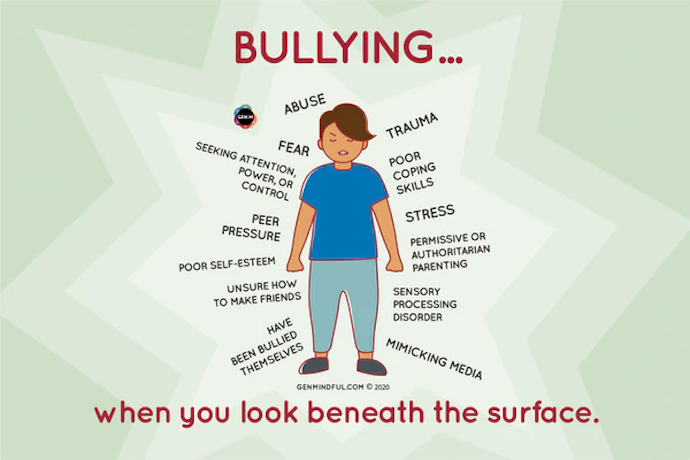
Bullying has become a critical issue affecting children across all age groups and backgrounds. In this article, you’ll discover essential facts about bullying, from its various forms to practical steps for intervention and support.
This guide equips you with vital knowledge to:
- Identify warning signs of bullying behaviour
- Understand the impact on children’s mental and physical well-being
- Learn effective strategies to support affected children
- Take appropriate action when bullying occurs
Did you know that 1 in 5 high school students experience bullying at school? This statistic highlights the urgency of addressing this issue. Recognizing bullying patterns early can make a significant difference in a child’s life, whether you’re a parent, educator, or concerned adult.
By the end of this article, you’ll have practical tools to identify bullying situations, understand their effects, and know exactly how to respond when a child needs help.
What is Bullying?
Bullying is a pattern of unwanted aggressive behaviour that involves an imbalance of power, whether real or perceived. When a student or group uses their strength, popularity, or access to information to control, harm, or manipulate others, they are engaging in bullying behaviour.
Common Types of Bullying:
1. Physical Aggression
- Hitting, kicking, pushing
- Tripping, shoving
- Damaging personal property
- Taking or breaking belongings
2. Verbal Abuse
- Name-calling and insults
- Taunting or teasing
- Hate speech
- Threatening remarks
3. Social Exclusion
- Spreading rumours
- Intentional isolation
- Public humiliation
- Encouraging others to reject someone
4. Cyberbullying
- Online harassment
- Sharing embarrassing content
- Creating fake profiles
- Sending threatening messages
Recent statistics reveal the concerning prevalence of bullying in schools:
- 1 in 5 high school students report being bullied on school property.
- LGBTQ youth face particularly alarming rates, with 40% experiencing bullying at school.
- Female students (30%) experience higher rates of bullying compared to male students (19%).
Cyberbullying is an increasing challenge across all age groups:
- Middle schools report the highest rates at 33%.
- High schools follow closely with a rate of 30%.
- Even elementary schools are not exempt, with 5% reporting cases of cyberbullying.
Recognizing the Warning Signs of Bullying
Spotting the signs of bullying early can help prevent long-term negative impacts on a child’s well-being. Here are key indicators to watch for:
Behavioural Changes
- Sudden reluctance to go to school or participate in activities
- Increased anxiety, particularly before social events
- Signs of depression or mood swings
- Changes in eating habits or sleep patterns
- Self-destructive behaviours like running away or self-harm
Physical Indicators
- Unexplained bruises, cuts, or scratches
- Torn or damaged clothing
- Missing personal items or money
- Frequent complaints of headaches or stomach aches
- Asking for extra money or stealing
Academic and Social Signs
- Declining grades or loss of interest in schoolwork
- Avoiding social situations or group activities
- Lost or destroyed school materials
- Sudden changes in friendship groups
- Making excuses to skip school events
These warning signs can manifest differently in each child. Some might display multiple indicators, while others show subtle changes in their daily behaviour.
Effects of Bullying
Bullying creates deep wounds that extend far beyond the schoolyard. Students who experience bullying often struggle with immediate mental health challenges, including:
- Severe anxiety attacks
- Clinical depression symptoms
- Declining grades and test scores
- Difficulty concentrating in class
- Loss of interest in favourite activities
The long-term impact can persist into adulthood, affecting both victims and perpetrators:
For Victims:
- Chronic low self-esteem
- Post-traumatic stress disorder (PTSD)
- Trust issues in relationships
- Higher risk of substance abuse
For Perpetrators:
- Increased likelihood of criminal behaviour
- Difficulty maintaining healthy relationships
- Problems with anger management
- Higher rates of domestic violence
Bullying also creates a toxic school environment that affects the entire student body. Research shows schools with high bullying rates experience:
- Lower academic achievement across all grade levels
- Increased student absenteeism
- Reduced participation in school activities
- Higher teacher turnover rates
- Weakened sense of community and trust
These ripple effects can impact the broader community, decreasing parent involvement and strained relationships between families and school administrators.
The Role of Parents in Addressing Bullying
Parents play a vital role in helping children navigate bullying situations. You can create a safe environment for your child by establishing regular check-ins about their day, friendships, and feelings. Listen without judgment when your child shares experiences, and avoid immediate reactive responses that might discourage future conversations.
Key actions parents can take:
- Maintain open-door communication by asking specific questions about school life
- Create dedicated time for one-on-one conversations without distractions
- Practice active listening – give full attention and validate their feelings
- Share age-appropriate stories about handling difficult social situations
Your child needs to hear that bullying is never their fault. Reinforce this message by saying: “I believe you” and “I’m here for you.” Build their confidence by:
- Praising their courage in speaking up
- Highlighting their unique strengths and qualities
- Teaching them to set healthy boundaries
- Demonstrating respectful behaviour in your relationships
Model positive social interactions at home and in public. Your actions shape how your child learns to treat others and expect to be treated. Role-play different scenarios to help them practice assertive responses to bullying situations.
How Schools Can Help Prevent Bullying
Schools play a vital role in creating safe environments where students can thrive. A zero-tolerance bullying policy sets clear expectations for behaviour and establishes consistent consequences for violations.
Effective school-based prevention strategies include:
- Creating anonymous reporting systems
- Establishing clear procedures for investigating incidents
- Implementing restorative justice practices
- Developing student leadership programs
- Installing security cameras in common areas
Staff training is essential for early intervention. Teachers and administrators need skills to:
- Identify subtle forms of bullying
- Respond appropriately to reported incidents
- De-escalate confrontational situations
- Support students who witness bullying
Peer mediation programs empower students to resolve conflicts constructively. These programs teach valuable skills:
- Active listening
- Problem-solving
- Conflict resolution
- Empathy building
Schools can strengthen their anti-bullying efforts by partnering with parents and community organizations. Regular meetings between teachers, administrators, and families create opportunities to share concerns and develop coordinated responses to bullying incidents.
Responding to Bullying Situations
Teaching children effective responses to bullying empowers them to handle difficult situations safely. Here’s how you can guide them:
Non-Violent Response Strategies:
- Stand tall and maintain eye contact
- Use a firm, clear voice to say “Stop” or “Leave me alone”
- Walk away confidently from the situation
- Stay close to trusted friends and supportive peers
- Practice assertive body language through role-playing
Cyberbullying Response Plan:
- Take screenshots of harmful messages or posts
- Block the bully on social media platforms
- Save all digital evidence of harassment
- Report inappropriate content to platform administrators
- Tell a trusted adult immediately
Bystander Actions:
- Support the targeted person by standing next to them
- Speak up against the bullying behaviour
- Get help from teachers or school staff
- Include isolated students in group activities
- Document incidents with dates and details
Remember to praise children who handle bullying situations appropriately. This positive reinforcement helps build confidence and resilience in facing future challenges.
Reporting Bullying Incidents
Reporting bullying incidents to school authorities creates a documented record and enables swift action. You should:
- Report incidents to teachers, counsellors, or administrators immediately
- Provide specific details about what happened, when, and where
- Request a written record of your report
- Ask about the school’s anti-bullying policy and timeline for response
If the school doesn’t take action within their stated timeline, escalate the matter to:
- School district administration
- Board of education
- State department of education
Students who witness bullying play a crucial role in prevention. Active bystanders can:
- Alert trusted adults about incidents they observe
- Support victims by walking with them between classes
- Document incidents through notes or recordings
- Join anti-bullying programs at school
Schools must maintain confidentiality for students who report bullying. This protection encourages more students to speak up when they see or experience harassment, creating a safer environment for everyone.
Seeking Professional Help for Emotional Impact
The emotional scars of bullying can run deep, requiring professional intervention to heal properly. You’ll want to seek professional help if your child shows these signs:
- Persistent sadness or anxiety lasting more than two weeks
- Changes in eating or sleeping patterns
- Withdrawal from activities they once enjoyed
- Expressing thoughts of self-harm
- Declining academic performance
School Support
Your first step should be consulting your child’s school counsellor, who can provide immediate support and monitor your child’s well-being during school hours. School counsellors offer valuable insights into your child’s social interactions and can implement targeted support strategies.
Medical Assessment
A paediatrician’s assessment helps rule out physical health impacts and provides referrals to mental health specialists if needed.
Specialized Therapy
Child therapists offer specialized support through:
- Cognitive Behavioral Therapy – Helps children develop coping strategies
- Play Therapy – Allows younger children to express feelings through play
- Group Therapy – Connects children with peers who share similar experiences
Remember that seeking professional help isn’t a sign of weakness – it’s a proactive step toward your child’s emotional recovery and long-term well-being.
Utilizing Resources for Further Support
StopBullying.gov provides comprehensive resources for parents, educators, and students. Detailed guides, prevention strategies, and state-by-state anti-bullying laws are on their platform.
The CDC offers research-based information through their Violence Prevention Resources:
- Bullying prevention strategies
- Data and statistics
- Educational materials for schools
- Community intervention programs
These platforms give you access to:
- Crisis hotline numbers
- Local support group directories
- Anti-bullying program templates
- Training materials for educators
You can stay updated on the latest bullying prevention research and best practices by subscribing to these resources’ newsletters or following their social media channels.
Remember: Knowledge empowers both parents and children in the fight against bullying.
FAQs (Frequently Asked Questions)
What is bullying?
Bullying is defined as unwanted aggressive behaviour that involves a power imbalance. It can take various forms, including physical aggression, verbal abuse (such as teasing or name-calling), social exclusion, and cyberbullying.
What are the warning signs that a child may be experiencing bullying?
Warning signs of bullying in children can include behavioural changes such as increased anxiety or depression, physical signs like unexplained injuries or lost belongings, and academic performance issues alongside social withdrawal.
How can parents support children who are being bullied?
Parents can help by creating a safe space for open communication about bullying experiences, reassuring their children that they are not alone. It is not their fault for encouraging discussions about preventive measures while modelling respectful behaviour.
What role do schools play in preventing bullying?
Schools play a crucial role in preventing bullying by fostering a kind and respectful culture with zero tolerance for bullying. This includes training staff to recognize signs of bullying, implementing peer-mediation programs, and engaging parents and teachers in prevention strategies.
What should be done if someone witnesses bullying?
If you witness bullying, it’s important to save any communications related to cyberbullying, inform adults about the situation, and support the victim by encouraging them to report the incident.
When should professional help be sought for a child affected by bullying?
Professional help should be considered when there are significant emotional or mental health impacts from bullying. Consulting a school counsellor or paediatrician can guide whether therapy options are necessary for ongoing emotional support.