


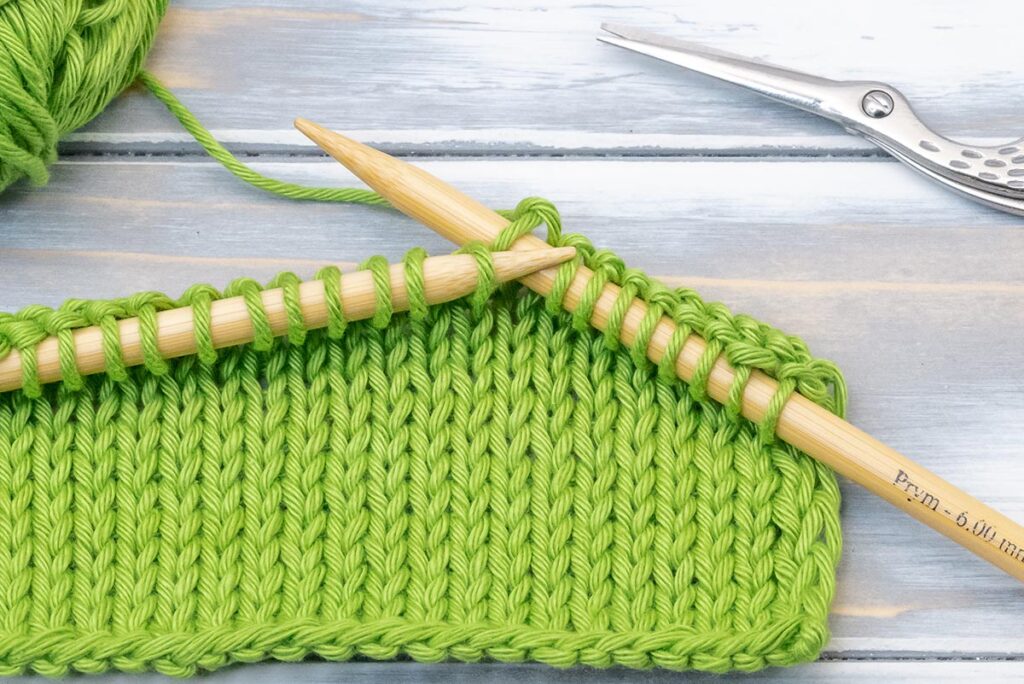
Welcome to the world of knitting. It’s a craft where you make fabric by linking yarn loops with needles. To start, you’ll need some basic things like yarn and needles.
Choosing the right yarn and needles is key. They decide how your project will look and feel. The type you pick will change the texture and size of your work.
For beginners, knowing the basics is important. You’ll learn simple knitting skills. These will help you tackle more challenging projects later.
Key Takeaways
- Understand the basics of knitting and its requirements.
- Learn how to choose the right yarn and needles for your projects.
- Discover beginner knitting techniques to get you started.
- Build a strong foundation for more complex knitting projects.
- Explore the world of knitting and its creative possibilities.
Getting Started with Knitting Basics
Starting your knitting journey is exciting. But first, you need to learn the basics. Knitting takes patience, practice, and understanding the key concepts. You’ll need to know common abbreviations and how to read patterns.
Common Knitting Abbreviations
Knitting patterns use many abbreviations. At first, they might seem confusing. But learning the most common ones will help you with many projects. You’ll see “knit” (K), “purl” (P), “slip” (SL), and “repeat” (REP) a lot. Knowing these is essential for following patterns correctly.
- K: Knit
- P: Purl
- SL: Slip
- REP: Repeat
Reading a Knitting Pattern
Learning to read a knitting pattern is important. Patterns follow a standard format. Start by checking the materials, gauge, and abbreviations. Then, follow the instructions step by step, noting any special notes.
Practice reading patterns and understanding abbreviations with beginner tutorials. With time, you’ll get better at knitting. Simple tips will become easy for you.
Essential Knitting Supplies for Beginners
Starting your knitting journey means getting the right supplies. The right tools can greatly improve your experience, making it easier to start with simple projects.
First, pick the right yarn. You can choose from wool, cotton, or acrylic. Beginners should start with a medium-weight yarn that’s soft and easy to work with. Look for yarns that are labeled as beginner-friendly.
Next, you’ll need knitting needles. You’ll find straight and circular needles. Straight needles are best for flat projects like scarves. Circular needles are better for projects that need to be knitted in the round, like hats. Choose needles that feel comfortable and match your yarn.
You’ll also need some extra tools. These include scissors, a yarn needle for weaving in ends, and stitch markers to mark your place in a pattern.
Having the right supplies is key for beginners. With the right yarn, needles, and tools, you’ll be ready to create beautiful projects.
Mastering Fundamental Knitting for Beginners Techniques
To start knitting, you need to learn the basic techniques. These skills are the foundation of knitting. They open up a world of creativity for beginners. We’ll cover the essential steps and methods to build your knitting skills.
Casting on is the first step in any knitting project. It’s how you start with stitches on your needles. Beginners often use the Long-Tail Cast On and the Knitted Cast On. Both are easy and work well for many projects.
Long-Tail Cast On Method
The Long-Tail Cast On is loved by beginners for its flexibility and neat edge. First, make a slip knot on your needle. Then, measure out yarn for about three times your project’s width. Use your non-dominant hand to make a thumb loop with the yarn.
Insert your needle into the loop and pull the yarn through to make a stitch. Keep doing this until you have the right number of stitches.
Knitted Cast On Method
The Knitted Cast On is simple and great for beginners. It’s about knitting into the previous stitch. Begin with a slip knot on your left needle.
Insert your right needle into the stitch and knit it. But instead of dropping the stitch, put the new stitch back on the left needle. Keep doing this until you have the number of stitches you need.
Learning these casting on methods will boost your knitting skills. You’ll be ready for more complex patterns and projects. Try both methods to see which you like better, or use them as needed.
As you get better, knitting will become more fun and less scary. The secret to getting better is to keep practicing. Start with simple projects and then try harder ones, always remembering the basics.
Essential Knitting Patterns and Techniques
Let’s explore some key knitting patterns and techniques for beginners. Learning these basics will unlock a world of creative possibilities for your projects.
As you practice, simple tips can greatly improve your work. For example, keeping your tension even is key for a consistent fabric.
Creating Stockinette Stitch
The stockinette stitch is a basic pattern that makes a smooth, flat fabric. You knit one row and then purl the next. Keep repeating this until your project is the right length.
Making Garter Stitch Patterns
Garter stitch is another basic pattern. It involves knitting every row. This creates a textured fabric with ridges, perfect for beginners because it’s easy to do right.
When working on these beginner patterns, it’s good to look at knitting tutorials for extra help. Here’s a quick comparison of stockinette and garter stitches:
| Stitch Type | Description | Texture |
|---|---|---|
| Stockinette Stitch | Alternate knitting and purling rows | Smooth, flat |
| Garter Stitch | Knitting every row | Textured with ridges |
By mastering these beginner patterns, you’ll be ready to make many projects. Remember, practice is essential. So, don’t worry if it takes time to get it right.
Your First Knitting Projects
Starting your knitting adventure with easy projects like scarves or hats can be incredibly rewarding. These initial projects allow you to practice basic knitting techniques while creating something useful and fun.
When choosing your first knitting projects, consider the following factors:
- Simple patterns that require minimal shaping
- Projects that use basic stitches
- Items that can be completed quickly to boost your confidence
Some excellent first projects include:
- Scarves: Great for practicing the knit stitch, scarves are long and straightforward to make.
- Hats: Simple hats are quick to knit and make great gifts or personal accessories.
- Blankets: While they may take a bit longer, simple baby blankets are a great way to practice knitting larger items.
| Project | Skill Level | Time to Complete |
|---|---|---|
| Simple Scarf | Beginner | 1-2 weeks |
| Basic Beanie | Beginner | 3-5 days |
| Baby Blanket | Beginner | 2-3 months |
By starting with these easy knitting projects, you’ll be able to build your skills and confidence. This will set you up for success in your knitting journey.
Troubleshooting Common Knitting Mistakes
Learning to fix knitting mistakes is key for beginners. As you practice, you’ll run into errors. But knowing how to fix them is essential for a successful project.
Common problems include dropped stitches, tight knitting, and extra stitches. Here are some tips to help you fix these issues:
- Dropped Stitches: Use a crochet hook to pick up the dropped stitch and work it back up to the needle.
- Tight Knitting: Try relaxing your tension or switching to a larger needle size to achieve a more even fabric.
- Extra Stitches: Carefully count your stitches at the end of each row to catch any extra stitches early.
By following these tips, you’ll be able to fix common mistakes and keep going with your project. Remember, mistakes are part of learning. Fixing them is where you really learn.
Resources and Next Steps
Now that you’ve started knitting, it’s time to learn more. You can find many knitting tutorials for beginners online. Websites like YouTube and Craftsy have lots of video tutorials to help you get better.
Joining online knitting communities is a great idea. Sites like Ravelry or Knitting Help let you connect with other knitters. You can share patterns and learn from their experiences. Moogly and The Spruce Crafts also have beginner patterns for different interests.
As you get better, you’ll find new patterns and techniques you love. Keep practicing and don’t be afraid to try new things. With these resources, you’ll become a skilled knitter, ready for more complex projects and to share your creations.