


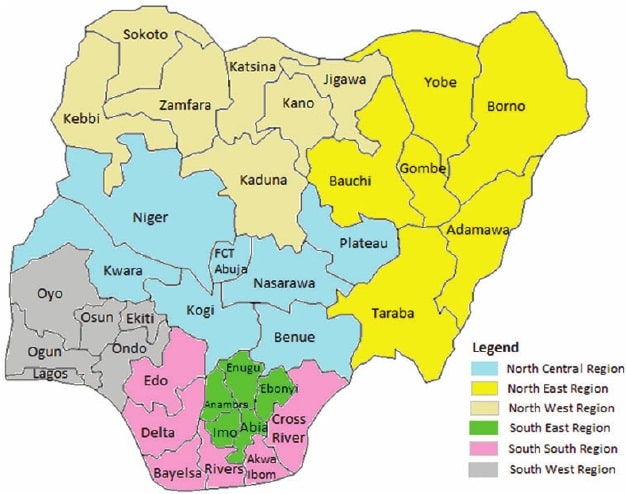
As you explore the rich tapestry of Nigerian history, you’ll discover a nation that has undergone remarkable transformation. From its roots as a British colony to its emergence as Africa’s largest economy, Nigeria’s evolution is a testament to the resilience and ingenuity of its people.
You’ll witness how this diverse country of over 200 million has navigated complex political, economic, and social challenges to forge a unique identity on the global stage. In this article, you’ll journey through the evolution of Nigeria. The pivotal moments that have shaped Nigeria’s past and present, gaining insight into the forces that continue to drive its development and influence its future trajectory.
The Evolution of Nigeria – An Overview
The Evolution of Nigeria is a fascinating journey through time, showcasing the transformation of a diverse and vibrant nation. As you delve into Nigeria’s rich history, you’ll discover a tapestry of cultures, traditions, and political developments that have shaped the country we know today.
From Colonial Rule to Independence
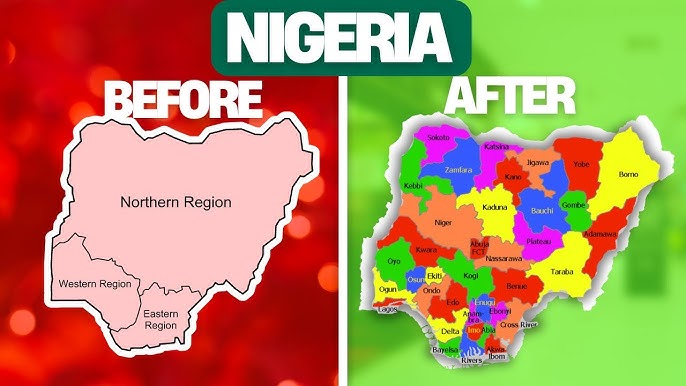

Nigeria’s story begins long before its official formation, but the modern nation truly took shape during the colonial era. You’ll find that British influence played a significant role in unifying various ethnic groups and regions under a single administration. This period set the stage for the country’s eventual independence in 1960, marking a pivotal moment in The Evolution of Nigeria.
Challenges and Triumphs
As you explore Nigeria’s post-independence years, you’ll encounter a mix of triumphs and setbacks. The country faced political instability, military coups, and civil unrest, including the devastating Biafran War. However, Nigeria’s resilience shines through these difficult times, as the nation continued to develop and assert its place on the global stage.
One of the most exciting aspects of The Evolution of Nigeria is its emergence as a cultural powerhouse. From the pulsating rhythms of Afrobeats to the gripping narratives of Nollywood films, Nigeria’s creative industries have captured hearts worldwide. You’ll see how these cultural exports have become integral to the country’s identity and international influence.
Nigeria’s Storied Past: From Ancient Kingdoms to Colonial Rule
The evolution of Nigeria is a tapestry woven from the threads of ancient civilizations, colonial ambitions, and the resilience of its people. As you delve into Nigeria’s rich history, you’ll discover a land shaped by powerful kingdoms and empires that once dominated West Africa.
From Empires to British Rule
Picture yourself walking through the bustling streets of Benin City in the 15th century, marveling at its advanced urban planning and intricate bronze artwork. This was just one of the many sophisticated societies that flourished in pre-colonial Nigeria. The Oyo Empire, Kanem-Bornu Empire, and the Sokoto Caliphate were other major players that left indelible marks on the region’s cultural landscape.
But the tides of history brought change. In the 19th century, British colonizers arrived, forever altering Nigeria’s trajectory. They amalgamated diverse ethnic groups and territories into a single entity, laying the groundwork for the modern Nigerian state.
The Path to Independence
As you fast-forward through time, you’ll witness the growing resistance to colonial rule. Nigerian nationalists, inspired by pan-African ideals, began demanding self-governance. Their efforts culminated in a momentous event: on October 1, 1960, Nigeria gained independence from British rule, marking a new chapter in the evolution of Nigeria.
The Road to Independence: Nigeria’s Struggle for Self-Determination
The evolution of Nigeria is a tale of resilience and determination. As you delve into this fascinating journey, you’ll discover how a diverse collection of ethnic groups and kingdoms transformed into the vibrant nation we know today.
Colonial Rule and Growing Discontent
In the early 20th century Nigeria was under British colonial rule. There was a growing sense of frustration among Nigerians as they yearned for self-governance. The British “indirect rule” system, while efficient for the colonizers, left many feeling disconnected from their own governance.
Rise of Nationalist Movements
As the mid-20th century approached, you’d see the emergence of powerful nationalist movements. These groups, led by charismatic figures like Nnamdi Azikiwe and Obafemi Awolowo, began to demand independence with increasing fervor. Their efforts gained momentum, fueled by a shared vision of a free Nigeria.
The Path to Freedom
The road to independence wasn’t smooth, but Nigerians persevered. Through negotiations, protests, and political maneuvering, they inched closer to their goal. Finally, on October 1, 1960, you’d witness the jubilant celebrations as Nigeria officially gained independence, marking a pivotal moment in the evolution of Nigeria as a sovereign nation.
The Evolution of Nigeria’s Political Landscape
Nigeria’s political journey has been a rollercoaster ride since gaining independence in 1960. You’ve probably heard about the country’s struggles with military rule and corruption, but there’s so much more to the story.
From Military Rule to Democracy
The evolution of Nigeria’s political landscape has been marked by periods of military rule interspersed with attempts at democratic governance. After decades of military dictatorships, Nigeria finally transitioned to a stable democracy in 1999. This shift brought hope for a more representative government and increased civil liberties.
Despite the progress, Nigeria still faces significant challenges. Corruption remains a persistent issue, but you’ll be glad to know that recent administrations have made efforts to tackle this problem head-on. The country has also grappled with regional tensions and security concerns, particularly in the northeast.
As Nigeria continues to evolve, there’s a growing focus on diversifying the economy beyond oil dependence and improving infrastructure. Young Nigerians are increasingly engaged in politics, using social media to demand accountability and push for reforms. While the road ahead may be bumpy, the resilience and determination of the Nigerian people continue to shape the nation’s political landscape.
Navigating Nigeria’s Diverse Ethnicities and Cultures
The evolution of Nigeria is deeply intertwined with its rich tapestry of ethnicities and cultures. As you explore this vibrant nation, you’ll encounter a fascinating mosaic of traditions, languages, and customs that have shaped its identity over centuries.
Nigeria boasts over 250 ethnic groups, each with its unique heritage. The three largest, Hausa, Yoruba, and Igbo, make up about 60% of the population, but don’t overlook the countless smaller groups that add depth to the country’s cultural landscape.
Navigating this diversity can be challenging, but it’s also what makes Nigeria so captivating. You’ll find that many Nigerians are multilingual, effortlessly switching between local languages and English, the official language. This linguistic flexibility helps bridge cultural gaps and fosters unity.
From colorful festivals to mouth watering cuisines, Nigeria’s cultural diversity is on full display in everyday life. You might find yourself dancing at a traditional Yoruba wedding one day and savoring spicy Hausa dishes the next. This cultural intermingling is a testament to the ongoing evolution of Nigeria, where ancient traditions blend seamlessly with modern influences.
The Rise of Nigeria’s Economic Powerhouse
The evolution of Nigeria from a colonial outpost to an economic powerhouse is a testament to the country’s resilience and potential. As Africa’s largest economy, Nigeria has become a force to be reckoned with on the global stage.
Oil Boom and Beyond
Nigeria’s economic ascent began with the discovery of oil in the 1950s. The black gold catapulted the nation into the spotlight, fueling rapid growth and development. However, the evolution of Nigeria didn’t stop there. Recognizing the dangers of over-reliance on a single commodity, the country has been diversifying its economy.
Tech Renaissance
You might be surprised to learn that Nigeria is now home to a thriving tech ecosystem. Lagos, the country’s largest city, has earned the nickname “Africa’s Silicon Valley.” Start-ups are popping up like wildflowers, attracting international investment and nurturing homegrown talent.
Agricultural Resurgence
While oil and tech grab headlines, agriculture remains the backbone of Nigeria’s economy. The sector employs a significant portion of the population and is experiencing a renaissance through modernization efforts and increased government support.
As you can see, the evolution of Nigeria is a multifaceted journey. From oil fields to tech hubs and fertile farmlands, Nigeria is writing a new chapter in its economic story, one that promises a brighter, more diversified future.
Challenges and Triumphs in Nigeria’s Social Transformation
The evolution of Nigeria has been marked by both obstacles and victories. As you delve into the nation’s journey, you’ll discover a tapestry of resilience and progress.
Overcoming Economic Hurdles
Nigeria’s economy has faced its fair share of bumps. From oil price fluctuations to currency devaluations, you’ve seen it all. But here’s the kicker: Nigerians have shown remarkable adaptability. Small businesses are thriving, tech startups are booming, and agriculture is making a comeback. It’s like watching a phoenix rise from the ashes!
Educational Leaps and Bounds
Remember when education was a luxury? Not anymore! The evolution of Nigeria’s educational landscape is nothing short of impressive. You’re witnessing a surge in literacy rates, more girls in classrooms, and universities churning out world-class graduates.
Cultural Renaissance
Nigeria’s cultural scene is exploding with creativity. From Nollywood’s global reach to Afrobeats dominating international charts, you’re at the forefront of a cultural revolution. It’s like the whole world is finally tuning into Nigeria’s frequency, and they can’t get enough of what they’re hearing and seeing.
In the face of challenges, Nigeria’s social transformation continues to inspire and amaze. You’re not just watching history unfold, you’re part of it!
Nigeria’s Evolving Role on the Global Stage
The Evolution of Nigeria has been remarkable on the international scene. As Africa’s most populous country and largest economy, Nigeria has steadily increased its influence in global affairs.
You might be surprised to learn that Nigeria has become a major player in the global economy. With its vast oil reserves and growing tech sector, the country has attracted significant foreign investment. Nigerian startups are making waves, particularly in fintech, catching the eye of international venture capitalists.
Diplomatic Influence
Nigeria’s voice is increasingly heard on the world stage. The country has taken a leadership role in regional peacekeeping efforts and has been a strong advocate for African interests in international forums. You’ll often see Nigerian diplomats at the forefront of discussions on issues like climate change and global trade.
Cultural Soft Power
Nigerian culture is making its mark globally. From Nollywood films to Afrobeats music, you’re likely to encounter Nigerian creative exports wherever you go. This cultural influence has boosted Nigeria’s soft power, enhancing its global image and attracting tourists and cultural enthusiasts from around the world.
As Nigeria continues to evolve, its impact on global affairs is only set to grow. Keep an eye on this dynamic nation, it’s shaping up to be a key player in the 21st century.
The Future of Nigeria: Visioning the Next Chapter
As we contemplate the evolution of Nigeria, it’s clear that this vibrant nation stands at a crossroads of immense potential. You might wonder what lies ahead for Africa’s most populous country. Let’s explore some key areas that could shape Nigeria’s future.
Economic Diversification
Nigeria’s economy has long relied on oil, but the future demands diversification. You’ll likely see a push towards sectors like technology, agriculture, and manufacturing. These industries could become the new pillars of Nigeria’s economic growth, reducing dependency on volatile oil markets.
Technological Advancements
Get ready for a tech revolution! Nigeria’s young, tech-savvy population is driving innovation. From fintech startups to e-commerce platforms, technology is reshaping how Nigerians live and work. This digital transformation could position Nigeria as Africa’s tech hub.
Sustainable Development
As the evolution of Nigeria continues, sustainability will be crucial. You can expect increased focus on renewable energy, urban planning, and environmental conservation. These efforts aim to balance economic growth with ecological responsibility, ensuring a brighter future for generations to come.
Cultural Renaissance
Nigeria’s rich cultural heritage could play a pivotal role in its future. From Nollywood to Afrobeats, Nigerian creativity is captivating global audiences. This cultural soft power might not only boost tourism but also shape Nigeria’s international image and influence.
Frequently Asked Questions
These are some frequently asked questions and answers about the evolution of Nigeria.
How has Nigeria evolved since independence?
The evolution of Nigeria since gaining independence in 1960 has been a journey of growth and challenges. From a newly independent nation to Africa’s largest economy, Nigeria has undergone significant transformations. The country has seen shifts in governance, from military rule to democracy, and experienced economic booms and busts tied to its oil industry.
What major events shaped Nigeria’s development?
Several key events have influenced Nigeria’s path. The discovery of oil in the 1950s reshaped the economy. The tragic civil war from 1967-1970 tested national unity. The return to democracy in 1999 marked a new era of civilian rule. Nigeria has faced security challenges from groups like Boko Haram while also seeing growth in sectors like technology and entertainment.
How has Nigerian culture evolved over time?
Nigerian culture has always been rich and diverse, with over 250 ethnic groups. As the country modernized, traditional practices blended with global influences. Nigerian music, film, and literature have gained international recognition, with Afrobeats and Nollywood becoming cultural exports. The evolution of Nigeria is reflected in its vibrant arts scene, which continues to shape the nation’s identity on the world stage.
Conclusion
As you have seen, Nigeria’s evolution has been a complex journey of triumphs and challenges. From its colonial past to its emergence as Africa’s largest economy, the nation has undergone remarkable transformations. Yet, significant hurdles remain in areas like governance, infrastructure, and socioeconomic development.
As Nigeria continues to evolve, your understanding of its rich history and dynamic present will be crucial. By staying informed about Nigeria’s progress and setbacks, you can better appreciate the country’s unique role on the global stage. The next chapter of Nigeria’s evolution is still being written, and its future holds both great promise and formidable tests.