


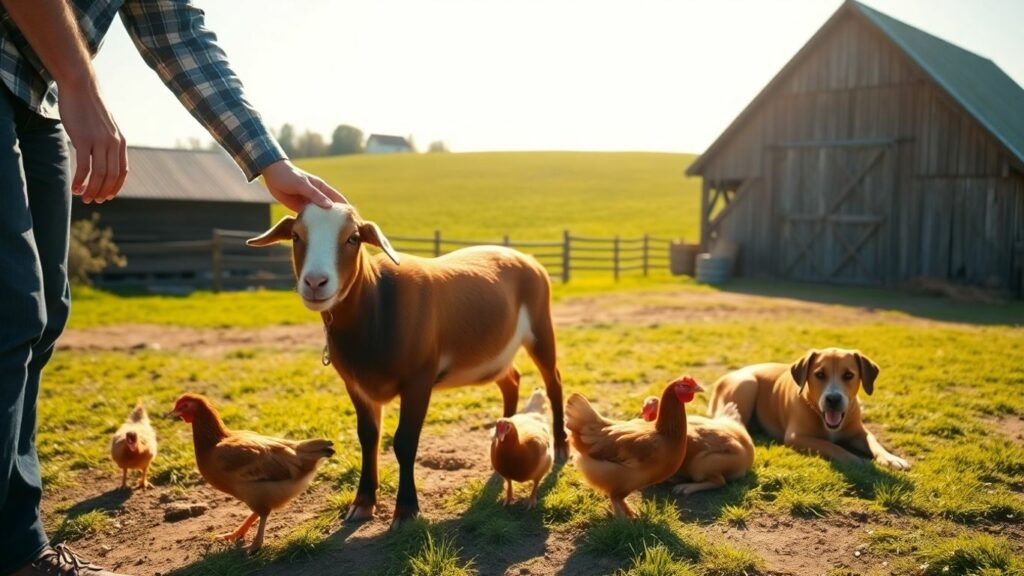
Bringing animals into your life as part of a sustainable living plan is a big step, but it can really change how your place works. It’s not just about having pets; it’s about creating a system where animals help your land and you. When you think about raising animals for sustainable living, you’re looking at a way to make your home more self-sufficient and productive. It’s about working with nature, not against it.
Before you even think about which animal to get, you need to really get what they need to be healthy and happy. This is the first step in making sure they fit into your permaculture setup without causing problems. It’s about creating a good home for them that also benefits your whole system.
- Food: What do they eat? Can you grow some of it, or will you need to buy it? Matching their diet to what your land can provide is key. For example, chickens love to eat bugs that might bother your garden, and if you let them, they can help clear out fallen fruit too.
- Water: Clean water is a must, every single day. Think about how you’ll provide it, especially in winter when it might freeze. A simple pond or a reliable waterer system is important.
- Shelter: Animals need a safe place to sleep and get out of bad weather. This could be a coop, a shed, or even just a well-placed windbreak. Consider if they need to move around or if a fixed shelter works best.
- Space: How much room do they need to move, forage, and just be animals? Overcrowding can lead to stress and disease, and they might damage plants if they don’t have enough space to roam.
- Waste: Animal waste is gold in a permaculture system, but you need a plan for it. Composting is the usual way to turn it into something useful for your soil. This keeps things clean and feeds your plants.
- Companionship: Some animals do better in groups, while others are fine on their own. Knowing if your chosen animal needs friends is part of looking after their well-being.
Picking the right animal is like picking the right tool for a job. You want something that fits your goals, your space, and how much time you have. Not every animal is right for every person or every place. Think about what you want to get out of having animals.
Here’s a quick look at some popular choices and what they offer:
| Animal | Primary Benefits | Considerations |
|---|---|---|
| Chickens | Eggs, pest control, manure, meat | Need coop, protection from predators, can be noisy |
| Ducks | Eggs, pest control (slugs!), manure, meat | Need water source, can be messy, good foragers |
| Rabbits | Manure (great fertilizer!), meat, quiet | Need hutch, reproduce quickly, can be escape artists |
| Goats | Brush clearing, milk, meat, manure | Need secure fencing, can be destructive if bored |
| Sheep | Wool, meat, milk, manure, grazing | Need pasture, shearing, can be prone to parasites |
When you’re starting out with raising animals for sustainable living, it’s often best to begin small. Maybe a few chickens or a couple of rabbits. See how they fit into your routine and your land. You can always add more later once you get the hang of it. The goal is to create a system that works for you and the animals, making your life more sustainable and rewarding.
Farm Animals as Pillars of Sustainable Living
Bringing farm animals into your life is more than just having pets; it’s about building a more self-sufficient and eco-friendly backyard. When you think about homesteading with farm animals, you’re looking at a lifestyle that really taps into the benefits of farm pets lifestyle.
These animals can become key players in making your home more sustainable, helping with everything from soil health to pest control. It’s a way to live that’s kinder to the planet and can be incredibly rewarding.
Leveraging Livestock for Soil Health and Pest Control
Think of your farm animals as tiny, four-legged (or feathered!) soil engineers and pest management teams. Chickens, for instance, are fantastic at scratching through garden beds after harvest, eating up leftover bugs and weeds.
This not only cleans up your garden but also helps prepare the soil for the next planting. Ducks and geese can be great for controlling slugs and snails in your vegetable patches without you needing to use any chemicals. Even the manure from animals like rabbits or chickens, when properly composted, turns into a rich fertilizer that feeds your soil, reducing the need for store-bought options. This kind of natural pest control and soil enrichment is a big part of ethical animal care at home.
Composting Animal Waste for Resource Efficiency
One of the biggest wins with having farm animals is what you can do with their waste. Instead of seeing it as a problem, you see it as a resource. Composting animal manure is a cornerstone of resource efficiency in a sustainable lifestyle.
When you compost correctly, you create a nutrient-rich soil amendment that’s perfect for your gardens and plants. This process turns something that could be a waste product into valuable food for your soil. It closes the loop on your property, meaning you’re using what you have to its fullest potential. This practice is central to eco-friendly backyard animals and a truly sustainable approach to living.
Here’s a simple breakdown of how animal waste becomes garden gold:
- Collect: Gather manure from your animals regularly.
- Combine: Mix manure with carbon-rich materials like straw, dry leaves, or wood chips. Aim for a good balance.
- Compost: Let the pile break down. Turning it occasionally helps speed things up and ensures even decomposition.
- Apply: Once it’s dark, crumbly, and smells earthy, you can add it to your garden beds.
Beyond Pets: Wildlife and Sustainable Ecosystems
When you think about animals on your land, it’s easy to just focus on the ones you’re raising for food or eggs. But a truly sustainable setup looks beyond just your farm animals. It considers the wild creatures that share your space, too. Think of your property not just as a place to grow things, but as a small part of a bigger natural picture.
Creating Habitats for Biodiversity
Making your place welcoming to wild animals is a smart move for a healthy permaculture system. It’s not about attracting pests, but about inviting beneficial insects, birds, and small mammals that help keep things in balance. You can do this in a few simple ways:
- Plant native species: These plants are what local wildlife are used to. They provide the right kind of food and shelter.
- Provide water sources: A small pond, a bird bath, or even a shallow dish of water can make a big difference, especially during dry spells.
- Leave some areas a bit wild: Don’t feel like you have to manicure every inch. A brush pile, a patch of unmown grass, or a corner with fallen leaves can offer homes and food for many creatures.
- Consider nesting sites: Birdhouses, bat boxes, or even just leaving some dead trees standing (if safe) can give wildlife places to raise their young.
It’s about creating a network of resources that supports a variety of life. This diversity makes your whole system stronger and more resilient.
The Role of Wildlife in a Balanced Ecosystem
Wildlife isn’t just window dressing; it plays a real part in how your permaculture system functions. For instance, certain insects pollinate your crops, which is pretty important if you want fruit and vegetables. Others, like ladybugs and lacewings, are natural predators that eat the aphids and other bugs that might want to munch on your plants. Birds can help with pest control too, and even small mammals can help break down organic matter.
Think of it like this:
- Pollinators: Bees, butterflies, and other flying insects are key for many plants to produce fruit and seeds.
- Natural Pest Control: Birds, frogs, spiders, and beneficial insects help keep populations of garden pests in check without you needing to spray anything.
- Seed Dispersal: Birds and some mammals eat fruits and then spread the seeds elsewhere, helping to plant new things.
- Nutrient Cycling: Small creatures help break down dead plant material, returning nutrients to the soil.
By encouraging these wild helpers, you reduce your reliance on external inputs like pesticides and fertilizers. You’re essentially building a self-regulating system where nature does a lot of the work for you. It’s a win-win: you get a healthier garden and ecosystem, and the wildlife gets a safe place to live and thrive.
Frequently Asked Questions
What basic things do animals need to live well on my permaculture farm?
To keep your farm animals happy and healthy, you need to make sure they have enough food and clean water every day. They also need a safe place to sleep and protection from bad weather. Giving them enough space to move around is important too. Thinking about what each animal likes and needs will help you create a good home for them.
How do farm animals make my permaculture system better?
Bringing animals onto your farm can really help your whole system work better. For example, chickens and ducks can eat bugs and weeds, acting like natural pest control. Their droppings are also great for making compost, which feeds your soil and plants. This means you use fewer outside fertilizers and create a more balanced farm.
How do I pick the best animals for my permaculture setup?
When you’re choosing animals, think about your own lifestyle and what you want to achieve. Consider the local weather and what kind of plants grow well in your area. Some animals, like chickens, are good for beginners and provide eggs. Others, like goats, are great for clearing brush. It’s smart to start small and choose animals that fit your goals and the space you have.