


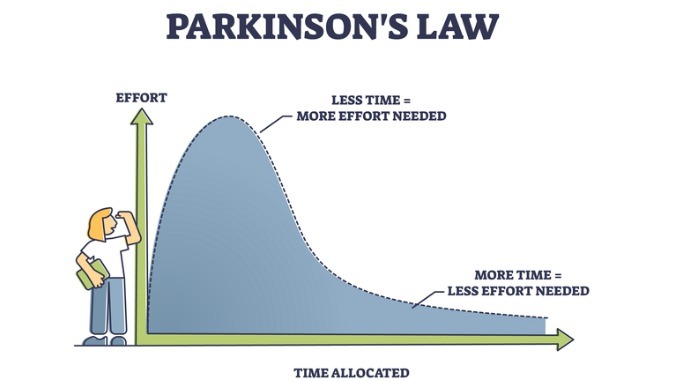
Ever feel like no matter how much time you have, you always end up using all of it to finish a task? That’s Parkinson’s Law in action. Coined by Cyril Northcote Parkinson, this idea says that work stretches to fill the time you give it. If you’ve got a week to do something, it’ll take a week—even if it could’ve been done in a day. This article is about using Parkinson’s Law to get a grip on your time and boost your productivity. Whether it’s setting tighter deadlines or breaking tasks into chunks, there are ways to make Parkinson’s Law work for you.
Key Takeaways
- Parkinson’s Law shows how tasks expand to fit the time available, often leading to procrastination.
- Setting shorter deadlines can help you focus and complete tasks more efficiently.
- Timeboxing and prioritizing tasks are effective methods to combat Parkinson’s Law.
- Breaking work into smaller steps makes it more manageable and less overwhelming.
- Regular reflection and adjustment of your approach can enhance productivity.
What is Parkinson’s Law?
The Origin and Definition of Parkinson’s Law
Parkinson’s Law was first introduced by Cyril Northcote Parkinson, a British naval historian, in a witty essay for The Economist in 1955. He later expanded on this idea in his book, “Parkinson’s Law: The Pursuit of Progress.” The concept is pretty straightforward: work expands to fill the time available for completion. Parkinson illustrated this with the tale of a woman whose simple task of mailing a postcard consumed her entire day. The message is clear—if you give yourself all day to do something, it’ll take all day.
How Parkinson’s Law Affects Productivity
The impact of Parkinson’s Law on productivity can’t be overstated. When we have a task to complete, we often focus on the time available rather than the time needed. This mindset can lead to inefficiency as we stretch tasks out unnecessarily. It’s like when you have a two-week deadline for a project that should only take a day. Instead of finishing it quickly, you might procrastinate, tinker with minor details, or even get distracted by trivial matters. This phenomenon is why deadlines sometimes lead to less productivity rather than more.
Common Misconceptions About Parkinson’s Law
There are a few misconceptions about Parkinson’s Law that are worth clearing up. For one, it’s not about rushing through tasks or cutting corners to finish early. Instead, it’s about being mindful of how much time you need. Another common misunderstanding is that Parkinson’s Law only applies to work. It can affect any area where time management is key, including personal projects or even daily chores. Recognizing these misconceptions can help you better manage your time and avoid the pitfalls of letting work expand unnecessarily.
Applying Parkinson’s Law to Time Management
Setting Realistic Deadlines
When it comes to deadlines, less is more. Giving yourself a tighter deadline can boost productivity. Instead of asking how much time you have, try asking how much you need. This shift in mindset can prevent unnecessary delays and keep you focused on the task at hand. Here’s a simple rule: set deadlines based on the task’s actual needs, not the available time.
The Role of Timeboxing in Efficiency
Timeboxing is a nifty technique for allocating a fixed period to each task. It’s like setting a mini-deadline. This method helps you maintain focus and avoid the trap of work expanding to fill the time. With timeboxing, you set a timer, work until it rings, and then move on—this keeps you on your toes and ensures that tasks don’t drag on.
Prioritizing Tasks for Maximum Impact
Not all tasks are created equal. Identify the ones that will make the biggest difference and tackle them first. This approach, often called the “impact-driven” method, ensures you’re not just busy but productive. Create a list:
- High-impact tasks: These are your top priority. Get them done first.
- Medium-impact tasks: Important but not urgent. Schedule them after the high-impact ones.
- Low-impact tasks: These can wait. Handle them when you have some spare time.
Applying Parkinson’s Law isn’t about rushing through your work. It’s about being smart with your time. You’d be surprised how much more you can achieve when you set boundaries and stay focused.
Using these strategies, you can turn Parkinson’s Law from a productivity killer into a time management ally. Remember, it’s not just about working harder—it’s about working smarter. Parkinson’s law of time management suggests that setting tighter deadlines can lead to more efficient project delivery. So, next time you plan your schedule, think about using these techniques to make the most of your time.
Strategies to Overcome Parkinson’s Law
Breaking Tasks into Manageable Steps
Tackling a big project can feel like climbing a mountain. But if you break it down into smaller, more manageable steps, it becomes much less daunting. Think of it like assembling a puzzle—piece by piece; you see the bigger picture. Focusing on completing each small task creates a sense of progress that keeps you motivated. This approach also helps you stay organized and on track with your deadlines.
Eliminating Distractions for Better Focus
Distractions are the enemy of productivity. Whether it’s the constant ping of notifications or the lure of social media, these interruptions can derail your focus. To combat this, create a workspace that minimizes distractions. Turn off unnecessary notifications and set specific times to check emails or messages. Creating a more focused environment allows you to concentrate better and get your work done quicker.
Reflecting and Refining Your Approach
Taking time to reflect on your work process can be incredibly beneficial. Are you meeting your deadlines? Are there areas where you can improve? By regularly assessing your progress, you can identify what’s working and what isn’t. This reflection allows you to refine your approach, making you more efficient in the long run. Remember, it’s not just about working hard—it’s about working smart.
Reflecting on your strategies not only helps in identifying what works but also opens doors to new ways of improving your workflow.
Using these strategies, you can effectively manage your time and make Parkinson’s Law work for you, not against you. For more practical tips on enhancing task management and productivity, consider setting realistic deadlines as a key strategy.
The Benefits of Using Parkinson’s Law
Achieving More in Less Time
Parkinson’s Law can be a game-changer when it comes to efficiency. When you set tighter deadlines, you push yourself to focus on what’s truly important. This means you can get more done in less time. It’s like magic, but it’s just about cutting out the fluff. You stop wasting time on things that don’t matter and get straight to the point.
By setting clear boundaries on your time, you can achieve a surprising amount in a short period.
Enhancing Work-Life Balance
By using Parkinson’s Law, you can also improve your work-life balance. When you work efficiently, you free up time for other things, like hobbies or family. It’s all about working smarter, not harder. You don’t have to be stuck at your desk all day to get things done. Instead, you can enjoy your life outside work, knowing you’ve been productive.
Boosting Career Success Through Efficiency
Incorporating Parkinson’s Law into your routine can lead to career success. Efficiency is a key factor in climbing the career ladder. When you consistently meet deadlines and produce quality work, people notice. Your reputation as a reliable and efficient worker can open new opportunities. Plus, you’ll feel more confident in your abilities, which is always a plus.
Tools and Techniques to Implement Parkinson’s Law
Utilizing Task Management Software
Task management software is a lifesaver when it comes to keeping everything organized. These tools help you plan your day, set deadlines, and track your progress. They can be especially useful for implementing strategies like the Pomodoro Technique and the Eisenhower Matrix. With features like reminders and notifications, you can keep procrastination at bay and focus on what truly matters.
Incorporating Time Tracking and Analytics
Time tracking tools are fantastic for understanding where your time goes. By analyzing this data, you can identify patterns and make informed decisions about allocating your time better. This practice can reveal surprising insights into your daily routine, helping you adjust your schedule for maximum efficiency. Remember, the goal is to work smarter, not harder.
Creating a Conducive Work Environment
A well-organized workspace can do wonders for your productivity. Start by minimizing distractions—turn off unnecessary notifications and keep your desk clutter-free. Consider using noise-cancelling headphones if you’re in a noisy environment. By creating a space that encourages focus, you’ll find it easier to stick to your schedule and complete tasks within your set time.
Real-World Examples of Parkinson’s Law
Parkinson’s Law in Project Management
Imagine you’ve got a two-week deadline to fix a bug in a software project. Realistically, this task shouldn’t take more than a few hours. But the deadline is two weeks, so the task somehow stretches to fill that entire period. You start by fixing the bug, but then notice other minor issues. You think, “Might as well fix those too,” and before you know it, the project has expanded beyond its initial scope. This is a classic illustration of Parkinson’s Law in action. The time allotted encourages unnecessary expansion of the work.
Case Studies from Various Industries
In construction the Sydney Opera House is a famous example. Originally planned to be completed in four years, it took 14. Similarly, tech companies often push back product launches, like Apple’s delay of the HomePod, claiming they need “a little more time.” These delays often arise because the work expands to fill the time available, leading to prolonged timelines.
Lessons Learned from Successful Applications
Some companies have successfully countered Parkinson’s Law by implementing shorter work weeks. For instance, the software company Basecamp adopted a four-day workweek during the summer. This approach forces employees to focus on essential tasks and eliminate unnecessary ones, proving that less time can lead to more productivity. The key takeaway is that by setting tighter deadlines, you can enhance efficiency and reduce the tendency for work to expand unnecessarily.
“When you give yourself too much time to complete a task, you end up wasting it on trivial matters. But when time is limited, you focus only on what’s truly important.”
In summary, in project management, tech development, or other fields, understanding and applying Parkinson’s Law can lead to more efficient work habits and better time management.
Challenges and Solutions in Using Parkinson’s Law
Overcoming Procrastination
Procrastination can be a real thorn when trying to manage your time. Often, tasks are delayed until the last minute, creating unnecessary stress and subpar results. The trick to beating procrastination is to break tasks into smaller, manageable pieces. This way, you can tackle each part without feeling overwhelmed. Start with the easiest part to gain momentum and gradually move to more complex sections.
Balancing Quality and Speed
Finding the sweet spot between doing a job well and quickly is a common challenge. Rushing can lead to mistakes while taking too long can waste time. Here’s a simple approach:
- Set clear, realistic deadlines for each task.
- Prioritize quality over speed for critical tasks.
- Use feedback loops to ensure quality is maintained without unnecessary delays.
Adapting to Different Work Environments
Different work settings can pose unique challenges when applying Parkinson’s Law. Whether you’re in an office, working remotely, or on the go, it’s important to adapt your strategies accordingly:
- In an office, minimize distractions by setting boundaries with colleagues.
- For remote work, create a dedicated workspace to maintain focus.
- Use apps and tools that help you stay organized and on track when on the move.
Embracing Parkinson’s Law isn’t about rushing through tasks; it’s about making the most of your time. By understanding your work habits and adjusting your approach, you can achieve a balance that works for you. Remember, it’s not just about working harder but working smarter.
Wrapping It Up: Mastering Your Time with Parkinson’s Law
So, there you have it. Parkinson’s Law isn’t just some old theory; it’s a real thing that can change how you handle your time. By setting tighter deadlines and breaking tasks into smaller chunks, you can get more done without feeling like you’re in a constant rush. It’s all about working smarter, not harder. And who doesn’t want a bit more free time to kick back or get ahead on other stuff? Give it a shot; you might just be breezing through your to-do list like never before. Remember, it’s not about cramming more into your day but making the most of your time and happy time managing!
Frequently Asked Questions
What is Parkinson’s Law?
Parkinson’s Law is the idea that work will expand to fill the time available for completion. You might take longer than needed if you have more time to do a task.
How can Parkinson’s Law affect my productivity?
Parkinson’s Law can lead to procrastination and inefficiency. If you have too much time for a task, you might delay starting it or spend more time on it than necessary.
What are some common misunderstandings about Parkinson’s Law?
A common misunderstanding is that Parkinson’s Law means you should rush through tasks. It’s about setting realistic time limits to boost efficiency, not hurrying through your work.
How can I use Parkinson’s Law to manage my time better?
You can use Parkinson’s Law by setting shorter deadlines and breaking tasks into smaller parts. This creates a sense of urgency and helps you focus on completing tasks efficiently.
What are some strategies to overcome Parkinson’s Law?
To overcome Parkinson’s Law, try timeboxing, prioritize tasks, and eliminate distractions. These strategies can help you stay focused and complete tasks within the set time.
Can Parkinson’s Law improve my work-life balance?
Yes, by using Parkinson’s Law to finish tasks more efficiently, you can have more free time, leading to a better balance between work and personal life.