


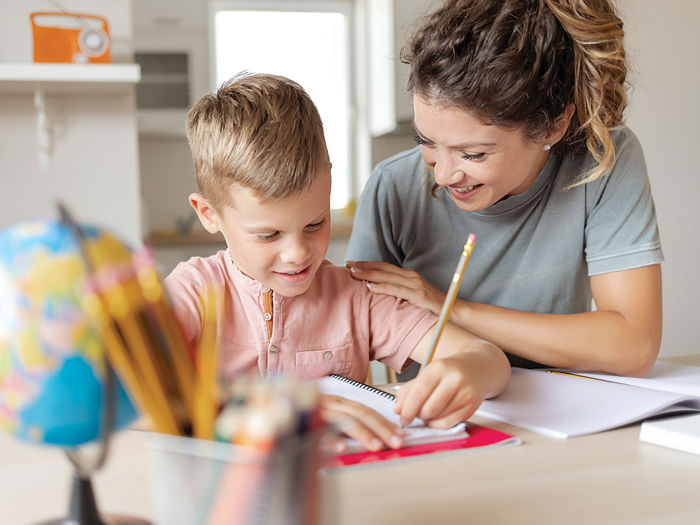
Homeschooling lets parents shape their child’s learning to fit their needs. Finding a balance between schoolwork and life is key on this journey.
Getting homeschooling balance means more than just books. It’s about a full life that includes different studies, experiences, and exposures. Stephanie Oaks says, “A balance in expectations, areas of study, experiences, exposures, and finances is critical for the family as a whole.”
Starting homeschooling can be tough, but it’s a chance to give your child a broad education. It goes beyond what they learn in school.
The Importance of a Balanced Homeschool Approach
A balanced homeschool approach is key for both learning and life skills. It mixes academic skills with life skills. This mix makes your child’s education well-rounded and prepares them for the future.
Short-term Balance Objectives, Long-term Development Vision
Setting both short-term and long-term goals is helpful. Short-term goals might be finishing a project or learning a new skill. Long-term goals could be about growing your child’s independence or getting ready for college.
Managing your expectations is a good homeschooling tip. Determine what needs to be done daily or weekly. Then, figure out how much time it will take, as Stephanie Oaks suggests. This makes a schedule that balances learning and life skills.
By looking at both now and the future, you can make a homeschool plan that works. This plan boosts your child’s learning and teaches them important life skills. Skills like managing time, being disciplined, and being responsible are key.
Assessing Your Current Homeschool Balance
To ensure a well-rounded education, it’s key to check your homeschool balance. Look at both academic and life skills to see where you might need to do better.
Start by looking at your homeschooling methods. Think about how you mix learning with other important parts of your child’s life. Are you doing a good job of balancing schoolwork with life skills?
Academic Skills Checklist
| Skill | Current Level | Needs Improvement |
|---|---|---|
| Reading Comprehension | ||
| Mathematics | ||
| Science |
Life Skills Checklist
| Skill | Current Level | Needs Improvement |
|---|---|---|
| Time Management | ||
| Social Skills | ||
| Problem-Solving |
Misfit Mama Bear Haven suggests using daily tasks as learning chances. For instance, cooking can teach about fractions and measurements. It also helps with independence and responsibility. By mixing schoolwork with real-life activities, you can improve your child’s education.
Keep checking and tweaking your homeschooling plan. This will help keep your child’s learning balanced and well-rounded.
How to Balance Academic and Life Skills in Homeschooling
To make a great homeschooling plan, you need to mix academic subjects with life skills. This mix helps your child do well in school and learn important life skills too.
One good way to mix these is by adding life skills to your homeschooling. For example, you can teach math by doing things like cooking and budgeting.
Math Through Cooking and Budgeting, Science Through Gardening and Home Repairs
Cooking and baking are great for learning math. They help with measuring, fractions, and managing time. When your child helps with meals, they see math in action. For instance, measuring ingredients teaches fractions, and planning meals on a budget teaches about money.
Gardening is also a great way to learn many subjects. It teaches about science like photosynthesis and the water cycle. Plus, it teaches patience, responsibility, and caring for living things.
Home repairs can teach science and problem-solving. By letting your child help with simple fixes, they learn about tools and the need for upkeep.
To add more life skills to your homeschooling, try these ideas:
- Get your child involved in budgeting to teach them about money.
- Use DIY projects to improve problem-solving and thinking skills.
- Have your child help with meal planning and shopping to teach about food and money.
By adding these activities to your homeschooling, you can give your child a well-rounded education. This education will help them succeed in school and in life.
Practical Implementation Strategies
Good homeschooling mixes learning with life skills. To do this, you need smart strategies for both. This way, your child gets a well-rounded education.
Academic Assessment Methods
It’s key to check how your child is doing in school. You can use tests, projects, and quizzes to see how they’re doing.
- Standardized tests show how your child stacks up against others.
- Project-based assessments check if your child can use what they’ve learned.
- Quizzes help spot where your child might need more help.
Life Skills Competency Tracking
It’s also important to track life skills. This makes sure your child grows into a well-rounded person. You can use observation, self-assessment, and projects to check their skills.
| Life Skill | Assessment Method | Competency Level |
|---|---|---|
| Time Management | Observation | Proficient |
| Communication | Self-Assessment Rubric | Developing |
| Problem-Solving | Project-Based Evaluation | Advanced |
Being part of a homeschool group can be great for your child, as Stephanie Oaks points out. These groups offer support and connect you with other homeschool families. They help you learn about the best ways to homeschool.
With the right resources and support, you can make a homeschool plan that fits your child’s needs. This plan will be balanced and effective.
Maintaining Balance Through Different Ages and Stages
As your child grows, their needs and abilities change. You need to adjust your homeschooling approach. It’s important to balance academic skills with life skills at every stage.
Homeschooling can be fun, but it’s also challenging. It’s hard, for example, if you have a job or younger kids to care for. It’s key to adapt your homeschooling to fit your child’s changing needs.
To find homeschooling balance, check your child’s progress often. Adjust your teaching methods as needed. This way, your child will grow into a well-rounded person.
Being flexible and responsive to your child’s needs is key. This way, you can keep a balance that works for your family. It ensures a positive and effective homeschooling experience.
FAQ
How do I know if my homeschooling approach is balanced?
Check if your child is doing well in school and has life skills. Use checklists to see where you need to improve. Then, make changes to balance your homeschooling.
What are some ways to incorporate life skills into my homeschool curriculum?
Use daily tasks like cooking and gardening to teach math and science. Chores can teach responsibility. These activities make learning fun and practical.
How can I manage my expectations and balance different areas of study in homeschooling?
Set goals for short and long term. Prioritize tasks and be flexible. Get help from homeschooling groups and resources to stay on track.
What are some practical strategies for implementing a balanced homeschool approach?
Assess your child’s progress and track their life skills. Use different teaching methods and materials. Seek support from homeschooling communities.
How can I adapt my homeschool approach as my child grows and progresses through different ages and stages?
Be ready to change your curriculum and teaching methods as your child grows. Know their developmental stage and try new approaches.
What are some resources available to support homeschooling families in achieving a balanced approach?
Many resources are available, like online communities and homeschooling conferences. Get advice from experienced homeschoolers and professionals.