


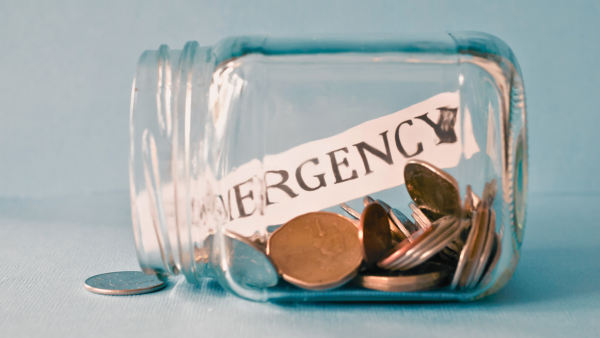
Life throws curveballs, right? One minute you’re cruising along, and the next, your car decides it’s had enough, or maybe you get an unexpected medical bill. These aren’t just minor inconveniences; they can really mess with your finances, especially when you’re on a tight budget.
That’s where an emergency fund comes in. Think of it as your personal financial cushion for emergencies, a safety net to catch you when things go sideways.
Defining Your Emergency Fund Goal
So, what’s the magic number for your emergency fund? The common advice is to aim for three to six months of your living expenses. That sounds like a lot, I know, especially when every dollar counts. But here’s the thing: it doesn’t have to be all or nothing. Your goal is personal. It depends on your income, your responsibilities, and your lifestyle.
- Start Small: If six months feels impossible, aim for something more manageable. Maybe your first goal is just $500, enough to cover a minor car repair or a vet visit. Or perhaps you aim for one month’s worth of essential bills.
- Consider Dependents: If you have kids or others who rely on you financially, you might want to aim higher, perhaps nine to 12 months of expenses. Having a year’s worth of income saved can be a real game-changer when you have people depending on you.
- Assess Your Risk: Consider your job security and overall health. If your income is unpredictable or you have health concerns, a larger fund may provide you with more peace of mind.
Calculating Your Target Emergency Fund Amount
To determine your target, you first need to understand where your money is actually going. Guessing won’t cut it here. You need to track your spending.
- Track Everything: For a month or two, write down every single expense. Yes, even that coffee you grabbed on the go or that subscription you forgot about. You can use a notebook, a spreadsheet, or a budgeting app.
- Identify Non-Negotiables: Review your tracked expenses and highlight the absolute must-pay expenses each month. This usually includes rent or mortgage, utilities, groceries, transportation, and minimum debt payments.
- Calculate Your Baseline: Add up those essential monthly expenses. This gives you a clear picture of your survival number. Subtracting this from your monthly income shows you how much you have left to work with for savings and other goals.
Let’s say your essential monthly expenses total $1,500. If your goal is three months of expenses, your target is $4,500. If you aim for six months, the cost is $9,000. Knowing these numbers makes the goal feel more real and less like a vague, unattainable dream.
Strategies for Building Your Emergency Fund
So, you know you need a safety net, a little something set aside for when life throws a curveball. Building this rainy day fund low income might seem tough, but it’s totally doable. It’s all about being smart with what you have and making small, consistent steps. This isn’t about becoming a millionaire overnight; it’s about creating a buffer so you can handle unexpected expenses without falling into a financial hole.
Tracking Your Spending Habits
Before you can start saving, you need to know where your money is actually going. It’s easy to have a general idea, but when you’re trying to build savings with little money, you need the specifics. For a month, maybe two, really pay attention to every dollar. Seriously, everything.
- Jot it down: Keep a small notebook in your pocket or purse. Write down every single purchase, no matter how small. That coffee, the impulse snack, the bus fare – it all adds up.
- Use an app: There are tons of free apps that can link to your bank account and automatically track your spending. They often categorize things for you, which makes reviewing easier.
- Spreadsheet savvy: If you’re comfortable with computers, a simple spreadsheet can work wonders. List your income and then every expense. You can even set up categories like ‘Groceries,’ ‘Utilities,’ ‘Transportation,’ and ‘Fun Money.’
Once you have this data, look at it honestly. What are your must-haves – rent, food, bills? What’s left over? You might be surprised by how much you’re spending on things you don’t really need. This is the first significant step in determining where you can trim back to start saving.
Setting Realistic Savings Goals
Now that you know where your money goes, it’s time to set a goal. Remember, the whole point of an emergency fund is to prepare for financial emergencies, so don’t aim for something that feels impossible right now. Small wins build momentum.
Here’s a way to think about it:
- Start Small: Forget the three-to-six-month rule for a moment. Can you aim to save $100? Or maybe $500? Having a small amount saved can cover a minor unexpected cost, like a doctor’s copay or a small car repair, and give you a huge confidence boost.
- Percentage Power: If saving a fixed amount feels hard, try saving a small percentage of each paycheck. Even 2% or 5% is a start. If you get paid $1000, saving $20 or $50 is much more manageable than trying to find $500 at once.
- Break It Down: Once you have a target amount (say, $1000) and a timeframe (like six months), break it down further. That’s about $167 a month, or roughly $40 a week. This makes the goal feel much less daunting.
| Goal Amount | Timeframe | Weekly Savings Needed | Monthly Savings Needed |
|---|---|---|---|
| $500 | 6 Months | ~$21 | ~$83 |
| $1000 | 1 Year | ~$19 | ~$42 |
| $2000 | 1 Year | ~$38 | ~$83 |
Whatever you decide, make it a commitment. Treat your savings goal like any other bill that needs to be paid on time. Any amount you put aside for unexpected expenses is progress, and that’s what truly matters when you’re building your emergency fund on a low income.
Maintaining and Utilizing Your Emergency Fund
So, you’ve been putting money aside, little by little, and now you’ve got a decent chunk saved up for those “just in case” moments. That’s awesome! But what do you do with it now? And more importantly, when is it actually okay to use it?
Where to Keep Your Emergency Savings
This is a big one. You want your emergency fund to be safe, yet also easily accessible when you actually need it. You definitely don’t want it tied up somewhere you can’t access quickly, but you also don’t want it so accessible that you’re tempted to use it for a new video game or a weekend getaway.
Here are a few common places people keep their emergency money:
- A separate savings account: This is probably the most popular option. Open a savings account at your bank or credit union that’s just for your emergency fund. It keeps your money separate from your everyday checking account, making it less tempting to spend. Additionally, it’s typically FDIC insured, ensuring your money is protected.
- A money market account: These are similar to savings accounts but might offer slightly higher interest rates. They’re still very safe and accessible.
- Cash: For very small amounts or if you’re in an area with limited banking access, keeping some cash at home may seem like a viable option. However, this comes with risks. Cash can be lost, stolen, or damaged. It’s generally not recommended for larger sums.
Consider what works best for your specific situation. The main goal is to keep it safe and accessible, but not too accessible.
When to Tap Into Your Emergency Fund
This is where things can get a little tricky. An emergency fund is for emergencies, not just for things you want. It’s your financial safety net, designed to catch you when something unexpected happens that you didn’t plan for.
So, what counts? Generally, it’s for things that:
- Are unexpected and unavoidable.
- Would cause significant financial hardship if you didn’t have the funds.
- Are not covered by insurance or other means.
Here are some examples of when you might use your emergency fund:
- Job loss: If you suddenly find yourself out of work, your emergency fund can cover your essential living expenses while you look for a new job.
- Unexpected medical bills: Even with insurance, co-pays, deductibles, or uncovered treatments can add up quickly.
- Urgent home repairs: Your furnace breaks in the dead of winter, or your roof starts leaking badly. These are not things you can put off.
- Car trouble: If your car is your only way to get to work and it suddenly needs a major, expensive repair.
- Family emergencies: Sometimes, you might need to help out a family member who is facing a sudden crisis.
What’s generally not an emergency for your fund?
- Holidays or birthdays.
- Vacations.
- New electronics or furniture you just want.
- Everyday expenses that you could have budgeted for.
If you do have to use your emergency fund, don’t beat yourself up about it. That’s what it’s there for! The most important thing is to start rebuilding it as soon as you can. Treat it like any other savings goal – make a plan and stick to it.