


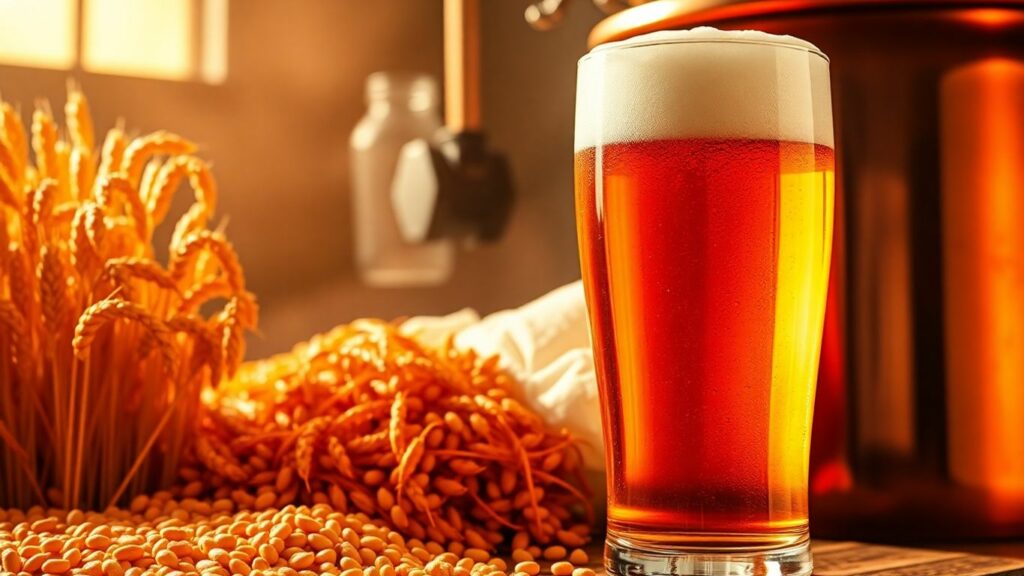
So, you want to know how beer is actually made? It’s a pretty cool process, really. Think of it as a journey from simple grains to that delicious pint you enjoy. This is the heart of understanding beer production, and it’s not as complicated as it might seem. If you’re curious about the steps to brew beer at home or just want to appreciate your favourite craft beer-making guide, this is where it all starts.
Malting: The Foundation of Flavour
Everything begins with the grain, usually barley. Malting is basically waking up the grain. The barley is soaked in water, which encourages it to sprout. Then, it’s dried in a kiln. This drying process is crucial because it not only stops the sprouting but also converts the starches inside the grain into sugars that yeast can utilise later on. The temperature and time in the kiln really affect the colour and taste of the final malt. Darker kilning means darker, richer flavours in the beer. It’s a pretty neat transformation.
Mashing: Extracting Sugars for Wort
Next up is mashing. Here, the malted barley (now commonly referred to as malt) is crushed and mixed with hot water in a large tank. This creates a sort of porridge. The hot water activates enzymes that are already in the malt. These enzymes do the heavy lifting, breaking down the starches in the malt into simpler sugars. The resulting sugary liquid is called wort. The temperature during mashing is super important. If you mash at a lower temperature, you produce more fermentable sugars, which typically result in a drier beer.
Mash hotter, and you produce more unfermentable sugars, resulting in a sweeter, fuller-bodied beer. Brewers often use different temperature rests to achieve the perfect mix of sugars for the specific beer style they’re aiming for. After mashing, the wort needs to be separated from the spent grains. This is called lautering. The grain bed itself acts as a filter, and brewers often rinse the grains with additional hot water (sparging) to extract every last bit of sugar. You have to be careful here, though; sparge too hard, and you can pull out some unpleasant, tannic flavours from the grain husks.
Transforming Wort into Beer
So, we’ve got our sweet, sugary liquid, the wort, ready to go. This is where the real alchemy happens, turning that simple sugar water into something that will eventually become beer. It’s a fairly complex process, and honestly, it’s quite fascinating to consider all the science and art that go into it.
Boiling: Adding Bitterness and Aroma
First up is the boil. This isn’t just about heating the wort; it’s a critical step for several reasons. Think of it as the world’s spa treatment. The heat sterilises everything, killing off any stray bacteria or wild yeast that might have snuck in. It also helps concentrate the sugars slightly by evaporating some water, which is important for achieving the ideal alcohol level later on. And then there are the hops.
This is where they come into play, adding that signature bitterness to balance the malt’s sweetness, as well as all those amazing aromas and flavours we love. Brewers add hops at different times during the boil. Additions early on contribute more to bitterness, while those added later are all about flavour and scent. It’s a real balancing act.
Fermentation: Yeast’s Crucial Role
After the boil, the wort needs to cool down quickly. This is crucial to prevent any unwanted reactions and ensure it reaches the ideal temperature for the star of the show: yeast. Once it’s cooled and perhaps received a little oxygen (yeast needs it to get started, believe it or not!), the wort is transferred to a fermenter. Then, the yeast is added, or “pitched.”
This is where the magic really happens. The yeast gets to work, breaking down those sugars and converting them into alcohol and carbon dioxide. It’s a slow process, taking days or even weeks, depending on the type of yeast and the beer style. Different yeast strains impart different flavours to beer – some produce fruity notes, while others create cleaner tastes. It’s pretty wild how much these tiny organisms can change the final product; the ingredients for making beer really come alive here.
Refining and Packaging the Final Product
So, the beer has gone through fermentation, and now it’s basically beer, right? Well, almost. This is where the real magic happens to make it taste good and get it ready for you to drink.
Conditioning and Maturation: Developing Character
Think of this as the beer’s spa treatment. After fermentation, the beer might taste a bit rough around the edges. Conditioning is all about letting it relax and develop its full potential. Brewers might do a few things here:
- Cold Storage (Lagering): For some beer styles, especially lagers, this means storing the beer at extremely cold temperatures for weeks or even months. It’s like letting a fine wine age. This process smooths out any harsh flavours and makes the beer cleaner tasting.
- Dry Hopping: This process involves adding more hops after the boil, but before fermentation. They toss them into the fermenter or conditioning tank. It doesn’t add much bitterness, but it really amplifies the aroma, giving you those fresh, hoppy scents you might notice in IPAs.
- Barrel Ageing: Some breweries get fancy and put the beer into wooden barrels, often ones that used to hold whiskey, wine, or bourbon. The beer picks up flavours from the wood and whatever was in the barrel before. It can add notes of vanilla, oak, or even a bit of smokiness.
This whole stage is about patience. It’s where the beer goes from being just fermented liquid to something with depth and complexity. You can’t rush it, or you’ll end up with a beer that’s just okay, not great.
Packaging: The Final Frontier
Alright, the beer is finally ready. Now it needs to reach you without spoiling. This is packaging, and there are a few ways breweries do it:
- Bottling: This is pretty standard. Beer is filled into glass bottles. Sometimes, a small amount of sugar or yeast is added before sealing, which creates a natural carbonation inside the bottle. It’s like a little party happening right in the bottle.
- Canning: This has become super popular, especially with craft breweries. Cans are great because they block out light (which can make beer taste skunky) and are really good at retaining the carbonation. Plus, they’re lighter and easier to transport.
- Kegging: For bars and restaurants, beer goes into kegs. These are usually pressurized with carbon dioxide (CO2) to keep the beer fresh and give it its fizz. It’s the most common way to serve beer on tap.
Each method has its own little quirks and costs. Cans and bottles are for individual servings, while kegs are for serving many people at once. No matter how it’s packaged, the goal is the same: get that delicious beer from the brewery to your glass in the best condition possible. It’s the last step, but it’s a big one!
Frequently Asked Questions
What are the main ingredients used to make beer?
Beer is mostly made from just four things: water, malt (which comes from grains like barley), hops (which give beer its bitter taste and smell), and yeast (a tiny living thing that turns sugar into alcohol).
What is ‘wort’ and how is it made?
Wort is the sweet, sugary liquid created before yeast is added. Brewers make it by mixing crushed malted grains with hot water. This process, called mashing, helps the natural enzymes in the malt turn starches into sugars, which the yeast will later eat.
Why are hops important in beer making?
Hops are like the spice of beer! They add that slightly bitter taste that balances the sweetness from the malt. Hops also give beer its wonderful smells, ranging from flowery to piney, and they help keep the beer fresh for longer.