


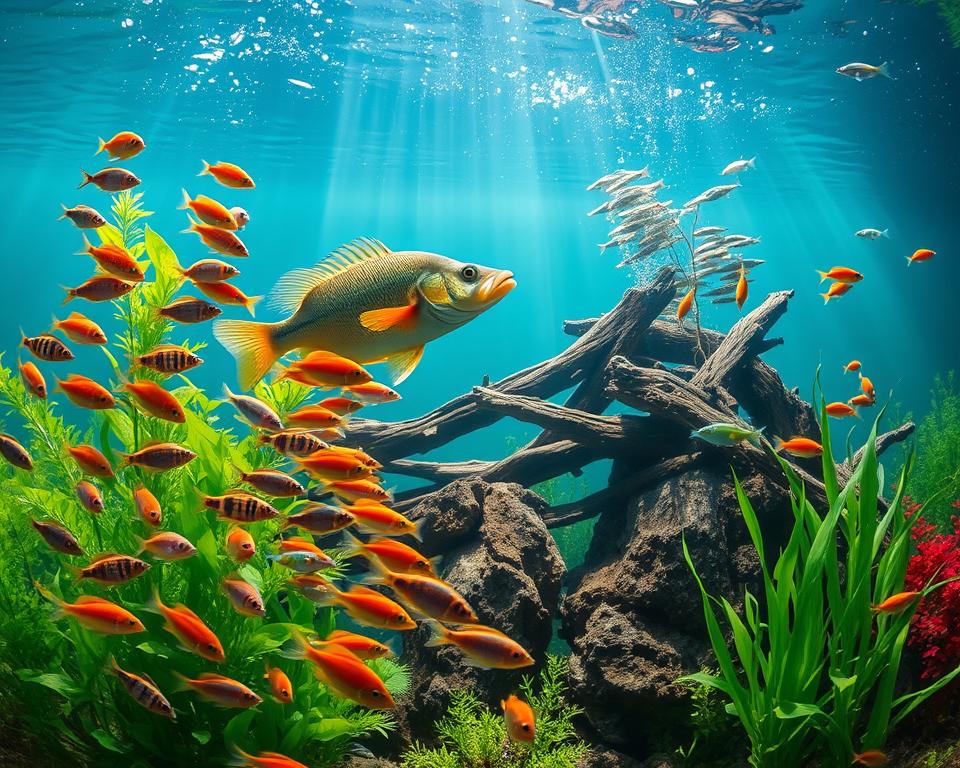
Starting your journey in freshwater fishing can be both thrilling and daunting, especially for newcomers. With so many fish species available, selecting the right one is crucial to a successful start.
For beginners, it’s essential to understand the traits and care requirements of various fish. This guide will help you find the top 10 fish ideal for beginners.
Knowing the best fish for beginners can enhance your fishing experience. The following sections provide details about these fish. You’ll learn valuable tips for beginners and where to find the best fishing spots.
Getting Started with Freshwater Fishing
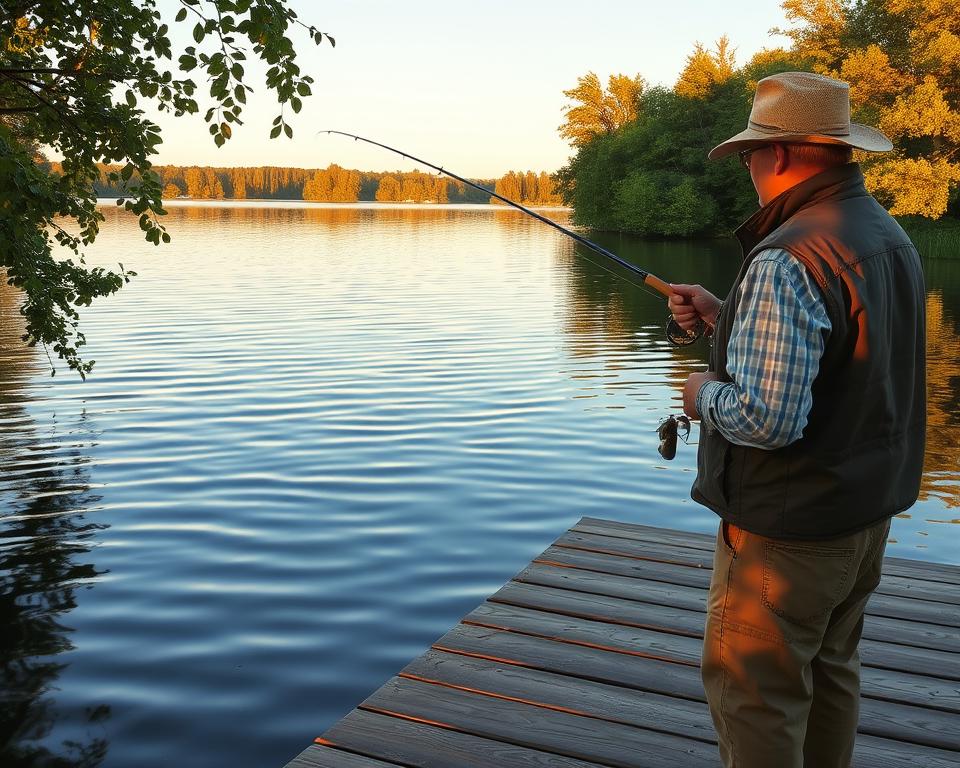
Starting your freshwater fishing journey is exciting. You need to know the basics and what gear to use. This will make your fishing trip both fun and successful.
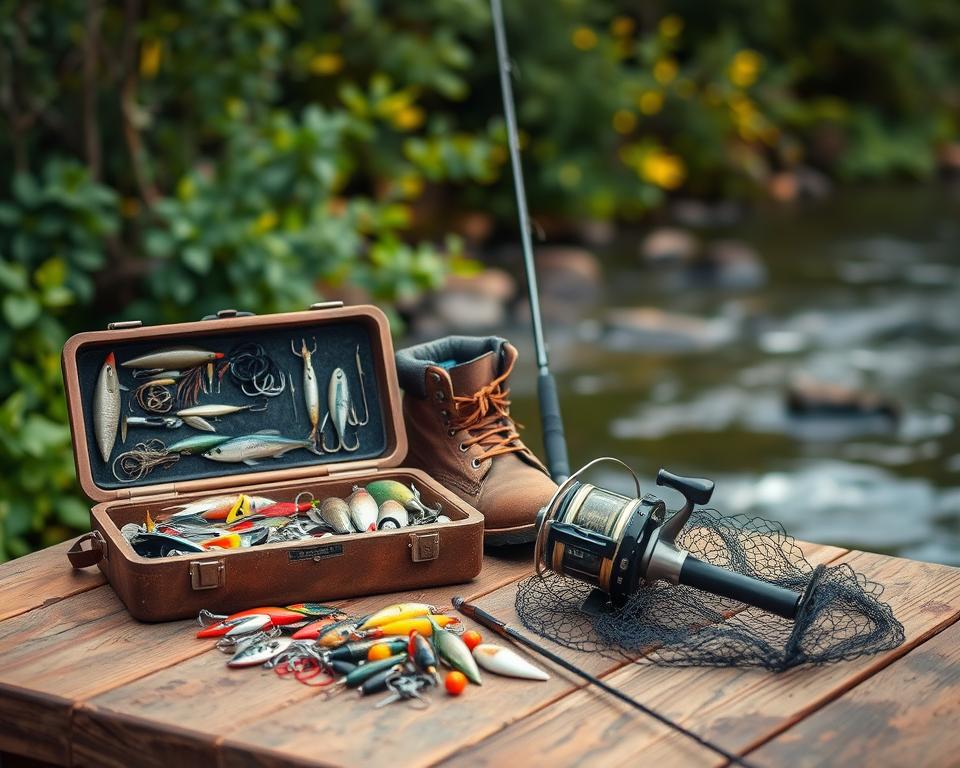
For beginners, getting the right fishing equipment is key. Here are the must-haves:
- A medium-light to medium action spinning or baitcasting rod and reel combo
- Mono-filament or braided fishing line suitable for the target species
- Lures or bait appropriate for the fishing location and target species
- Hooks, sinkers, and bobbers to adjust the presentation
Finding the perfect fishing spot is also vital. Look for areas with features such as rocks, weed beds, or sunken logs. These spots attract many fish species. Knowing the local fish behaviour and habitat will help you catch more fish.
With the right fishing gear and knowledge of freshwater fishing, beginners can have a great time on the water.
What Makes a Fish “Beginner-Friendly”
For those new to freshwater fishing, it’s important to know what makes a fish ‘beginner-friendly’. These fish are hardy, easy to care for, and common. They are perfect for those starting.
When selecting fish for a beginner’s trip, several factors are important. The fish should be easy to care for and hardy. Also, they should be found in local waters.
Choosing fish that are easy to catch and don’t need special knowledge helps beginners. Tips for beginners include picking the right lures and learning basic fishing techniques.
Largemouth Bass: The Perfect Starting Point
Few species are as iconic and beginner-friendly as the largemouth bass in freshwater fishing. This popular game fish is found all over the United States. It’s ideal for beginners to freshwater fishing.
Largemouth bass are known for their aggressive behavior and strong fight. They live in lakes, rivers, and ponds, often near structures like submerged logs or weed beds. Knowing the best fishing spots is key for catching bass.
Beginners can start with basic bass fishing techniques like using spinnerbaits, plastic worms, or live bait like minnows. Paying attention to the time of day and season is also important. These factors can greatly affect bass behavior and activity.
Largemouth bass are a great introduction to freshwater fishing. They offer a mix of accessibility and the thrill of the catch. By learning about their habitats and using effective fishing techniques, beginners can have a rewarding fishing experience.
Bluegill and Sunfish: Abundant and Eager Biters
Bluegill and sunfish are very common and are known to bite aggressively in freshwater. They are great for beginners because they are easy to catch. You can find them in many freshwater places.
Choosing the right freshwater fishing lures is key. Small jigs, tiny spinners, and live bait, such as worms or crickets, work well. It’s essential to present the lure naturally, as these fish can be finicky.
When it comes to fishing tackle, go for something light. A light to ultralight rod and reel combo is best. It helps you feel their light bites. Additionally, using the right fishing equipment, such as a float rig, can help you fish at the optimal depth.
To catch more bluegill and sunfish, look for places with lots of plants or structures. Areas with submerged logs or rocks are good. Knowing their habits and using the right tackle and lures can make your fishing trip fun and successful.
Channel Catfish: Night Fishing Champions
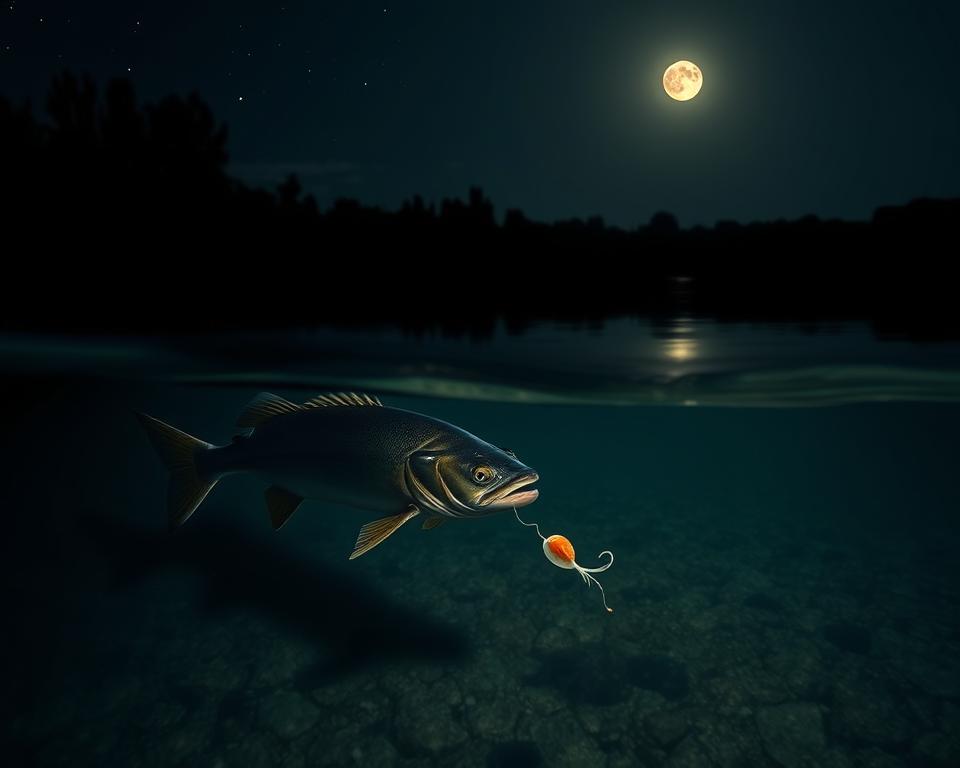
Catching channel catfish is more exciting at night. These fish are most active in the dark. They are a favourite for anglers on freshwater fishing trips, thanks to their nighttime activity.
To catch channel catfish, you need the right fishing gear. Use strong rods, reels with a good drag, and bait like nightcrawlers or chicken livers.
The best places to fish for channel catfish are lakes, rivers, and reservoirs. These spots have lots of cover and structure. Knowing where and how channel catfish live is key for a good night fishing trip.
| Time of Day | Best Bait | Tips |
|---|---|---|
| Night | Nightcrawlers, Chicken Livers | Fish near structure and cover |
| Late Evening | Stink Baits, Fish Guts | Use a slip sinker rig |
| Early Night | Dough Baits, Canned Corn | Fish in areas with submerged logs or rocks |
By using the right techniques and gear, anglers can have a great time night fishing for channel catfish.
Crappie: The Delicious Panfish
Crappie are known for their delicious taste and are a favourite among anglers. They are sought after for their flavour. Crappie fishing is a popular activity in the United States, with many anglers targeting these fish for their culinary value.
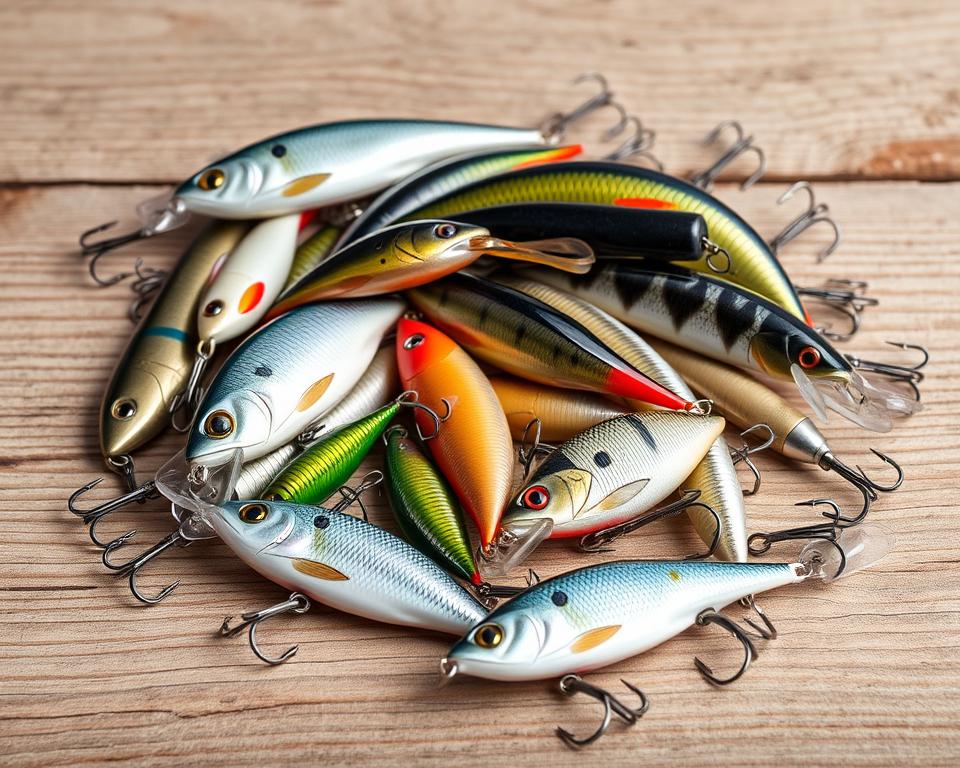
To catch crappie, anglers use specific freshwater fishing lures. Minnows and small jigs work well, best when near submerged structures or vegetation.
While some bass fishing techniques can be applied to crappie, they often require a more subtle approach. The right tackle and presentation are key to enticing these finicky fish.
| Location | Best Time | Effective Lures |
|---|---|---|
| Submerged structures | Early morning | Minnows, small jigs |
| Vegetation-rich areas | Late afternoon | Crankbaits, spinnerbaits |
| Deep waters | Nighttime | Jigs, live bait |
Finding the best fishing spots is essential for a successful crappie fishing trip. Look for areas with submerged logs, rock piles, or dense vegetation. These are often where crappie are most active.
Rainbow Trout: Cold Water Classics
Rainbow trout are a top choice for cold-water fishing. They are known for their bright colors and strong fight. This makes them a favorite among anglers.
Rainbow trout love cold water and can be found in streams, rivers, and lakes. The water temperature typically ranges from 50°F to 60°F. They like areas with rocks and weeds, which help them hide and catch food.
Choosing the right fishing tackle and fishing equipment is key when fishing for rainbow trout. A medium to light action rod with a sensitive tip is best. Lures or baits that look like their natural food, like spinners or flies, can help you catch more.
Some of the top fishing destinations for rainbow trout include:
- Streams and rivers in the Pacific Northwest, known for their pristine cold waters.
- Lakes in the Rocky Mountains, which offer deep, cold environments perfect for trout.
- Tailwaters below dams, where the water is consistently cold and rich in oxygen.
Knowing where rainbow trout live and understanding their behaviour is important. With the right tackle and techniques, fishing for them can be both successful and fun.
Improving Your Freshwater Fishing Success with These Species
Understanding the needs and behaviors of the fish you’re after is key to success. Mastering the right techniques and utilising the right gear can significantly enhance your fishing experience. This makes your experience more enjoyable and successful.
Best Baits and Presentations
Choosing the right bait and presentation is vital for catching fish. For Largemouth Bass, lures that mimic their natural prey work well. Jigs and spinners are favorites among anglers.
For Crappie or Bluegill, finding their habitats is essential. Use small jigs or minnows near structures for the best results. Knowing how the school helps in planning your fishing strategy.
River Fishing Strategies
River fishing is unique, presenting challenges such as currents and varying depths. The right fishing gear, such as sinkers, is crucial. Finding the best fishing spots, like bends or drop-offs, is also important.
Lure Selection and Retrieves
The lure you choose and how you retrieve it can greatly impact your catch. For example, spinnerbaits are great for bass, while soft plastics attract a wide range of species. Try different retrieves to see what works best.
Safety and Handling Precautions
Handling fish safely is critical for their survival. Use barbless hooks and handle them briefly to avoid injury. Knowing local catch limits and size restrictions is also important.
Targeting Trophy Pike
Catching trophy pike requires specific tactics. Use large, sturdy tackle and live bait. Knowing their habitat and ambush points increases your chances.
Jigging and Trolling Basics
Jigging and trolling are excellent methods for covering large areas and catching a variety of species. Using the right freshwater fishing lures and adjusting your technique can significantly boost your success.
Low-Light Fishing Strategies
Fishing in low light can be productive, like for Channel Catfish. Use nightcrawlers or stink baits to attract them. Knowing their nocturnal habits can give you an advantage.
By applying these strategies and tips, you can enhance your freshwater fishing experience. Whether you’re new or experienced, understanding the species and adapting your techniques is key to a great fishing experience.
Taking Your Freshwater Fishing Skills to the Next Level
As you get better at freshwater fishing, you might want to improve further. Getting new fishing gear, like advanced rods or reels, can help. It lets you catch more challenging fish.
Looking intothe top fishing spots can also boost your experience. Exploring different lakes and rivers can introduce you to new fish species. Knowing the best places to fish, whether local or for a trip, can significantly enhance your experience.
Keeping up with new fishing techniques and understanding fish behaviour is important. It makes your fishing trips more successful and fun. Learning about the environment in which you fish also helps.
By acquiring new gear, exploring top fishing spots, and continually learning, you can elevate your freshwater fishing skills. This makes your hobby more rewarding and enjoyable.