


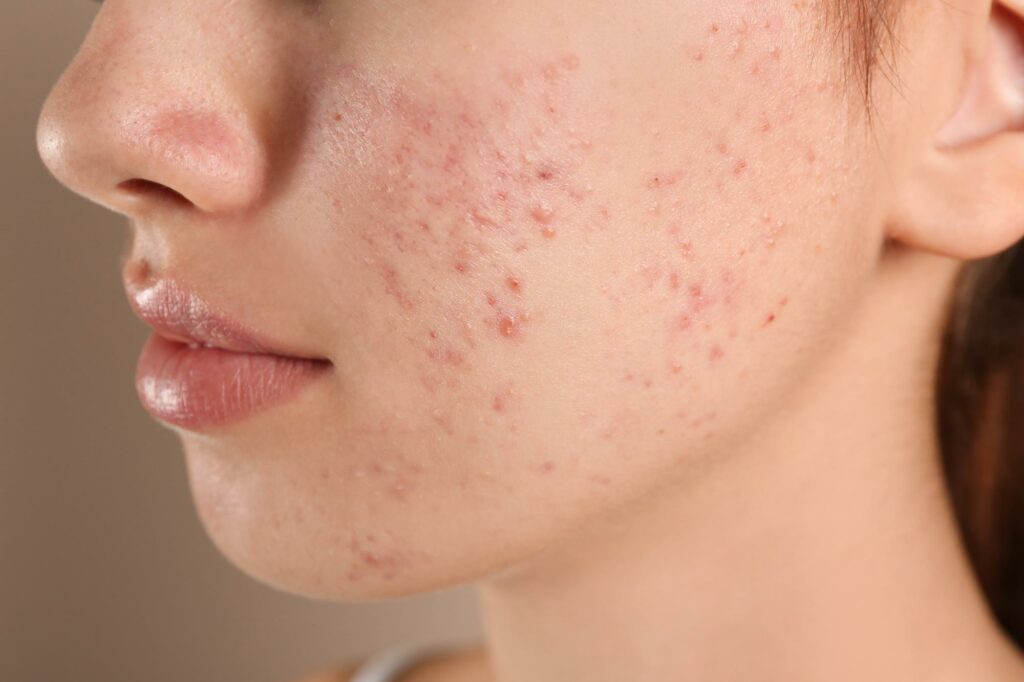
Many people have dealt with acne at some point. You’re not alone in this struggle. Luckily, you can find acne solutions in your own home.
Caring for your skin is more than just the right products. It’s also about making smart lifestyle choices. Adding organic skincare for acne to your daily routine can help. It can make your skin healthier and reduce acne.
Learn how easy natural acne treatment can be. By the end of this article, you’ll know how to manage acne better.
Understanding Acne and Its Causes
Understanding what causes acne is crucial for discovering natural ways to treat it. Acne happens when pores get blocked. This is usually because of sebum, dead skin cells, and bacteria.

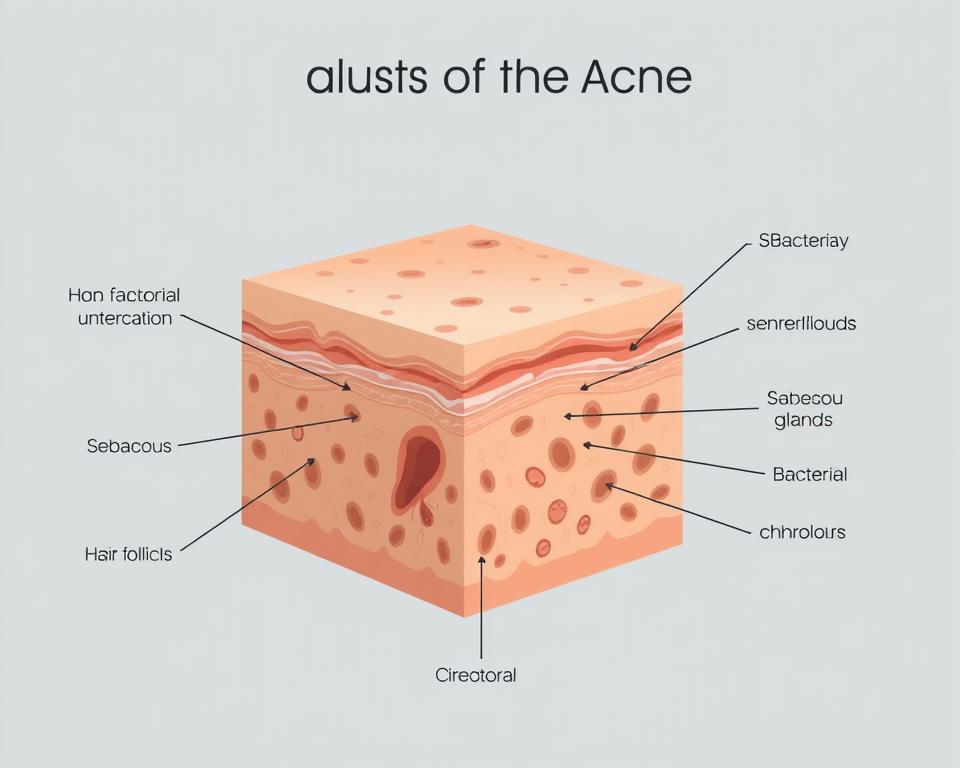
Many things can lead to acne. Hormonal changes, like those during puberty or pregnancy, can make your skin produce more sebum. This extra sebum can block pores.
| Cause | Description | Impact |
|---|---|---|
| Sebum and Dead Skin Cells | Clog pores | Leads to acne formation |
| Bacteria | Infects clogged pores | Causes inflammation |
| Hormonal Changes | Affects sebum production | Increases acne risk |
Understanding these causes helps you identify the most suitable products and treatments. Looking for options that are good for your skin can really help. Tailoring your approach can make a big difference in your skin’s health.
Benefits of Natural Acne Treatment Over Commercial Products
Natural treatments are gentler than commercial acne products. They use ingredients that are effective and safe. This reduces the risk of side effects from harsh chemicals found in many commercial products.
Commercial acne treatments often include benzoyl peroxide and salicylic acid as key ingredients. These can dry out your skin and irritate. Natural treatments, on the other hand, use tea tree oil, aloe vera, and green tea. These ingredients are soothing and promote healthy skin.
Here is a comparison of some common commercial acne treatment ingredients and their natural alternatives:
| Commercial Ingredient | Natural Alternative | Benefits |
|---|---|---|
| Benzoyl Peroxide | Tea Tree Oil | Antibacterial properties without drying the skin |
| Salicylic Acid | Aloe Vera | Soothes and calms the skin while reducing inflammation |
| Retinoids | Green Tea Extract | Antioxidant properties that help in reducing acne and promoting skin health |
Choosing natural acne treatments can save money in the long run. Many natural ingredients are found in your kitchen. This means you don’t have to spend a lot on commercial products. Natural treatments also help keep your skin healthy, which can prevent future breakouts.
By picking the best natural acne treatments, you can have healthier, clearer skin. You won’t have to worry about harsh chemicals. Herbal remedies for acne, such as those containing chamomile and lavender, offer additional benefits. They help you relax and reduce stress, which is good for your skin.
10 Powerful Kitchen Ingredients for Natural Acne Treatment
Holistic acne remedies are just a pantry away. Ingredients like honey and cinnamon can help your skin. They have antibacterial and anti-inflammatory properties.
Here are 10 powerful kitchen ingredients for natural acne treatment:
- Honey
- Cinnamon
- Apple Cider Vinegar
- Aloe Vera
- Turmeric
- Lemon Juice
- Green Tea
- Coconut Oil
- Oatmeal
- Baking Soda
Let’s explore how to use these ingredients for acne treatments.
Recipe for Honey-Cinnamon Spot Treatment
Mix 1 tablespoon of honey with 1/2 teaspoon of cinnamon. This makes a paste. Apply it to acne spots with a cotton swab. Leave it on overnight and rinse with warm water in the morning.
When using apple cider vinegar, mix it with water. Use 1 part ACV to 3 parts water to avoid irritation. Apply it to your face with a cotton pad, but be sure to avoid your eyes.
Creating a Balanced ACV Toner
To make a balanced ACV toner, mix apple cider vinegar with rose water or green tea. This helps maintain your skin’s pH balance while treating acne.
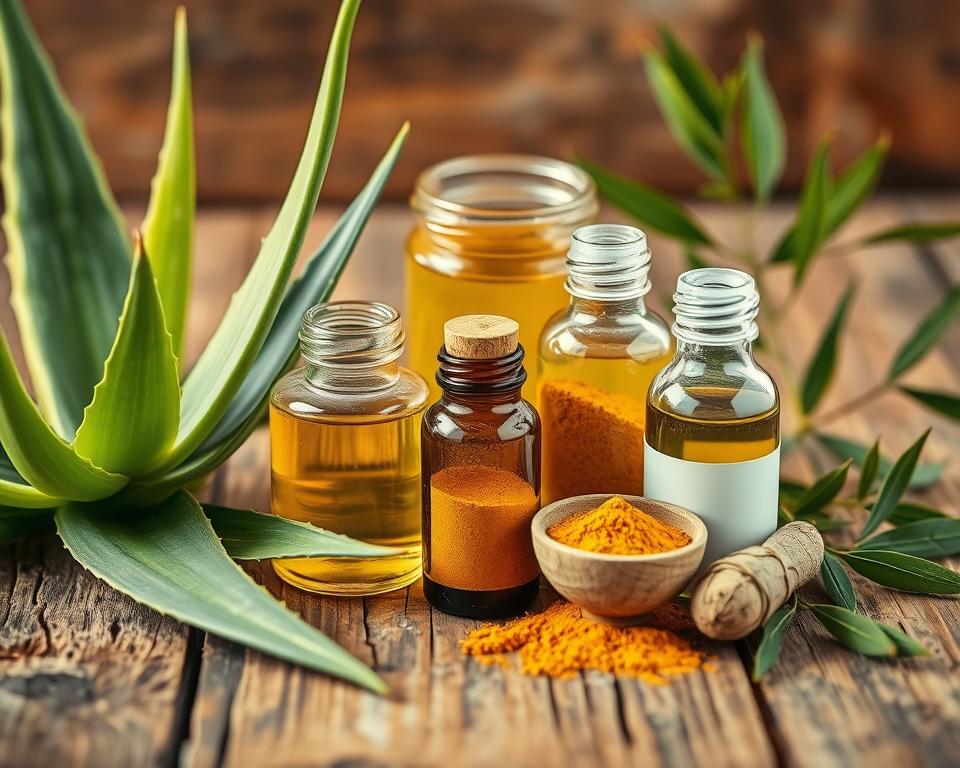
Ingredients such as aloe vera, turmeric, and green tea can be used in various ways. You can apply them as gels, face masks, or toners. They help soothe and heal acne-prone skin.
By incorporating these kitchen ingredients into your skincare routine, you can naturally treat acne. This avoids harsh chemicals found in some commercial products.
Step-by-Step Application Methods for Different Acne Types
To fight acne, knowing its type is key. Use the right natural remedies for each type of condition. Inflammatory acne, blackheads, and whiteheads need different treatments.
For Inflammatory Acne (Pimples and Cysts)
Inflammatory acne includes pimples and cysts. Please treat it with natural items that fight inflammation and bacteria. Start with a warm compress to open pores. Then, use a gentle cleanser.
Next, apply a treatment with tea tree oil. It’s known for its antibacterial powers.
- Cleanse with a gentle, non-comedogenic cleanser.
- Apply a spot treatment with tea tree oil or aloe vera.
- Select a non-toxic acne treatment that contains antioxidants.
For Blackheads and Whiteheads
Blackheads and whiteheads are non-inflammatory acne. Please treat them with exfoliating ingredients and masks. Use a scrub with salicylic acid or alpha-hydroxy acids (AHAs) to clear pores.
- Exfoliate gently once or twice a week.
- Use a clay mask to draw out oil and purify.
- Try herbal remedies like green tea or chamomile for their soothing properties.
Make a deep-cleansing mask with honey, oatmeal, and yoghurt. It soothes and cleanses the skin.
- Mix 2 tablespoons of honey with 1 tablespoon of oatmeal and 1 tablespoon of yogurt.
- Apply the mask for 15-20 minutes.
- Rinse with warm water, then pat dry.
Overnight Treatments for Stubborn Acne
Stubborn acne benefits from overnight treatments. Use a product with sulfur or benzoyl peroxide before bed. These dry out the acne and reduce inflammation.
- Apply a thin layer of the treatment product to the affected area.
- Avoid applying too much to prevent dryness.
- Wake up to clearer skin and reduced acne.
Follow these steps and use the right natural ingredients for different types of acne. This way, you can get clearer, healthier skin. Remember, being consistent and patient is important in treating acne.