


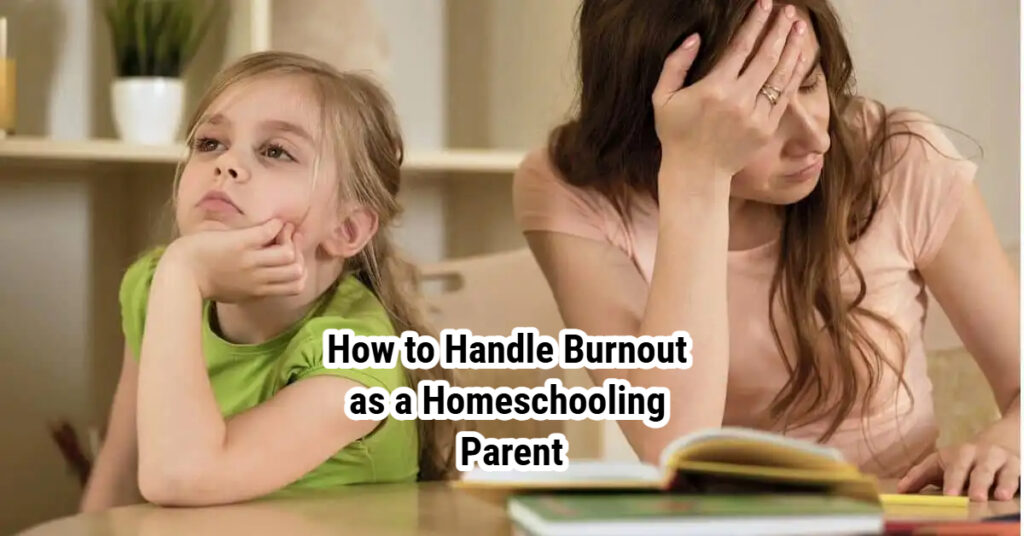
Homeschooling can be both rewarding and exhausting. Many parents feel overwhelmed. You’re not alone in this feeling.
Knowing the signs of burnout is key. When you spot these signs, you can start to fix the problem. This helps keep your homeschooling positive.
Understanding why burnout happens and its effects is important. This knowledge helps you find ways to handle it. It’s vital for your health and your homeschooling success.
Recognizing the Signs of Homeschool Burnout
Burnout is a common challenge many homeschooling parents face. Knowing its signs can help you manage it. It’s important to watch your physical, emotional, and educational well-being.
Fatigue and Sleep Disturbances
One of the first signs of burnout is persistent fatigue. This can feel like exhaustion that doesn’t get better with rest. Sleep disturbances, such as insomnia or excessive sleep, are also signs.
If you’re having trouble waking up or feel tired throughout the day, you might be experiencing burnout.
Frequent Headaches and Tension
Physical symptoms, such as headaches, muscle tension, or stomach problems, can signal excessive stress. Chronic tension can lead to serious health issues if not handled.
| Physical Symptoms | Emotional Signs | Educational Impact |
|---|---|---|
| Frequent headaches | Increased irritability | Inconsistency in lesson planning |
| Sleep disturbances | Loss of enthusiasm | Decreased creativity in teaching |
| Muscle tension | Feelings of detachment | Reduced engagement with the child |
Increased Irritability and Impatience
Burnout can make you more irritable and impatient. This can harm your relationship with your child. If you often snap at your child or feel frustrated, it’s time to take a break.
Loss of Enthuasiasm for Teaching
A big sign of burnout is losing your passion for homeschooling. If things that used to excite you and your child now feel like a chore, it’s time to change your approach.
Inconsistency in Lesson Planning
Burnout can mess up your routine, leading to inconsistent lesson planning. This hurts your child’s learning and adds to your stress.
Decreased Creativity and Engagement
When you’re burnt out, being creative and engaging is hard. Feeling stuck or bored with homeschooling is a sign you need to shake things up.
Recognizing these signs is the first step to managing burnout. By being proactive and utilising effective strategies and tips, you can regain balance. This way, you can continue to provide a supportive environment for your child.
The Root Causes of Homeschooling Burnout
It’s essential to understand why homeschooling burnout occurs. This knowledge helps keep you and your child doing well. Identifying the primary causes of burnout is a significant step.
The Myth of the “Perfect Homeschool Day”
Trying to have a perfect homeschool day can be too much. Parents often want every lesson to go smoothly. But, this dream is not only hard to reach but also bad for your health. Chasing perfection can leave you feeling let down and stressed, ultimately leading to burnout.
Setting Achievable Standards
It’s important to set doable goals. Instead of aiming for the ideal, make a plan that fits your family. Break big goals into smaller steps and be flexible when things change.
When School Never Ends
Homeschooling can make it hard to separate school from personal time. When school feels like it never stops, it’s tough to take a break. It’s key to have clear times for school and personal activities.
Creating Physical and Temporal Separation
Having a special place for learning and set school hours helps. This way, you can avoid feeling like school is always there. It allows you to rest and prepare for the next day.
The Reality Behind Curated Homeschool Posts
Social media often showcases only the positive aspects of homeschooling. It may seem like everything is perfect, but that’s not always the case. Comparing your homeschool to someone else’s perfect picture can make you feel bad about yourself.
Healthy Social Media Consumption Habits
To stay healthy on social media, use it wisely. Spend less time online, follow accounts that show real homeschooling, and join supportive groups. This helps you feel better about your homeschooling journey.
By understanding the primary causes of burnout and developing effective strategies to address them, you can prevent burnout. This helps you and your child succeed in homeschooling.
How to Handle Burnout as a Homeschooling Parent: Immediate Relief Strategies
Homeschooling burnout can feel overwhelming. But, there are ways to find quick relief. Having a set of strategies to help you feel better is key. This way, you can continue to provide a loving and learning space for your child.
Planning Guilt-Free Time Off
One great way to fight burnout is to plan breaks without guilt. Take a day to rest and recharge. Ensure your child understands that this time is for you to relax and prepare again.
Alternative Learning Activities During Breaks
Use your breaks for fun learning activities. Try outdoor games, museum visits, or hobbies together. These activities are fun and educational, making you feel less like you’re slacking off.
Identifying Non-Essential Activities
Review your homeschooling routine and eliminate what’s not necessary. Consider reducing extracurricular activities or simplifying your schedule. This can help lower stress and make things easier.
Creating a Minimalist Curriculum Approach
Choosing a minimalist curriculum can make your work lighter. Focus on the basics and utilise digital tools to aid you. This approach makes homeschooling less stressful and more manageable.
| Curriculum Element | Traditional Approach | Minimalist Approach |
|---|---|---|
| Core Subjects | Multiple textbooks and workbooks | Focused online resources and a few key textbooks |
| Extracurricular Activities | Multiple activities per week | One or two activities per week |
Age-Appropriate Student Independence
Encourage your child to be more independent. This helps you and teaches them to learn independently. It’s a win-win for both of you.
Online Resources and Virtual Classes
Utilise online tools and virtual classes for additional support. They offer structured lessons and fun learning experiences. This gives you a break and introduces your child to new ways of learning.
By employing these strategies, you can better manage homeschooling burnout. You’ll create a more enjoyable and sustainable learning environment for you and your child.
Implementing Sustainable Self-Care Practices
Adding sustainable self-care to your daily routine can help prevent burnout as a homeschooling parent. Self-care is essential for maintaining the health of your body, mind, and heart.
Let’s explore some simple ways to incorporate self-care into your life.
Morning Rituals Before School Begins
Starting your day with a special routine can set a positive mood. You might:
- Enjoy a quiet cup of coffee or tea
- Practice meditation or deep breathing
- Read something that lifts your spirits
These moments of calm help you feel ready for the day.
Micro-Breaks Throughout the Day
Short breaks can refresh you. Try:
- Going for a quick walk outside
- Stretching a bit
- Listening to your favorite tunes
These breaks can lower stress and boost your focus.
Learning to Say No Without Guilt
It’s easy to overcommit as a homeschooling parent. Saying no without guilt is important. Remember, saying no to others means saying yes to yourself.
Communicating Your Needs Effectively
Telling your family what you need is key. Be clear about what helps you stay well, like help with chores or time for yourself.
Scheduling Non-Negotiable “Me Time”
Make self-care a must-do part of your daily or weekly routine. Whether it’s reading, taking a bath, or doing a hobby, make sure you have time for activities that nourish you.
Reconnecting with Pre-Homeschooling Passions
Homeschooling can take over, but it’s essential to maintain old hobbies. This helps you stay true to yourself and avoid burnout.
By using these self-care tips, you can manage homeschooling more effectively and maintain your well-being. Remember, taking care of yourself is not selfish; it’s essential. It’s necessary to be the best parent and teacher you can be.
Building a Support System to Prevent Future Burnout
Creating a support system is crucial to maintaining your well-being as a homeschooling parent. It helps you share tasks, learn new things, and avoid feeling isolated. This isolation often leads to burnout.
Finding Your Homeschool Tribe
Connecting with other homeschooling families is important. It gives you emotional support, practical tips, and a sense of belonging. Look for local groups or online forums to share and learn.
Virtual and In-Person Support Groups
Support groups come in two forms: virtual and in-person. In-person groups offer face-to-face meetings and activities. Virtual groups are flexible and reach a wider audience.
Dividing Teaching Responsibilities
Sharing teaching duties with your partner or family members can ease your workload. It helps manage daily tasks and brings different teaching styles to your homeschool.
Creating Family Teaching Schedules and Sharing the Teaching Load
Creating a family teaching schedule helps organize and share teaching duties. This way, no one person carries the whole load, preventing burnout.
Specialized Classes and Extracurricular Activities
Putting your kids in specialized classes or activities gives them unique learning chances. It also gives you a break. These activities help with social skills and personal growth.
By employing these strategies, you can establish a robust support system. It makes homeschooling better and helps prevent burnout. Remember, you’re not alone; many resources and communities are here to help.