


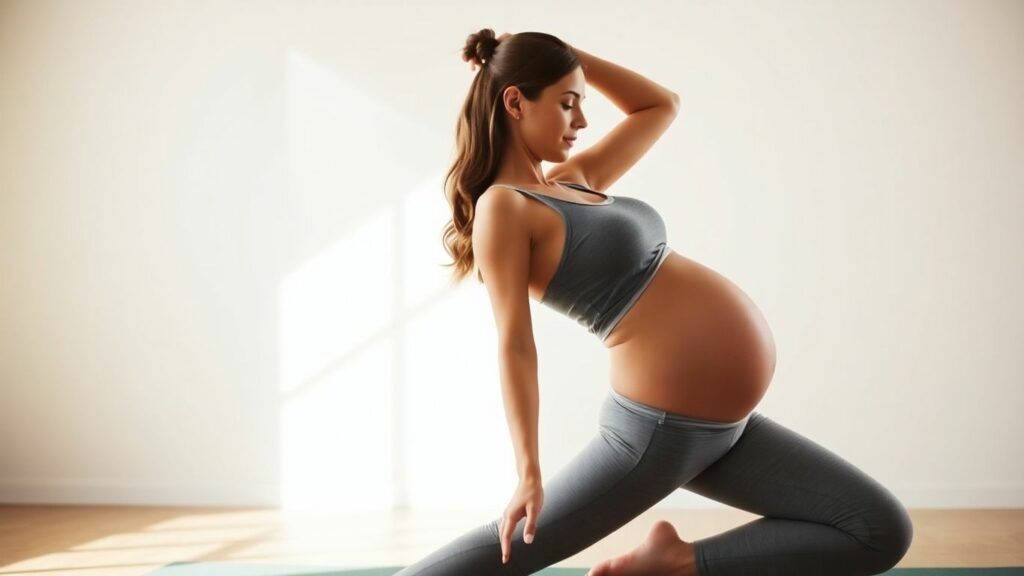
Prenatal yoga is a special kind of yoga made just for expecting parents. It’s all about moving your body gently and safely while you’re pregnant. Think of it as a way to stay active, feel better, and get your body ready for labor and delivery. It’s not about pushing yourself; it’s about listening to what your body needs as it changes.
This practice combines modified yoga positions, breathing exercises, and relaxation techniques. The focus is always on supporting your changing body, especially your hips, back, and pelvic floor muscles. It’s a way to connect with your baby and prepare for the amazing journey ahead.
Key Features of Prenatal Yoga Practice
What makes prenatal yoga different from regular yoga? A few things really stand out:
- Adjustments for Each Trimester: The poses are changed to fit how your body is feeling and what it needs as your pregnancy progresses. What works in the first trimester might be different in the third.
- Breathing Focus: You’ll spend a lot of time paying attention to your breath. Deep, calm breathing helps you relax, reduces stress, and makes sure you and your baby are getting enough oxygen.
- Pelvic Floor Work: Specific movements help strengthen and also relax your pelvic floor muscles. This is super important for labor and for recovering afterward.
- Mindfulness and Calm: The practice encourages you to be present and aware. This helps ease any worries or anxiety you might be feeling and helps you feel more connected to your baby.
Prenatal yoga is usually slower-paced. The main goals are comfort, safety, and being aware of your body. Props like pillows, blankets, and yoga blocks are often used to make poses more comfortable and accessible.
Benefits of Prenatal Yoga Poses
Practicing yoga while pregnant offers a lot of good things, both for your body and your mind. The benefits of prenatal stretching and these specific yoga positions expectant mothers can do are pretty wide-ranging.
Physical Perks:
- Eases Discomfort: It can really help with common pregnancy aches like back pain, hip tightness, and swelling in your legs and feet.
- Builds Strength: It helps make your hips, legs, and core stronger, which is great preparation for labor and for taking care of a newborn.
- Better Balance: As your center of gravity shifts, yoga helps you adjust, reducing strain on your back and pelvis.
- Improves Circulation: Gentle movements help blood flow better and can reduce swelling.
Mental and Emotional Perks:
- Stress Relief: The breathing techniques are fantastic for lowering stress and helping you feel more grounded.
- Better Sleep: Gentle poses, especially towards the end of the day, can help you relax and sleep more soundly.
- Boosts Confidence: It helps you trust your body’s ability to handle birth and motherhood.
Prenatal Yoga Poses By Trimester
Pregnancy is a journey with distinct phases, and your yoga practice can adapt right along with it. Understanding trimester specific pregnancy yoga means tuning into what your body needs at each stage. It’s not about pushing limits, but about supporting yourself and your growing baby safely and comfortably.

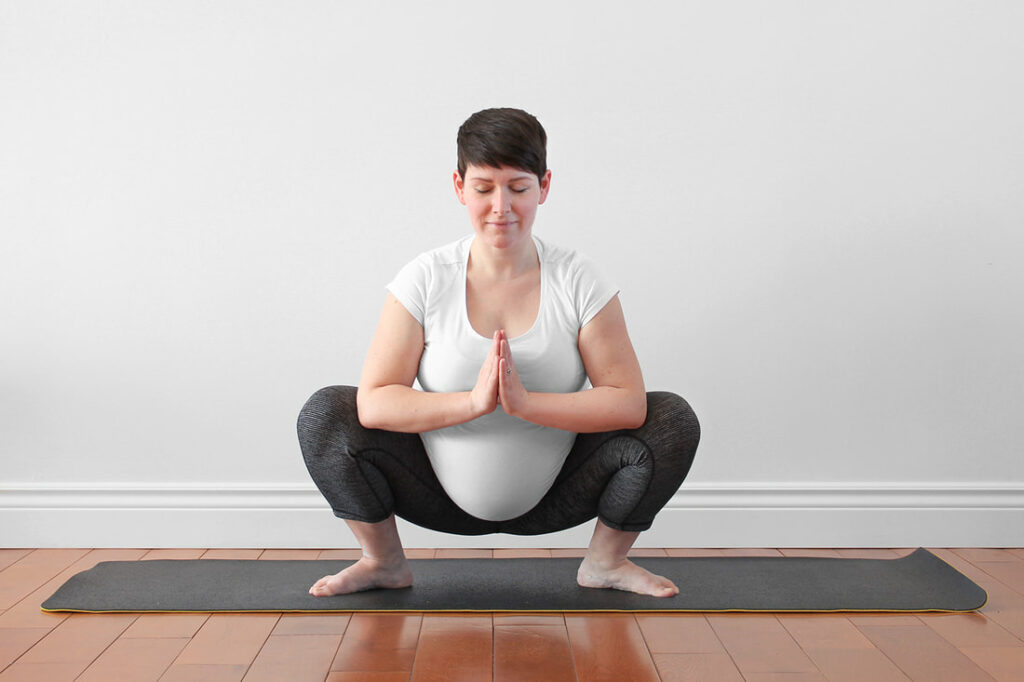
First Trimester: Gentle Beginnings
This initial phase is all about adjustment. You might be feeling tired, a bit queasy, or just generally off. If you’re new to yoga, many instructors suggest waiting until the second trimester to start. However, if you have an established practice, you can continue with some gentle modifications. The focus here is on very simple movements and breathwork.
Think slow, deliberate stretches that don’t strain your body. It’s a time to be extra mindful and avoid anything that feels too strenuous or jarring. We’re talking about conserving energy and letting your body do its amazing work of growing a new life.
Second Trimester: Finding Balance and Strength
Many people find the second trimester to be the sweet spot for prenatal yoga. Often, that early fatigue and nausea start to fade, and you might feel a surge of energy. Your belly is starting to show, but it’s usually still manageable for most poses.
This is a great time to build a bit more strength, especially in your hips and pelvic floor, which will be super helpful later on. Poses that open the hips and gently strengthen your core (without compressing your belly) are wonderful. You’ll also start working on balance, which is important as your center of gravity begins to shift. It’s about finding that sweet spot between feeling more energetic and still being very mindful of your changing body.
Third Trimester: Comfort and Preparation for Labor
As you move into the third trimester, comfort and preparation for labor become the main focus. Your body is carrying more weight, and your center of gravity is significantly different. Poses that offer relief for common third-trimester discomforts, like lower back ache or hip pressure, are key. We’re looking at restorative poses that help you relax and breathe deeply.
Breathing techniques that you can use during labor are also a big part of this stage. Gentle stretches that help open the pelvis and keep things mobile are beneficial. The goal is to feel as comfortable as possible and to ready your body and mind for the big event.
Safe Prenatal Yoga Poses for Each Stage
Finding poses that feel good and support your changing body is key during pregnancy. The great news is that many yoga poses can be adapted to be safe and beneficial throughout your pregnancy journey. It’s all about listening to your body and making smart adjustments.
Poses Suitable for All Trimesters
Some poses are wonderfully versatile and can be practiced from your first few weeks right up until labor. These often focus on gentle stretching, grounding, and breath awareness.
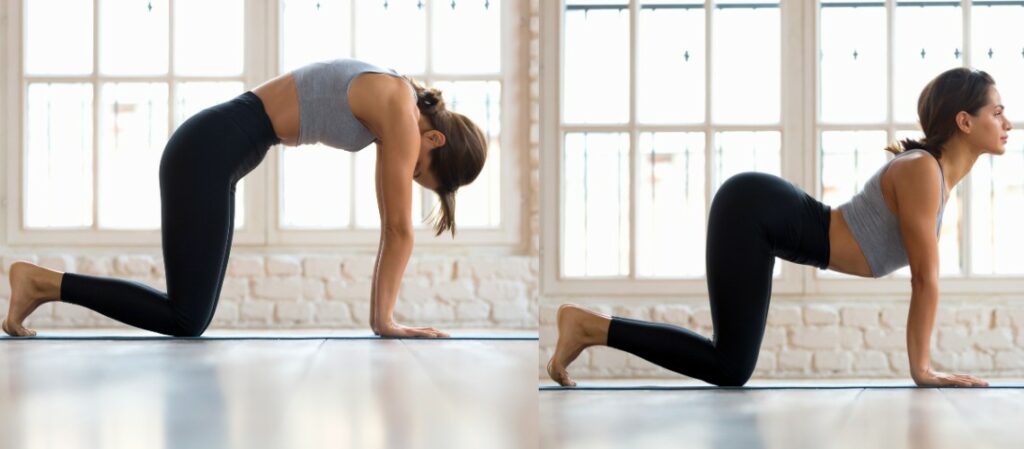
- Cat-Cow Pose (Marjaryasana-Bitilasana): This is a fantastic pose for spinal mobility and relieving back discomfort. Start on your hands and knees. As you inhale, drop your belly and lift your chest and tailbone (Cow). As you exhale, round your spine towards the ceiling, tucking your chin and tailbone (Cat). Keep the movements fluid and controlled, making sure not to over-arch your back.

- Bound Angle Pose (Baddha Konasana): Great for opening the hips and groin, this pose can ease tension in the pelvis. Sit with the soles of your feet together and let your knees fall out to the sides. You can sit up tall or gently fold forward if that feels comfortable. Using a pillow under your hips can help if sitting upright is a strain.
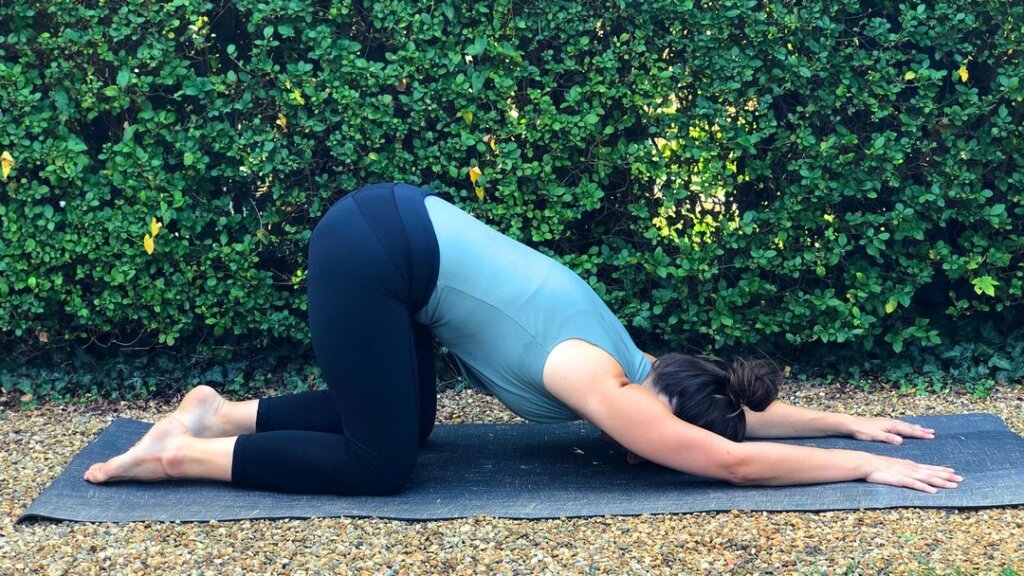
- Child’s Pose (Balasana): This is a deeply restful pose. Kneel on your mat with your knees wide enough to accommodate your belly. Fold forward, resting your forehead on the mat or a bolster. You can extend your arms forward or rest them alongside your body. This pose is perfect for a moment of quiet connection.
Second and Third Trimester Favorites
As your belly grows, you’ll want poses that offer more support and space. These poses often focus on hip opening, strengthening the legs, and finding balance.
- Warrior II (Virabhadrasana II): This pose builds strength in the legs and opens the hips. Step your feet wide apart, turning one foot out and the other slightly in. Bend the front knee over the ankle, keeping your torso upright and arms extended. Make sure your front knee doesn’t go past your ankle, and keep the stance comfortable for your hips.
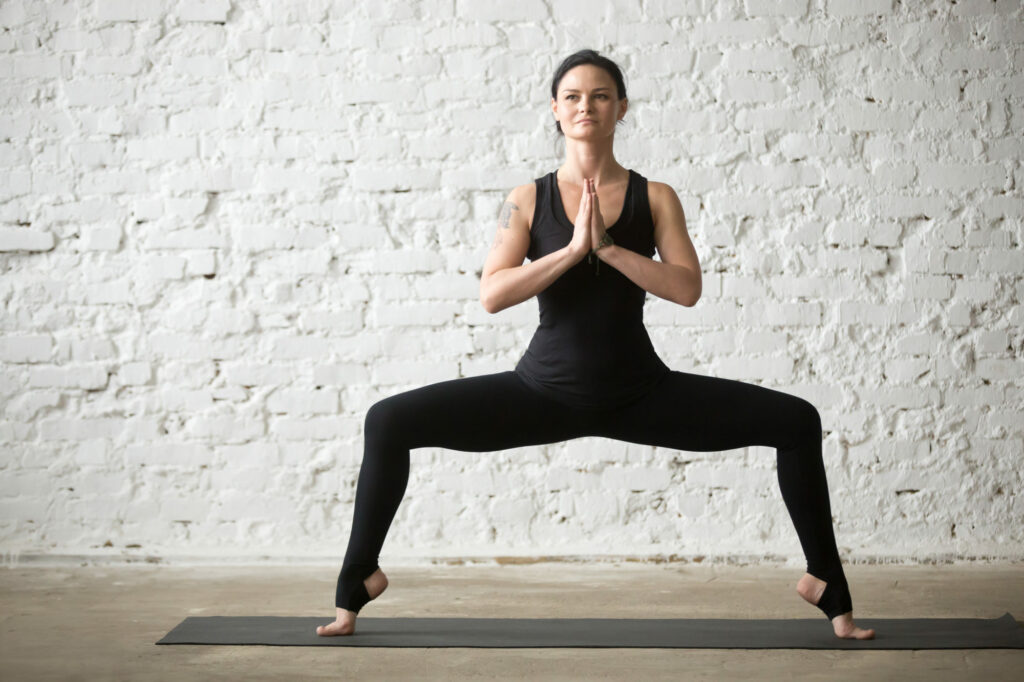
- Goddess Pose (Utkata Konasana): A wonderful pose for strengthening the legs and opening the hips. Stand with your feet wider than hip-width apart, toes turned out. Bend your knees, sinking down as if sitting in a chair, keeping your back straight. You can bring your hands to your heart or rest them on your thighs. This pose can feel really grounding.
- Supported Bridge Pose (Setu Bandhasana): This pose gently opens the chest and can help relieve fatigue. Lie on your back with your knees bent and feet flat on the floor, hip-width apart. You can place a block or bolster under your sacrum for support. Lift your hips slightly off the floor. Avoid lifting too high, especially in later pregnancy.
Restorative Poses for Comfort
These poses are all about relaxation and ease, especially as you get closer to your due date. They help calm the nervous system and prepare your body for rest.
- Side-Lying Savasana: Instead of lying flat on your back (which can be uncomfortable and restrict blood flow after the first trimester), rest on your side. Use pillows to support your head, between your knees, and under your belly. This is a deeply relaxing pose.
- Legs-Up-the-Wall Pose (Viparita Karani) – Modified: While traditionally done with the hips on the floor, a modified version can be very soothing. Lie on your side near a wall and gently swing your legs up the wall, resting your back on the floor or a bolster. This can help reduce swelling in the feet and ankles.
- Supported Reclining Bound Angle Pose: Similar to Bound Angle Pose, but reclined. Lie back with the soles of your feet together and knees falling open. Use bolsters or pillows under your knees for support. This allows gravity to do the work while you relax.
Prenatal Yoga Poses to Approach With Caution
While prenatal yoga is generally safe and beneficial, some poses need a bit more attention or should be skipped altogether as your pregnancy progresses. It’s all about listening to your body and making smart choices to keep both you and your baby comfortable and secure. Think of it as fine-tuning your practice as your body changes.
Poses to Avoid in the First Trimester
In the early weeks, your body is going through a lot of hormonal shifts, and while you might feel okay, it’s wise to be extra gentle. Poses that involve deep twists, lying flat on your back for extended periods, or intense core work are best avoided.
Even if you’ve done them before, pregnancy is a new ballgame. For instance, poses that put pressure on your abdomen, like deep forward folds or anything that compresses your belly, should be put on hold. It’s better to err on the side of caution and stick to simpler, more restorative movements.
Modifications for Later Trimesters
As your belly grows, certain poses that were fine earlier might become uncomfortable or even risky. The key here is modification. For example, deep backbends like Wheel Pose or Camel Pose can put too much strain on your abdominal muscles, potentially leading to diastasis recti (a separation of the abdominal muscles).
Instead of a full backbend, try a gentle chest opener with props, like supported bridge pose. Similarly, inversions such as headstands or handstands, which can affect balance and blood pressure, should be avoided. If you enjoy the feeling of an inversion, a gentle Legs-Up-the-Wall pose with your hips slightly elevated on a pillow might be a safer alternative, but even this is best discussed with your healthcare provider.
Poses That Compress the Belly
Poses where you lie on your stomach, like Cobra Pose or Bow Pose, are a definite no-go after the first trimester, and often best avoided from the start. These poses directly compress your growing uterus, which isn’t ideal for blood flow to your baby.
Even poses that involve lying on your back for a long time, especially after about 20 weeks, can put pressure on the vena cava, a major vein. A simple switch to side-lying Savasana, perhaps with a pillow between your knees, makes a world of difference. Twists are another area to be mindful of. Instead of deep, closed twists that squeeze your abdomen, opt for gentle, open twists where you twist from your upper back and shoulders, keeping your belly facing forward. It’s about finding ways to move that honor your changing body and keep everything flowing smoothly.
Essential Safety Tips for Prenatal Yoga Poses
Practicing yoga while pregnant is a wonderful way to stay active and connected with your body, but safety always comes first. Making sure your practice is tailored for pregnancy is key to safe yoga for pregnancy. It’s not about pushing your limits; it’s about moving in ways that feel good and supportive for you and your growing baby.
When to Consult Your Healthcare Provider
Before you even unroll your mat, it’s a good idea to have a chat with your doctor or midwife. This is especially important if you have any pre-existing health conditions, if this is a high-risk pregnancy, or if you’re carrying multiples.
They can give you the green light and advise on any specific precautions you might need to take. Don’t hesitate to ask them about any concerns you have regarding yoga during your pregnancy.
Listening to Your Body During Practice
This is probably the most important tip of all. Your body is going through some pretty amazing changes, and what felt good yesterday might not feel right today. Pay close attention to any signals your body sends you. If a pose feels uncomfortable, causes pain, or makes you feel dizzy or short of breath, stop immediately. There’s no shame in modifying a pose or skipping it altogether. Remember, the goal is to feel good, not to achieve a perfect pose.
Here are some things to watch out for:
- Dizziness or Lightheadedness: This can happen if you stand up too quickly or if a pose affects blood flow. Come out of the pose slowly and rest.
- Shortness of Breath: If you find yourself gasping for air, ease back. You should be able to talk comfortably during your practice.
- Pain: Any sharp or persistent pain is a sign to stop. This includes pelvic pain or abdominal discomfort.
- Overheating: Pregnancy can make you feel warmer than usual. Practice in a cool room and stay hydrated.
Creating a Safe Home Practice Environment
Setting up a comfortable and safe space at home makes a big difference. You don’t need a fancy studio; just a quiet corner will do. Make sure you have enough space to move freely without bumping into furniture. A non-slip yoga mat is a must to prevent any accidental slips.
Having props like pillows, bolsters, or yoga blocks nearby can help you support your body and make poses more comfortable and stable. Keep a water bottle within reach so you can sip throughout your practice. If you’re practicing near a wall, it can offer extra support for balance poses.
Props to Consider:
- Pillows/Bolsters: For support under your hips, knees, or head.
- Yoga Blocks: To bring the floor closer or aid balance.
- Blanket: For warmth or cushioning.
- Wall Space: For stability during standing poses.